Modern 3-Bedroom House Finishing Materials
Which house finishing materials do I need? This is one of the most frequently asked questions by homeowners aiming to complete a modern three-bedroom house. The materials you select influence the appearance, comfort, durability and maintenance requirements of every room.
A well-finished home does not necessarily need the most expensive tiles, imported fittings or elaborate ceiling designs. It needs materials that work together, suit the household’s lifestyle and are appropriate for each space.
For a typical three-bedroom house in Kenya, the main finishing decisions cover flooring, walls, ceilings, kitchen cabinetry, bathroom surfaces, doors, wardrobes, lighting and electrical fittings.
Here is a practical guide to selecting these materials and coordinating them into a consistent modern interior.
1. Choose the Right Flooring Materials
Flooring has a major influence on the overall appearance of a home. It also needs to withstand daily movement, furniture, cleaning and occasional moisture.
Porcelain Tiles
Porcelain tiles are a popular choice for modern Kenyan homes because they are available in different sizes, colours, patterns and surface finishes.
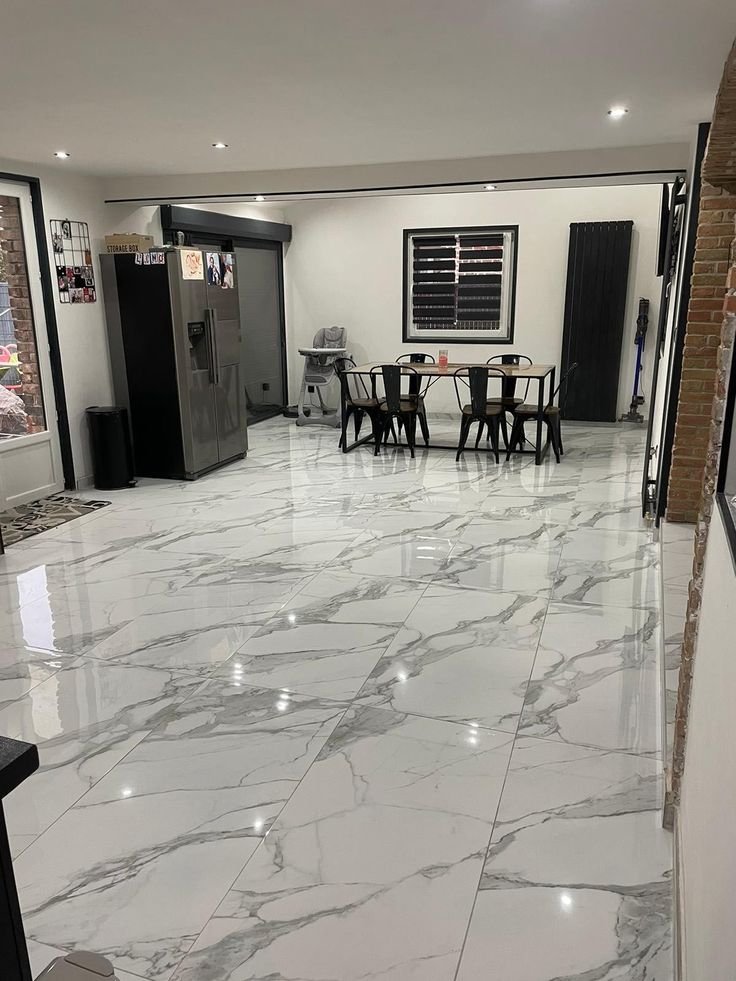
They can be used in living rooms, dining areas, kitchens, corridors and bathrooms. Large-format porcelain tiles can make an open-plan living space feel more continuous by reducing the number of visible grout lines.
For bathrooms and other wet areas, select a suitable slip-resistant surface rather than choosing a tile based on appearance alone.
Large-Format Tiles
Large-format tiles are particularly effective in contemporary interiors. They create a clean, spacious appearance and work well with minimalist furniture and simple wall finishes.
Before selecting them, consider the floor’s level, tile thickness, installation requirements and the availability of skilled installers. Large tiles require careful substrate preparation and accurate setting out.
Engineered Wood or Laminate Flooring
Wood-look flooring adds warmth to bedrooms, studies and selected living spaces.
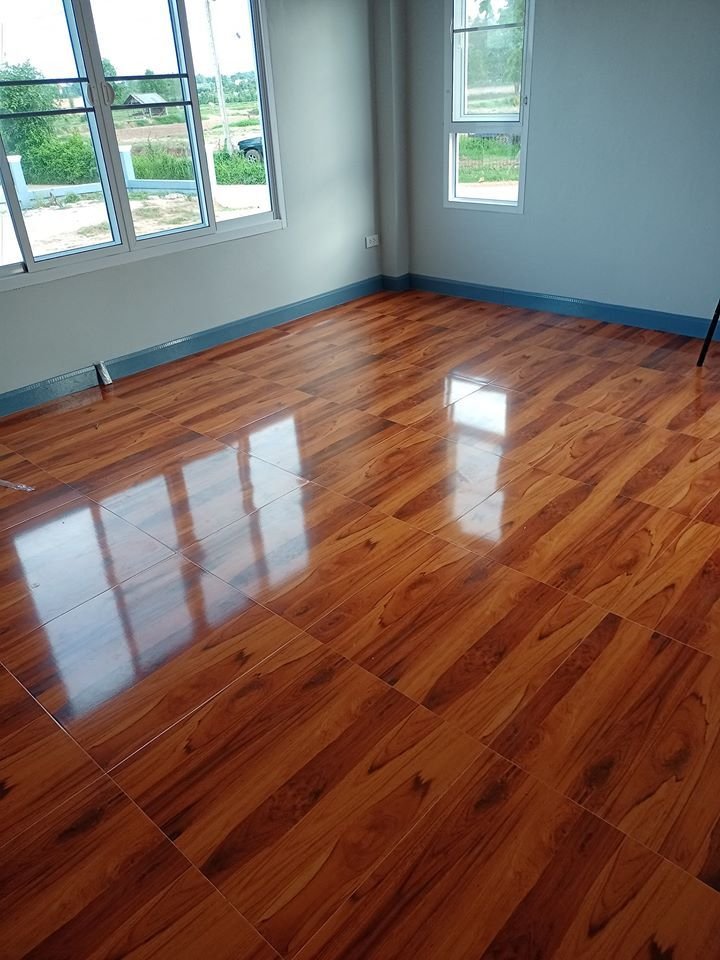
Engineered wood offers a real-wood surface, while laminate provides a decorative wood-effect layer over a composite core. Both can create a softer visual contrast against tiled areas.
The correct specification depends on moisture exposure, expected traffic, maintenance requirements and installation conditions. Avoid using ordinary laminate in areas that experience frequent water exposure.
Vinyl Flooring
Vinyl flooring is available in plank, tile and sheet formats. Some products replicate timber or stone, making them suitable for homeowners who want a particular appearance with a different maintenance profile.
Quality varies considerably, so check the wear layer, thickness, installation method and manufacturer’s moisture guidance before purchasing.
For a deeper comparison, read wooden versus laminate flooring in Kenya. You can also explore floor installation services when planning your home’s finishing works.
2. Select Wall Finishes
Walls provide a large visual surface, so the finishes should complement the flooring, furniture and lighting.
Quality Washable Paint
Use quality washable paint in bedrooms, corridors, living rooms and other frequently used spaces. Soft white, warm grey, beige and muted neutral colours provide a flexible backdrop for furniture and decorative accents.
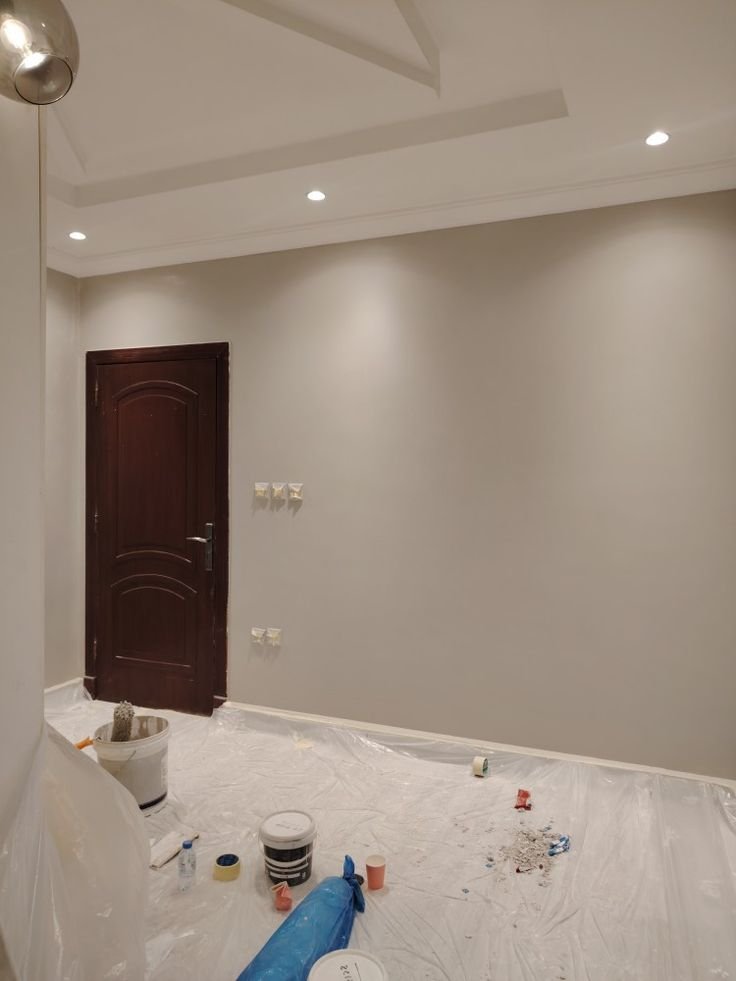
Consider using a more durable, moisture-appropriate paint system in kitchens and other areas where surfaces may require frequent cleaning. Bathrooms need products suitable for the specific moisture conditions, alongside proper ventilation and waterproofing.
Feature Walls
A feature wall can introduce texture, contrast and personality without requiring every wall to have an elaborate finish.
Popular options include:
- Wallpaper with subtle geometric or botanical patterns.
- Fluted panels for living rooms and bedroom backdrops.
- Timber slats for warm architectural detailing.
- Stone or stone-look finishes for selected feature areas.
- Textured plaster for a soft, understated appearance.
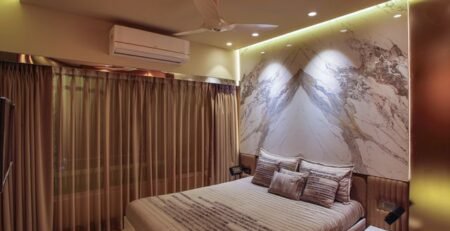
A feature wall should have a clear purpose. In a living room, it may frame the television or seating area. In a master bedroom, it can form a backdrop behind the bed.
For inspiration, explore modern interior design ideas for a three-bedroom house and home design trends in Nairobi.
Tiles for Splashbacks and Wet Areas
Tiles remain a practical wall finish for bathrooms, kitchen splashbacks and utility spaces.
Choose finishes that are easy to clean and suitable for the level of moisture and exposure. In kitchens, the splashback should protect the wall around cooking and preparation areas while complementing the worktop and cabinets.
3. Keep Ceiling Designs Modern and Well Planned
A modern three-bedroom house does not need complicated gypsum designs in every room. Simple ceiling details often produce a cleaner and more timeless result.
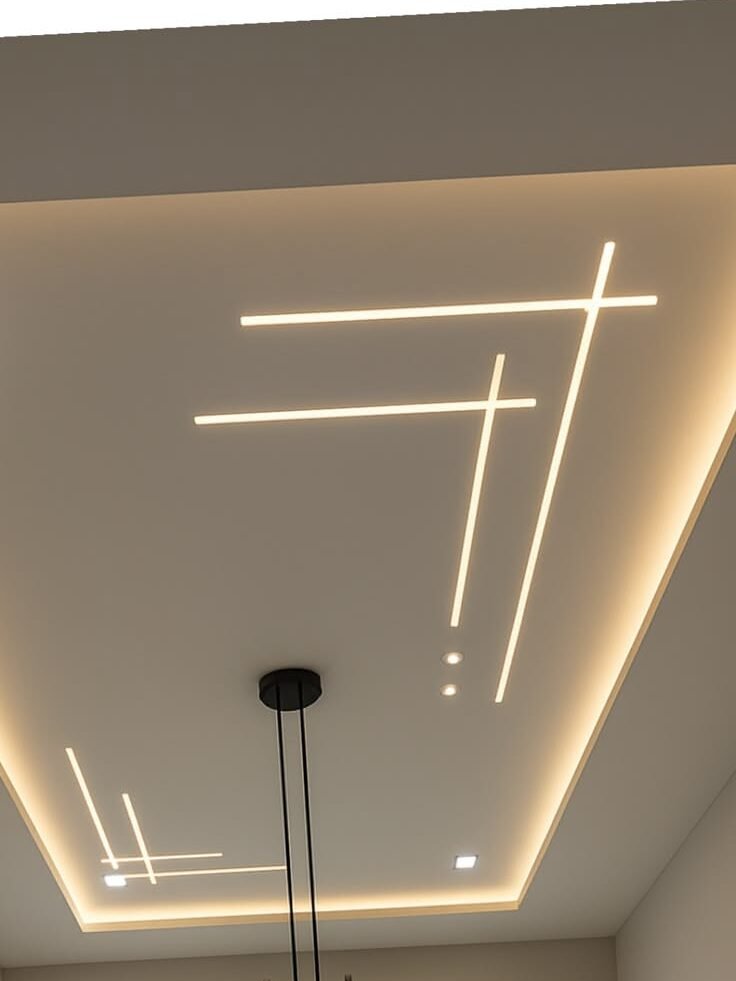
Consider:
- Flat ceilings for bedrooms and secondary spaces.
- Recessed lighting for a neat, contemporary appearance.
- Cove lighting in selected living areas.
- Limited bulkheads to conceal services or define zones.
- Simple cornices where they complement the architectural style.
A feature ceiling can work well in a lounge, dining area or master bedroom, but it should be designed around the room’s proportions and lighting requirements.
Plan ceiling heights, access panels, air-conditioning routes and electrical installations before closing up the ceiling. This helps prevent unnecessary alterations after painting and final finishes.
For further guidance, see gypsum ceiling installation costs in Kenya and gypsum ceiling installation services.
4. Choose Durable and Functional Kitchen Finishes
The kitchen is one of the most heavily used spaces in a home. Its finishes should withstand regular cleaning, moisture, heat and everyday activity.
Kitchen Cabinet Materials
Choose moisture-resistant cabinet carcasses and suitable door finishes. Depending on the design and budget, options include laminate, high-pressure laminate (HPL), veneer and other appropriate cabinet finishes.
Pay attention to edge sealing, hardware quality and the protection of areas around sinks and plumbing connections. Poorly protected cabinet edges can deteriorate when exposed to water.
Worktops and Splashbacks
Worktops should be durable, practical to clean and suitable for the way the kitchen is used. Options may include granite, engineered stone and other properly specified countertop materials.
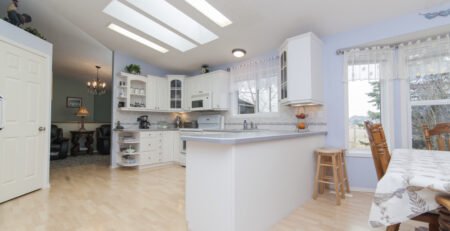
For splashbacks, use easy-to-clean tiles, glass or other appropriate surfaces. The selected finish should work with the cabinet doors, worktop and overall colour palette.
Storage and Kitchen Workflow
A well-designed kitchen combines storage, movement, lighting and ventilation. Plan the relationship between the sink, cooker and refrigerator, leaving sufficient preparation space around the main work areas.
Tall cabinets, deep drawers, pull-out storage and well-designed corner units can improve the use of available space.
Explore types of kitchen designs in Kenya, kitchen design trends in East Africa and standard kitchen dimensions in Kenya before finalising your cabinetry layout.
5. Select Bathroom Finishes for Safety and Durability
Bathrooms require careful material selection because they are exposed to water, steam, cleaning products and frequent use.
Bathroom Wall and Floor Tiles
Porcelain tiles are a practical option for bathroom floors and walls. Use suitable slip-resistant tiles on the floor, especially in shower areas.
Large-format wall tiles can create a clean, contemporary look, while smaller tiles may be useful for shower floors, niches and areas that require more detailed setting out.
Shower Enclosures and Sanitaryware
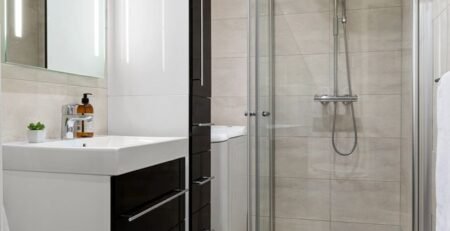
Tempered glass shower enclosures can help separate wet and dry areas while keeping the bathroom visually open.
Choose quality taps, shower fittings, basins and sanitaryware that suit the plumbing arrangement and intended use.
Waterproofing and Ventilation
Good bathroom finishing starts before tiles are installed. Proper waterproofing, drainage falls and plumbing connections are essential.
Use suitable waterproof paint only in areas and applications recommended by the product manufacturer. Provide adequate ventilation to help manage moisture and reduce the risk of persistent dampness.
6. Invest in Quality Doors, Wardrobes and Custom Joinery
Doors, wardrobes and built-in furniture have a significant effect on how complete a home feels.
Internal Doors
Solid-core doors can offer a more substantial feel and better sound separation than lightweight hollow-core alternatives. Specify appropriate door construction for each room, with quality hinges, handles and locks.
Bathrooms also require suitable moisture-resistant door finishes and hardware.
Built-In Wardrobes
Built-in wardrobes make efficient use of bedroom space. Their design should account for hanging lengths, shelves, drawers, luggage storage and access to frequently used items.
Sliding doors can be useful where swing clearance is limited, while hinged doors provide full access to the wardrobe interior.
Custom Furniture and Fittings
Custom joinery can make better use of available space than relying entirely on standalone furniture. It can include kitchen cabinetry, wardrobes, TV units, study desks, shoe storage and selected display units.
SUIMAS Interiors provides custom furniture design and fittings as part of its residential interior solutions. This allows furniture finishes, dimensions and storage arrangements to be coordinated with the wider interior design.
You can also explore the cost of full house interiors in Kenya when planning the overall finishing budget.
7. Plan Lighting and Electrical Finishes Before Installation
Lighting should be planned alongside furniture layouts and ceiling designs, not treated as a final decorative addition.
A modern three-bedroom house can benefit from three main lighting layers:
General lighting: Ceiling lights and recessed downlights provide overall illumination.
Task lighting: Under-cabinet kitchen lights, bedside reading lights and study lamps support specific activities.
Accent lighting: Cove lighting, linear LED profiles and wall washers highlight selected architectural details, artwork or feature walls.
Also plan socket locations, switches, data points, television connections and appliance supplies before finishing begins.
The position of furniture, kitchen appliances and beds should guide electrical layouts. This reduces the risk of inconvenient sockets hidden behind wardrobes or insufficient power points around work areas.
8. Coordinate Materials Across the Entire House
A modern home feels more cohesive when the finishes relate to one another.
This does not mean every room must use identical tiles, paint colours and furniture. Instead, establish a consistent design direction and repeat selected materials or tones in different spaces.
For example:
- Use a consistent neutral wall palette across the living room and bedrooms.
- Repeat a timber finish in kitchen cabinetry, wardrobes and selected feature details.
- Coordinate door hardware, lighting finishes and cabinet handles.
- Use complementary flooring transitions between open-plan spaces and private rooms.
- Keep bathroom fittings and tile colours within the overall design scheme.
A coordinated material schedule can help homeowners, designers and installers understand which products belong in each room and reduce inconsistent substitutions during construction.
9. Prepare a Finishing Schedule Before Buying Materials
Buying materials without a complete specification can lead to waste, delays and mismatched finishes.
Before purchasing, prepare a room-by-room schedule covering:
- Flooring type, size, quantity and finish.
- Wall paint colours and feature-wall materials.
- Ceiling design and lighting requirements.
- Kitchen cabinet materials, worktops and hardware.
- Bathroom tiles, sanitaryware and shower fittings.
- Internal doors, locks and handles.
- Wardrobes and custom furniture.
- Electrical accessories and lighting fixtures.
Include measurements, product references, quantities and installation requirements. Allow for wastage where appropriate, based on the material and installation pattern.
It is also useful to approve physical samples before ordering large quantities. A tile or laminate can look different under natural daylight, warm artificial lighting and the lighting conditions of a supplier’s showroom.
Bringing Your Three-Bedroom House Finishes Together
The best finishing materials are those that suit your home, lifestyle and budget while creating a consistent interior.
Porcelain tiles may be appropriate for high-traffic spaces, wood-look flooring can introduce warmth into bedrooms, washable paint provides practical wall finishes, and carefully selected kitchen and bathroom materials help the most frequently used rooms remain functional.
The important step is coordinating the materials before installation begins. This allows flooring, ceilings, lighting, cabinetry and wall finishes to work together rather than being selected independently.
SUIMAS Interiors provides residential interior design, custom furniture, flooring, gypsum ceilings and coordinated finishing solutions. Whether you are completing a new three-bedroom house or upgrading an existing property, professional planning can help you achieve a more refined and practical result.
Finishing a modern three-bedroom home? Contact SUIMAS Interiors to discuss your interior design, material selection, custom furniture and installation requirements.
Areas We Serve
SUIMAS Interiors provides professional interior design, office partitioning, soundproofing, gypsum and acoustic ceiling installation, flooring, renovation, building and complete interior fit-out services across Nairobi, Kenya and East Africa. Our integrated approach brings construction and interior design under one roof, helping clients manage projects from planning and structural works to finishing and furnishing.
In Nairobi and its surrounding areas, we serve clients in Lavington, Loresho, Lang’ata, Westlands, Karen, Runda, Muthaiga, Utawala, Spring Valley, Gigiri, Lower Kabete, Ruaka, Kilimani, Kileleshwa, Parklands, Upper Hill and Kiambu.
We also undertake projects in Eldoret, Kisumu, Nakuru, Naivasha, Meru and Mombasa, providing interior design, office fit-outs, renovations, flooring, ceilings, partitioning and other finishing solutions suited to each project.
Beyond these major towns, SUIMAS Interiors works with clients across Kenya and East Africa, delivering residential, commercial, healthcare, hospitality and other interior and construction projects.
Planning a project in your area? Contact SUIMAS Interiors to discuss your requirements and arrange a consultation.