Anti-Slip Floor Tiles for Bathrooms, Kitchens, Stairs and Living Rooms
Flooring should look attractive, but it must also be safe. In areas where water, oil, food spills or frequent movement are common, a slippery floor can increase the risk of falls. Choosing suitable anti-slip floor tiles helps homeowners create safer bathrooms, kitchens, staircases and living spaces without compromising interior design.
However, not every matte tile is automatically slip-resistant. The actual performance depends on the tile’s surface, texture, testing classification and the conditions in which it will be used.
1. Anti-Slip Tiles for Bathrooms and Shower Areas
Bathrooms are among the most important places to consider slip resistance because water and soap can make floors hazardous.
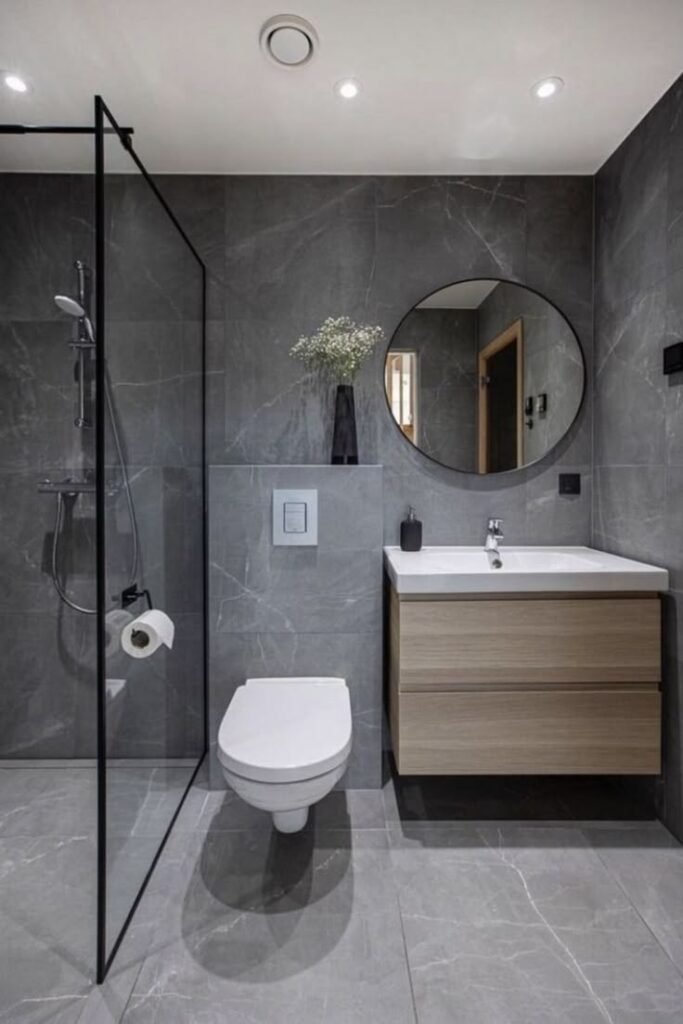
Shower Floors
Shower zones experience frequent water exposure, so select tiles specifically rated for wet-area use. Smaller-format tiles can offer more grout joints, which may provide additional grip, depending on the tile and installation.
Textured porcelain and appropriately rated anti-slip ceramic tiles are options worth considering.
General Bathroom Floors
For the wider bathroom floor, choose a finish that provides suitable grip while remaining easy to clean. Avoid highly polished surfaces in areas that regularly become wet.
Pay attention to drainage and floor gradients. Even a suitable tile can become hazardous if water pools on the surface.
2. Anti-Slip Tiles for Kitchens
Kitchen floors experience different types of spills, including water, cooking oil, food and cleaning products.
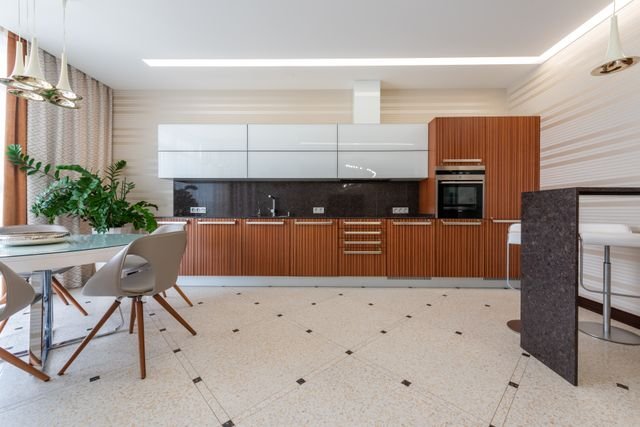
A practical kitchen floor should be easy to maintain and provide suitable slip resistance under expected conditions.
Matte or textured porcelain tiles are popular options. Choose a surface that balances grip with ease of cleaning because very rough textures may trap dirt and grease.
For family kitchens, consider a neutral tile that complements the cabinets, countertops and backsplash.
3. Anti-Slip Tiles for Stairs
Staircases require particular attention because a slip can result in a serious fall.
Choose suitable stair treads or tiles with a verified slip-resistant finish. Edge details should also be considered, especially where the staircase has a smooth or exposed nosing.
Where appropriate, additional stair nosing or anti-slip strips can improve grip and make step edges more visible.
Ensure that the finished stair surfaces are even, securely installed and consistent in height and depth. Good lighting is also important.
4. Matte-Finish Tiles for Living Rooms
Living rooms do not normally experience the same amount of water as bathrooms, but safety still matters.
Matte-finish porcelain tiles can provide a subtle appearance that works well with contemporary interiors. They are available in stone, concrete and timber-look designs.
For homes with children, older family members or pets, consider the tile’s tested slip performance rather than relying on appearance alone.
A matte surface is not necessarily anti-slip, so check the manufacturer’s technical information before purchasing.
Types of Anti-Slip Floor Tiles
| Tile type | Common applications | What to consider |
|---|---|---|
| Textured porcelain | Bathrooms, kitchens and selected outdoor areas | Check wet-area suitability and cleaning needs |
| Matte porcelain | Living rooms, kitchens and bathrooms | Matte does not automatically mean anti-slip |
| Textured ceramic | Selected bathrooms and utility areas | Confirm the product’s slip rating |
| Mosaic tiles | Shower floors and selected wet areas | More grout joints may contribute to grip |
| Stone-look tiles | Bathrooms and living spaces | Check the actual surface finish |
| Anti-slip stair tiles | Staircases and steps | Consider nosing and edge protection |
Understanding Tile Slip Resistance
When comparing tiles, ask the supplier for the manufacturer’s slip-resistance classification and test information.
Depending on the product and market, you may encounter classifications such as the R rating under DIN 51130 or wet barefoot classifications under DIN 51097. These tests assess different conditions, so they should not be treated as interchangeable.
For a bathroom or shower, ask whether the tile is specifically suitable for barefoot wet-area use. For stairs and kitchens, consider the expected footwear, contaminants and maintenance routine.
Floor Installation Services by SUIMAS Interiors
SUIMAS Interiors helps homeowners coordinate floor finishes with the wider interior design. Our floor installation services can be considered alongside bathroom upgrades, kitchen renovations and complete home finishing projects.
Explore our interior design services and kitchen renovation services when planning your next project.
Planning new flooring for your home? Contact SUIMAS Interiors to discuss tile selection, floor preparation and installation requirements.
Call/WhatsApp: 0717 044443 / 0739 255050 / 0725 021709
Related Post Resources
- Floor Installation Services
- Flooring Options and Installation for Homes
- Apartment Interior Design Services for Modern Living in Kilimani
- 3-Bedroom House Interior Design Services
- Cost of Flooring a 3-Bedroom House in Nairobi
- Cost of Renovating a 4-Bedroom House in Nairobi
- Mkeka wa Mbao Flooring in Karen Homes
- Wooden vs Laminate Flooring in Kenya: Pros, Cons, and Costs
- SUIMAS Interiors: 300+ Projects Across Kenya and East Africa
- Vinyl vs Tile Flooring: Which Is Best for Kenyan Homes?