Restaurant Kitchen Equipment Checklist for New Businesses
Restaurant Kitchen Equipment Checklist for New Businesses
Opening a restaurant in Kenya requires more than finding a good location and preparing a menu. You also need the right kitchen equipment to prepare food efficiently, store ingredients properly, maintain cleanliness and serve customers consistently.
A well-planned restaurant kitchen helps you control startup costs and organise daily operations. However, buying too much equipment before understanding your menu can waste money, while overlooking essential items can delay your opening.
This restaurant kitchen equipment checklist for new businesses covers the main equipment you should consider when opening a restaurant, café, fast-food outlet or small hotel in Nairobi and across Kenya. It also explains what to buy first, what you can add later and how to plan your kitchen before purchasing equipment.
1. Cooking Equipment Checklist
Cooking equipment is the heart of your restaurant kitchen. Your menu, expected number of orders and cooking methods will determine which appliances you need.
Use this checklist to identify your requirements:
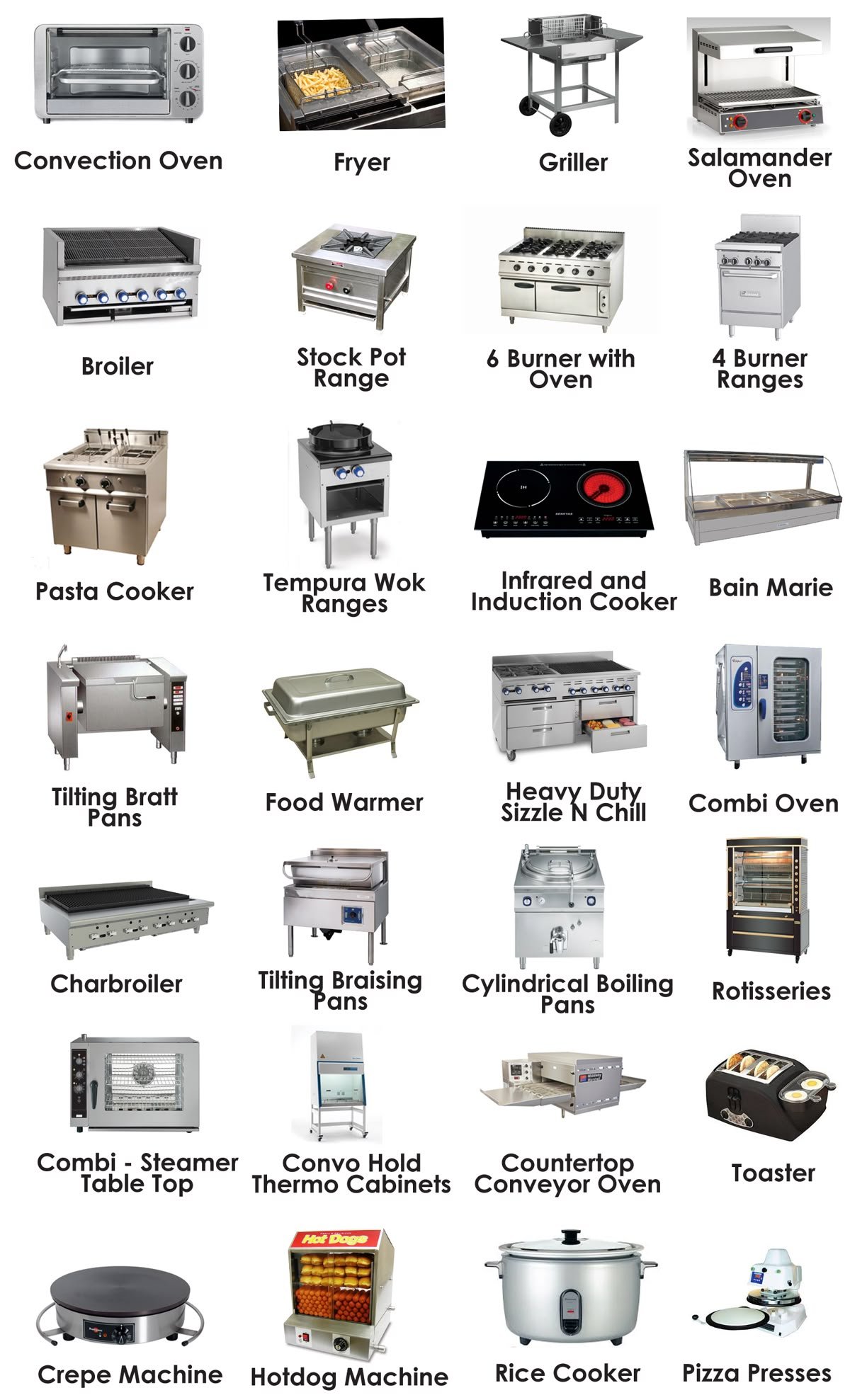
- Commercial gas cooker or electric range
- Commercial oven, where required
- Deep fryer for fried foods
- Commercial grill or griddle
- Charcoal or specialised grill, where suitable
- Microwave for appropriate reheating tasks
- Rice cooker for businesses serving large quantities of rice
- Toaster or sandwich press
- Food warmer or bain-marie for suitable hot-holding needs
- Commercial kettle or water boiler
- Cooking pots and pans
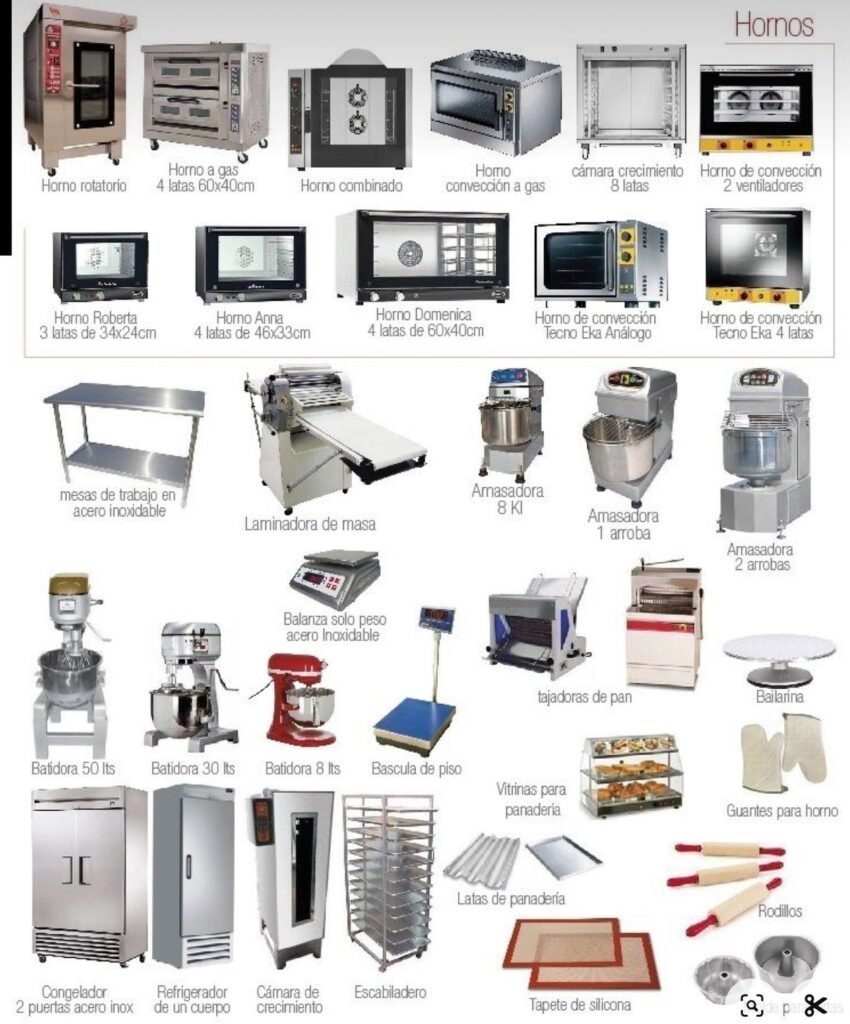
- Baking trays and oven racks
- Cooking utensils, ladles, tongs and spatulas
- Food thermometers and kitchen timers
You do not need every item on this list. A restaurant specialising in Kenyan meals may prioritise a commercial cooker, large cooking pots and suitable food-holding equipment. A burger outlet may need a griddle and fryer, while a bakery requires specialised baking equipment.
How to Choose Cooking Equipment
Start by listing the dishes on your menu and the cooking methods each one requires. Estimate how many portions you expect to prepare during busy periods.
Choose equipment that can handle your expected workload without occupying unnecessary space. Also check its dimensions, energy requirements, cleaning instructions, warranty and availability of spare parts.
2. Refrigeration and Cold Storage Checklist
Refrigeration is essential for restaurants that store perishable ingredients, dairy products, meat, fish, vegetables and prepared food.
Your refrigeration requirements depend on how much stock you hold, how frequently you receive deliveries and the storage conditions required for different ingredients.
Use this checklist:
- Commercial refrigerator
- Commercial freezer
- Under-counter refrigerator, if needed
- Refrigerated preparation table, where appropriate
- Beverage refrigerator, if required
- Display refrigerator for drinks, desserts or ready-to-sell products
- Cold room for businesses requiring larger storage capacity
- Food storage containers suitable for refrigeration
- Shelves and racks for organised storage
- Refrigerator and freezer thermometers
- Temperature monitoring and recording arrangements
How Much Refrigeration Does a New Restaurant Need?
A small café may start with a suitable commercial refrigerator and freezer. A larger restaurant may need separate storage for meat, vegetables, dairy products and other ingredients, depending on its menu and food-handling procedures.
Avoid choosing a refrigerator based only on its external size. Consider usable capacity, shelf arrangement, temperature control, ventilation clearance and expected stock levels.
You should also plan how staff will separate raw ingredients from ready-to-eat food and keep products at the appropriate temperatures.
3. Food Preparation Equipment Checklist
Food preparation equipment helps staff wash, cut, mix, portion and arrange ingredients before cooking.
Having suitable preparation equipment can reduce repetitive work and make it easier to maintain consistent portion sizes.
- Stainless steel preparation tables
- Food preparation sinks
- Separate handwashing basin
- Chopping boards suitable for different food types
- Chef knives and other required cutting tools
- Vegetable peelers
- Mixing bowls
- Measuring jugs and scales
- Colanders and strainers
- Food processors, where needed
- Commercial blender
- Commercial mixer for dough, batter or other mixtures
- Meat slicer, where required
- Food storage containers
- Ingredient bins
- Preparation trays
- Kitchen trolleys, where useful
Why Preparation Tables Matter
Preparation tables provide dedicated surfaces for tasks such as chopping vegetables, portioning meat, assembling sandwiches and arranging ingredients.
Choose tables that suit your available space and workflow. Stainless steel is commonly used for commercial food-preparation surfaces because suitable grades are durable and easy to clean.
Ask the supplier to specify the material, dimensions and construction details before ordering custom-made tables.
4. Stainless Steel Sinks, Worktops and Storage Checklist
A functional kitchen needs more than cooking appliances. Staff also require appropriate surfaces for preparation, cleaning and storage.
Consider the following items:
- Stainless steel worktables
- Preparation counters
- Washing sinks
- Dedicated handwashing station
- Wall-mounted shelves
- Freestanding storage racks
- Lockable storage cabinets for suitable supplies
- Pot and utensil storage racks
- Draining boards
- Equipment stands
- Mobile trolleys
- Ingredient storage containers
- Waste bins and designated waste-storage arrangements
What Should You Consider When Ordering Stainless Steel Equipment?
Measure the kitchen before requesting a quotation. Record the dimensions of the available wall space, work areas, doorways and equipment positions.
If you need custom fabrication, provide the required dimensions and explain how the fixture will be used. For example, a sink used for washing large cooking pots may require different dimensions from a small preparation sink.
Also confirm whether delivery, installation, taps, plumbing connections and other accessories are included in the quotation.
5. Dishwashing and Cleaning Equipment Checklist
Cleaning equipment is essential for maintaining an organised restaurant and supporting safe food-handling practices.
Your setup should allow staff to wash utensils, clean work surfaces, manage waste and store cleaning materials appropriately.
- Commercial dishwasher, if suitable for the business
- Washing sinks appropriate for the intended tasks
- Pre-rinse spray unit, where required
- Dish racks
- Drying racks
- Pot and pan washing arrangements
- Food-safe cleaning and sanitising products
- Cleaning cloths and scrub pads
- Mops and mop buckets
- Floor squeegees
- Cleaning brushes
- Colour-coded cleaning tools, where used
- Covered waste bins
- Waste liners
- Safe storage for cleaning chemicals
- Handwashing soap and suitable drying supplies
Should a New Restaurant Buy a Commercial Dishwasher?
Not every small restaurant needs a commercial dishwasher from the beginning. The decision depends on the number of customers, the volume of utensils and the speed at which dishes must be cleaned.
A small café may manage with suitable sinks and organised manual washing procedures. A busy hotel or restaurant may benefit from a commercial dishwasher because it can process larger quantities of utensils during peak periods.
Whichever arrangement you choose, plan enough space for washing, rinsing, drying and storing clean utensils.
6. Kitchen Ventilation and Extraction Checklist
Commercial cooking produces heat, steam and, depending on the cooking method, smoke and grease-laden vapour. Your kitchen layout should account for these conditions before you install cooking equipment.
Use this checklist when planning ventilation:
- Extraction hood suitable for the cooking line
- Appropriate grease filters
- Exhaust fan
- Ductwork and suitable discharge arrangements
- Adequate replacement air
- Ventilation controls and access for maintenance
- Suitable arrangements for managing heat and odours
- Fire-safety provisions appropriate to the installation
- Access for cleaning filters and ductwork
Why Plan Ventilation Before Opening?
Installing ventilation after placing cooking equipment can create additional costs. The hood dimensions, duct routes and fan requirements depend on the equipment arrangement and building layout.
Ask a qualified provider to assess the planned cooking line and specify the required system. Confirm the installation requirements and applicable building and fire-safety provisions before purchasing equipment.
A standalone hood may not include the fan, ducting, installation or other components needed for a complete system. Request an itemised quotation to understand the full cost.
7. Small Equipment and Kitchen Utensils Checklist
Small tools are easy to overlook when budgeting for large appliances. However, your kitchen team needs enough utensils to prepare and serve food efficiently.
Use this checklist:
- Chef knives and paring knives
- Cutting boards
- Cooking spoons
- Ladles
- Tongs
- Spatulas
- Whisks
- Mixing bowls
- Measuring cups and spoons
- Kitchen scales
- Food thermometers
- Kitchen timers
- Pots and pans in suitable sizes
- Baking trays
- Oven gloves
- Colanders and sieves
- Food storage containers with lids
- Serving spoons and portioning tools
- Trays and food pans
- Appropriate staff protective clothing
Buy quantities according to your expected workload. A restaurant that serves many customers simultaneously needs enough tools to avoid delays when utensils are being washed or used at another station.
8. Food Holding and Serving Equipment Checklist
Some restaurants prepare food in batches and serve it throughout a busy period. Suitable holding and serving equipment helps staff organise orders and maintain the intended serving temperature.
Consider these items where relevant:
- Bain-marie or suitable hot-holding unit
- Heated food display
- Food pans and lids
- Serving counters
- Pass-through shelving
- Serving trays
- Portioning utensils
- Beverage dispensers
- Tea and coffee equipment
- Ice machine, if required
- Takeaway packaging
- Packaging and order-dispatch station
Choose holding equipment according to your menu and expected service pattern. Follow the manufacturer’s instructions and appropriate food-safety procedures for holding temperatures and storage duration.
A takeaway restaurant may need more packaging and dispatch space, while a café may prioritise beverage equipment and a display cabinet.
9. Safety and Hygiene Checklist
Safety and hygiene should be part of your kitchen plan from the beginning. They affect equipment selection, layout, cleaning procedures and staff training.
Before opening, check that you have made suitable arrangements for:
- Accessible handwashing facilities
- Suitable drainage and plumbing
- Cleanable food-preparation surfaces
- Appropriate refrigeration and temperature monitoring
- Safe storage of raw and ready-to-eat ingredients
- Suitable cleaning and sanitising supplies
- Safe storage of cleaning chemicals
- Waste segregation and disposal
- Non-slip flooring appropriate for the kitchen
- Adequate lighting
- Suitable ventilation and extraction
- Appropriate fire extinguishers and other required fire-safety equipment
- First-aid supplies
- Safe gas and electrical installations, where applicable
- Staff training on equipment use and cleaning
- Maintenance and cleaning schedules
Confirm the requirements that apply to your premises with the relevant county authorities and qualified professionals. Equipment alone does not guarantee compliance; the layout, installation, procedures and condition of the premises also matter.
10. Restaurant Kitchen Equipment by Business Type
Your equipment list should reflect the type of food you prepare and the way you serve customers.
| Business type | Equipment to prioritise |
|---|---|
| Small café | Cooker, refrigerator, preparation table, sink, shelving and beverage equipment |
| Fast-food outlet | Commercial fryer, griddle, suitable refrigeration, preparation counters and extraction |
| Kenyan restaurant | Commercial cooker, large pots, preparation tables, refrigeration and food-holding equipment |
| Bakery | Suitable ovens, mixers, trays, racks, preparation tables and ingredient storage |
| Hotel kitchen | Multiple cooking stations, refrigeration, preparation areas, washing equipment and storage |
| Catering business | Cooking equipment suited to the menu, bulk preparation tools, storage and transport containers |
| Juice bar | Commercial blender, juicer, refrigeration, preparation sink and worktable |
| Butchery with food preparation | Appropriate refrigeration, food-preparation surfaces, suitable cutting equipment and washing facilities |
This table is a starting point rather than a fixed equipment specification. Your actual requirements depend on your menu, production volume, available space and operating procedures.
11. Essential Equipment to Buy Before Opening
If you have a limited startup budget, divide your equipment list into essential items and optional additions.
Your opening-day essentials should generally include:
Cooking
- Commercial cooker or other primary cooking appliance
- Pots, pans and essential cooking utensils
Refrigeration
- Suitable refrigerator
- Freezer, if required for the menu
Preparation
- Preparation table
- Appropriate food-preparation tools
- Suitable food storage containers
Cleaning
- Appropriate washing facilities
- Separate handwashing facilities
- Cleaning and sanitising supplies
- Waste bins
Kitchen infrastructure
- Required ventilation and extraction
- Suitable lighting and drainage
- Safe electrical or gas connections
Operations
- Food thermometers, where needed
- Serving and portioning utensils
- Staff training and cleaning schedule
This checklist is a planning aid, not a substitute for a site assessment or a review of the requirements that apply to your restaurant.
12. Equipment You Can Add as Your Restaurant Grows
Not every appliance needs to be purchased before opening. Some items become worthwhile only when customer demand, menu variety or production volume increases.
Depending on your business, you may add:
- Additional refrigerators or freezers
- A larger commercial oven
- A second fryer or griddle
- A commercial dishwasher
- A cold room
- A food processor or specialised mixer
- A commercial ice machine
- Additional food display and holding equipment
- Specialised bakery or pastry equipment
- More stainless steel preparation tables
- Additional shelving and mobile trolleys
Before postponing an item, confirm whether it is essential for safe food handling, required by the kitchen design or necessary to meet applicable requirements. Optional equipment can be purchased later, but essential facilities should be ready before the business begins operating.
13. How to Budget for Restaurant Kitchen Equipment
A checklist helps identify what you need, but a budget helps you determine what you can purchase and install.
Follow these steps to prepare your equipment budget.
Step 1: Finalise your menu. List the dishes you intend to serve and identify the equipment required for each preparation method.
Step 2: Estimate customer demand. Consider seating capacity, takeaway orders, delivery orders and peak service periods.
Step 3: Measure the kitchen. Record room dimensions, entrances, existing service connections and areas available for cooking, preparation, washing and storage.
Step 4: Separate essential and optional equipment. Prioritise equipment needed for the opening menu and identify purchases that can wait.
Step 5: Request itemised quotations. Compare equipment specifications, quantities, warranties, delivery charges and installation costs.
Step 6: Include installation and site work. Budget for any required fabrication, plumbing, electrical work, ventilation, drainage and other building adjustments.
Step 7: Allow for unexpected expenses. Keep a contingency within your budget so that unforeseen site requirements do not leave the kitchen incomplete.
Step 8: Plan maintenance. Consider cleaning supplies, routine servicing, replacement parts and the cost of operating each appliance.
For a more accurate estimate, ask suppliers to quote against the same equipment list. This makes it easier to compare the proposals fairly.
14. Common Mistakes to Avoid When Buying Restaurant Equipment
Buying Equipment Before Finalising the Menu
A menu determines the cooking methods and preparation tools you need. Purchasing equipment too early may lead to unnecessary expenses or appliances that cannot handle your actual workload.
Ignoring Kitchen Measurements
Large appliances, worktables and refrigeration units must fit the room and allow staff to move around safely. Measure the available space before ordering.
Underestimating Refrigeration
Insufficient cold storage can make stock management difficult. Estimate your ingredient requirements and consider how often you will receive deliveries.
Forgetting Small Utensils
A budget focused only on large appliances may overlook knives, pans, tongs, food containers, thermometers and other everyday tools.
Overlooking Ventilation
Cooking equipment generates heat and vapour. Plan extraction and ventilation around the equipment layout instead of treating them as last-minute additions.
Comparing Prices Without Comparing Specifications
Two products may look similar but differ in dimensions, capacity, construction, warranty and energy requirements. Compare equivalent specifications before choosing a supplier.
Failing to Plan Maintenance
Ask about servicing, warranties and spare parts before buying. Reliable after-sales support can help you manage equipment breakdowns and reduce disruption.
15. Where to Get Commercial Kitchen Equipment in Kenya
Once you have completed your checklist, identify suppliers that can meet your equipment and project requirements.
Suimas provides a starting point for businesses exploring commercial kitchen equipment and related kitchen setup solutions. Depending on your requirements, you can enquire about cooking equipment, stainless steel worktops, sinks and other commercial kitchen fixtures.
Explore these pages:
- Commercial Kitchen Equipment in Nairobi
- Commercial Kitchen Equipment Supplier in Kenya
- 3D Design and Layout Planning
Before placing an order, share your equipment checklist, kitchen dimensions and expected workload. Ask for a written quotation that identifies the products, specifications, delivery, installation and any excluded services.
Contact Suimas for Commercial Kitchen Equipment
Planning to open a restaurant, café, fast-food outlet, bakery or hotel kitchen? Use your completed checklist to identify the equipment you need and request a quotation based on your actual requirements.
Website: suimas.co.ke
Email: info@suimas.co.ke
Location: Nairobi CBD
Confirm product availability, specifications, delivery arrangements and installation requirements before making your purchase.
Frequently Asked Questions
What equipment do I need to open a restaurant in Kenya?
Most restaurants need cooking equipment, refrigeration, preparation tables, suitable sinks, storage, cleaning supplies, utensils and waste-management arrangements. The exact list depends on the menu, customer volume and available space.
What is the most important equipment for a new restaurant?
Start with the equipment required to prepare your core menu, store ingredients safely, clean utensils and maintain a functional kitchen. Ventilation, handwashing facilities and suitable plumbing or electrical connections must also be considered during planning.
How do I create a restaurant kitchen equipment checklist?
Divide the kitchen into stations: cooking, refrigeration, preparation, washing, storage, ventilation and serving. List the equipment required at each station, then identify quantities and specifications based on your menu and expected workload.
Should I buy all restaurant equipment before opening?
You should have all essential equipment and facilities ready before opening. Some additional appliances can be purchased later if they are not necessary for your initial menu, safe operation or applicable requirements.
Is stainless steel equipment suitable for commercial kitchens?
Suitable stainless steel equipment is widely used in commercial kitchens because it is durable and can be cleaned effectively. Confirm the material specification and suitability for the intended food-contact or working-surface application.
How do I choose the right commercial kitchen equipment supplier?
Compare product specifications, price, warranty, delivery, installation and after-sales support. Provide each supplier with the same equipment list so you can compare quotations fairly.
Do I need a commercial kitchen design before purchasing equipment?
Planning the kitchen layout before ordering equipment helps you confirm dimensions, working areas, service connections and ventilation requirements. It can also reduce the risk of purchasing appliances that do not fit the space.
What should I check before opening my restaurant kitchen?
Check that essential equipment works correctly, refrigeration is operating as required, washing and handwashing facilities are ready, ventilation is functional, staff understand cleaning procedures and the premises meet the applicable county requirements.
Areas We Serve
Suimas serves clients in Nairobi and supports commercial kitchen equipment enquiries from businesses across Kenya. Delivery, product availability, installation and project support depend on the equipment and the agreed scope of work.
We serve businesses in Nairobi, Mombasa, Kisumu, Nakuru, Eldoret, Thika, Kiambu, Machakos, Nyeri, Meru, Naivasha, Nanyuki, Kakamega, Kisii, Garissa, Malindi, Kitale, Kericho, Embu, Bungoma, Busia, Voi, Narok, Migori, Homa Bay, Lodwar, Isiolo, Wajir, Mandera, Marsabit, Lamu, Kilifi, Kwale, Taita-Taveta, Murang’a, Kirinyaga, Nyandarua, Laikipia, Baringo, Samburu, West Pokot, Trans Nzoia, Uasin Gishu, Nandi, Elgeyo-Marakwet, Turkana, Siaya, Vihiga, Tharaka-Nithi, Makueni, Kitui, Kajiado and other areas across Kenya.
Contact Suimas to confirm delivery and service arrangements for your location.