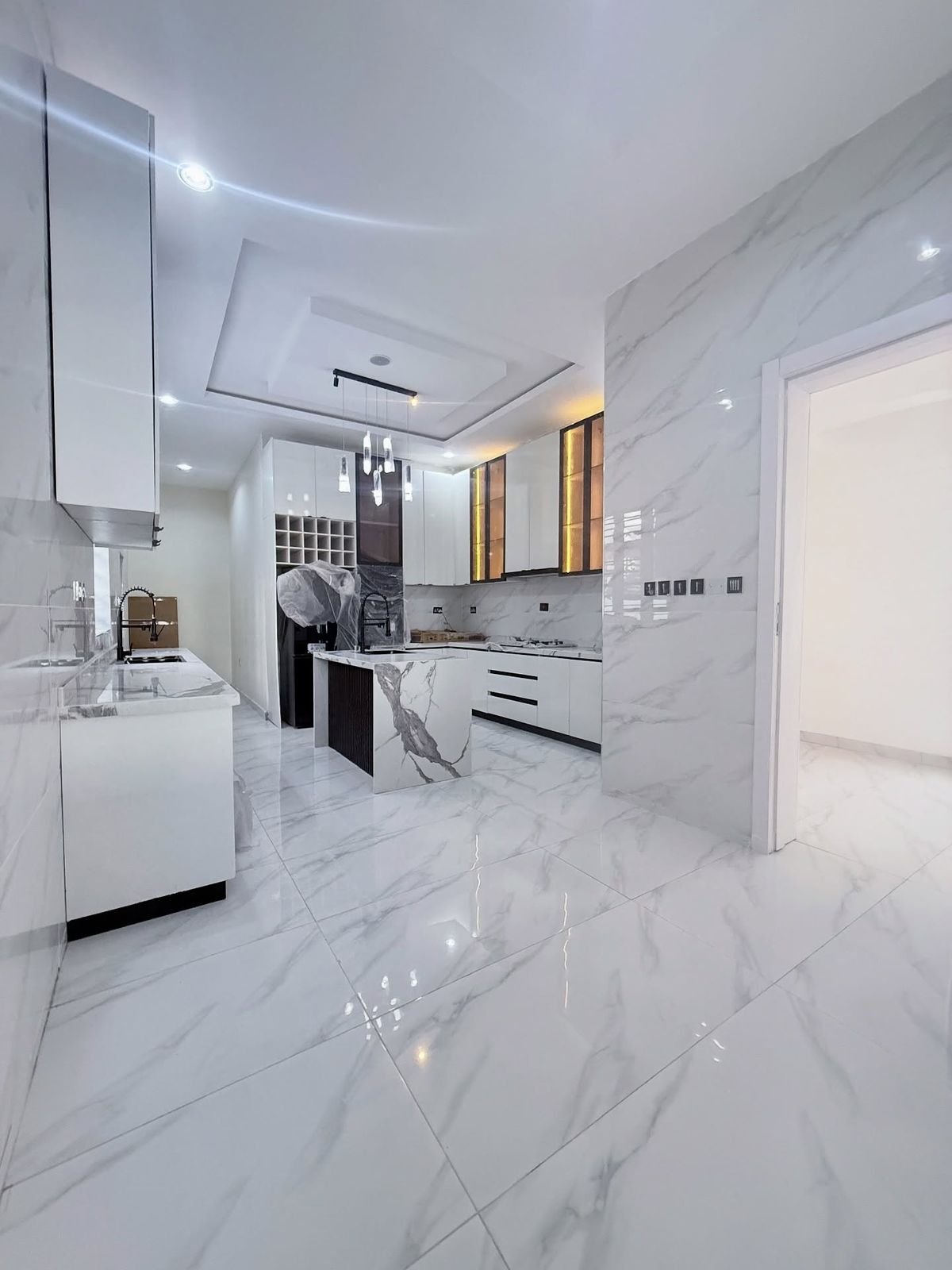
Interior Design for Rental Properties in Kenya
Interior Design for Rental Properties in Kenya: Ideas, Costs and Practical Tips
Interior design for rental properties in Kenya is about creating attractive, comfortable and functional homes that appeal to tenants while remaining affordable to maintain. Whether you own bedsitters, studio apartments, one-bedroom units, family apartments or furnished rental homes, the right design choices can improve the property’s appearance and make it more competitive in the rental market.
A well-designed rental property does not necessarily need expensive furniture, imported finishes or complicated decorations. Instead, it should have durable flooring, practical kitchen cabinets, attractive wall finishes, good lighting, sufficient storage and well-planned spaces.
For landlords and property developers, the main goal is to balance initial investment with long-term maintenance. For tenants, good interior design makes a rental home more comfortable and easier to personalise.
This guide explores practical interior design ideas for rental properties in Kenya, suitable materials, room-by-room improvements, estimated renovation costs and ways to make rental apartments more appealing.
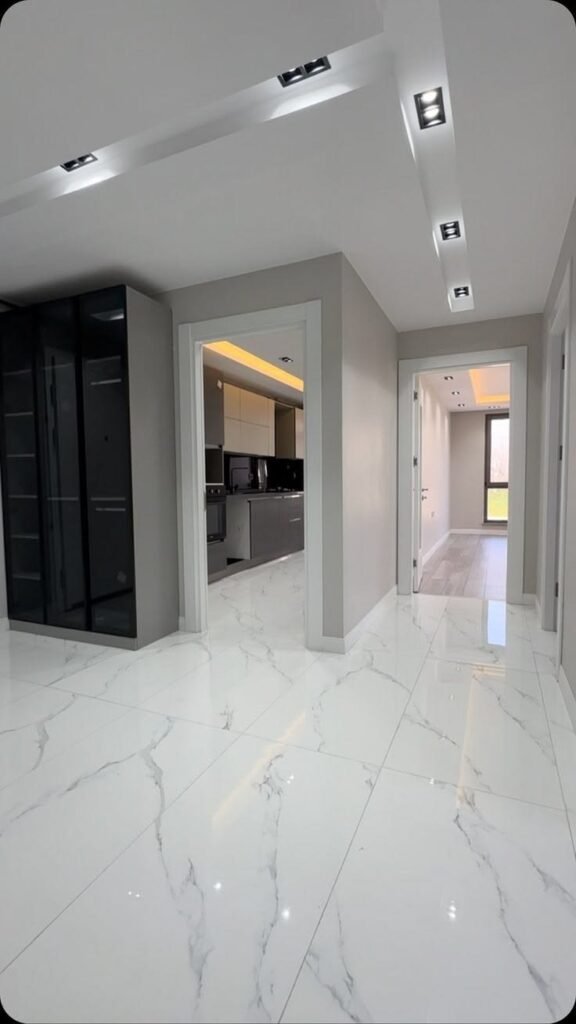
1. Understand Your Target Tenants Before Designing
Before choosing colours, furniture or finishes, identify the type of tenants your property is intended to attract. Different tenants have different space, comfort and budget requirements.
For example:
- Students: Often look for affordable, practical accommodation with functional kitchens, adequate storage and convenient study areas.
- Young professionals: May prefer modern finishes, good lighting, fitted wardrobes and organised living spaces.
- Small families: Need comfortable bedrooms, practical kitchens, durable flooring and sufficient storage.
- Corporate tenants: May value furnished apartments, reliable internet, comfortable workspaces and modern bathrooms.
- Long-term tenants: Usually benefit from durable fittings, easy-to-clean surfaces and functional storage.
The location and rental category also influence your design decisions. A bedsitter in an affordable residential neighbourhood has different requirements from an executive apartment in Kilimani, Westlands or Karen.
Start by answering three questions:
- Who is the ideal tenant for the property?
- What level of rent are you targeting?
- Which improvements will make the property more attractive without exceeding the available budget?
These questions help you avoid spending money on finishes that do not add meaningful value to the rental unit.
2. Choose a Practical Interior Design Style
A consistent interior design style makes a rental property look organised and professionally finished. However, landlords should prioritise timeless designs that appeal to different tenants rather than following short-lived trends.
Modern Minimalist Interior Design
Modern minimalist interiors use simple furniture, clean lines and neutral colours. They are suitable for bedsitters, studio apartments and modern residential units.
Popular features include:
- White, beige and warm grey walls.
- Simple ceiling designs.
- Modern light fittings.
- Built-in storage.
- Minimal decorative accessories.
- Practical kitchen cabinets.
- Clean flooring finishes.
This style helps smaller rental units feel organised and less crowded.
Contemporary Rental Apartment Design
Contemporary interiors combine modern furniture, practical layouts and coordinated finishes.
Consider:
- Modern kitchen cabinets.
- Simple gypsum ceiling details.
- Neutral wall colours.
- Modern bathroom fittings.
- Attractive lighting.
- Functional wardrobes.
- Durable floor tiles.
Contemporary design works well in residential developments targeting young professionals and families.
Scandinavian-Inspired Rental Interiors
Scandinavian design focuses on light colours, natural textures and functional furniture.
Useful features include:
- Light timber finishes.
- White or cream walls.
- Simple furniture.
- Natural lighting.
- Practical storage.
- Neutral curtains.
- Minimal decorations.
This style is particularly useful in apartments with limited natural light or compact living areas.
Warm and Natural Interior Design
Warm interiors combine earthy colours, natural textures and comfortable furniture.
You can introduce this style through:
- Timber-look finishes.
- Warm beige and brown tones.
- Woven accessories.
- Natural-texture fabrics.
- Indoor plants.
- Simple artwork.
- Warm lighting.
It creates a welcoming atmosphere without requiring expensive decorative features.
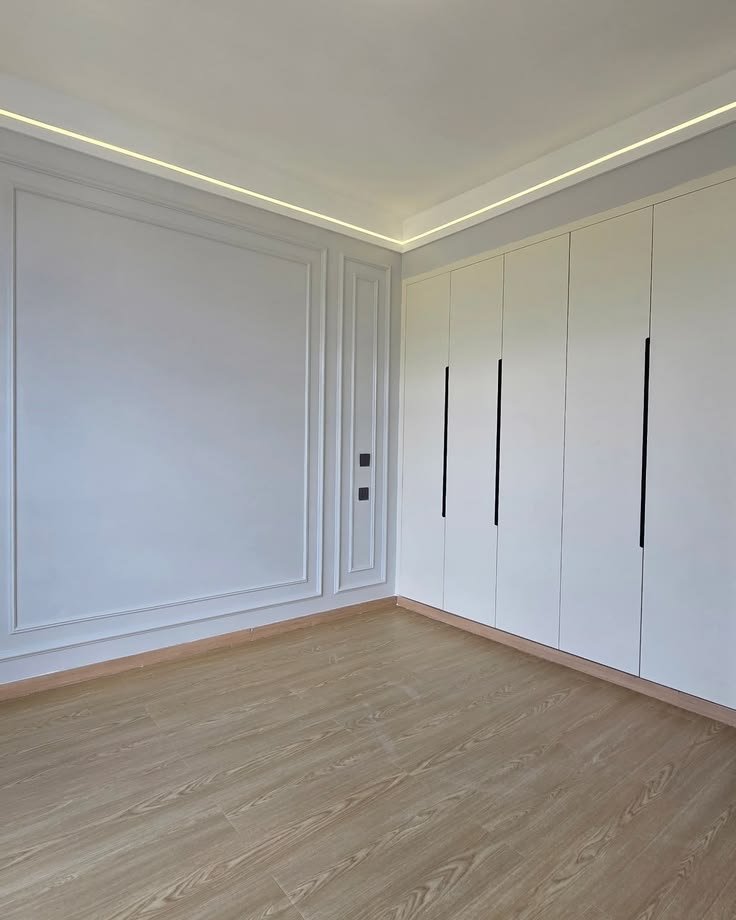
3. Interior Design Ideas for Bedsitters and Studio Apartments
Bedsitters and studio apartments require careful space planning because the bedroom, sitting area and sometimes dining space share one room.
The aim is to create separate functional zones without making the unit feel crowded.
Practical Bedsitter Design Ideas
Use multifunctional furniture: Select furniture that serves more than one purpose, such as a storage bed, compact dining table or sofa bed where appropriate.
Create separate zones: Use furniture placement, rugs or open shelving to distinguish the sleeping area from the sitting space.
Install practical storage: Wall shelves, wardrobes and under-bed storage help reduce clutter.
Choose light colours: White, cream and light grey can make compact spaces feel brighter.
Use mirrors carefully: A well-positioned mirror can reflect light and create a greater sense of space.
Install suitable lighting: Combine general lighting with bedside or task lighting.
Keep the floor area open: Avoid oversized furniture that restricts movement.
For landlords, a simple but well-organised bedsitter can be more appealing than a unit filled with unnecessary decorative features.
4. One-Bedroom Rental Apartment Interior Design
A one-bedroom apartment provides more opportunities to create distinct living, dining and sleeping areas.
The design should make each room functional while maintaining a consistent appearance throughout the property.
Living Room
The living room should accommodate comfortable seating, entertainment and, where space allows, a small dining area.
Consider:
- A compact two- or three-seater sofa.
- A practical coffee table.
- A simple TV unit.
- Attractive curtains.
- Suitable ceiling lighting.
- A small rug.
- A neutral feature wall.
Avoid overcrowding the room with furniture. Leave enough space for movement.
Bedroom
A well-designed bedroom should provide comfort and adequate storage.
Useful features include:
- A practical bed frame.
- A fitted wardrobe.
- Bedside tables.
- Durable flooring.
- Simple curtains or blinds.
- A full-length mirror.
- Neutral wall colours.
For smaller bedrooms, sliding wardrobe doors and floating bedside tables can help save space.
Kitchen
The kitchen should provide sufficient storage, preparation space and convenient access to essential fittings.
Consider:
- Functional lower and upper cabinets.
- Durable countertops.
- Easy-to-clean splashbacks.
- Suitable lighting.
- Practical drawers.
- Proper sink and tap installation.
Bathroom
A clean, modern bathroom can improve the overall impression of a rental apartment.
Focus on:
- Good-quality floor and wall tiles.
- Reliable taps and shower fittings.
- Proper drainage.
- Adequate ventilation.
- A practical mirror.
- Simple storage.
- Moisture-resistant finishes.
5. Two-Bedroom and Three-Bedroom Rental Apartment Design
Larger rental apartments often target families, professionals sharing accommodation and tenants who need additional living space.
The design should balance privacy, storage, comfort and easy maintenance.
Living and Dining Areas
Create a clear arrangement for seating and dining. An open-plan layout can work well where the building design allows it.
Consider:
- A comfortable sofa.
- A practical TV unit.
- A dining table suited to the available space.
- Durable flooring.
- Coordinated curtains.
- Good lighting.
- Simple wall decorations.
Bedroom Design
Each bedroom should provide sufficient space for a bed, wardrobe and other essential furniture.
For the main bedroom, consider a fitted wardrobe and practical bedside storage. Secondary bedrooms can use simpler furniture arrangements while maintaining the same overall design style.
Kitchen Design
A family rental apartment needs a kitchen that supports everyday cooking and storage.
Include:
- Adequate countertop space.
- Durable cabinet finishes.
- Functional drawers.
- Sufficient storage.
- Good ventilation.
- Easy-to-clean surfaces.
Additional Storage
Larger units benefit from well-planned storage in corridors, bedrooms and utility areas. Built-in cabinets can help tenants organise their belongings without filling rooms with freestanding furniture.
6. Choose Durable Flooring for Rental Properties
Flooring is one of the most important interior design decisions for landlords. Rental units experience regular movement, furniture rearrangement and frequent cleaning.
Choose flooring based on durability, water exposure, maintenance and the property’s rental category.
| Flooring type | Suitable applications | Main consideration |
|---|---|---|
| Porcelain tiles | Living rooms, kitchens, bathrooms and corridors | Durable and easy to clean |
| Ceramic tiles | Standard rental apartments | Practical and available in many designs |
| Vinyl flooring | Bedrooms and selected living spaces | Comfortable underfoot and available in different finishes |
| SPC flooring | Modern furnished apartments | Water-resistant construction and maintenance requirements |
| Terrazzo | Selected residential spaces | Hard-wearing surface with suitable installation |
| Laminate flooring | Dry interior spaces | Requires protection from moisture |
For most rental properties, porcelain and ceramic tiles are practical choices, particularly in areas that experience frequent cleaning.
Vinyl and SPC flooring can also work well where the selected product suits the subfloor and intended use.
Avoid choosing flooring based on appearance alone. Check the product specifications, installation requirements and maintenance instructions.
For professional installation, explore Floor Installation Services.
7. Use Neutral and Attractive Wall Colours
Wall colours influence the appearance of rental properties. They can make rooms feel brighter, warmer, larger or more modern.
For landlords, neutral colours are often a practical starting point because they appeal to a broad range of tenants and make future repainting easier.
Popular rental property colour schemes include:
| Colour | Suitable spaces | Design effect |
|---|---|---|
| Warm white | Living rooms and bedrooms | Bright and clean |
| Beige | Living areas and bedrooms | Warm and welcoming |
| Light grey | Modern apartments | Contemporary appearance |
| Greige | Open-plan spaces | Balanced and neutral |
| Soft cream | Bedrooms and lounges | Comfortable and relaxed |
| Muted olive | Selected feature walls | Natural and understated |
Use washable or durable paint finishes where practical, especially in corridors and high-contact areas.
A feature wall can also improve the appearance of a room. However, avoid excessive decorative finishes that may increase repainting and maintenance costs.
8. Modern Kitchen Design for Rental Properties
A functional kitchen is an important feature in any rental apartment. Tenants need sufficient storage, countertop space and practical fittings for everyday cooking.
The design should also make cleaning and maintenance straightforward.
Kitchen Cabinet Design Ideas
Melamine-finished cabinets: These offer a practical option for rental properties because they come in different colours and wood-effect finishes.
MDF cabinets: MDF can provide a smooth finish for modern kitchen designs. It should be properly finished and protected from water exposure.
Plywood cabinets: Suitable grades of plywood can provide a strong cabinet structure when correctly fabricated and installed.
Simple handle designs: Practical handles are easier to replace and maintain than complicated decorative hardware.
Functional drawers: Drawers help organise cutlery, utensils and other kitchen items.
Overhead storage: Upper cabinets make use of available wall space and increase storage capacity.
Kitchen Countertops
Choose countertops that can withstand regular food preparation and cleaning.
Depending on the budget, options include:
- Granite.
- Quartz.
- Solid-surface materials.
- Suitable laminate worktops.
The best choice depends on the rental category, maintenance expectations and available budget.
Avoid poorly protected cabinet edges and joints near sinks because water exposure can damage unsuitable materials.
For more ideas, read our guide to Kitchen Cabinet Designs in Kenya.
9. Bathroom Interior Design for Rental Apartments
Bathrooms should be attractive, easy to clean and resistant to moisture. A practical design can reduce recurring maintenance problems for landlords.
Consider these improvements:
- Install suitable non-slip flooring.
- Use durable wall tiles.
- Provide reliable shower fittings.
- Ensure proper drainage.
- Install adequate ventilation.
- Use moisture-resistant ceiling materials.
- Provide a practical mirror.
- Install towel rails and simple accessories.
- Check waterproofing before completing the finishes.
A floating vanity can create a modern appearance while providing storage. However, it must be securely installed and made from materials suitable for bathroom conditions.
Do not overlook plumbing and waterproofing. Attractive tiles cannot compensate for poor drainage or water leakage.
10. Improve Storage and Space Planning
Storage is important in rental properties because tenants need room for clothes, kitchen items, cleaning supplies and personal belongings.
Good storage also helps keep the apartment organised.
Practical storage ideas include:
- Fitted bedroom wardrobes.
- Kitchen overhead cabinets.
- Under-bed storage.
- Built-in hallway cabinets.
- Floating shelves.
- Bathroom vanity units.
- Utility storage.
- Multi-purpose furniture.
For compact apartments, use vertical space where possible. However, ensure shelves and cabinets are securely installed and do not obstruct movement.
A well-planned storage system can make a small apartment more functional without increasing its floor area.
11. Lighting Design for Rental Properties
Good lighting makes a rental unit more comfortable and improves the appearance of its finishes.
A practical lighting plan should include different types of lighting.
Ambient lighting: Provides general illumination through ceiling lights and other main fixtures.
Task lighting: Supports activities such as cooking, reading and working. Examples include kitchen lights and bedside lamps.
Accent lighting: Highlights selected wall features, artwork or decorative details.
Natural lighting: Makes rooms feel brighter and can reduce the need for artificial lighting during the day.
Choose readily available fittings that are straightforward to maintain or replace.
LED lighting can be a practical option because it offers different colour temperatures and is generally energy-efficient compared with many traditional lighting technologies.
12. Furnished vs Unfurnished Rental Properties
Landlords should decide whether to offer furnished or unfurnished units before purchasing furniture.
Each option has different design, maintenance and operational requirements.
| Feature | Furnished rental | Unfurnished rental |
|---|---|---|
| Furniture | Landlord provides essential furniture | Tenant provides furniture |
| Appliances | May include kitchen and household appliances | Usually limited to fixed fittings |
| Initial investment | Higher | Lower |
| Maintenance | Landlord may handle furniture and appliance repairs | Fewer movable items to maintain |
| Target tenants | Corporate tenants, professionals and some short-term residents | Long-term tenants with their own furniture |
| Interior design focus | Furniture, styling and functional layouts | Durable fixed finishes and practical storage |
Furnished properties require additional attention to furniture quality, appliance maintenance and replacement costs.
Unfurnished apartments should focus on durable fixed elements such as flooring, kitchen cabinets, wardrobes, bathroom fittings, lighting and paint finishes.
For short-term accommodation, see our separate guide on How to Furnish an Airbnb in Kenya.
13. Best Materials for Rental Property Interiors in Kenya
Material selection affects the property’s appearance, maintenance requirements and long-term cost.
Landlords should consider how each material performs under regular use rather than selecting products based only on their initial purchase price.
| Interior element | Practical material options | What to consider |
|---|---|---|
| Walls | Quality interior paint | Washability and repainting |
| Flooring | Porcelain and ceramic tiles | Wear resistance and cleaning |
| Kitchen cabinets | Suitable MDF, plywood or melamine finishes | Moisture protection and hardware |
| Countertops | Granite, quartz or suitable laminate | Durability and maintenance |
| Wardrobes | Melamine, MDF or plywood | Construction and fittings |
| Ceilings | Gypsum boards and suitable ceiling systems | Moisture exposure and access |
| Bathroom fittings | Quality sanitary ware and taps | Availability of replacement parts |
| Doors | Suitable timber or engineered door systems | Strength and maintenance |
| Lighting | Standard, replaceable LED fittings | Availability and energy use |
For rental properties near the coast, material selection should account for humidity and possible salt exposure. In bathrooms and kitchens, moisture protection is particularly important.
14. How Much Does Rental Property Interior Design Cost in Kenya?
The cost of interior design for rental properties in Kenya depends on the apartment size, existing condition, materials, labour and level of improvement required.
A simple cosmetic refresh costs less than a complete renovation involving new flooring, kitchen cabinets, wardrobes, ceilings, lighting and bathroom fittings.
The following figures are indicative planning ranges for residential projects. Actual quotations vary by location, specifications and project scope.
Estimated Rental Apartment Renovation Costs
| Renovation level | One-bedroom apartment | Two-bedroom apartment |
|---|---|---|
| Cosmetic refresh: repainting, minor repairs and selected fittings | KES 150,000–350,000 | KES 250,000–500,000 |
| Mid-level renovation: kitchen improvements, selected bathroom works, ceilings and lighting | KES 600,000–1,400,000 | KES 900,000–2,200,000 |
| Full renovation: flooring, kitchen, bathroom, wardrobes and other major improvements | KES 1,500,000–3,500,000 | KES 2,200,000–5,000,000 |
These are broad planning estimates, not fixed SUIMAS quotations. They reflect indicative renovation ranges reported for Nairobi projects. A property outside Nairobi may have different transport, labour and material costs.
What Influences Rental Property Interior Design Costs?
1. Size of the property
Larger apartments generally require more materials, labour and installation time.
2. Existing condition
A property that only needs painting and minor repairs will cost less to improve than one with damaged flooring, outdated bathrooms or faulty fittings.
3. Quality of materials
Basic, mid-range and premium materials have different purchase and installation costs.
4. Kitchen and wardrobe requirements
Custom kitchen cabinets, countertops and fitted wardrobes can form a significant part of the renovation budget.
5. Bathroom improvements
Replacing tiles, sanitary ware, plumbing fittings and shower enclosures can increase project costs.
6. Ceiling and lighting design
Simple ceiling designs and standard lighting are generally more economical than complex decorative installations.
7. Labour and project location
Installation costs, transport and material availability vary between locations.
How to Budget for Rental Property Improvements
Divide the project into three categories:
- Essential repairs: Plumbing problems, electrical faults, damaged doors, leaking roofs, broken fittings and dampness.
- Value-adding improvements: Fresh paint, improved lighting, kitchen upgrades, durable flooring and better storage.
- Optional upgrades: Decorative wall panels, premium lighting, feature ceilings and additional styling.
Complete essential repairs first. Then prioritise improvements that make the property more functional and attractive.
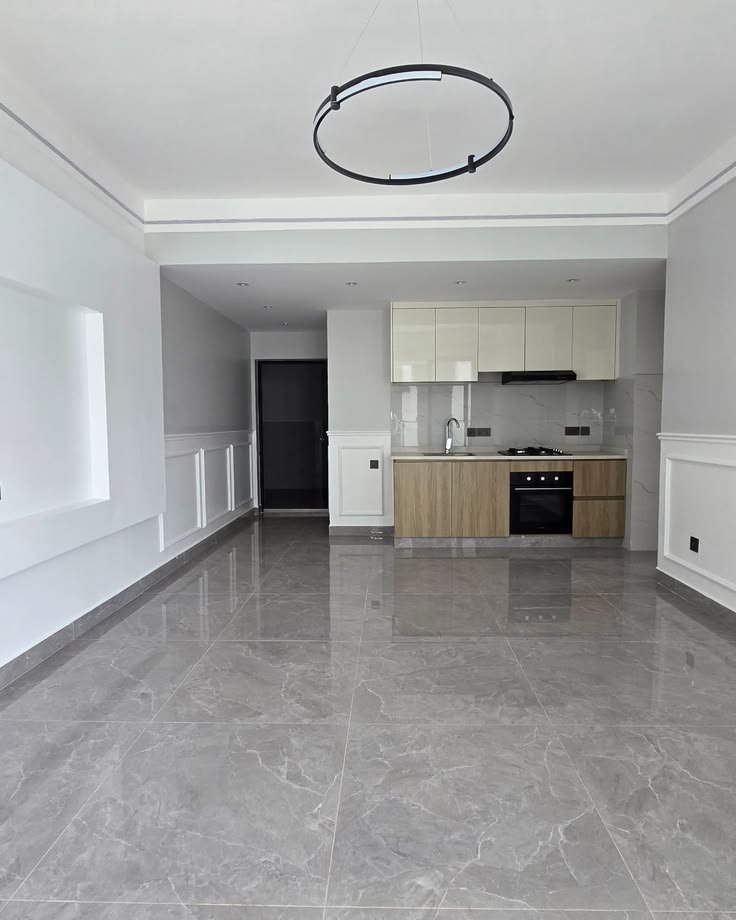
15. How to Renovate a Rental Property on a Budget
Landlords do not need to renovate every part of a rental apartment at once. A phased approach can help manage costs while improving the property’s condition.
Use these practical ideas:
1. Repaint the walls
Fresh paint can make an apartment look cleaner and more welcoming. Choose neutral colours that are easy to maintain.
2. Repair existing flooring
If the existing tiles are in good condition, cleaning, regrouting and replacing damaged sections may be more economical than installing a new floor.
3. Upgrade kitchen hardware
Replacing damaged handles, hinges and selected cabinet fittings can improve an older kitchen without requiring complete replacement.
4. Improve lighting
Replace faulty fittings and use suitable LED lights to improve illumination.
5. Repair bathroom fittings
Address leaking taps, damaged shower fittings and drainage problems before investing in decorative accessories.
6. Improve storage
Install practical shelves, wardrobes or cabinets where the property lacks sufficient storage.
7. Focus on visible improvements
The entrance, living room, kitchen and bathroom are useful starting points because they strongly influence the overall impression of the property.
8. Keep a maintenance reserve
Set aside part of the budget for unexpected repairs and future replacements.
The best budget renovation is one that solves existing problems and improves the property’s usability without introducing unnecessary maintenance requirements.
16. Common Interior Design Mistakes Landlords Should Avoid
Poor design decisions can increase maintenance costs and make rental units less comfortable.
Avoid these mistakes:
- Choosing finishes based only on appearance: Attractive materials may not withstand regular use.
- Overinvesting in luxury features: Expensive finishes may not be justified by the property’s rental category.
- Ignoring ventilation: Poor ventilation can contribute to dampness and unpleasant indoor conditions.
- Using unsuitable kitchen materials: Water exposure can damage poorly protected cabinet boards.
- Installing complicated lighting: Special fittings may be difficult or expensive to replace.
- Ignoring storage: Lack of storage makes apartments harder to organise.
- Overcrowding rooms: Oversized furniture reduces usable space.
- Ignoring plumbing and electrical faults: Decorative improvements should not cover up underlying problems.
- Using very delicate finishes: High-maintenance surfaces can increase recurring costs.
- Failing to plan for future repairs: Select materials and fittings with replacement parts that are reasonably accessible.
A good rental interior should remain practical after several tenant changes, not just look attractive immediately after renovation.
17. Interior Design Considerations for Rental Property Owners and Tenants
Landlords and tenants have different responsibilities when it comes to improving rental properties.
For Landlords
Focus on fixed improvements that support long-term property performance.
These may include:
- Durable flooring.
- Functional kitchen cabinets.
- Fitted wardrobes.
- Quality bathroom fittings.
- Neutral paint finishes.
- Good lighting.
- Secure doors and windows.
- Proper ventilation.
- Easy-to-maintain common areas.
Before making major upgrades, consider the rental category and expected tenant requirements.
For Tenants
Tenants can improve their living environment through furniture, curtains, rugs, lighting and removable decorative accessories.
However, they should review the tenancy agreement and seek the landlord’s written approval before making permanent changes such as repainting, drilling, installing built-in cabinets or modifying electrical and plumbing fittings.
Portable furniture and removable accessories are often more suitable where permanent alterations are not permitted.
The distinction is important because improvements made without permission may create disagreements or additional restoration costs when the tenancy ends.
18. The Rental Property Interior Design Process
A structured design and renovation process helps landlords plan their budgets and achieve consistent results.
At SUIMAS Interiors, a rental property project can follow these stages:
Step 1: Property assessment
Review the apartment’s size, condition, layout, existing finishes and areas that require improvement.
Step 2: Understand the rental market
Identify the intended tenant category, rental level and property requirements.
Step 3: Space planning
Review furniture arrangements, circulation, storage, kitchen layouts and room functionality.
Step 4: Design concept development
Select the colour palette, materials, lighting approach and interior style.
Step 5: 3D visualisation
Prepare 3D designs where required to help the property owner understand the proposed improvements before implementation.
Step 6: Material selection and budgeting
Choose suitable finishes, fittings, furniture and installation requirements. Prepare an itemised project quotation.
Step 7: Renovation and installation
Carry out the approved works, which may include painting, flooring, ceilings, kitchen cabinets, wardrobes, lighting and bathroom improvements.
Step 8: Inspection and handover
Inspect the completed work, address outstanding items and prepare the property for occupation.
For landlords with several rental units, a standard design and material specification can also help maintain consistency across the development.
Why Choose SUIMAS Interiors for Rental Property Interior Design in Kenya?
Rental properties require a practical design approach that balances appearance, durability, functionality and cost.
SUIMAS Interiors provides residential interior design and fit-out solutions for apartments, rental homes, furnished properties and residential developments across Kenya.
With more than 18 years of experience and an in-house team, SUIMAS can help property owners plan improvements according to their property’s condition, intended tenants and available budget.
Our services include:
- Rental apartment interior design.
- Bedsitter and studio apartment design.
- One-bedroom and family apartment interiors.
- Kitchen cabinet design and installation.
- Bedroom wardrobe design.
- Flooring installation.
- Gypsum ceiling installation.
- Painting and wall finishes.
- Bathroom interior improvements.
- Custom furniture and joinery.
- 3D designs and space planning.
- Residential renovation and fit-out services.
Whether you are improving one apartment or planning the interiors of several rental units, professional planning can help you select appropriate materials, coordinate installations and manage the available budget.
Contact SUIMAS for Rental Property Interior Design Services in Kenya
Are you a landlord, property developer or investor looking to improve your rental apartments?
SUIMAS Interiors can help you plan and implement practical interior improvements for bedsitters, studio apartments, one-bedroom units and larger residential properties.
Contact our team to discuss your property, arrange an assessment and request a quotation.
SUIMAS Interiors
- Phone: 0717 044 443 / 0739 255 050 / 0725 021 709
- Email: info@suimas.co.ke
- Location: Nairobi CBD
- Website: https://suimas.co.ke/
Related Interior Design Services
Explore other services that can support your rental property renovation or improvement project:
- Residential Interior Design in Kenya
- Kitchen Cabinet Designs in Kenya
- Bedroom Wardrobe Designs in Kenya
- 3D Designs and Layout Planning
- Floor Installation Services
- Gypsum Ceiling Installation Services
- Building and Construction Services
- Renovating a Rental Unit on a Budget
Areas We Serve Across Kenya
SUIMAS Interiors provides interior design and fit-out services across all 47 counties in Kenya.
Coast Region: Mombasa, Kwale, Kilifi, Tana River, Lamu and Taita-Taveta.
North Eastern Region: Garissa, Wajir and Mandera.
Eastern Region: Marsabit, Isiolo, Meru, Tharaka-Nithi, Embu, Kitui, Machakos and Makueni.
Central Region: Nyandarua, Nyeri, Kirinyaga, Murang’a and Kiambu.
Rift Valley Region: Turkana, West Pokot, Samburu, Trans Nzoia, Uasin Gishu, Elgeyo-Marakwet, Nandi, Baringo, Laikipia, Nakuru, Narok, Kajiado, Kericho and Bomet.
Western Region: Kakamega, Vihiga, Bungoma and Busia.
Nyanza Region: Siaya, Kisumu, Homa Bay, Migori, Kisii and Nyamira.
Nairobi Region: Nairobi CBD, Westlands, Upper Hill, Kilimani, Kileleshwa, Lavington, Parklands, Karen, Runda, Gigiri, Riverside, South C, South B, Embakasi, Industrial Area and Lang’ata.
Mombasa Areas: Mombasa CBD, Nyali, Bamburi, Tudor, Kizingo, Changamwe, Likoni, Shanzu and Mtwapa.
Frequently Asked Questions About Interior Design for Rental Properties in Kenya
1. What is the best interior design style for rental properties in Kenya?
Modern minimalist and contemporary designs are practical options. They use simple furniture, neutral colours, functional layouts and easy-to-maintain finishes that appeal to a broad range of tenants.
2. How can I make my rental apartment look modern?
Start with fresh neutral paint, attractive lighting, suitable flooring, modern kitchen cabinets and practical storage. You can also improve the living room and bedrooms with coordinated furniture and simple decorative details.
3. Which flooring is best for rental apartments?
Porcelain and ceramic tiles are practical choices for many rental apartments because they are durable and easy to clean. Vinyl and SPC flooring can also be suitable depending on the product specification and room conditions.
4. What colours are best for rental properties?
Warm white, beige, light grey, cream and greige are popular choices. These colours create a neutral background that tenants can personalise with their own furniture and accessories.
5. Is it worth renovating a rental property?
Renovation can improve the property’s condition, appearance and functionality. However, landlords should assess the cost of improvements against the target rental market and avoid spending heavily on upgrades that are unlikely to provide meaningful value.
6. How much does it cost to renovate a rental apartment in Kenya?
The cost depends on the size and condition of the property. A cosmetic refresh may cost a few hundred thousand shillings, while a full renovation involving flooring, kitchens, bathrooms and wardrobes can cost several million shillings.
7. Should landlords furnish rental apartments?
It depends on the intended tenants and rental model. Furnished units may suit corporate tenants and some professionals, while unfurnished apartments may suit long-term tenants who already own furniture.
8. How can I reduce maintenance costs in rental properties?
Use durable materials, quality fittings, practical flooring and easy-to-clean surfaces. Address plumbing, electrical and moisture problems early, and choose standard fittings that are easier to replace.
9. Can interior design improve the appeal of rental apartments?
Yes. Good space planning, attractive finishes, practical storage and suitable lighting can improve the appearance and functionality of a rental property. The final impact also depends on location, property condition and tenant demand.
10. Does SUIMAS offer interior design services for rental properties?
SUIMAS provides residential interior design, renovation and fit-out services. The project can include space planning, 3D designs, kitchen cabinets, wardrobes, flooring, ceilings, painting and other interior improvements.