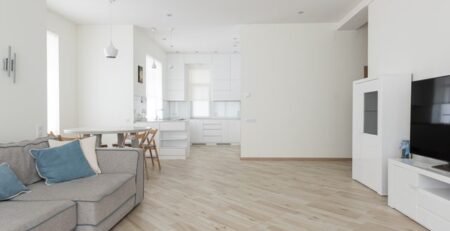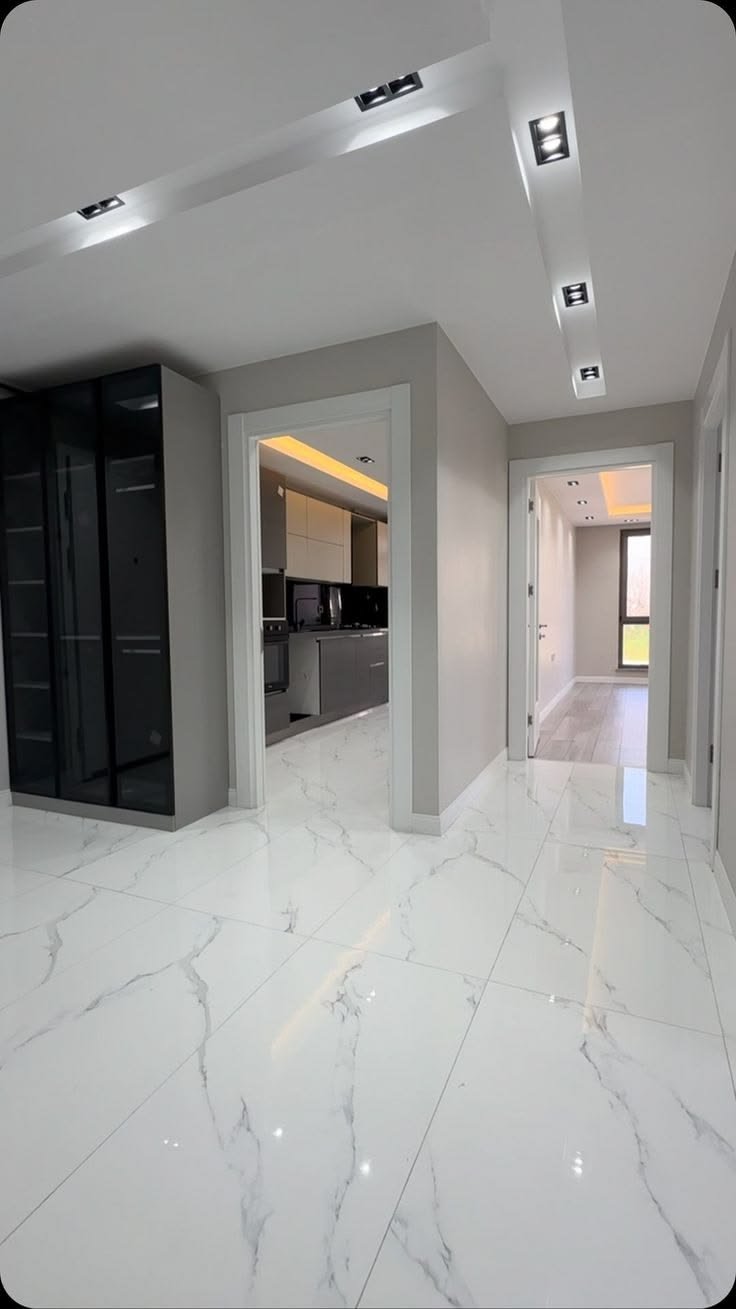
How long does house renovation take in Kenya
How Long Does House Renovation Take in Kenya? Timeline, Stages and Factors That Cause Delays
House renovation is an important investment that can improve your home’s comfort, functionality, appearance and value. However, before starting the project, one of the first questions most homeowners ask is: How long does house renovation take in Kenya?
The answer depends on the size of your property, the condition of the existing building, the type of renovation, material availability and the complexity of the work. A simple room makeover may take one to two weeks, while a complete renovation of a bungalow or villa can take several months.
For example, renovating a bedroom is usually quicker than upgrading an entire house with new flooring, kitchen cabinets, bathrooms, ceilings, electrical installations and plumbing systems. Similarly, structural changes require more planning and coordination than cosmetic improvements such as painting and replacing floor finishes.
At SUIMAS Interior Designers, we help homeowners plan and execute renovation projects through professional design, material selection, project coordination, installation and finishing. This guide explains realistic house renovation timelines in Kenya, the different stages involved, common causes of delays and how to complete your project efficiently.

How Long Does House Renovation Take in Kenya?
A house renovation in Kenya can take anywhere from one week to several months, depending on the scope of work. Small improvements generally require less time, while complete renovations involving several rooms, technical installations and structural changes take longer.
The following table provides estimated timelines for common residential renovation projects.
| Type of Renovation | Estimated Duration |
|---|---|
| Single-room renovation | 1–2 weeks |
| Bedroom renovation | 1–2 weeks |
| Living room renovation | 1–2 weeks |
| Bathroom renovation | 1–3 weeks |
| Kitchen renovation | 2–4 weeks |
| Small apartment renovation | 4–8 weeks |
| Three-bedroom house renovation | 6–12 weeks |
| Full bungalow renovation | 8–16 weeks |
| Coastal home or luxury villa renovation | 10–20 weeks or more |
These are planning estimates rather than guaranteed completion dates. A project involving extensive structural work, imported finishes, custom-made furniture or major plumbing changes may take longer.
The best way to establish an accurate timeline is to arrange a professional site assessment and prepare a detailed renovation schedule before work begins.
How Long Does It Take to Renovate Different Types of Houses?
The size and layout of your property influence the time required to complete renovation work. Below is a closer look at the expected timelines for different homes in Kenya.
1. Bedsitter and Studio Apartment Renovation
A bedsitter or studio apartment is generally quicker to renovate because it has fewer rooms and a smaller floor area.
A basic makeover may take one to two weeks, depending on the work involved.
Common renovation activities include:
- Repainting walls and ceilings.
- Replacing damaged floor finishes.
- Installing new lighting fixtures.
- Updating kitchen cabinets and storage.
- Improving bathroom fittings.
- Installing shelves and space-saving furniture.
- Adding decorative wall finishes.
However, a complete renovation involving new plumbing, electrical installations, bathroom waterproofing and custom cabinetry may take longer.
2. One-Bedroom Apartment Renovation
A one-bedroom apartment renovation may take approximately three to six weeks for a moderate project. A simpler refresh can take less time, while a complete interior upgrade may require additional weeks.
Typical activities include:
- Living room painting and flooring.
- Bedroom wardrobe installation.
- Kitchen cabinet replacement.
- Bathroom renovation.
- Ceiling improvements.
- Lighting upgrades.
- Interior doors and fittings.
- Window treatments and finishing.
The timeline also depends on whether the apartment remains occupied during the renovation. Working around existing furniture and household activities can affect productivity.
3. Two-Bedroom House Renovation
A two-bedroom house renovation may take approximately four to eight weeks, depending on the number of rooms involved and the condition of the property.
The project may include:
- Replacing flooring throughout the house.
- Renovating the kitchen.
- Upgrading bathroom fittings and tiles.
- Installing fitted wardrobes.
- Improving ceiling designs.
- Repainting interior and exterior walls.
- Updating lighting and electrical fittings.
- Improving storage and room layouts.
A project that focuses on painting, flooring and cabinetry will usually take less time than one involving major plumbing or structural changes.
4. Three-Bedroom House Renovation
A three-bedroom house renovation can take approximately six to twelve weeks, depending on the project scope.
A medium-scope renovation involving the kitchen, bathrooms, flooring, ceilings, painting and selected cabinetry may take around six to ten weeks. However, a more extensive project can take longer.
The renovation may involve:
- Updating the living and dining areas.
- Installing modern kitchen cabinets.
- Renovating the master bathroom.
- Upgrading other bathrooms.
- Installing bedroom wardrobes.
- Replacing old floor finishes.
- Adding gypsum ceilings.
- Improving lighting and ventilation.
- Repainting interior and exterior surfaces.
For a three-bedroom home, proper coordination is particularly important because several activities may need to happen in sequence. For example, electrical and plumbing work should be completed before final ceiling installation, painting and decorative finishing.
5. Four- and Five-Bedroom House Renovation
A four- or five-bedroom house may require approximately eight to sixteen weeks for a substantial renovation.
The actual timeline depends on the property’s floor area, number of bathrooms, kitchen design, existing condition and amount of construction work required.
Larger homes may also require additional time for:
- Multiple bathroom upgrades.
- Custom kitchen and wardrobe fabrication.
- Staircase improvements.
- Large living and dining areas.
- Ceiling and lighting installations.
- Exterior painting and repairs.
- Flooring across several rooms.
- Additional storage and fitted furniture.
A detailed work schedule helps ensure that the different teams complete their activities in the correct order.
6. Bungalow and Maisonette Renovation
A full bungalow renovation may take approximately eight to sixteen weeks. A maisonette can require a similar or longer period depending on its size, number of floors and renovation requirements.
Projects involving structural alterations, staircases, multiple bathrooms, kitchen remodelling and exterior improvements require careful planning.
Where the renovation includes major building changes, the project team should establish the necessary technical requirements and approvals before construction starts.
7. Luxury Villa and Coastal Home Renovation
A luxury villa or coastal property renovation may take ten to twenty weeks or longer.
These projects often involve custom finishes, imported materials, specialist installations, extensive outdoor improvements and bespoke furniture.
The timeline may increase when the project includes:
- Custom-designed kitchens.
- Premium bathroom installations.
- Walk-in wardrobes.
- Large glass installations.
- Decorative ceilings and lighting.
- Swimming pool surroundings.
- Outdoor entertainment spaces.
- Imported furniture and finishing materials.
- Extensive landscaping.
Material lead times and specialist workmanship are important considerations when planning a luxury renovation.
How Long Does Each House Renovation Activity Take?
A renovation project involves several activities, and each has its own estimated duration. Some activities can run simultaneously, while others must be completed before the next stage begins.
| Renovation Activity | Estimated Duration |
|---|---|
| Site inspection and measurements | 1–3 days |
| Design and space planning | 3–10 working days |
| Material selection and procurement | 3 days–3 weeks |
| Demolition and removal | 2–7 days |
| Structural repairs | 1–3 weeks or more |
| Plumbing installations | 2–7 days |
| Electrical installations | 2–7 days |
| Gypsum ceiling installation | 3–7 days |
| Flooring installation | 3–10 days |
| Kitchen cabinet installation | 3–10 days |
| Wardrobe installation | 2–7 days |
| Bathroom finishing | 1–3 weeks |
| Painting | 3–7 days |
| Final inspection and handover | 1–3 days |
These durations vary according to the size of the area, the number of workers, material availability and the complexity of the installation.
For example, installing flooring in a small apartment takes less time than completing the same work across a large bungalow. Similarly, custom kitchen cabinets require fabrication before installation, so the overall kitchen renovation timeline should include both activities.
What Are the Main Stages of a House Renovation Project?
Understanding the renovation process helps you prepare for each activity and know what to expect before work begins.
At SUIMAS, a structured renovation process helps coordinate design, materials, workmanship and project delivery.
1. Initial Consultation and Project Brief
The first stage involves discussing your renovation requirements, preferred design style, budget and expected completion date.
During this stage, you should explain:
- Which rooms need renovation.
- Whether you want a complete or partial renovation.
- Your preferred materials and finishes.
- Any existing problems in the house.
- Your budget expectations.
- Whether you will occupy the property during the work.
Clear requirements help the renovation team understand the project before preparing a detailed plan.
2. Site Visit and Property Assessment
The renovation team visits the property to inspect its condition and take measurements.
This assessment helps identify damaged surfaces, plumbing concerns, electrical requirements, space limitations and possible structural issues.
A site visit also helps determine whether the proposed renovation can proceed as planned or requires additional technical assessments.
3. Interior Design and Space Planning
Once the site assessment is complete, the design team develops a renovation concept that reflects your needs and preferences.
This may include:
- Room layouts.
- Kitchen cabinet designs.
- Wardrobe layouts.
- Ceiling designs.
- Lighting plans.
- Bathroom layouts.
- Flooring and wall finishes.
- Colour combinations.
- Furniture arrangements.
For more complex projects, 3D designs help you understand how the renovated space may look before installation begins.
Explore our 3D design and layout planning services.
4. Quotation and Bill of Quantities
After confirming the project scope and design, the renovation team prepares a detailed quotation.
A Bill of Quantities (BOQ) helps break down the required work, materials, quantities and associated costs.
Before approving the quotation, confirm:
- The work included in the project.
- The materials and their specifications.
- Labour and installation costs.
- Any exclusions.
- Payment milestones.
- Estimated completion date.
- How additional work or design changes will be handled.
A detailed quotation reduces misunderstandings and makes it easier to manage the renovation budget.
5. Material Selection and Procurement
The next stage involves selecting and purchasing the materials required for the project.
These may include tiles, flooring, paint, gypsum boards, kitchen cabinets, bathroom fittings, lighting fixtures, glass, aluminium profiles and other finishing materials.
Selecting materials early helps reduce interruptions once construction begins.
For custom-made items such as kitchen cabinets and wardrobes, fabrication should start as soon as the designs and specifications are approved.
6. Demolition and Preparation
Where necessary, the team removes old fittings, damaged flooring, cabinets, ceilings, tiles and other materials that need replacement.
The work area is then prepared for new installations.
Proper waste management and protection of areas not being renovated help maintain a safe and organised working environment.
7. Construction, Repairs and Installations
This is usually one of the most active stages of the renovation.
Depending on the project, it may involve:
- Structural repairs.
- Plumbing and drainage improvements.
- Electrical installations.
- Partitioning.
- Ceiling installation.
- Floor preparation.
- Cabinet installation.
- Door and window improvements.
- Bathroom waterproofing and tiling.
The activities should follow an approved sequence to avoid damaging completed work or repeating installations.
8. Finishing and Interior Styling
Once the main construction and installation activities are complete, the team proceeds with finishing.
This stage may include painting, decorative wall finishes, lighting installation, fitting accessories, installing mirrors and completing final furniture arrangements.
The finishing stage gives the renovated home its final appearance.
9. Quality Inspection and Handover
Before handover, the renovation team inspects the completed work against the agreed project scope.
The inspection may cover:
- Flooring and tile alignment.
- Paint quality.
- Cabinet doors and drawers.
- Electrical fittings.
- Plumbing fixtures.
- Ceiling finishes.
- Doors and windows.
- General workmanship.
Any outstanding items should be recorded and addressed before final acceptance.
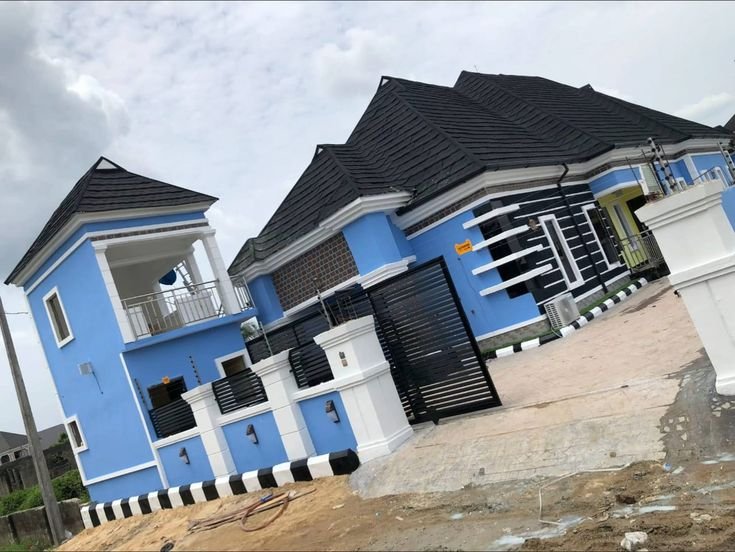
What Factors Affect House Renovation Timelines in Kenya?
Even with a clear schedule, some renovation projects take longer than expected. Understanding the common causes of delays helps you plan realistically.
1. Size of the Property
Larger homes generally require more labour, materials and installation time.
Renovating a bedsitter is different from renovating a five-bedroom house with several bathrooms, a large kitchen and extensive living areas.
The larger the renovation area, the more important proper project coordination becomes.
2. Scope of Renovation Work
The type of renovation has a direct impact on the completion date.
For instance, painting and replacing curtains require less time than removing walls, changing plumbing systems or installing new electrical wiring.
A cosmetic renovation is generally quicker than a complete renovation involving several technical and construction activities.
3. Existing Condition of the House
An older property may have hidden problems that become visible after demolition begins.
These may include:
- Water leaks.
- Damaged plumbing.
- Electrical faults.
- Uneven floors.
- Cracked surfaces.
- Dampness.
- Roof leaks.
- Deteriorated wall finishes.
If the team discovers additional problems, the project may require extra repairs and time.
4. Availability of Materials
Material shortages and delayed deliveries can interrupt renovation work.
Some products are readily available in local hardware stores, while custom finishes, specialised fittings and imported products may require longer procurement periods.
To minimise delays, select materials and confirm availability before the installation stage.
5. Custom Furniture and Cabinetry
Custom kitchen cabinets, wardrobes, reception units and other fitted furniture require design approval, measurements, fabrication and installation.
Late design changes can affect fabrication schedules and delay other activities.
Approve the designs early and confirm the measurements before production begins.
6. Structural Changes and Technical Work
Removing walls, modifying openings, extending rooms and changing building layouts require additional planning.
Depending on the proposed changes, the project may need input from qualified professionals and approvals from the relevant county authorities.
These requirements should be addressed before construction starts.
7. Weather Conditions
Weather can affect renovation activities, particularly exterior painting, roofing, waterproofing, drainage improvements and outdoor construction.
Heavy rainfall may interrupt work where materials or work areas are exposed.
A realistic schedule should account for weather-sensitive activities.
8. Changes During Construction
Changing materials, colours, layouts or specifications after work has started can affect the project schedule.
For example, changing a kitchen cabinet design after fabrication begins may require additional production time.
Finalise the major design decisions before construction to reduce unnecessary changes.
9. Poor Project Coordination
When different contractors work without proper coordination, some activities may overlap incorrectly or delay one another.
For example, installing a ceiling before completing the required electrical work may result in rework.
A clear work schedule and professional supervision help maintain the correct sequence.
How Can You Complete Your House Renovation Faster?
Finishing a renovation quickly does not mean rushing workmanship or compromising on material quality. Instead, the goal should be to reduce avoidable delays through proper planning.
Consider the following practical tips.
1. Prepare a Clear Renovation Plan
Decide which areas need renovation and identify the work required in each room.
A clear plan helps the contractor estimate the materials, labour and time required.
2. Set a Realistic Budget
Your budget should cover the agreed renovation scope, materials, labour, transport and other project requirements.
It is also advisable to maintain a contingency allowance for unexpected repairs or changes.
3. Approve Designs Early
Finalise the kitchen layout, wardrobes, ceiling designs, flooring and other custom installations before production begins.
Early approvals help the team order materials and schedule fabrication.
4. Purchase Materials on Time
Confirm material specifications, quantities and delivery dates before the relevant installation stage.
Avoid waiting until workers are ready to install a product before arranging its purchase.
5. Work With an Experienced Renovation Team
A coordinated team can manage design, technical work, installations and finishing more effectively.
It also helps reduce confusion when several activities need to happen within the same period.
6. Avoid Unnecessary Design Changes
Changes during construction can increase costs and extend the completion date.
If you need to adjust the design, discuss the effect on cost and timing before approving the change.
7. Schedule Activities in the Correct Order
Complete structural, plumbing and electrical work before closing ceilings and installing final finishes.
Similarly, protect completed flooring and cabinets while other work continues.
8. Maintain Regular Communication
Regular updates help homeowners understand progress and make decisions when necessary.
Discuss any emerging challenges early so the project team can agree on practical solutions.
Can You Live in Your House During Renovation?
Yes, you can sometimes remain in your home during renovation, especially when the work is limited to one room or a small section of the property.
However, staying in the house may not be practical for extensive renovations.
Your decision should depend on the type of work, safety requirements and access to essential facilities.
You may remain in the house when:
- Only one bedroom is being renovated.
- Painting is limited to selected rooms.
- Work areas can be separated safely.
- The kitchen and bathroom remain usable.
- Noise and dust can be managed.
Temporary relocation may be advisable when:
- Several rooms are being renovated simultaneously.
- The kitchen is unavailable for an extended period.
- The only bathroom is under renovation.
- Major electrical or plumbing work is taking place.
- Structural alterations affect occupied areas.
- Construction dust and noise make the home unsuitable for daily activities.
If you intend to remain in the property, discuss phased renovation with your contractor. This allows selected rooms to be completed before work moves to other areas, where practical.

How Much Does House Renovation Cost in Kenya?
The cost of house renovation in Kenya depends on the size of the property, existing condition, materials, labour and complexity of the project.
A small room makeover will cost less than a complete renovation involving the kitchen, bathrooms, flooring, ceilings, plumbing and electrical installations.
The following table provides indicative renovation budgets for planning purposes.
| Renovation Type | Estimated Cost (KES) |
|---|---|
| Single-room renovation | 50,000–200,000 |
| Bedroom renovation | 80,000–450,000+ |
| Living room renovation | 100,000–600,000+ |
| Bathroom renovation | 150,000–1,000,000+ |
| Kitchen renovation | 300,000–2,500,000+ |
| Full apartment renovation | 400,000–2,000,000+ |
| Full bungalow renovation | 800,000–5,000,000+ |
| Coastal or villa renovation | 1,500,000–8,000,000+ |
These figures are broad planning estimates, not fixed quotations. The final cost depends on the actual measurements, materials, specifications and work required.
For a more accurate budget, arrange a site assessment and request an itemised quotation.
You can also explore our guide on the cost of full house interiors in Kenya.
What Can Increase House Renovation Costs?
Several factors can increase the total renovation budget.
Property size: Larger properties require more materials and labour.
Material quality: Premium tiles, imported fittings, natural stone and custom finishes generally cost more than standard alternatives.
Structural repairs: Additional building work can increase labour, material and professional assessment costs.
Kitchen and bathroom specifications: Custom cabinetry, countertops, sanitaryware, shower fittings and specialist installations influence the final price.
Electrical and plumbing upgrades: Replacing old systems or changing service points adds to the project cost.
Custom furniture: Fitted wardrobes, kitchen cabinets and bespoke storage units require additional design and fabrication.
Project location: Transport, mobilisation and material delivery requirements may affect the cost of projects outside Nairobi.
Should You Renovate Your House All at Once or in Phases?
The best approach depends on your budget, the condition of the property and how quickly you want to complete the renovation.
Complete House Renovation
A complete renovation involves upgrading several areas of the property within one coordinated project.
It may be suitable when:
- The entire house needs improvement.
- You want a consistent interior design.
- Several systems require repairs.
- You have an approved budget for the complete project.
- You can arrange alternative accommodation if necessary.
The advantage is that the renovation team can coordinate the work under one project schedule.
Phased House Renovation
A phased renovation involves completing selected areas at different times.
For example, you can start with the kitchen and bathrooms, then renovate the living room and bedrooms later.
This approach may be suitable when:
- You have a limited renovation budget.
- You want to remain in the property.
- Some rooms need urgent attention.
- You prefer to spread the project cost over time.
However, even when renovating in phases, it is advisable to prepare an overall design plan. This helps maintain consistency in flooring, colours, finishes and interior style.
Example of a 10-Week House Renovation Schedule
A medium-scope renovation of a three-bedroom house may follow a schedule similar to the one below.
| Project Stage | Estimated Period |
|---|---|
| Consultation and site assessment | Before construction |
| Design, quotation and approvals | Weeks 1–2 |
| Material selection and procurement | Weeks 2–3 |
| Demolition and preparation | Week 3 |
| Structural repairs and service installations | Weeks 4–5 |
| Ceiling and flooring installations | Weeks 6–7 |
| Kitchen cabinets and wardrobes | Weeks 7–8 |
| Painting and decorative finishing | Weeks 8–9 |
| Final installations and inspection | Week 10 |
| Handover | After final inspection |
This is an illustrative schedule. Actual activities may overlap, and some projects require more time.
For instance, custom cabinets may be fabricated while other renovation activities continue. However, installation should only take place when the relevant areas are ready.
Why Choose SUIMAS for House Renovation in Kenya?
Choosing the right renovation company is important because the quality of planning, workmanship and project coordination affects the final result.
At SUIMAS Interior Designers, we provide coordinated interior design and renovation services for residential and commercial properties.
Our team helps homeowners transform existing spaces into functional, comfortable and attractive environments.
When you work with SUIMAS, you benefit from:
- Professional consultation: We discuss your requirements, design preferences and budget before recommending a renovation approach.
- Site assessment: Our team assesses the existing property to identify the work required.
- Interior design and 3D visualisation: We help you understand the proposed layout, materials and finishes before implementation.
- Material guidance: We help you select suitable materials based on your design preferences, budget and intended use.
- Project coordination: We coordinate the different renovation activities to maintain an organised workflow.
- Custom installations: We handle selected fitted solutions, including kitchen cabinets, wardrobes, ceilings, flooring and other interior features.
- Quality inspection: We review completed work before project handover.
From a single-room makeover to a complete home renovation, SUIMAS helps you plan the project around your property, requirements and budget.
Contact SUIMAS for House Renovation Services in Kenya
Are you planning to renovate your house? Let SUIMAS Interior Designers help you plan the work, choose suitable materials and transform your home.
Whether you need a kitchen upgrade, bathroom renovation, bedroom makeover, living room improvement or complete house renovation, our team can assess your property and prepare a suitable proposal.
SUIMAS Interior Designers
- Phone: 0717 044 443 / 0739 255 050 / 0725 021 709
- Email: info@suimas.co.ke
- Location: Nairobi CBD
- Website: https://suimas.co.ke/
Contact our team to arrange a consultation and discuss your renovation requirements.
Related Interior Design and Renovation Services
Explore more services from SUIMAS and our related specialist websites:
- House Renovation Contractors in Kenya
- Building Renovation Services in Kenya
- Professional House Renovators in Kenya
- 3D Design and Layout Planning
- Kitchen Cabinet Designs in Kenya
- Residential Interior Design in Kenya
- Commercial Interior Design Services
- Building and Construction Services
Areas We Serve Across Kenya
SUIMAS Interior Designers provides interior design and renovation services across all 47 counties in Kenya. We support residential and commercial property owners with renovation planning, interior improvements, installations and finishing solutions.
Our service coverage includes Mombasa, Kwale, Kilifi, Tana River, Lamu, Taita-Taveta, Garissa, Wajir, Mandera, Marsabit, Isiolo, Meru, Tharaka-Nithi, Embu, Kitui, Machakos, Makueni, Nyandarua, Nyeri, Kirinyaga, Murang’a, Kiambu, Turkana, West Pokot, Samburu, Trans Nzoia, Uasin Gishu, Elgeyo-Marakwet, Nandi, Baringo, Laikipia, Nakuru, Narok, Kajiado, Kericho, Bomet, Kakamega, Vihiga, Bungoma, Busia, Siaya, Kisumu, Homa Bay, Migori, Kisii, Nyamira and Nairobi.
Renovation Services in Nairobi: We serve homeowners and property owners in Nairobi CBD, Westlands, Upper Hill, Kilimani, Kileleshwa, Lavington, Parklands, Karen, Runda, Gigiri, Riverside, South C, South B, Embakasi, Industrial Area and Lang’ata.
Renovation Services in Mombasa: Our coverage includes Mombasa CBD, Nyali, Bamburi, Tudor, Kizingo, Changamwe, Likoni, Shanzu and Mtwapa.
Contact our team to discuss your property’s location, renovation requirements and project arrangements.
Frequently Asked Questions About House Renovation in Kenya
1. How long does a complete house renovation take in Kenya?
A complete house renovation may take approximately four to twelve weeks for many homes, depending on the size, condition and scope of work. A large bungalow or luxury villa may require ten to twenty weeks or longer.
2. How long does it take to renovate a three-bedroom house?
A medium-scope three-bedroom house renovation may take approximately six to ten weeks. However, projects involving extensive structural work, multiple bathroom upgrades, custom cabinetry or imported materials may take longer.
3. How long does a kitchen renovation take?
A typical kitchen renovation may take two to four weeks. The timeline depends on the kitchen layout, cabinet fabrication, countertop installation, plumbing, electrical work and availability of materials.
4. How long does bathroom renovation take?
A bathroom renovation may take approximately one to three weeks. The work may involve removing old fittings, waterproofing, plumbing, tiling, installing sanitaryware and fitting shower accessories.
5. Can I renovate my house while living in it?
Yes, for some small and phased renovation projects. However, major renovations involving several rooms, structural work, plumbing or electrical installations may make temporary relocation more practical and safer.
6. What is the best time to renovate a house in Kenya?
You can renovate your house throughout the year. However, outdoor work such as roofing, exterior painting and drainage improvements may be affected by rainfall. Discuss the schedule with your contractor before selecting a start date.
7. Do I need approval to renovate my house in Kenya?
Some cosmetic improvements may not require formal building approvals. However, structural alterations, extensions and other regulated construction activities may require approval from the relevant county authorities. Confirm the requirements for your specific project before work begins.
8. What causes delays during house renovation?
Common causes include material shortages, late design approvals, unexpected repairs, structural changes, poor coordination, weather interruptions and changes to the original project scope.
9. Can I renovate my house in phases?
Yes. You can renovate selected rooms first and complete the remaining areas later. However, preparing an overall design plan helps maintain consistency throughout the property.
10. How much should I budget for house renovation in Kenya?
The budget depends on the size of the property, the renovation scope, material quality and labour requirements. A single-room makeover may require a smaller budget than a complete house renovation. A site assessment and detailed BOQ provide a more accurate estimate.
11. Does SUIMAS provide 3D designs before renovation?
Yes. SUIMAS provides design and space-planning support to help clients visualise proposed layouts, finishes, colours and interior features before implementation.
12. Does SUIMAS offer house renovation services outside Nairobi?
Yes. SUIMAS serves clients across all 47 counties in Kenya. Project arrangements depend on the location, scope of work and site assessment.
13. How can I get a house renovation quotation from SUIMAS?
Contact SUIMAS through 0717 044 443, 0739 255 050 or 0725 021 709, or email info@suimas.co.ke. Share your property location and renovation requirements so the team can advise on the next steps.
Ready to renovate your home? Contact SUIMAS Interior Designers today for professional house renovation planning, design and installation services in Kenya.