How to Choose the Right Lighting Options for Your Home: A Guide for Homeowners
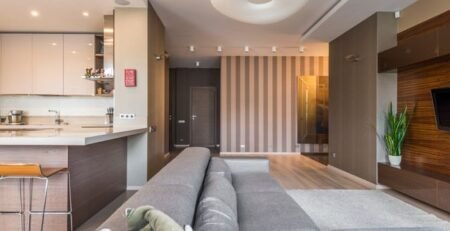
A beautiful home can look completely different after sunset. A living room that feels bright and spacious during the day may become dull in the evening, while a well-finished bedroom can feel too harsh if the lighting is poorly planned. The difference is often not the number of lights installed, but how they are positioned, controlled and combined.
Modern home lighting is about more than fixing bulbs to a ceiling. Recessed spotlights, linear LED profiles, concealed lighting, pendant task lights, vanity lighting and dimmers can each serve a different purpose. When selected carefully, they help create comfortable rooms, highlight interior features and reduce unnecessary energy consumption.
For homeowners building or renovating in Nairobi, Kiambu, Eldoret, Kisumu, Nakuru and other Kenyan towns, the best approach is to plan lighting alongside the ceiling, furniture and daily activities.
1. Recessed Spotlights: Clean and Focused Lighting
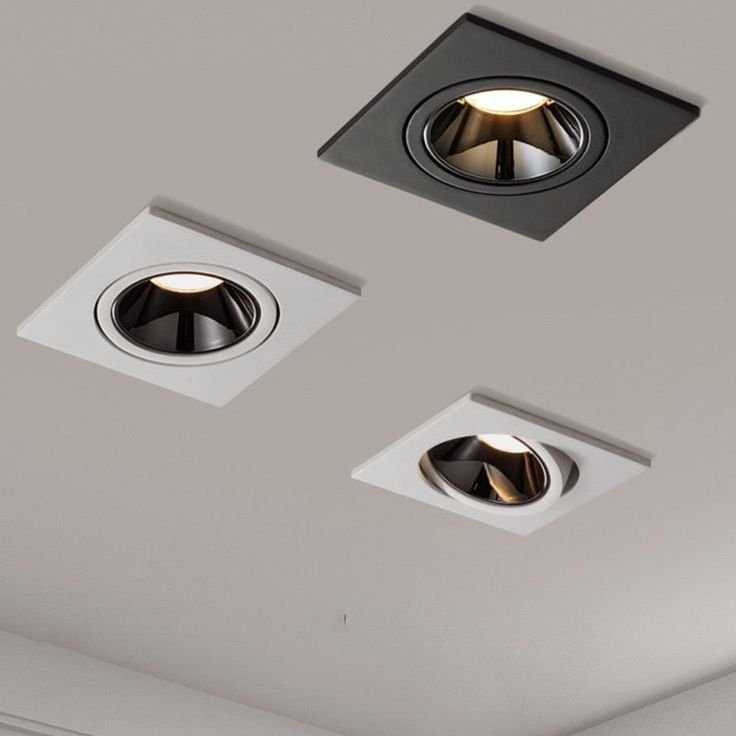
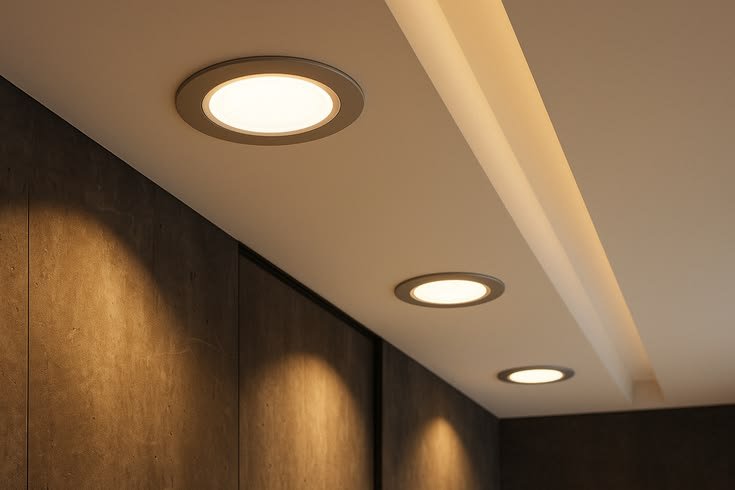
Recessed spotlights are installed into suitable ceiling openings, leaving most of the fitting concealed. They are popular in contemporary homes because they create a neat appearance without bulky fixtures.
They work well in corridors, kitchens, living rooms, bedrooms and selected bathroom zones where the fittings are appropriately rated.
However, installing more spotlights does not automatically improve a room. Poor spacing can create bright patches, shadows and glare. Plan their positions according to room dimensions, ceiling height, beam angle and the surfaces you want to illuminate.
2. LED Strips and Cove Lighting: Create a Softer Atmosphere
LED strips are flexible light sources that can be installed in suitable profiles, recesses or concealed locations.
Cove and concealed lighting
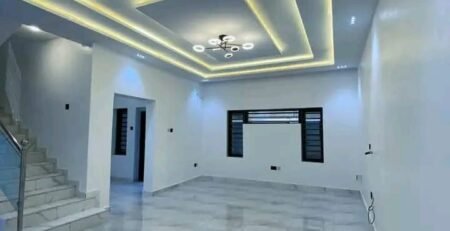
Cove lighting hides the light source within a ceiling recess or architectural detail, allowing light to reflect off a ceiling or wall. This produces a softer, indirect effect that can make a living room or bedroom feel more relaxing.
It can work particularly well with a tray or layered gypsum ceiling, provided the design allows sufficient space for the strip and access to its power supply.
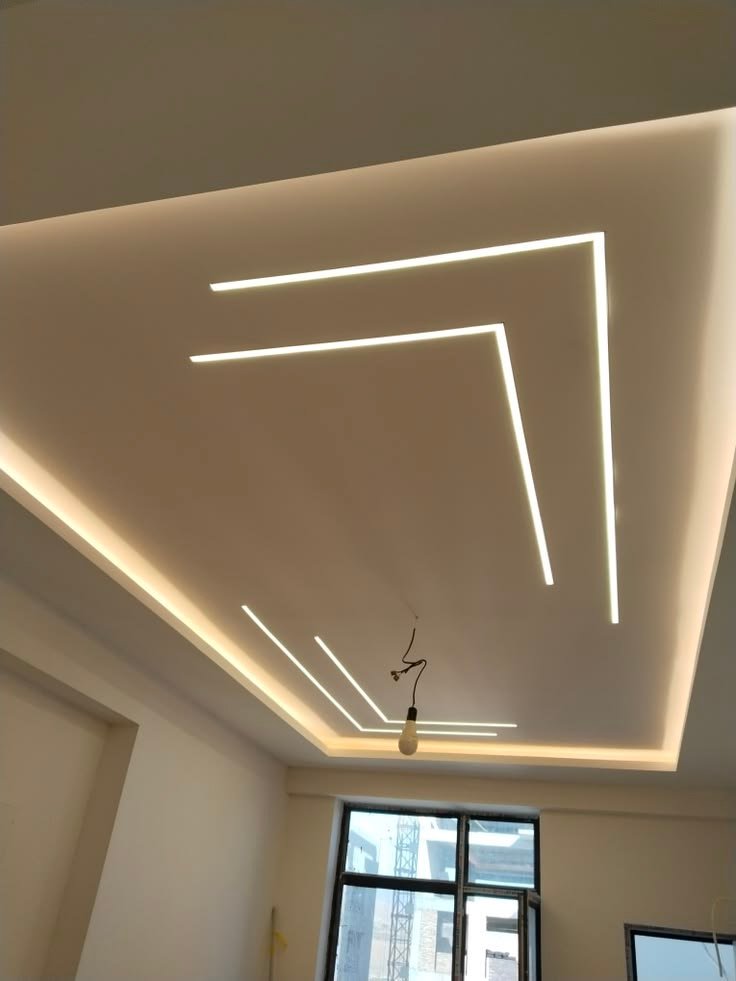
Linear LED profiles
Linear LED profiles create clean lines of light along ceilings, walls, cabinetry or other suitable surfaces. They can complement contemporary kitchens, hallways, wardrobes and feature walls.
A suitable profile and diffuser help produce a more consistent finish while protecting the strip. The designer should consider brightness, colour temperature, heat management and driver access before installation.
3. Pendant Task Lights: Put Light Where You Need It
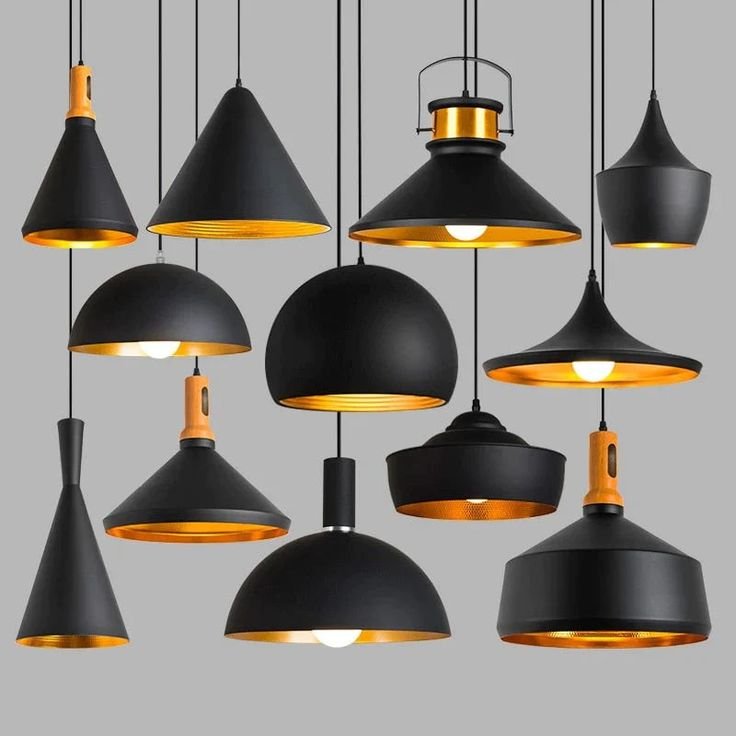
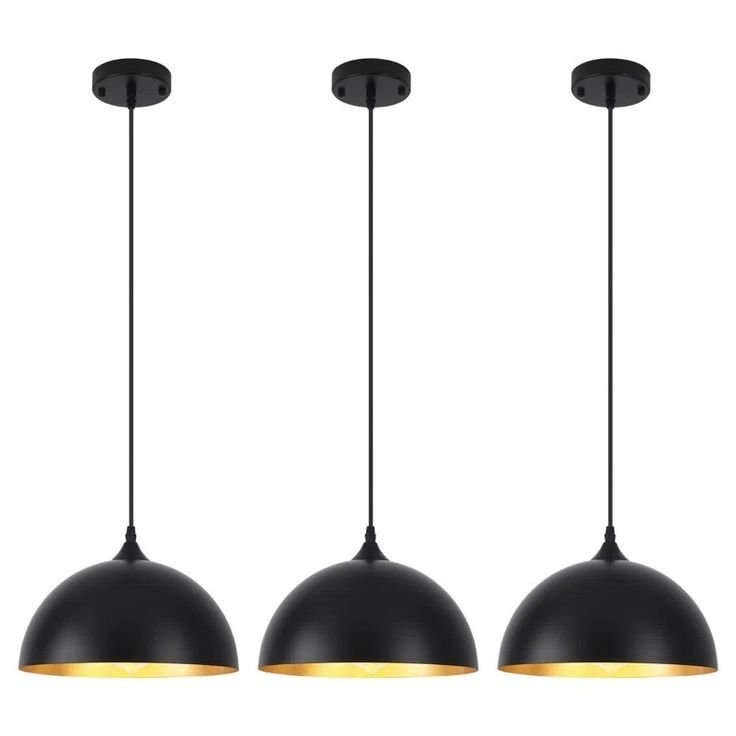
Pendant lights can serve as decorative features while providing useful illumination.
Consider them above:
- Kitchen islands and selected worktops
- Dining tables
- Reading areas
- Breakfast counters
- Selected bedside or seating areas
Choose the height and light output according to the task and room layout. A pendant above a dining table should create a comfortable pool of light without blocking sightlines or shining directly into people’s eyes.
For kitchen work areas, ensure the pendant arrangement complements general lighting rather than leaving work surfaces in shadow.
4. Vanity Lighting: Improve Bathroom and Dressing Areas
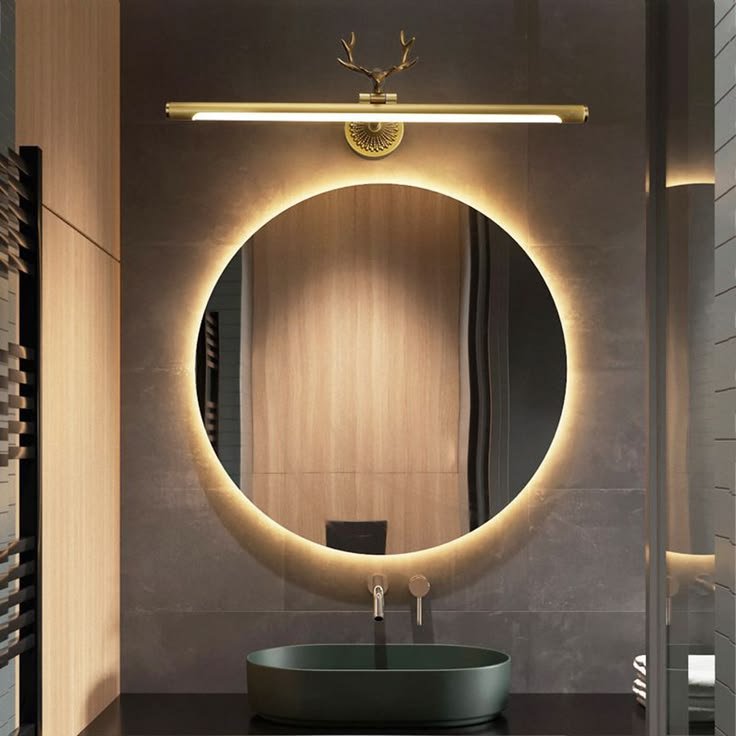
Vanity lighting is important around bathroom mirrors, dressing tables and grooming areas.
A single overhead light can cast shadows across the face. Where practical, vertical lights placed on either side of a mirror or a well-designed mirror light can provide more even illumination.
Choose a colour temperature that renders skin tones naturally, and select fixtures with an appropriate moisture-protection rating for their location. Electrical installation in bathrooms should be handled by a qualified professional.
5. Dimmers: Make One Room Work in Different Ways
Dimmers allow compatible lights to operate at different brightness levels.
For example, a living room may need brighter lighting for cleaning or reading and a softer setting for relaxing in the evening. A bedroom can benefit from lower light levels before sleep, while a dining area may need a brighter setting for family meals.
Before purchasing dimmers, confirm that the LED lamps, drivers and control system are compatible. Not all LED fittings dim correctly, and incompatible equipment may flicker or produce an uneven range of brightness.
6. Energy-Efficient LEDs and Tunable White Lighting
Energy-efficient LEDs
LED lighting generally uses less electricity than traditional incandescent lighting and is available in a wide range of brightness levels, colour temperatures and fitting styles.
When comparing products, look beyond the purchase price. Check light output, power consumption, expected lifespan, warranty and the quality of the driver. Well-chosen fittings can reduce energy use while providing suitable illumination.
Tunable white lighting
Tunable white systems allow users to adjust the light’s colour temperature between warmer and cooler white settings. This gives a room greater flexibility throughout the day.
A warmer setting may suit evening relaxation, while a neutral or cooler setting may be useful for certain daytime activities. The actual benefit depends on the quality of the system, available daylight and how it is used. Tunable white lighting does not replace the need for appropriate brightness and glare control.
How to Plan a Complete Home Lighting Scheme
Start by identifying what happens in each room. Then combine three layers of lighting:
- Ambient lighting: general illumination for moving around comfortably.
- Task lighting: focused light for cooking, reading, grooming and working.
- Accent lighting: light used to highlight artwork, textures, shelving or architectural features.
Next, coordinate the fixtures with the ceiling design, switches, furniture and electrical layout. Where useful, divide lights into separate circuits or control zones so you can adjust the room without switching everything on at once.
Avoid choosing every fitting independently. A coordinated plan helps prevent clashing colour temperatures, awkward shadows and unnecessary installation changes.
Plan Your Home Lighting with SUIMAS Interiors
SUIMAS Interiors can help coordinate ceiling designs, concealed LED details, lighting positions and wider interior finishes to create a consistent look throughout your home.
Whether you are completing a new build or upgrading an existing property, plan the lighting before the ceiling is finished. This makes it easier to accommodate wiring, drivers, profiles and access points without avoidable rework.
Call or WhatsApp: 0717 044 443 | 0739 255 050 | 0725 021 709
Email: info@suimas.co.ke
Website: suimas.co.ke | interiordesigners.co.ke
Location: Solar House, Fourth Floor, Nairobi CBD
Related Post Resources
- Gypsum Ceiling Installation Services
- Ceiling Gypsum Designs
- Ceiling Design Experts in Kenya
- Gypsum Ceiling Installation Services in Kenya
- Cost of Gypsum Ceiling Installation in Kenya
- Residential Interior Design
- Modern Home Interiors
- Residential Interior Design Trends in Kenya
- Home Designs and Interior Services
- Kitchen Interior Design in Kenya
- Modern and Classic Kitchen Designs in Kenya
- Floor Installation Services
- Interior Design Services
- How Much Should You Budget for a Complete Home Interior Makeover?
- Contact SUIMAS Interiors