Cost of Building a Shopping Mall in Kenya
Cost of Building a Shopping Mall in Kenya
Cost of Building a Shopping Mall in Kenya — The Complete Cost Breakdown
The cost of building a shopping mall in Kenya is rarely the single number developers expect going in. Moreover, land acquisition, professional fees, statutory approvals, shell construction, interior fit-out, external works, and financing costs all stack on top of each other — and many first-time developers budget for only one or two of these line items before discovering the rest partway through the project. Furthermore, with Kenya’s formal retail sector expanding rapidly and projects like BBS Mall in Eastleigh now setting a 250,000 m² benchmark for the region, understanding the true, full cost structure of a mall project has never mattered more.
Therefore, this guide breaks down every cost component of building a shopping mall in Kenya in 2026 — from the land itself through to the day the doors open — so you can budget accurately and avoid the funding gaps that stall so many Kenyan commercial developments midway through construction.
💡 The Most Common Costing Mistake in Kenya’s Mall Sector: Developers consistently budget for shell construction and stop there — treating professional fees, statutory approvals, external works, and interior fit-out as minor add-ons rather than major, separately budgeted cost categories. In reality, interior design and fit-out alone typically adds 40–50% on top of shell construction cost. A mall budget that does not itemize every category below is not a complete budget — it is a shell construction estimate wearing a mall-sized price tag.
At Suimas, we work at the design and fit-out end of Kenyan mall projects, so we see firsthand how often this specific cost category — the one that determines whether a mall actually looks and functions like a destination — gets underestimated at the planning stage. Furthermore, this guide is built to close that gap.
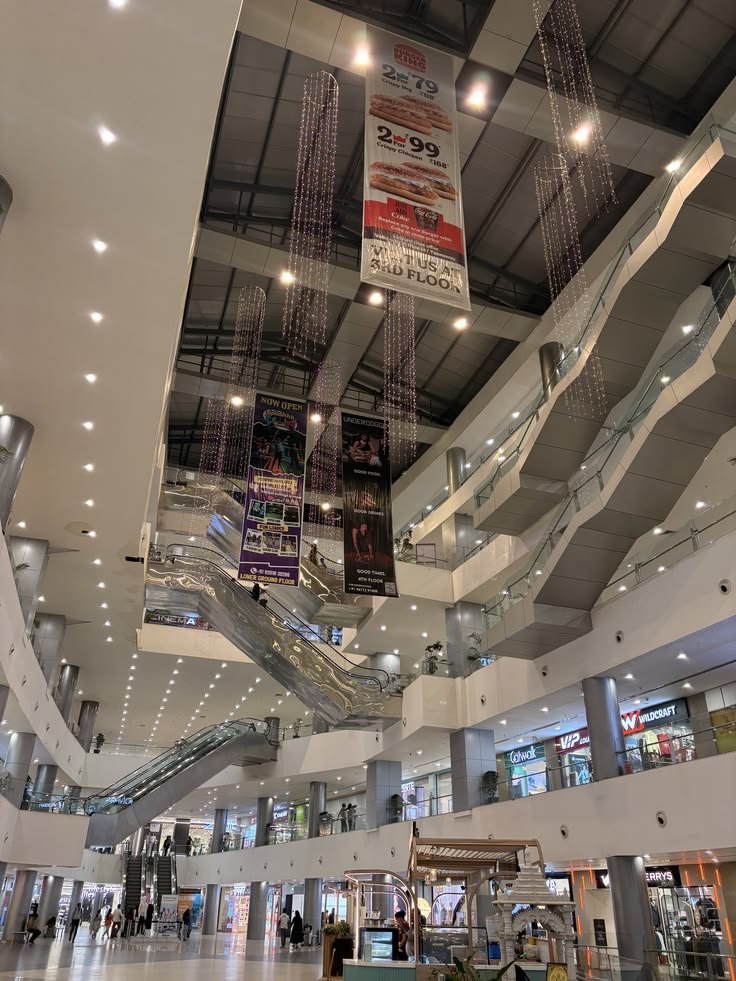
The Nine Cost Categories of Building a Shopping Mall in Kenya
1. Land Acquisition Cost
Land cost varies dramatically by location and is frequently the single largest and most unpredictable line item in a Kenyan mall budget. Moreover, prime commercial land in Nairobi’s core areas — Westlands, Upper Hill, Kilimani, Parklands — can range from roughly KES 50 million to over KES 500 million per acre depending on exact location and zoning. Furthermore, land along growing corridors such as Thika Road, Ruiru, and other satellite towns is considerably more affordable, often in the range of KES 10 million to KES 45 million per acre, while land in Kenya’s secondary towns and rural-adjacent areas can fall well below that.
| Location Type | Approx. Cost per Acre (KES) |
|---|---|
| Nairobi prime core (Westlands, Upper Hill, Kilimani, Parklands) | 50M – 560M+ |
| Nairobi growth corridors (Thika Road, Ruiru, satellite towns) | 10M – 45M |
| Secondary towns and county centres | 2M – 10M |
| Rural or peripheral land | 0.4M – 2M |
🚩 Budgeting mistake: Sizing the mall design around an assumed land cost before confirming the actual asking price, title status, and zoning of a specific parcel.
2. Feasibility, Professional Fees, and Cost Consultancy
Before any construction budget is finalized, a proper feasibility study — catchment analysis, competing supply review, and financial modelling — is essential. Moreover, quantity surveying and cost consultancy services in Kenya are commonly charged as either a fixed fee or a percentage of total construction value, typically in the range of 1–5% depending on project scope and complexity, covering Bills of Quantities, tender evaluation, and value engineering throughout the build. Furthermore, architectural and structural design fees, MEP consultancy, and project management fees are additional professional cost lines that need to be budgeted separately from the construction contract itself.
| Professional Service | Typical Fee Basis |
|---|---|
| Feasibility study and cost planning | KES 500,000 – 2,000,000+ (or included in QS scope) |
| Quantity surveying / cost consultancy | 1% – 5% of construction value |
| Architectural design fees | 3% – 8% of construction value |
| Structural and MEP engineering | 2% – 5% of construction value |
| Project management | 2% – 5% of construction value |
3. Statutory Approvals and Compliance Costs
Every mall project in Kenya must budget for National Construction Authority (NCA) registration and levy, county government planning and building approvals, NEMA environmental impact assessment, and fire safety certification. Moreover, these approval processes typically run 3–12 months for a large commercial development, and the associated statutory fees — while smaller than construction costs — must still be planned for in both budget and programme terms. Furthermore, delays at this stage carry a real cost of their own, since financing costs and holding costs on the land continue to accrue while approvals are pending.
4. Shell Construction Cost
Shell construction — the concrete frame, envelope, roofing, and structural work — is the largest single cost category in most mall budgets. Moreover, all-inclusive shell construction cost in Kenya currently runs from roughly KES 89,980–94,990 per square metre for a standard neighbourhood mall, rising with scale and structural complexity.
| Mall Type | Cost per m² (KES) | Cost per sq ft (KES) |
|---|---|---|
| Standard neighbourhood mall | 89,980 – 94,990 | 8,359 – 8,825 |
| Community mall with basement parking | 95,000 – 110,000 | 8,826 – 10,220 |
| Regional mall — multi-level atrium | 110,000 – 140,000 | 10,220 – 13,006 |
| Super-regional mixed-use mall | 140,000 – 180,000+ | 13,006 – 16,723+ |
5. MEP Installation Cost
Mechanical, electrical, and plumbing (MEP) systems — HVAC, electrical distribution, fire suppression, plumbing, lifts, and escalators — are typically priced within the shell construction contract but deserve their own budget line for tracking, since specification level here (particularly HVAC capacity and lift/escalator count) varies enormously between a basic neighbourhood mall and a premium regional development. Moreover, generator backup capacity, solar integration, and water recycling or borehole systems are increasingly standard specification items in Kenyan mall projects and should be priced explicitly rather than assumed.
6. Interior Design and Fit-Out Cost
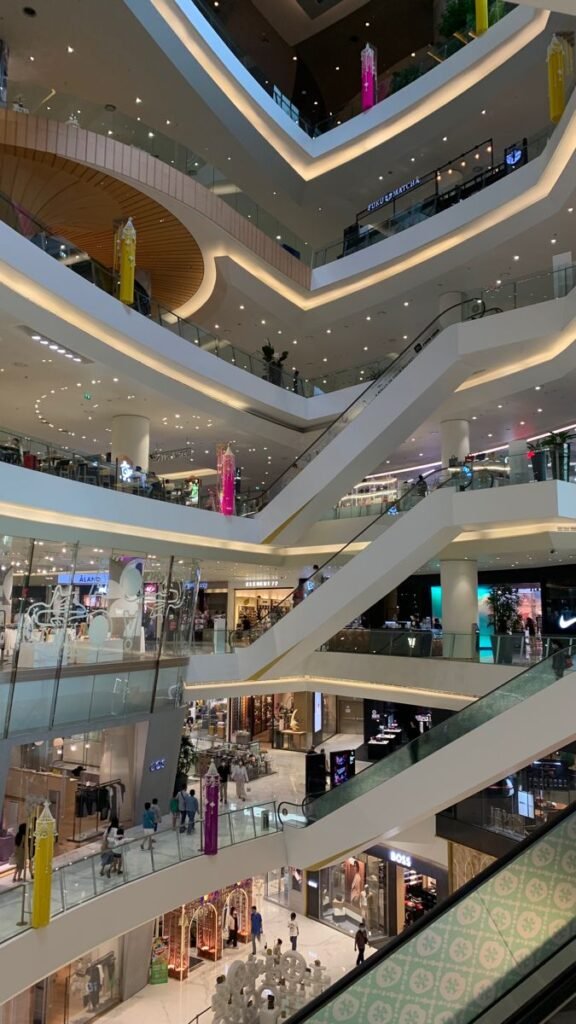
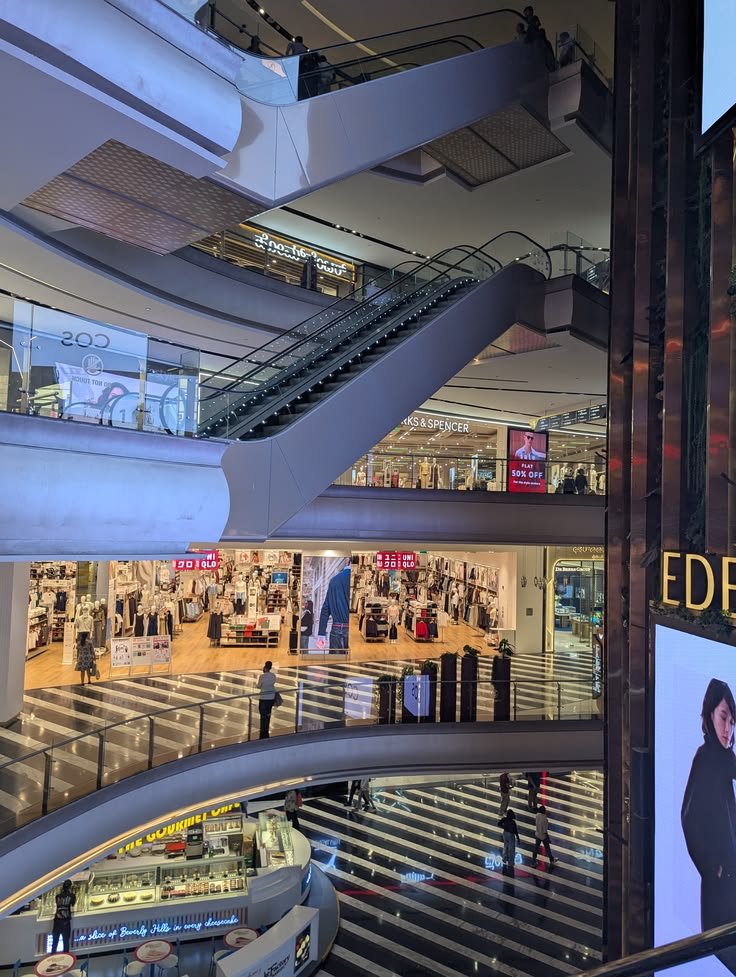
This is the category most consistently underbudgeted by first-time Kenyan mall developers — and the one that most directly determines whether shoppers actually want to spend time in the finished building. Moreover, interior design and fit-out typically adds a further 40–50% on top of shell construction cost, covering common areas, atriums, food courts, retail and anchor tenant fit-out coordination, entertainment zones, and every ceiling, floor, and lighting installation across the mall.
| Mall Zone | Budget (KES/m²) | Mid-Range (KES/m²) | Premium (KES/m²) |
|---|---|---|---|
| Common areas and corridors | 25,000 – 45,000 | 45,000 – 80,000 | 80,000+ |
| Main entrance and atrium | 30,000 – 60,000 | 60,000 – 100,000 | 100,000+ |
| Retail unit full branded fit-out | 35,000 – 60,000 | 60,000 – 100,000 | 100,000+ |
| Food court vendor unit | 40,000 – 70,000 | 70,000 – 120,000 | 120,000+ |
| Entertainment zone | 35,000 – 65,000 | 65,000 – 120,000 | 120,000+ |
| Public restrooms (per unit) | 400,000 – 700,000 | 700,000 – 1,200,000 | 1,200,000+ |
| Gypsum ceiling (per m²) | 1,500 – 3,500 | 3,500 – 4,500 | 4,500 – 5,500+ |
| Commercial flooring (per m²) | 1,500 – 3,000 | 3,000 – 6,000 | 6,000+ |
Suimas provides a fully itemized, zone-by-zone fit-out BOQ after a free site visit — Commercial Interior Design →
7. External Works and Parking
Car park construction, access roads, drainage, landscaping, boundary walls, and external signage all sit outside the main building footprint but are essential to a functioning mall. Moreover, Nairobi’s car-dependent shopping culture makes adequate, well-designed parking a genuine commercial requirement rather than a cost to minimize — a common planning benchmark is at least one parking space per 25 m² of gross leasable area. Furthermore, basement parking, where included, adds significantly to both shell construction cost and construction duration compared to surface parking alone.
8. Financing and Holding Costs
Interest on construction debt, loan arrangement fees, and holding costs on land and approvals during the pre-construction period are real costs that a full mall budget must account for. Moreover, most Kenyan mall developments are financed through a mix of developer equity, bank or institutional debt, and increasingly, pre-leasing commitments from anchor tenants that help de-risk the project for lenders. Furthermore, the longer a project takes to move from land acquisition through to opening, the more these financing and holding costs accumulate — which is one of the strongest arguments for realistic, well-sequenced programme planning from the outset.
9. Contingency
Every credible Kenyan mall budget includes a contingency allowance, typically 10–15% applied independently to each major cost component rather than as a single blended figure across the whole project. Moreover, contingency exists specifically to absorb material price fluctuation, unforeseen ground conditions, design changes, and approval delays — all of which are common enough in Kenyan construction that a budget without contingency should be treated as incomplete.
Total Mall Project Budget by Scale — Kenya 2026
| Mall Scale | GLA (m²) | Shell (KES) | Interior & Fit-Out (KES) | Total Budget* |
|---|---|---|---|---|
| Neighbourhood Mall | 3,000–5,000 | 270M–490M | 90M–200M | 360M–690M |
| Community Mall | 5,000–15,000 | 450M–1.47B | 150M–600M | 600M–2.07B |
| Regional Mall | 15,000–40,000 | 1.35B–3.92B | 450M–1.6B | 1.8B–5.52B |
| Super-Regional Mall | 40,000–250,000+ | 3.6B–22.5B+ | 1.2B–9B+ | 4.8B–31.5B+ |
Total budget figures above cover shell and interior fit-out only. Land, professional fees, statutory approvals, external works, financing costs, and contingency are additional and must be budgeted separately using the categories above. All figures are planning-level estimates — always commission a formal, project-specific BOQ from a quantity surveyor before committing to a budget.
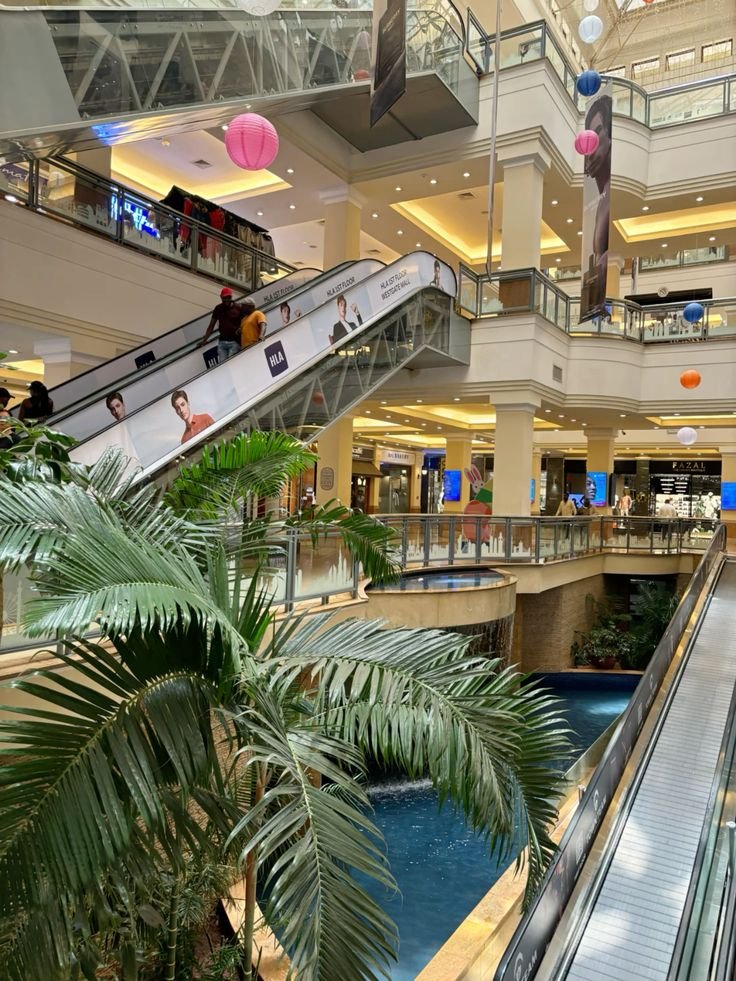
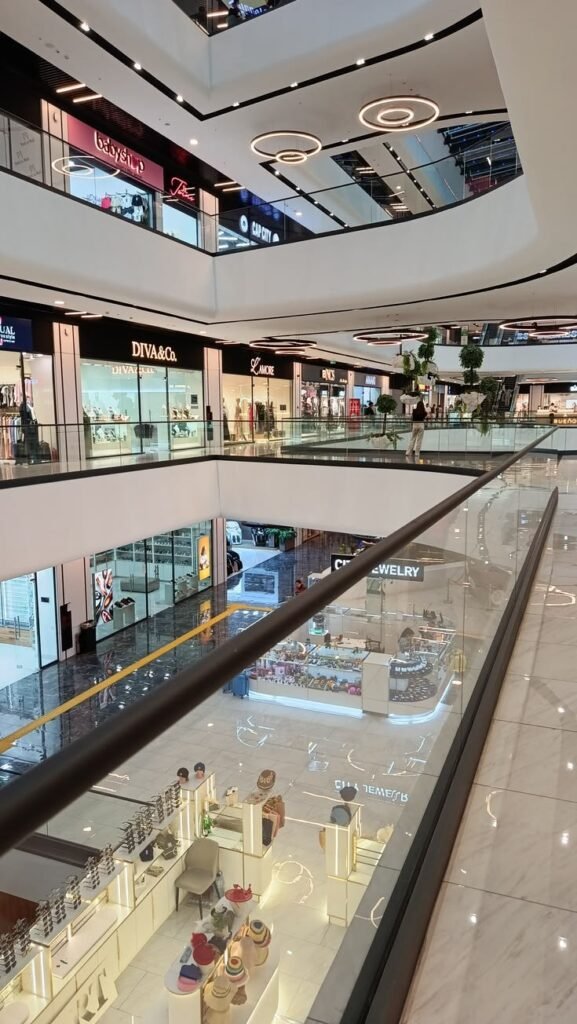
What Drives Mall Construction Cost Up or Down in Kenya
Location and site conditions — Nairobi is the cost baseline; Mombasa adds roughly 5–10% for coastal logistics and humidity-resistant specification; remote upcountry sites can add 15–25% for material transport and limited skilled labour.
Specification level — the single biggest lever on cost. Two buildings with identical floor plans can differ by KES 30,000–50,000 per m² purely on finish quality, and international tenant fit-out standards can push specification well above local market norms. Also,
Structural complexity — atrium height, column grid, floor-to-floor heights, basement construction, and car park integration all add cost. Irregular plan shapes and complex roof geometries cost more per m² than compact, regular forms — though intelligent design choices, such as a half-glass, half-solid atrium ceiling instead of a fully glazed roof, can deliver real savings without compromising the shopper experience.
Material costs (2026 Kenya market) — cement KES 650–800 per 50kg bag; steel reinforcement KES 95,000–120,000 per tonne; ceramic tiles KES 1,000–2,500 per m²; mid-range porcelain tiles KES 2,500–5,000 per m²; gypsum ceiling board KES 800–1,200 per sheet; structural timber KES 2,500–4,500 per cubic metre.
How to Control Mall Construction Costs in Kenya
- Commission a formal BOQ before signing any contract — a detailed Bill of Quantities from a quantity surveyor is the single most effective tool for preventing cost overrun.
- Use value engineering at design stage, not after construction starts — reviewing material and design alternatives before the shell is built is dramatically cheaper than changing course mid-project.
- Engage your interior designer early — coordinating fit-out requirements with the architect at concept stage avoids expensive rework once the shell is complete.
- Secure anchor tenant commitments before finalizing design — this both validates the commercial concept and can improve financing terms.
- Insist on itemized, zone-by-zone fit-out pricing rather than a single lump sum, so you can see exactly where budget is going and where trade-offs are possible.
- Budget contingency on every major line item independently — 10–15% per category, not a single blended contingency for the whole project.
Cost Planning Checklist — Kenya 2026
- ✅ Confirm land price, title, and zoning before sizing the project budget
- ✅ Budget professional fees (architecture, QS, structural, MEP, project management) as separate line items
- ✅ Plan for NCA, county, and NEMA approval costs and timelines (3–12 months)
- ✅ Commission a formal, project-specific BOQ for shell construction. Also,
- ✅ Budget interior design and fit-out at 40–50% of total project value — never as an afterthought
- ✅ Price external works and parking separately from the main building footprint
- ✅ Account for financing and holding costs across the full project timeline
- ✅ Apply 10–15% contingency independently to every major cost category
- ✅ Review value engineering opportunities at design stage, before construction begins
What Suimas Offers for Mall Cost Planning and Fit-Out in Kenya
Suimas works at the design and fit-out stage of Kenyan mall projects — the category most often underbudgeted in first-draft mall budgets. Moreover, we provide fully itemized, zone-by-zone BOQ pricing after a free site visit, so developers can see exactly what their interior design and fit-out investment covers before committing to a number.
What we deliver for mall cost planning and fit-out:
- Fully itemized, zone-by-zone BOQ pricing — transparent costs for common areas, food courts, retail units, and entertainment zones with zero hidden line items
- Commercial Interior Design — scoped and priced to match your budget tier, from standard to premium specification
- 3D Design and Layout Planning — visualize and cost your interior concept before construction begins, avoiding expensive changes later
- Gypsum Ceiling Installation — priced per m² across budget, mid-range, and premium specification
- Floor Installation Services — tiles, hardwood, vinyl, terrazzo, and epoxy priced by zone and traffic level
- Branded Signage and wayfinding — costed as part of your fit-out BOQ, not a surprise add-on
- In-house execution — one accountable team across design, materials, and installation, reducing the cost and risk of managing multiple disconnected subcontractors, also,
- Free initial site consultation — always, without obligation, before any commitment is made
👉 View Our Full Commercial Interior Design Services → 📞 Call 0717 044 443 for a Free Mall Costing Consultation 💬 WhatsApp 0717 044 443 →
Contact Our Mall Design and Fit-Out Team Today
Call us at 0717 044 443 / 0739 255 050 / 0725 021 709. Email: info@suimas.co.ke / info@interiordesigners.co.ke
Therefore, if you are budgeting, designing, or fitting out a mall or retail centre in Kenya, contact us here for a free project consultation and detailed BOQ. We are based at Solar House, Fourth Floor, Nairobi.
Related Mall and Commercial Design Services
- Commercial Interior Design Kenya
- Gypsum Ceiling Installation Kenya
- Floor Installation Services Kenya
- 3D Design & Layout Planning Kenya
- Painting & Special Effects Kenya
Also Read
- Mall Design and Construction in Kenya
- How to Build a Shopping Mall in Kenya
- Mall Construction in Kenya — The Complete Guide
- Shopping Mall Construction Companies in Kenya
Nairobi Areas We Serve
We serve Westlands, Karen, Kilimani, Kileleshwa, Lavington, Runda, Gigiri, Muthaiga, Parklands, Riverside, Upperhill, Hurlingham, Eastleigh, South C, South B, Langata, Embakasi, Donholm, Umoja, Kasarani, Roysambu, Zimmerman, Kahawa West, Ruaka, Rosslyn, Kiambu Town, Kikuyu, Kinoo, Ruiru, Juja, Syokimau, Mlolongo, Kitengela, Athi River, Ngong, and also the entire Nairobi CBD.
Mall Cost Planning and Fit-Out Services Across All 47 Counties
Suimas supports mall interior design, fit-out, and cost planning throughout all 47 counties in Kenya, from Nairobi and Mombasa to Kisumu, Nakuru, Eldoret, and every growing secondary town in between.
Frequently Asked Questions
How much does it cost to build a shopping mall in Kenya in 2026?
Shell construction alone costs roughly KES 89,980–94,990 per square metre for a standard neighbourhood mall, rising toward KES 140,000–180,000+ per square metre for a large regional or super-regional development. Add land, professional fees, statutory approvals, interior fit-out (40–50% on top of shell cost), external works, financing costs, and contingency, and a full neighbourhood mall project typically totals KES 360M–690M all-in, while regional and super-regional malls run into billions of shillings.
What is the single most underbudgeted cost in Kenyan mall projects?
Interior design and fit-out. Many first-time developers budget for shell construction only and treat fit-out as a minor finishing item, when it actually adds a further 40–50% of total project value and directly determines whether the finished mall attracts tenants and shoppers.
How much does land cost for a shopping mall site in Kenya?
Prime commercial land in Nairobi’s core areas (Westlands, Upper Hill, Kilimani, Parklands) can range from roughly KES 50 million to over KES 500 million per acre. Land along growing corridors like Thika Road and satellite towns such as Ruiru is more affordable, typically KES 10–45 million per acre, while secondary towns and rural-adjacent land cost significantly less.
What professional fees should I budget for beyond construction?
Architectural design (roughly 3–8% of construction value), structural and MEP engineering (2–5%), quantity surveying and cost consultancy (1–5%), and project management (2–5%) are all separate professional fee categories that sit on top of the construction contract itself.
How much contingency should I include in a mall construction budget in Kenya?
A standard benchmark is 10–15% contingency applied independently to each major cost category — land, shell construction, fit-out, and external works — rather than a single blended contingency figure across the entire project.
Areas We Serve
SUIMAS provides commercial construction, building, renovation, commercial interior design and fit-out services across all 47 counties in Kenya.
Nairobi County
We serve all areas of Nairobi, including:
Nairobi CBD, Westlands, Parklands, Gigiri, Muthaiga, Runda, Rosslyn, Kitisuru, Spring Valley, Lavington, Kileleshwa, Kilimani, Hurlingham, Riverside, Kawangware, Dagoretti, Karen, Lang’ata, South C, South B, Nairobi West, Madaraka, Upper Hill, Ngong Road, Adams Arcade, Jamhuri, Woodley, Kibera, Loresho, Mountain View, Kangemi, Pangani, Ngara, Eastleigh, Pumwani, Majengo, Kamukunji, Starehe, Mathare, Kariobangi, Dandora, Umoja, Buruburu, Donholm, Komarock, Kayole, Embakasi, Fedha, Tassia, Imara Daima, Pipeline, Mukuru, Syokimau, Utawala, Mihango, Ruai, Njiru, Ruaraka, Baba Dogo, Kasarani, Roysambu, Zimmerman, Githurai and surrounding areas.
Mombasa County
We serve Mombasa Island, Mombasa CBD, Old Town, Kizingo, Tudor, Tononoka, Ganjoni, Majengo, Makadara, Bondeni, Likoni, Mtongwe, Shelly, Changamwe, Port Reitz, Mikindani, Jomvu, Miritini, Kisauni, Mtopanga, Bamburi, Utange, Shanzu, Nyali, Mkomani, Kongowea, Frere Town, Bombolulu, Mishomoroni, Mwakirunge, Magongo, Dunga and surrounding areas.
All 47 Counties in Kenya
SUIMAS serves:
Mombasa, Kwale, Kilifi, Tana River, Lamu, Taita-Taveta, Garissa, Wajir, Mandera, Marsabit, Isiolo, Meru, Tharaka-Nithi, Embu, Kitui, Machakos, Makueni, Nyandarua, Nyeri, Kirinyaga, Murang’a, Kiambu, Turkana, West Pokot, Samburu, Trans Nzoia, Uasin Gishu, Elgeyo-Marakwet, Nandi, Baringo, Laikipia, Nakuru, Narok, Kajiado, Kericho, Bomet, Kakamega, Vihiga, Bungoma, Busia, Siaya, Kisumu, Homa Bay, Migori, Kisii, Nyamira and Nairobi.