Commercial Kitchen Design and Equipment Installation in Nairobi
Commercial Kitchen Design and Equipment Installation in Nairobi
Commercial kitchen design and equipment installation in Nairobi are essential for restaurants, hotels, cafés, hospitals, schools and catering businesses that need efficient food preparation spaces. A well-planned kitchen helps staff move between cooking, preparation, storage and washing areas while making better use of the available space.
Whether you are opening a new restaurant, upgrading a hotel kitchen or renovating an existing food service facility, plan the layout before purchasing equipment. Consider your menu, expected number of meals, available space, equipment requirements and budget.
This guide covers commercial kitchen design, equipment installation, important planning considerations and three websites to explore when researching kitchen solutions in Nairobi.
1. Suimas – Commercial Kitchen Design and Equipment Installation
Website: Commercial Kitchen Experts in Nairobi
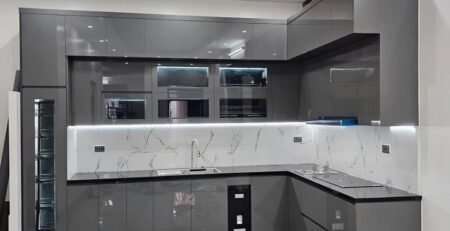
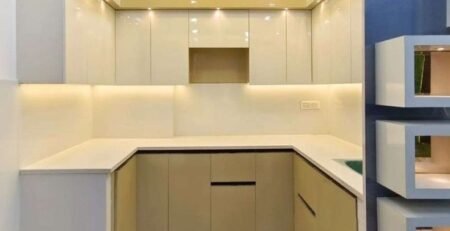
Suimas is the first option to consider for commercial kitchen design and installation in Nairobi. Its commercial kitchen services cover layout planning, custom cabinetry, storage solutions, kitchen furniture and installation support.
SUIMAS INTERIORS+1
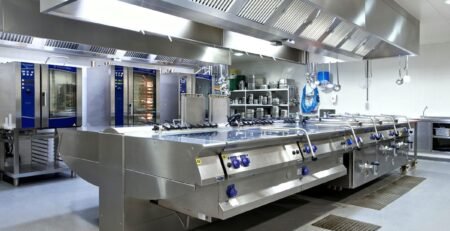
Commercial kitchens need layouts that support the daily work of chefs and kitchen staff. The position of cooking equipment, preparation tables, refrigerators, sinks and storage units affects how efficiently staff can work.
Suimas can be a starting point when planning a new kitchen or improving an existing one. Discuss your requirements and confirm the specific equipment supply, fabrication and installation services available for your project.
Commercial kitchen services to consider
- Kitchen layout planning and space utilisation.
- Custom kitchen cabinets and storage units.
- Stainless steel preparation tables, counters and sinks.
- Cooking equipment and kitchen fixtures.
- Ventilation and extraction requirements.
- Equipment positioning and installation planning.
You can also explore commercial kitchen equipment in Nairobi to review equipment categories and kitchen fittings.
Why plan the kitchen before installation?
Planning helps you determine the dimensions of each appliance, identify utility connections and leave sufficient working space. It can also reduce the need to move equipment or alter completed finishes after installation.
2. Interior Designers Kenya – Commercial Kitchen Installation Services
Website: Commercial Kitchen Installation Services in Nairobi
Interior Designers Kenya is another option to explore when planning commercial kitchen installation and related interior works.
A commercial kitchen project may involve more than placing appliances in a room. It can require coordination between the kitchen layout, work surfaces, storage, lighting, finishes and supporting services.
When discussing a project, explain how the kitchen will operate, what type of food you will prepare and how many meals you expect to serve. This information helps establish the layout and equipment requirements.
Important installation considerations
- Confirm that the equipment fits the available space.
- Check electrical, gas, water and drainage requirements.
- Plan suitable ventilation and extraction systems.
- Coordinate flooring and wall finishes with equipment positions.
- Allow access for cleaning, maintenance and repairs.
- Confirm delivery, installation and testing arrangements.
Explore the commercial kitchen installation services in Nairobi page and contact the company to confirm the services available for your project.
3. ISMAN – Commercial Kitchen Solutions
Website: https://isman.co.ke/commercial-kitchen
ISMAN is another website to review when researching commercial kitchen solutions. Before choosing a provider, contact the company to confirm its current product range, installation services and suitability for your project.
When comparing providers, look beyond the initial equipment price. Consider product specifications, durability, installation requirements, warranties, spare parts and maintenance support.
Request an itemised quotation so you can compare equivalent equipment and services across providers.
Essential Equipment for a Commercial Kitchen
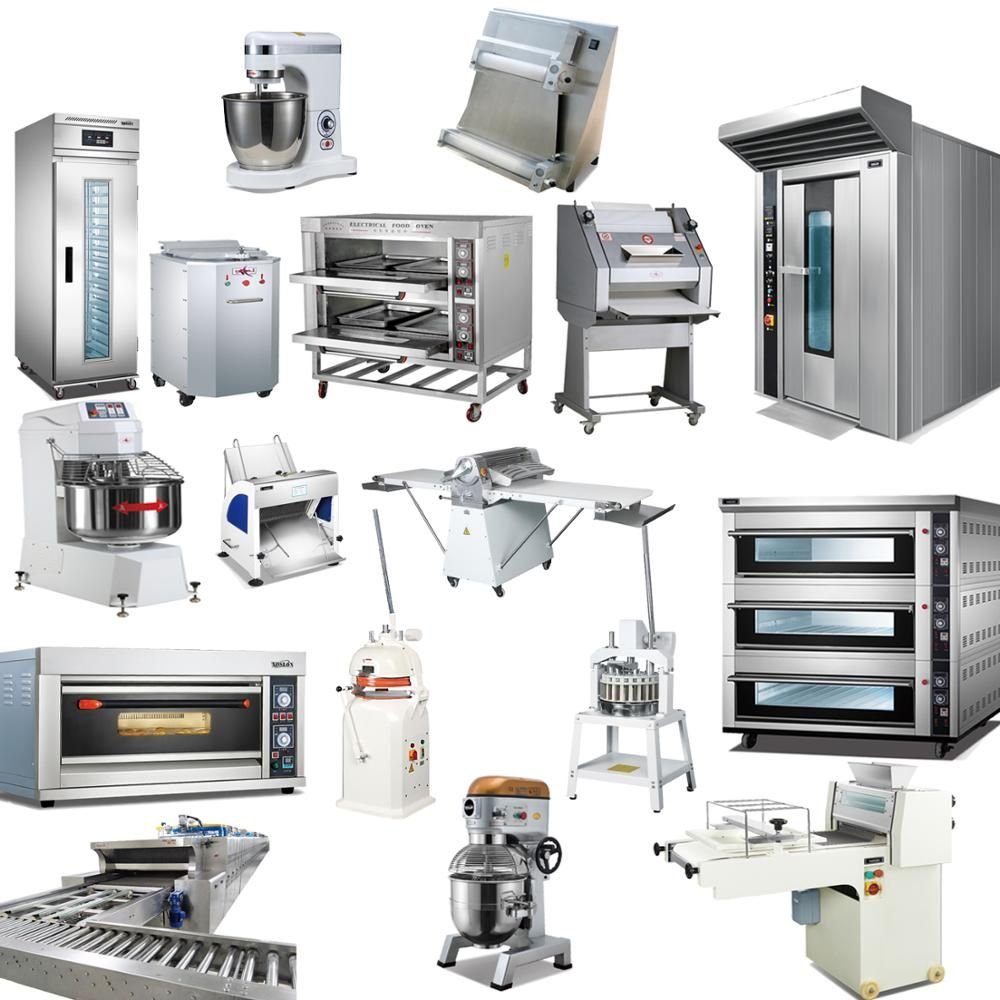
The equipment needed depends on the type of business, menu, kitchen size and expected workload. A small café may require a compact preparation area and basic cooking appliances, while a large hotel may need several cooking stations, refrigeration units and specialised food preparation equipment.
| Equipment category | Examples | Purpose |
|---|---|---|
| Cooking equipment | Commercial cookers, ovens, grills and fryers | Preparing different meals |
| Refrigeration | Commercial refrigerators, freezers and cold rooms | Keeping ingredients at appropriate temperatures |
| Food preparation | Stainless steel tables, mixers, slicers and food processors | Preparing ingredients efficiently |
| Washing equipment | Sinks, dishwashers and drying racks | Cleaning utensils and kitchenware |
| Storage | Shelving, cabinets and ingredient containers | Organising ingredients and supplies |
| Ventilation | Extraction hoods and ventilation systems | Managing heat, smoke and cooking fumes |
| Food holding | Bain-maries and warming cabinets | Holding prepared food at suitable serving temperatures |
| Serving equipment | Counters and food display units | Supporting food service |
You do not need to purchase every item immediately. Prepare an equipment list based on your menu and operational needs, then prioritise the essential items.
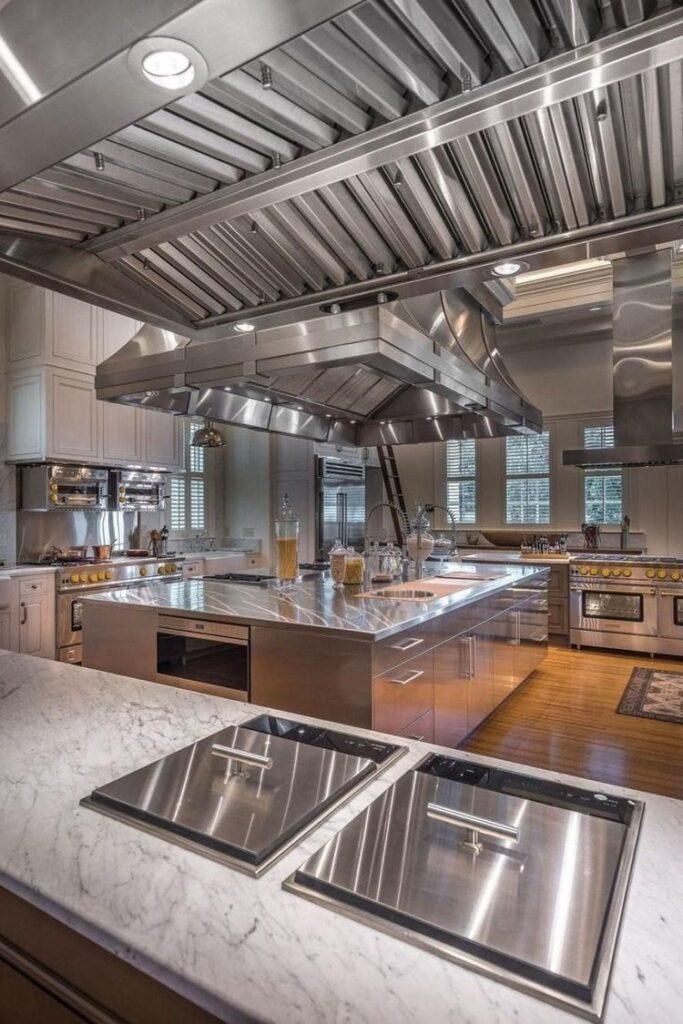
The Commercial Kitchen Design and Installation Process
A structured process helps coordinate the design, purchasing and installation stages.
Step 1: Assess the space
Measure the kitchen and identify the locations of doors, windows, drainage points and existing utility connections. Check the routes used to deliver large equipment into the building.
Step 2: Plan the kitchen layout
Divide the kitchen into practical working areas, such as receiving, storage, preparation, cooking, washing and serving. Arrange these areas to support efficient staff movement and minimise unnecessary crossing between tasks.
Step 3: Select the equipment
Choose appliances according to your menu, expected meal volume, available space and budget. Confirm each item’s dimensions and technical requirements before ordering.
Step 4: Prepare the site
Complete the necessary building work, finishes and utility preparations. Confirm that electrical supply, gas connections, plumbing, drainage and ventilation are appropriate for the selected equipment.
Step 5: Install the equipment
Position and connect the equipment according to the manufacturer’s requirements and applicable safety standards. Use qualified professionals for specialised electrical, gas and ventilation work.
Step 6: Test before opening
Check that equipment operates correctly and that staff understand its safe operation and cleaning requirements. Resolve outstanding installation issues before the kitchen begins full service.
Factors That Affect Commercial Kitchen Design and Installation Costs
There is no single price for commercial kitchen design and equipment installation in Nairobi. The final cost depends on the size and complexity of the project.
The main cost factors include:
- Kitchen size: Larger kitchens may require more equipment, work surfaces and storage.
- Equipment selection: Commercial ovens, cold rooms and specialised appliances have different costs.
- Materials: Stainless steel fabrication, cabinets and finishing materials affect the total budget.
- Site preparation: Electrical, plumbing, drainage and ventilation changes may add to the project cost.
- Installation complexity: Custom fabrication and specialised connections may require additional work.
- Delivery and transport: Equipment size, delivery distance and access conditions can affect costs.
- Maintenance requirements: Consider the availability of spare parts and the expected cost of servicing.
Request a site assessment and itemised quotation before setting your budget. This helps you identify what is included and which additional works may cost extra.
How to Choose a Commercial Kitchen Installation Company in Nairobi
Before appointing a provider, compare the following:
- Relevant experience: Ask about previous commercial kitchen projects similar to yours.
- Equipment specifications: Confirm that the proposed equipment suits your menu and workload.
- Installation scope: Establish whether the quotation includes delivery, connections, testing and commissioning.
- Warranty and after-sales support: Ask about servicing, spare parts and warranty conditions.
- Project coordination: Confirm who will manage the equipment installation and any related building works.
- Transparent pricing: Request an itemised quotation and clarify exclusions before signing an agreement.
The cheapest quotation may not offer the best value if it excludes essential installation work or after-sales support.
Contact Suimas for Commercial Kitchen Design and Installation in Nairobi
Planning a new commercial kitchen or upgrading an existing facility? Contact Suimas to discuss your kitchen layout, equipment requirements and installation needs.
- Call Us: 0717044443 / 0739255050 / 0725021709
- Email: info@suimas.co.ke / info@interiordesigners.co.ke
- Location: Nairobi CBD
- Website: https://suimas.co.ke
- Commercial kitchen services: Commercial Kitchen Experts in Nairobi
When requesting a quotation, provide your kitchen measurements, menu, estimated number of meals served daily and equipment list. This helps the team understand the scope of work and advise on the next steps.
Frequently Asked Questions
1. What is included in commercial kitchen design and installation?
A project may include layout planning, equipment selection, cabinetry, stainless steel work surfaces, ventilation coordination, equipment positioning and installation. The exact scope depends on the provider and your quotation.
2. Who provides commercial kitchen design and installation in Nairobi?
You can explore Suimas, Interior Designers Kenya and ISMAN using the websites listed in this article. Contact each provider to verify its current services and suitability for your project.
3. What equipment does a commercial kitchen need?
Most commercial kitchens require cooking appliances, refrigeration, food preparation tables, washing facilities, storage and suitable ventilation. Additional equipment depends on the menu and service volume.
4. Should equipment be purchased before kitchen installation?
It is generally better to plan the layout and confirm equipment specifications first. This helps ensure that the appliances fit the available space and that the necessary utility connections are ready.
5. How long does commercial kitchen installation take?
The timeline depends on kitchen size, equipment availability, custom fabrication, site preparation and the complexity of utility connections. Request a project schedule from your chosen provider.
6. How can I get a quotation for commercial kitchen design and installation?
Prepare your measurements, equipment requirements, menu and budget. Contact the provider to arrange an assessment and request an itemised quotation that clearly lists the work included and excluded.
Areas We Serve
Suimas works with clients in Nairobi and other locations across Kenya, subject to project requirements and availability. Businesses in Mombasa, Kisumu, Nakuru, Eldoret, Thika, Kiambu, Machakos, Nyeri, Meru, Naivasha, Nanyuki, Kakamega, Kisii, Malindi, Kitale, Kericho, Embu, Bungoma, Busia, Voi, Narok, Migori, Homa Bay, Garissa and other areas can contact the team to discuss commercial kitchen design, equipment and installation requirements.