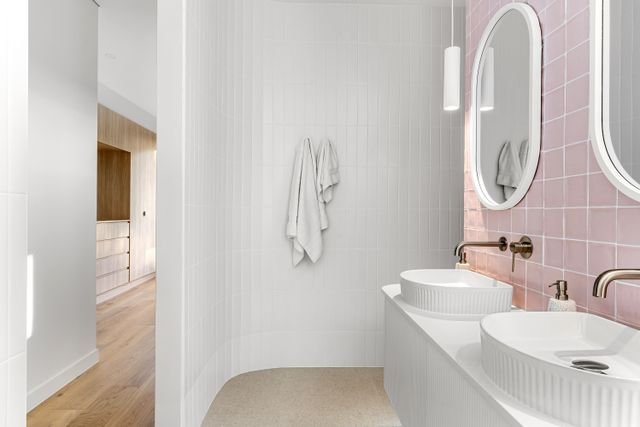
8 Bathroom Tile Trends You Will See in 2027
Bathroom design in 2027 will be moving towards a balance of timeless materials, natural textures and more expressive tile arrangements. Our prediction is that homeowners will explore warm neutral colours, stone-inspired surfaces, tactile finishes and carefully selected feature areas.
Here are eight bathroom tile trends to consider for 2027.
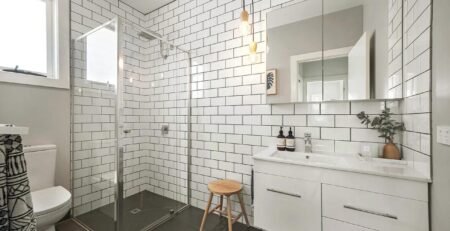
1. Classic Subway Tiles
Subway tiles remain a timeless bathroom option, but modern applications are moving beyond the traditional white rectangular tile.
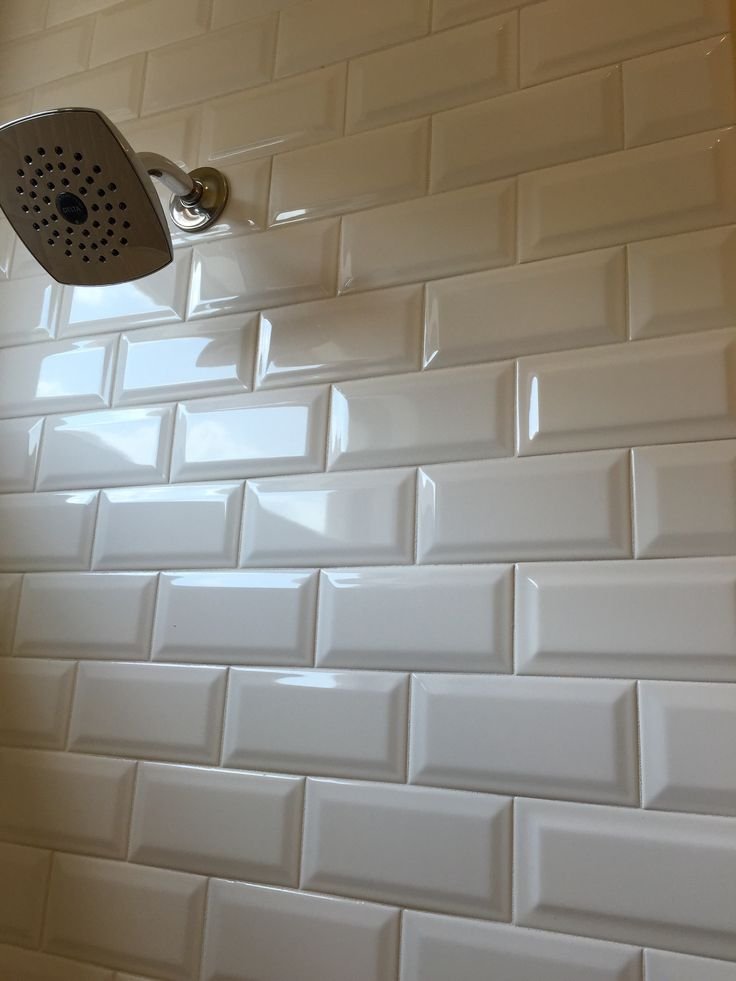
For 2027, consider warmer whites, soft cream, muted green and handmade-look glazes. These colours create a softer appearance while retaining the simplicity that makes subway tiles versatile.
The installation pattern can also change the overall effect:
- Running bond: A traditional staggered layout that works in many bathroom styles.
- Stacked horizontal: Straight horizontal lines for a clean, contemporary appearance.
- Vertical stack: An arrangement that draws the eye upwards and can make walls feel taller.
- Contrasting grout: Adds definition to the tile pattern, although it may create a busier appearance.
Subway tiles are particularly suitable for shower walls, vanity backsplashes and selected feature areas.
2. Hexagon Tiles
Hexagon tiles introduce geometric interest without necessarily overwhelming the bathroom.
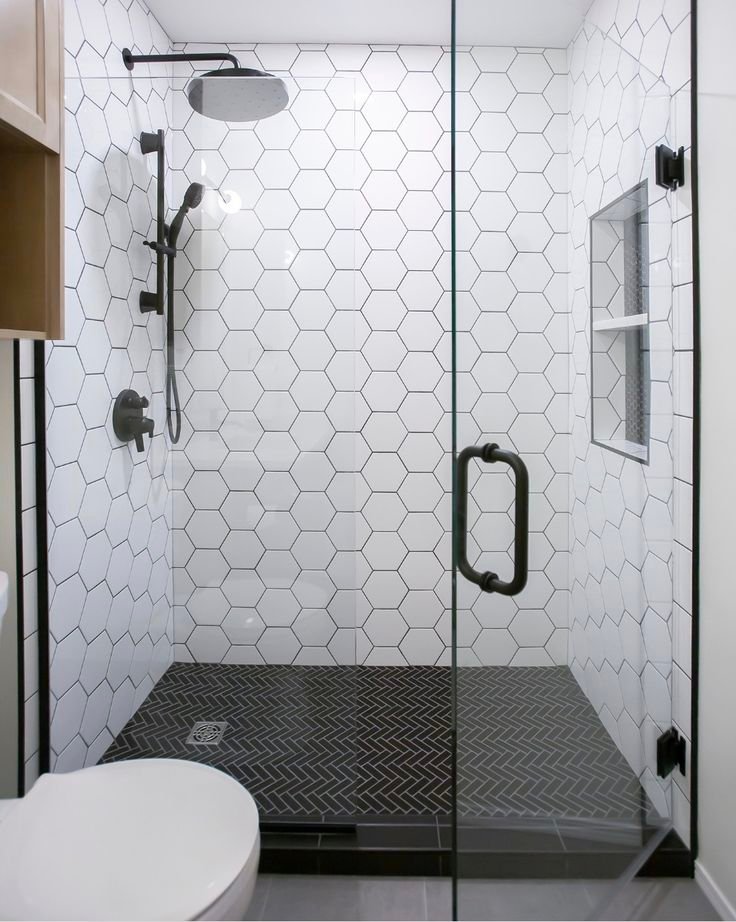
They work well on floors, shower areas, niches and selected feature walls. Smaller hexagon mosaics can provide detailed patterns, while larger formats create a more contemporary appearance.
For a balanced result, use hexagon tiles in one defined area rather than covering every surface with the same pattern.
A dark hexagon floor can contrast beautifully with warm neutral wall tiles, while muted green or beige options can create a softer, nature-inspired appearance.
When using smaller tiles in wet areas, pay attention to grout selection, cleaning requirements and slip resistance.
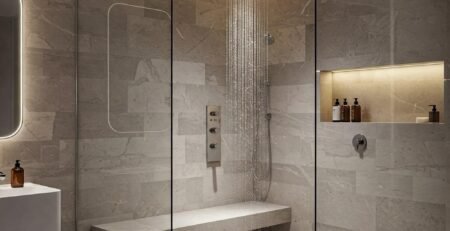
3. Natural Stone and Stone-Look Porcelain
Natural stone-inspired finishes remain an important direction for bathroom design.
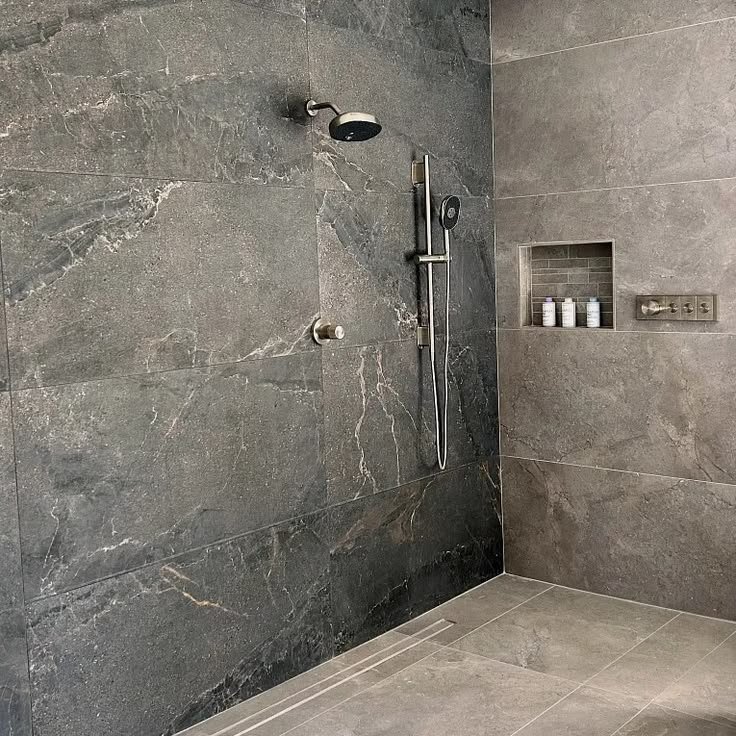
Travertine-inspired porcelain, limestone tones, marble veining and textured stone effects can introduce warmth and a connection to nature.
Porcelain alternatives are worth considering where homeowners want a stone-like appearance with a more predictable maintenance routine. Their actual performance still depends on the product specification, surface finish and installation quality.
Popular applications include:
- Stone-look porcelain on bathroom floors.
- Marble-effect tiles on vanity walls.
- Travertine-inspired finishes in shower areas.
- Limestone tones for calm, understated interiors.
- Contrasting stone textures in selected feature zones.
The key is to avoid excessive pattern combinations. A natural-looking tile often works best when supported by simple cabinetry, restrained fittings and warm lighting.
4. Warm Neutral Bathroom Colour Palettes
Stark white bathrooms are increasingly being complemented by warmer and more natural colour schemes.
Consider ivory, sand, clay, taupe, mushroom, warm beige and soft greige. These colours create a welcoming atmosphere and pair well with timber-look vanities, brushed brass fittings and matte black accents.
A warm neutral palette can also make a compact bathroom feel more comfortable without relying on strong patterns or dark colours.
For example, combine beige floor tiles with slightly lighter wall tiles and a timber-look vanity. Introduce contrast through the tapware, mirror frame or selected accessories.
5. Textured and Three-Dimensional Tiles
Flat surfaces are no longer the only way to create interest in a bathroom. Textured and three-dimensional tiles introduce depth through the way light interacts with their surfaces.
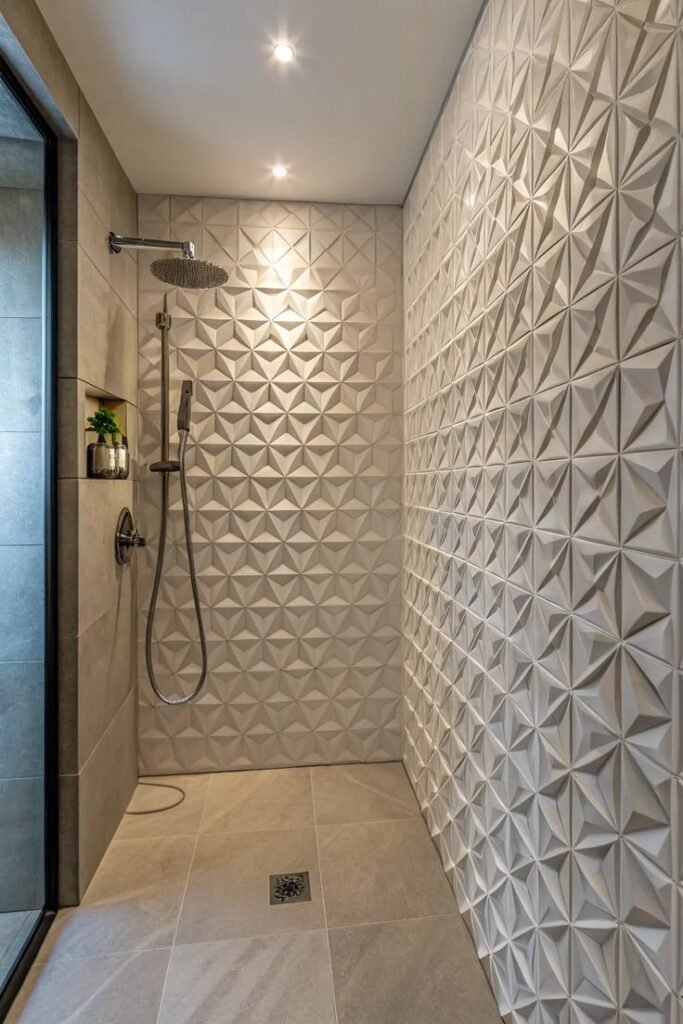
Options include:
- Fluted tile surfaces.
- Ripple-effect ceramics.
- Ribbed and linear patterns.
- Sculptural wall tiles.
- Handmade-look finishes.
- Subtle raised geometric designs.
These finishes work particularly well behind a vanity, inside a shower feature zone or on a selected bathroom wall.
Use them selectively. Covering every wall with a strong three-dimensional pattern can make a small bathroom feel crowded.
Also consider cleaning requirements because deep grooves and textured surfaces may collect more soap residue and dirt than smooth tiles.
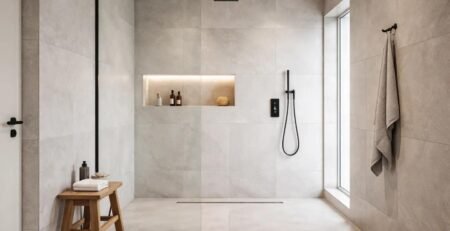
6. Large-Format Tiles for a Cleaner Appearance
Large-format tiles continue to appeal to homeowners who prefer a clean, spacious and contemporary bathroom.
Because they reduce the number of grout lines, they can create a more continuous appearance across floors and walls.
They are particularly suitable for:
- Modern master bathrooms.
- Walk-in showers.
- Minimalist ensuite spaces.
- Large bathroom feature walls.
- Bathrooms with simple, understated finishes.
However, large tiles require careful installation. The substrate must be properly prepared, and the installer should account for tile flatness, alignment, drainage falls and the manufacturer’s installation requirements.
For floors, choose a suitable slip-resistant finish rather than assuming that a large tile is automatically safe in a wet area.
7. Spa-Inspired Wet Rooms
Spa-inspired bathrooms focus on simplicity, open layouts and a more relaxing bathing experience.
Wet-room-style showers are one way to achieve this look. They can include continuous floor tiling, concealed drainage, frameless glass screens and minimal visual interruptions.
This approach can work in compact urban bathrooms as well as larger ensuite spaces, provided the room is designed correctly.
Important considerations include:
- Proper waterproofing.
- Correct floor falls towards the drain.
- Suitable drainage capacity.
- Slip-resistant floor finishes.
- Appropriate shower screening.
- Ventilation and moisture management.
- Accessible plumbing and maintenance points.
A wet room is not simply a bathroom with no shower tray. Its success depends on technical detailing and professional installation.
8. Statement Shower Zones and Feature Areas
Rather than using identical tiles throughout the bathroom, designers are creating carefully selected feature zones.
A shower wall, vanity backdrop, niche or bathroom floor can become the main visual feature.
Consider these combinations:
- Patterned shower floors with plain wall tiles.
- Vertical subway tiles behind the vanity.
- Textured tiles inside a shower niche.
- Contrasting colours within a walk-in shower.
- Stone-look feature walls with simple surrounding finishes.
The aim is to introduce personality while maintaining a consistent design language.
A feature zone should also be planned around fittings, shelves, niches and glass panels so that tile cuts and joints look intentional.
Choosing Bathroom Tiles for a Nairobi Home
Bathroom tile selection should be based on more than trends. The material needs to suit the room’s exposure to water, cleaning routine, size and intended use.
Before purchasing tiles, consider:
Slip resistance: Bathroom floors and shower areas need finishes suitable for wet conditions. Ask the supplier for the relevant product rating and intended application.
Water absorption: Select products appropriate for the specific wet-area application and follow the manufacturer’s recommendations.
Grout colour: Choose grout that complements the tiles and consider how it will look after regular cleaning.
Installation quality: Check the condition of the substrate, waterproofing, alignment, joint spacing and drainage falls.
How to Combine Bathroom Tile Trends Without Overdoing Them
A good bathroom does not need to use every trend at once. Select one main design direction and use other materials to support it.
For example, a modern ensuite could combine large-format stone-look wall tiles, warm neutral floor tiles, a textured vanity backdrop and brushed-metal fittings.
A smaller apartment bathroom might use light-coloured subway tiles, a simple hexagon shower floor and a timber-look vanity.
The most successful combinations consider tile size, grout colour, lighting, fittings and the overall dimensions of the room.
Why Professional Tile Selection and Installation Matter
Even high-quality tiles can produce a disappointing result if the wrong products are selected or the installation is poorly executed.
A professional finishing team should consider measurements, tile layouts, surface preparation, waterproofing, adhesive suitability, grout, trims and drainage before installation begins.
SUIMAS Interiors supports residential interior design, flooring, bathroom finishing and coordinated renovation projects. The aim is to help homeowners select finishes that look appropriate and perform well in everyday use.
You can also explore wooden versus laminate flooring in Kenya for other flooring considerations, and the cost of full house interiors in Kenya when planning a wider home finishing budget.
For homeowners upgrading multiple rooms, see modern interior design ideas for a three-bedroom house, home design trends in Nairobi and the SUIMAS design-and-build process.
Plan Your Bathroom Upgrade With SUIMAS Interiors
The bathroom tile trends of 2027 offer plenty of inspiration, from classic subway tiles and hexagon patterns to stone-look porcelain, warm neutrals and spa-inspired wet rooms.
The best choice is the one that suits your bathroom dimensions, lifestyle, maintenance preferences and budget.
SUIMAS Interiors can help you coordinate bathroom finishes with flooring, ceilings, lighting, cabinetry and other interior elements as part of a wider renovation or residential finishing project.
Planning a bathroom renovation or new ensuite? Contact SUIMAS Interiors to discuss your preferred tile styles, bathroom layout, finishing materials and installation requirements.
Areas We Serve
SUIMAS Interiors provides professional interior design, office partitioning, soundproofing, gypsum and acoustic ceiling installation, flooring, renovation, building and complete interior fit-out services across Nairobi, Kenya and East Africa. Our integrated approach brings construction and interior design under one roof, helping clients manage projects from planning and structural works to finishing and furnishing.
In Nairobi and its surrounding areas, we serve clients in Lavington, Loresho, Lang’ata, Westlands, Karen, Runda, Muthaiga, Utawala, Spring Valley, Gigiri, Lower Kabete, Ruaka, Kilimani, Kileleshwa, Parklands, Upper Hill and Kiambu.
We also undertake projects in Eldoret, Kisumu, Nakuru, Naivasha, Meru and Mombasa, providing interior design, office fit-outs, renovations, flooring, ceilings, partitioning and other finishing solutions suited to each project.
Beyond these major towns, SUIMAS Interiors works with clients across Kenya and East Africa, delivering residential, commercial, healthcare, hospitality and other interior and construction projects.
Planning a project in your area? Contact SUIMAS Interiors to discuss your requirements and arrange a consultation.
Call or WhatsApp: 0717 044 443 | 0739 255 050 | 0725 021 709