Best Building Contractors in Nairobi
Recent building collapses in parts of Nairobi, including Eastleigh and South B, have renewed attention on construction safety and the importance of proper professional oversight. A building should never be treated as a shortcut-driven exercise. Safe construction should have competent professionals, approved designs, suitable materials, supervision and compliance with applicable regulations.
A contractor’s quotation may look attractive, but price alone cannot establish whether the company is qualified to undertake the work. Before signing an agreement, clients should establish the contractor’s registration status, the professionals responsible for the design, the approvals obtained and how construction quality will be monitored.
SUIMAS Interiors positions its construction services around coordinated project delivery, professional requirements and the connection between building construction and final interior finishing.
Why Choosing the Right Building Contractor Matters
Construction involves several connected activities, from site preparation and foundations to structural works, roofing, services, finishes and handover.
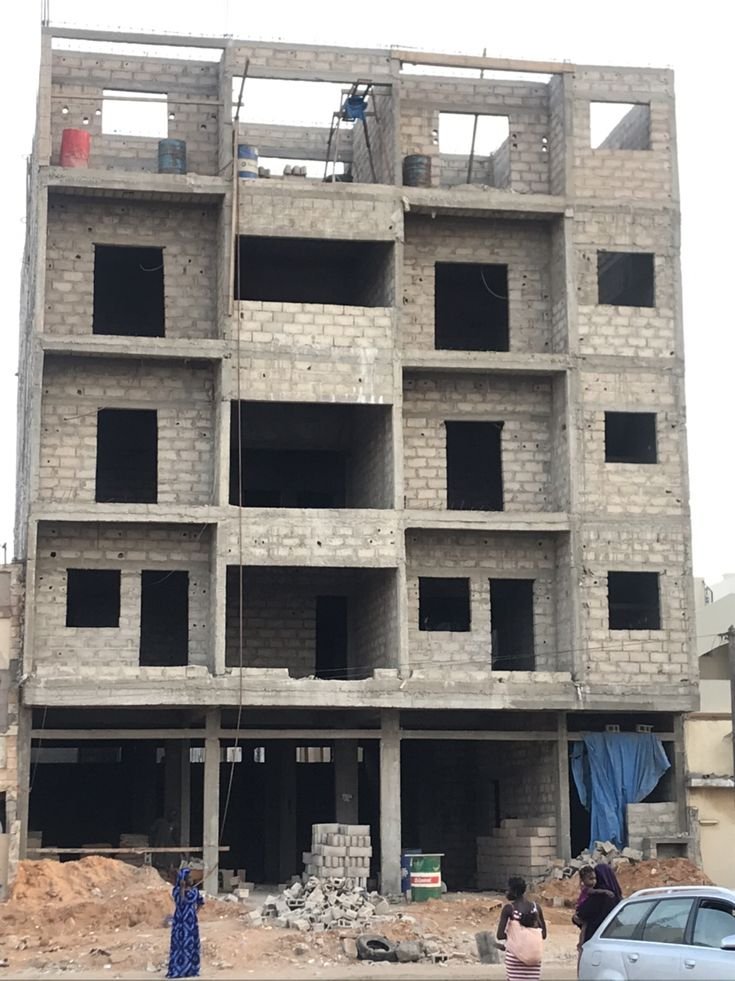
Errors at the early stages can affect the safety, cost and performance of the completed building. Poor workmanship, unsuitable materials, unapproved design changes and inadequate supervision can also create problems that are expensive to correct.
A responsible contractor should work within the approved project scope, coordinate the relevant professionals, follow the specified construction details and maintain appropriate site controls.
The developer should also understand their responsibilities for approvals, project registration, contracts and professional appointments.
What NCA Registration Means in Kenya
The National Construction Authority (NCA) regulates contractors in Kenya. Under Section 15 of the National Construction Authority Act, a person or company cannot carry on the business of a contractor unless registered by the Authority and holding a valid practising licence.
NCA registration is therefore an important first check when selecting a building contractor.
What to Check Before Hiring
Ask the contractor for its NCA registration details and current practising licence. Confirm the company name, registration category and licence status rather than relying only on a logo, certificate photograph or verbal assurance.
The NCA provides an online registered contractors search where clients can search using a company name or registration number.
It is also important to confirm that the contractor’s registration category is appropriate for the nature and scale of the proposed work.
Registration and Practising Licences
NCA contractor registration involves company, technical and other supporting documentation. The Authority’s published requirements include company registration details, tax compliance information, technical qualifications and other evidence relevant to the application.
A contractor should maintain a valid practising licence for the relevant financial year. Do not assume that an old registration certificate alone proves that the current licence is active.
Why EBK-Registered Engineers Matter
Structural safety is not the responsibility of a general contractor alone. Structural design and professional review require appropriately qualified and registered engineering professionals.
The Engineers Board of Kenya (EBK) regulates engineering professionals. Where structural engineering services are required, clients should establish who is responsible for the design and confirm that the engineer is appropriately registered and holds a valid practising licence.
NCA’s project-registration requirements specifically state that project consultants, including engineers, must be registered with their relevant professional bodies and hold valid practising licences.
A suitably registered structural engineer should be involved in the relevant structural design and review work, including:
- Foundation design based on appropriate site and engineering information.
- Design of columns, beams, slabs and other structural elements.
- Assessment of structural loads and load paths.
- Preparation and review of structural drawings.
- Specification of reinforcement and concrete requirements.
- Professional review of proposed structural changes.
Do not accept an informal assurance that a building is structurally sound as a substitute for the relevant engineering design and supervision.
Building Approvals Are Not Optional Paperwork
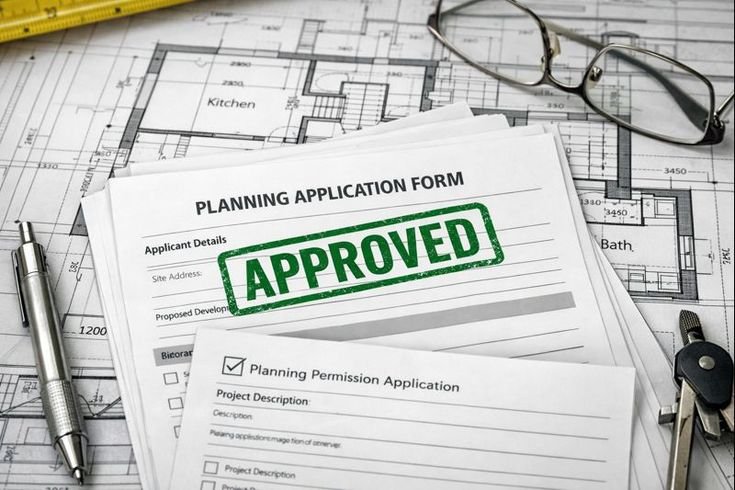
Before construction begins, the required project approvals and professional documentation should be in place.
The exact approvals depend on the location, building type, project scope and applicable regulations. They may include county building approvals, approved architectural and structural drawings, and other statutory approvals where relevant.
NCA’s published project-registration requirements identify several documents and approvals, including:
- NCA registration and valid practising licences for the contractor and subcontractors.
- Registration and valid practising licences for relevant consultants.
- Approved architectural and structural drawings.
- County physical planning approvals.
- Other statutory approvals, such as NEMA, EPRA, WRA and KCAA licences where applicable.
- A bill of quantities summary signed and stamped by the quantity surveyor.
- The developer’s KRA PIN.
- A signed contract or agreement with the contractor and relevant consultants.
- Appropriate consultant supervision commitments.
Who Registers the Construction Project?
NCA states that the developer is responsible for registering the project with the Authority. Its published guidance refers to registration within 30 days after the construction contract is awarded to an NCA-registered contractor.
Project registration is a separate requirement from checking the contractor’s own registration and practising licence.
Clients should therefore confirm both the contractor’s status and the project’s registration and approval arrangements.
What Makes a Responsible Building Contractor?
1. Qualified Professionals
The contractor should identify the relevant professionals responsible for the architectural, structural, quantity surveying and other technical requirements of the project.
2. Approved Drawings and Documented Scope
Construction should follow the approved drawings and agreed scope. Changes that affect structural design or other regulated requirements should receive the appropriate professional review and approvals before implementation.
3. Quality Materials
Materials should meet the project specifications and be suitable for their intended applications.
For structural works, this includes appropriate concrete, reinforcement and other specified construction materials. Clients should ask how materials will be sourced, checked and documented.
4. Site Supervision
Construction requires monitoring at important stages. Foundations, reinforcement, formwork, concrete placement and other critical activities should be inspected by the relevant professionals in accordance with the project requirements.
5. Clear Project Documentation
The client should receive a written scope of work, programme, payment schedule and clear arrangements for variations, inspections and handover.
A documented process helps reduce misunderstandings and makes it easier to track progress.
SUIMAS Interiors’ Safety-Focused Construction Approach
SUIMAS Interiors positions its construction offering around professional compliance, coordinated project management and quality-conscious delivery.
For its building construction projects, SUIMAS highlights the importance of:
- NCA registration and a valid practising licence.
- Engagement of qualified and appropriately registered professionals where required.
- Structural engineering input for structural works.
- Approved drawings and controlled design changes.
- Appropriate material selection and quality checks.
- Site supervision and documented project coordination.
- Clear project scope, programme management and snagging.
- Safety-conscious workmanship from foundation to finishing.
Clients should request the current NCA registration and practising licence details during the appointment process, and verify them through the Authority’s official search. The same verification principle applies to the relevant consultants and professional licences.
From Foundation to Finishing
SUIMAS connects construction with interior design and finishing services. This allows clients to consider the building and its final use together rather than treating them as completely separate activities.
Depending on the project, the coordinated scope may include building works, 3D design, interior planning, custom furniture, flooring, ceilings, kitchen cabinetry and other finishing requirements.
You can explore residential house construction services, local building contractor services and the SUIMAS design-and-build process.
For clients planning a complete property project, see construction and interior design under one roof and the cost of full house interiors in Kenya.
Questions to Ask Before Hiring a Building Contractor in Nairobi
Before appointing a contractor, ask the following questions and request supporting documentation where appropriate.
1. Is the contractor NCA registered, and is its practising licence current?
Request the registration number and verify the company through the NCA’s official contractor search.
2. Who is the structural engineer, and are they EBK registered?
Establish who is responsible for structural design, review and supervision, and confirm the relevant professional registration and licence.
3. Have the drawings and project approvals been obtained?
Ask to see the approved architectural and structural drawings and relevant county approvals before work begins.
4. Will the works be supervised and inspected at critical stages?
Understand who will inspect foundations, reinforcement, concrete works and other important construction activities.
5. What materials and construction standards will be used?
Ask for the specifications of concrete, reinforcement, masonry and other materials relevant to the project.
6. Is there a written scope, programme and payment schedule?
The agreement should clearly state the work included, responsibilities, timelines, payment stages and how variations will be handled.
7. What happens if defects or incomplete work are identified?
Clarify the inspection, snagging, rectification and applicable warranty arrangements before signing the contract.
How to Compare Building Contractors Fairly
Do not compare contractors using the total quotation alone. A lower price may exclude important work, use different specifications or omit professional services that another proposal includes.
Compare quotations against the same project information, drawings and material specifications.
Review:
- NCA registration and practising licence.
- Relevant project experience.
- Identified consultants and professional qualifications.
- Scope of work and exclusions.
- Materials and workmanship specifications.
- Construction programme and supervision arrangements.
- Payment terms and variation procedures.
- Handover and defect-rectification arrangements.
Where possible, request references and visit completed projects that are similar in type and scale to your proposed development.
Choosing a Building Contractor Who Can Manage the Complete Project
A safe and successful construction project depends on more than attractive designs and competitive quotations. It requires qualified professionals, proper approvals, suitable materials, site supervision and a contractor who understands their responsibilities.
SUIMAS Interiors brings building construction, 3D design, interior design, custom furniture and finishing services into a coordinated project offering. This is relevant to homeowners and businesses that want to connect the construction stage with the final use and appearance of their property.
The important first step is to establish the project requirements, confirm the relevant registrations and approvals, and agree on a clear written scope before construction begins.
Planning to build a home, commercial property or investment development? Contact SUIMAS Interiors to discuss your construction and finishing requirements, project scope and professional coordination needs.
Areas We Serve
SUIMAS Interiors provides professional interior design, office partitioning, soundproofing, gypsum and acoustic ceiling installation, flooring, renovation, building and complete interior fit-out services across Nairobi, Kenya and East Africa. Our integrated approach brings construction and interior design under one roof, helping clients manage projects from planning and structural works to finishing and furnishing.
In Nairobi and its surrounding areas, we serve clients in Lavington, Loresho, Lang’ata, Westlands, Karen, Runda, Muthaiga, Utawala, Spring Valley, Gigiri, Lower Kabete, Ruaka, Kilimani, Kileleshwa, Parklands, Upper Hill and Kiambu.
We also undertake projects in Eldoret, Kisumu, Nakuru, Naivasha, Meru and Mombasa, providing interior design, office fit-outs, renovations, flooring, ceilings, partitioning and other finishing solutions suited to each project.
Beyond these major towns, SUIMAS Interiors works with clients across Kenya and East Africa, delivering residential, commercial, healthcare, hospitality and other interior and construction projects.
Planning a project in your area? Contact SUIMAS Interiors to discuss your requirements and arrange a consultation.
Call or WhatsApp: 0717 044 443 | 0739 255 050 | 0725 021 709