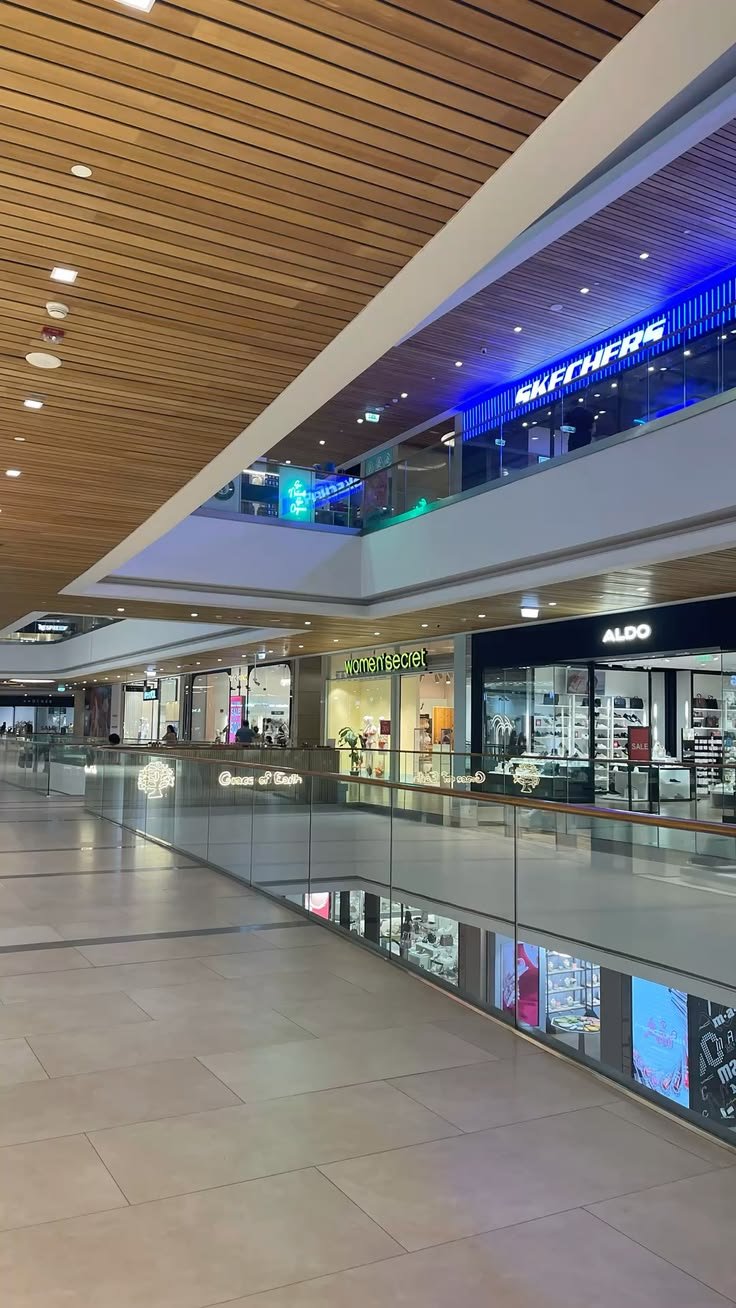
Mall Construction Cost in Kenya
Mall Construction Cost in Kenya — The Complete Guide
Mall construction cost in Kenya is the number one question every developer, investor, and property owner asks — and the question that most cost guides answer only partially, leaving developers to discover the real total cost the hard way, mid-project, when it is most expensive to course-correct.
Furthermore, the typical Kenyan developer searching for mall construction costs is not looking for a raw per-square-metre number. They are trying to answer a more important question: can I afford to build this mall, make it commercially successful, and get a return on my investment?
That is the question this guide answers completely. Moreover, it covers the structural construction cost — using verified data from Integrum Consortium’s actual Kenya project database — but it goes significantly further. It covers interior fit-out costs, the hidden costs that derail budgets, total development cost, the financial return on design quality, and — crucially — the role that professional interior design plays in turning a construction investment into a genuinely profitable Kenya mall.
💡 What most Kenya developers discover too late: The structural construction cost of a Kenya mall is typically 45–55% of the total investment required to open a commercially successful mall. The remaining 45–55% — interior fit-out, professional fees, approvals, finance costs, landscaping, and pre-opening costs — is what most Kenya mall construction cost guides never mention.
At Suimas, we are Kenya’s #1 interior design and commercial fit-out company — crowned the Best Interior Design Company in Nairobi for three consecutive years. Furthermore, we have partnered with Kenya’s most successful mall developers to deliver the interior design and fit-out that turns structural investments into thriving retail destinations. This guide is built on 18+ years of Kenya mall project experience — and it gives you the complete financial picture that no structural contractor’s cost guide can.
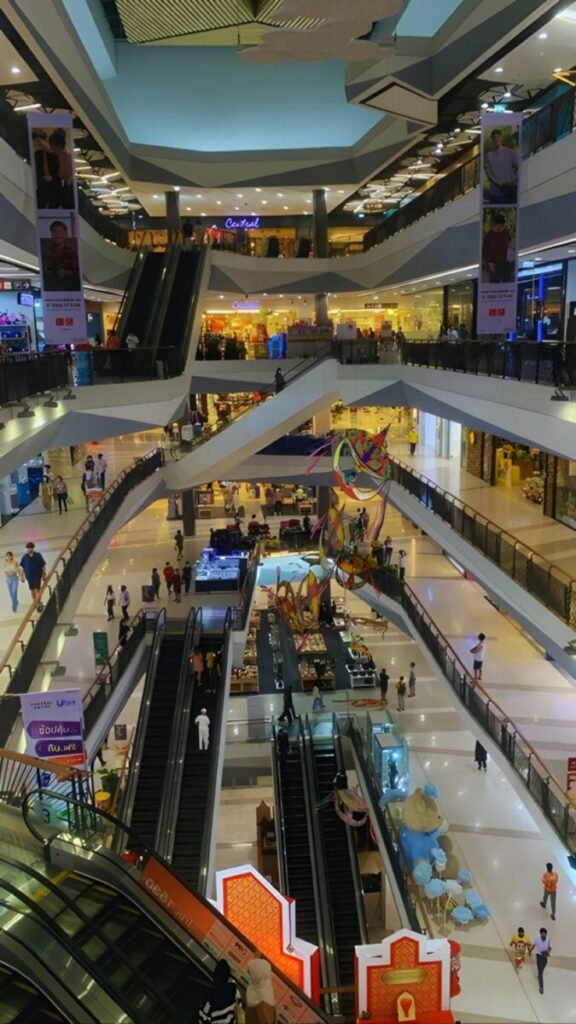
Who Is Building Malls in Kenya Right Now — And What They Need to Know
Before diving into costs, it is important to understand who is actually building malls in Kenya — because different developer types have different cost priorities, different risk tolerances, and different information needs.
The Institutional Developer
Large developers — Centum Group, Actis, Knight Frank-managed funds — building regional malls of 10,000 m² GLA and above. Furthermore, institutional developers have professional project management, financial modelling, and quantity surveying in-house. Their primary cost question is: what is the all-in development cost per m² of GLA, and what cap rate does this generate at achievable rental levels?
What institutional developers need from this guide:
- Verified per-square-metre construction rates by region and specification
- Interior fit-out cost by zone — for accurate total development cost modelling
- The relationship between fit-out quality and achievable rental rates
- Stage-by-stage cost distribution for cash flow planning
The SME Developer
Kenya’s most active mall developers — property owners building neighborhood and community malls of 500–8,000 m² GLA in Nairobi’s growing suburbs and regional cities. Furthermore, SME developers typically have limited in-house project expertise and are making construction cost decisions with significant personal financial risk. According to Knight Frank, much of Kenya’s new retail supply is concentrated in neighborhood and community centers — built primarily by this developer category.
What SME developers need from this guide:
- A realistic total cost budget — not just the structural rate
- What their budget actually buys at different specification levels
- The hidden costs they must budget for but rarely know about
- How to avoid the most expensive mistakes that derail mall budgets
- How professional interior design affects their rental income and ROI
The Retail Chain Planning Multiple Locations
Naivas (113 stores nationwide), Carrefour (34 outlets), Quickmart — supermarket chains and retail brands leasing mall space need to understand fit-out costs for their specific unit type. Furthermore, they need to evaluate whether the landlord’s common area quality justifies their target rental rate.
What retail chains need from this guide:
- Retail unit fit-out cost by category
- How to evaluate whether a landlord’s common area investment justifies lease commitment
- Food court design quality — the primary driver of F&B tenant performance
The Diaspora Investor
Kenyan diaspora based in the UK, USA, Canada, UAE, and Australia increasingly invest in Kenya commercial property — including retail centres — as income-generating assets. Furthermore, diaspora investors are managing significant financial risk from abroad and need both cost clarity and a trusted on-the-ground professional partner.
What diaspora investors need from this guide:
- Complete total development cost — not just construction rates
- Expected rental income and return on investment
- A trustworthy Nairobi-based partner who can manage the interior design and fit-out professionally
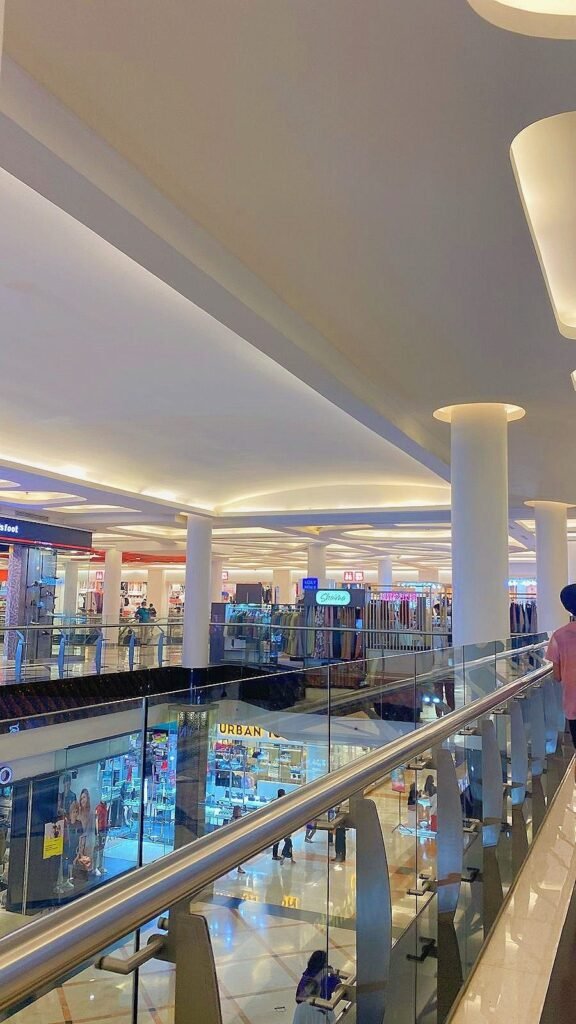
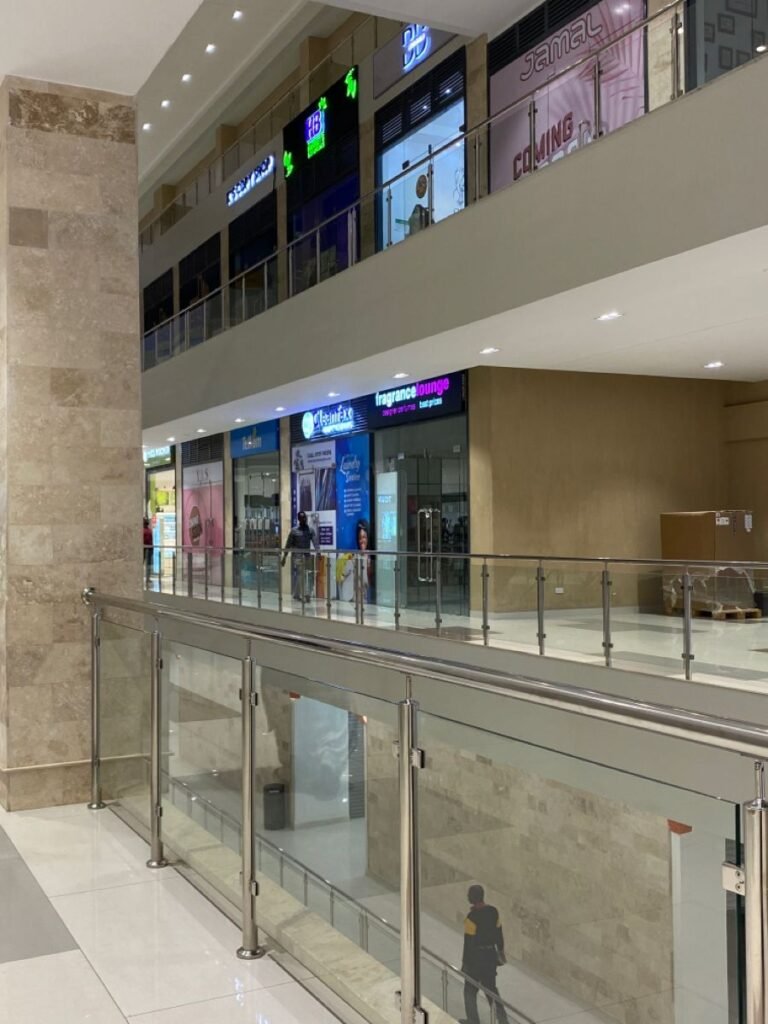
Mall Construction Cost Per Square Metre Kenya — Verified Rates
The following construction cost data is sourced from Integrum Consortium’s Kenya construction cost database — built from actual project cost schedules across hundreds of Kenya construction projects. Furthermore, the 2025 construction costs in Kenya have continued to rise, with the average building rates varying sharply by region and property type, and retail developments whose building costs average between KES 58,610 and 97,880 per square metre.
Nairobi and Central Kenya — Mall Construction Cost
Average building costs for shopping centres in Nairobi: Small Scale Shopping Centre at KES 58,610 per square metre (KES 5,445 per square foot), Standard Urban Shopping Complex at KES 75,760 per square metre (KES 7,038 per square foot), and All-Inclusive Shopping Mall at KES 89,980 per square metre (KES 8,359 per square foot).
What each Nairobi specification level delivers for your Kenya mall:
Small-Scale Shopping Centre — KES 58,610/m² This rate delivers a structurally sound single or two-storey retail building — reinforced concrete frame, basic facade, ceramic tile or standard porcelain floors in common areas, standard electrical and plumbing rough-in, minimal MEP system, and basic toilet provision. Furthermore, this specification is appropriate for strip malls, discount retail formats, and basic neighbourhood convenience centres where footfall is driven by location rather than design quality. It is not appropriate for any mall competing for quality anchor tenants or premium retail brands.
Standard Urban Shopping Complex — KES 75,760/m² This rate delivers a quality multi-level retail structure — better-quality common area finishes, improved MEP systems with zone control, porcelain tile common areas, improved lighting, quality toilet facilities, and structured car parking. Furthermore, this specification is appropriate for community malls anchored by a full-size supermarket with 20–50 secondary tenants, serving a defined residential catchment.
All-Inclusive Shopping Mall — KES 89,980/m² This rate delivers a premium retail structure — escalators and lifts, premium common area finishes, full MEP with smart building management, quality flooring, feature lighting, premium toilet facilities, and structured car parking with good wayfinding. Furthermore, this specification is appropriate for destination malls, regional centres, and premium community retail competing with Nairobi’s established mall stock.
Western and Nyanza Region — Mall Construction Cost
Average building costs for shopping centres in Western/Nyanza: Small Scale Shopping Centre at KES 62,340 per square metre (KES 5,792 per square foot), Standard Urban Shopping Complex at KES 82,510 per square metre (KES 7,665 per square foot), and All-Inclusive Shopping Mall at KES 97,880 per square metre (KES 9,093 per square foot).
Western and Nyanza costs exceed Nairobi across all mall categories. Furthermore, this reflects higher material transportation costs, premium contractor mobilization fees, and the more limited specialist subcontractor availability in Kenya’s western region compared to Nairobi’s well-supplied construction market.
Coastal Kenya — Mall Construction Cost
Average cost of construction for shopping centres in Coastal Kenya: Small Scale Shopping Centre at KES 60,010 per square metre (KES 5,575 per square foot), Standard Urban Shopping Complex at KES 80,080 per square metre (KES 7,440 per square foot), and All-Inclusive Shopping Mall at KES 94,990 per square metre (KES 8,825 per square foot).
Coastal construction carries additional costs not fully captured in the per-square-metre rate — marine-grade materials for salt air resistance, enhanced waterproofing for coastal humidity, and coastal-specific material transport logistics.
Complete Regional Comparison — Kenya Mall Construction Cost
| Mall Type | Nairobi | Coast | Western/Nyanza |
|---|---|---|---|
| Small-scale shopping centre | KES 58,610/m² | KES 60,010/m² | KES 62,340/m² |
| Standard urban shopping complex | KES 75,760/m² | KES 80,080/m² | KES 82,510/m² |
| All-inclusive shopping mall | KES 89,980/m² | KES 94,990/m² | KES 97,880/m² |
📍 Construction cost data sourced from Integrum Consortium’s actual Kenya project cost database. Rates exclude land, professional fees, interior fit-out, and VAT on imported materials.
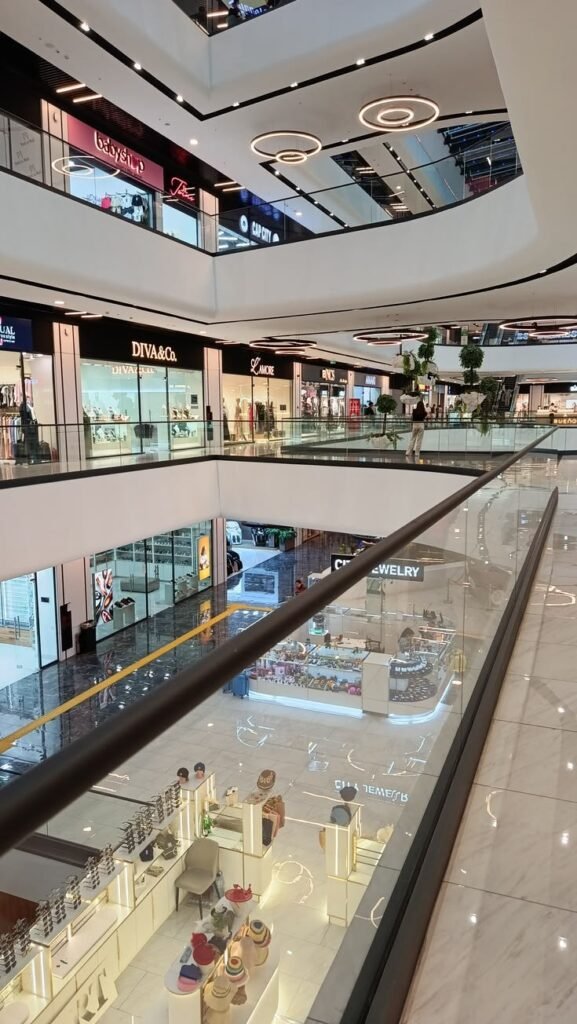
The Historical Cost Trend — What Kenya Mall Construction Has Done Since 2021
According to Integrum’s year-on-year price-tracking models, the 2025 construction costs in Kenya have increased by an overall average of 12.09% — about five points behind 2024’s 17.57%. At the regional level, Nairobi and Central Kenya recorded some of the highest growth rates in 2025, particularly in commercial and retail property categories, with construction costs for shopping malls increasing by 15.11%.
| Year | Nairobi Small Mall/m² | Nairobi Standard/m² | Nairobi All-Inclusive/m² | Change |
|---|---|---|---|---|
| 2021 | KES 37,480 | ~KES 48,000 | KES 55,500 | Post-Covid baseline |
| 2022 | KES 39,000 | ~KES 52,000 | KES 57,700 | ~+8% |
| 2023 | KES 44,500 | ~KES 60,000 | KES 65,500 | ~+13% |
| 2024 | KES 50,950 | KES 72,400 | KES 78,170 | +19.34% |
| Current | KES 58,610 | KES 75,760 | KES 89,980 | +15.11% |
The critical developer implication of this trend: Every year of delay in mall project commencement adds approximately 12–15% to structural construction cost alone. Furthermore, on a KES 300M construction budget, a one-year delay costs approximately KES 36–45M in additional structural cost — before any financing cost impact is calculated. Therefore, developers with approved plans, secured sites, and available financing should not delay commencement without quantifying this escalation cost explicitly.
What Your Budget Actually Buys — The Practical Kenya Mall Specification Guide
This is the section every Kenya mall developer actually needs — and the section no competitor provides. Furthermore, knowing the per-square-metre rate is only useful if you know what that rate buys in terms of real design quality and commercial appeal.
Budget A — KES 58,000–65,000/m² (Small-Scale Specification)
Structure and envelope: Reinforced concrete frame, standard block walls, basic painted render external finish, box profile steel roof or flat concrete slab.
Common area finishes: 40x40cm or 60x60cm ceramic tile flooring — durable but dated-looking. Standard painted plaster walls. Basic flush-mounted fluorescent or LED panel lighting. No feature ceiling. Standard aluminium windows throughout.
MEP: Single-phase electrical supply to each unit. Basic plumbing. No HVAC — natural ventilation only. Basic fire detection system. No BMS.
Toilets: Ceramic tile, basic fixtures, standard mirrors, manual taps.
Car park: Crushed stone or basic tarmac surface. No lighting beyond perimeter. No markings.
Commercial reality: This specification attracts price-sensitive tenants — supermarkets competing on value, informal retail, and service providers. It does not attract national retail brands, quality F&B operators, or international retailers. Furthermore, rental rates at this specification level are typically KES 80–150 per sqft per month in Nairobi — significantly below the KES 180–350 per sqft achievable at premium specification.
Budget B — KES 75,000–85,000/m² (Standard Specification)
Structure and envelope: Quality reinforced concrete frame, face brick or textured plaster exterior, aluminium composite cladding on feature elements, quality aluminium windows and glazing.
Common area finishes: 60x60cm or 60x120cm porcelain tile flooring in cream, grey, or stone-effect. Gypsum ceiling in key zones — entrance and food court minimum. Integrated LED downlighting. Feature lighting in atrium zone.
MEP: Three-phase electrical with tenant distribution boards. Central plumbing manifold. Split-system air conditioning in anchor tenant zones. Sprinkler and fire detection system. Basic BMS for lighting and HVAC control.
Toilets: Porcelain tile, quality fixtures, illuminated mirrors, touchless taps where budget allows.
Car park: Tarmac with painted bays, security lighting, basic wayfinding.
Commercial reality: This specification attracts established national retail brands — Naivas, Carrefour, Quickmart, quality F&B operators, and mid-range fashion retailers. Furthermore, rental rates at this specification level are typically KES 150–250 per sqft per month in Nairobi — delivering meaningfully stronger total rental income that justifies the additional construction investment.
Budget C — KES 85,000–100,000/m² (Premium Specification)
Structure and envelope: Premium concrete frame with post-tensioned slabs for larger spans, premium facade — curtain glazing, aluminium composite, or quality stone cladding, feature architectural lighting on the exterior.
Common area finishes: Large-format 80x160cm or 120x240cm porcelain throughout, natural stone in entrance zones, multi-level gypsum feature ceiling with integrated cove lighting, feature chandelier or pendant installation in atrium, high-quality social seating throughout, landscaping and biophilic elements.
MEP: Full central HVAC with zone control and tenant metering, intelligent electrical distribution, full sprinkler and fire suppression, comprehensive BMS, escalators and lifts at appropriate locations.
Toilets: Premium large-format porcelain, touchless fixtures throughout, illuminated vanity mirrors, stone countertops, prayer room provision.
Car park: Quality tarmac with clear markings, perimeter and canopy lighting, structured car park if multi-storey, digital car count at entrances.
Commercial reality: This specification attracts Kenya’s best retail tenants — premium supermarket formats, international brands, quality restaurant operators, cinemas, and entertainment anchors. Furthermore, rental rates at this specification typically achieve KES 250–400+ per sqft per month in Nairobi — with faster lease-up, higher occupancy, and stronger long-term tenant retention.
The Hidden Costs That Derail Kenya Mall Budgets
This is the section that saves Kenya mall developers the most money — and the section that every structural contractor’s cost guide omits entirely. Furthermore, these are the costs that most commonly cause Kenya mall projects to run over budget, stall mid-construction, or open commercially underprepared.
Hidden Cost 1 — Interior Design and Fit-Out
What developers budget: KES 0 (because no construction cost guide tells them to budget for it) What it actually costs: KES 80M–300M for a 5,000 m² GLA community mall
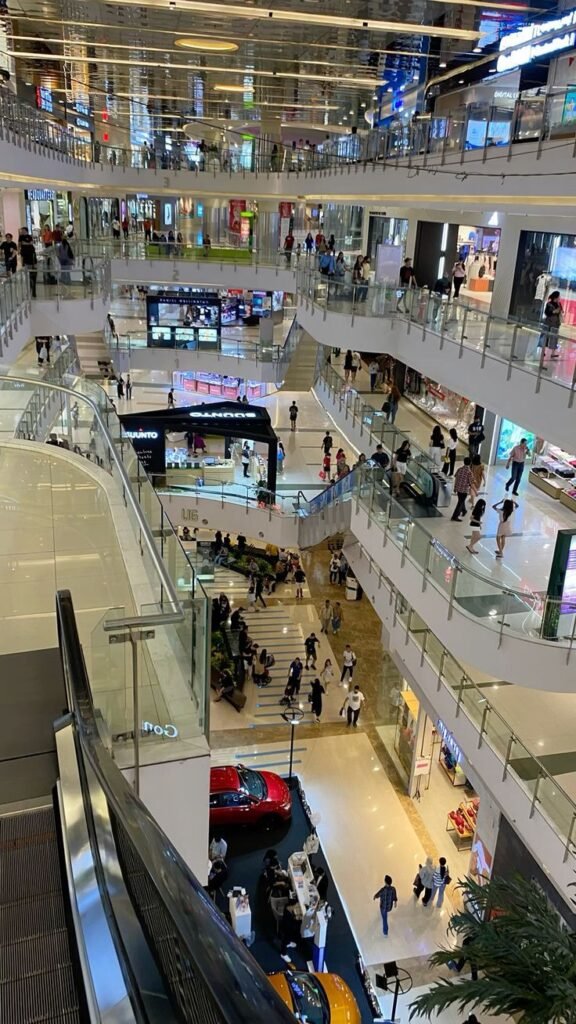
Interior fit-out is the investment that transforms a structurally complete shell into a commercially competitive retail destination. Furthermore, it covers everything that shoppers and tenants actually experience — common area design, food court design and fit-out, toilet renovation, retail unit fit-out, wayfinding and signage, and lighting design across all zones.
Interior fit-out cost by zone — Kenya:
| Zone | Cost Per m² | Indicative Cost (5,000 m² GLA) |
|---|---|---|
| Common areas — standard | KES 15,000 – 30,000 | KES 22M – 45M |
| Common areas — premium | KES 30,000 – 55,000 | KES 45M – 82M |
| Food court — standard | KES 25,000 – 50,000 | KES 12M – 25M |
| Food court — premium | KES 50,000 – 80,000 | KES 25M – 40M |
| Toilet facilities (per block) | KES 2M – 5M per block | KES 8M – 20M |
| Wayfinding system (total) | — | KES 3M – 15M |
| Retail unit developer fit-out | KES 8,000 – 35,000 | KES 16M – 70M |
The bottom line: A 5,000 m² GLA community mall with a structural construction cost of approximately KES 340M requires an additional KES 80M–200M in interior fit-out to open as a commercially competitive retail destination — depending on specification level. Budget for it from day one or face the choice between opening an unattractive shell or finding additional capital mid-project.
Hidden Cost 2 — MEP System Complexity
What developers expect: MEP as part of the structural construction rate What actually happens: MEP systems for retail environments are 40–60% more expensive per m² than MEP for office or residential buildings at the same specification level
Mall MEP systems are the most complex of any building type — central HVAC with zone control, high-voltage electrical distribution to tenant boards, fire suppression, emergency power, escalators, lifts, BMS integration, and tenant MEP stub-outs. Furthermore, these systems are frequently under-scoped in initial feasibility estimates — creating significant budget surprises during the detailed design stage.
MEP cost items most frequently underestimated:
- Central HVAC system: KES 3,000 – 8,000/m² of conditioned area
- Electrical distribution to tenant boards: KES 1,500 – 4,000/m²
- Emergency power generation: KES 2,000 – 5,000 per kVA of capacity
- Fire suppression and detection: KES 1,200 – 3,000/m²
- Smart building management system: KES 5M – 25M total system
Hidden Cost 3 — Professional Fees
What developers expect: Architecture fees only What it actually costs: 8–18% of construction cost across all professional disciplines
| Professional | Fee Basis | Range |
|---|---|---|
| Lead Architect | % of construction cost | 4–7% |
| Structural Engineer | % of construction cost | 1.5–3% |
| MEP Engineer | % of construction cost | 1.5–2.5% |
| Quantity Surveyor | % of construction cost | 1–2% |
| Project Manager | % of construction cost | 2–4% |
| Interior Design | % of fit-out cost | 8–15% |
| EIA Specialist | Fixed fee | KES 500K – 3M |
| Total Professional Fees | 8–18% of construction cost |
Hidden Cost 4 — Finance Costs During Construction
What developers expect: No interest during construction What it actually costs: KES 40M–80M additional on a KES 400M construction loan over an 18-month build period
At typical Kenya commercial finance rates of 14–18%, a KES 400M construction loan drawn over 18 months generates approximately KES 42M–54M in interest during construction. Furthermore, this cost is completely absent from every construction cost guide but directly affects total project economics and equity return.
Hidden Cost 5 — Tenant Incentives and Fit-Out Contributions
What developers expect: Tenants pay for their own fit-out What actually happens: Anchor tenants negotiate fit-out contributions of KES 5M–50M+ as a condition of lease commitment
Kenya’s major anchor tenants — Naivas, Carrefour, Quickmart, cinema operators, and major fashion retailers — typically negotiate tenant fit-out contributions, rent-free periods, and capital works commitments as conditions of signing leases. Furthermore, without anchor tenants committed, a mall cannot attract secondary tenants — making anchor tenant incentives a necessary development cost that must be budgeted from the earliest feasibility stage.
Hidden Cost 6 — Statutory Approvals and Infrastructure Contributions
What developers expect: Standard building permit fees What it actually costs: KES 5M–30M+ in total statutory costs for a community or regional mall
- NCA registration and project fees
- NEMA Environmental Impact Assessment: KES 500K – 3M
- County development permits: KES 500K – 3M
- National Environment Management Authority fees
- Kenya Power transformer upgrade contribution: KES 2M – 15M
- Water and sewerage connection fees: KES 500K – 5M
- Road improvement contribution in some counties: KES 2M – 20M
The Total Development Cost Picture — What You Are Actually Investing
This is the complete budget framework that every Kenya mall developer should build before making any capital commitment. Furthermore, it integrates structural construction, interior fit-out, professional fees, finance costs, and all other development cost categories into a single, honest total.
Total Development Cost — 5,000 m² GLA Community Mall, Nairobi (Standard Specification)
| Cost Category | Calculation Basis | Indicative Cost |
|---|---|---|
| Land acquisition | Site-specific — Nairobi suburban | KES 80M – 250M |
| Structural construction | 8,000 m² GFA × KES 75,760/m² | KES 606M |
| MEP uplift (above standard rate) | 5,000 m² × KES 5,000/m² | KES 25M |
| Interior fit-out — common areas | 1,500 m² × KES 22,500/m² | KES 34M |
| Interior fit-out — food court | 500 m² × KES 37,500/m² | KES 19M |
| Interior fit-out — toilets | 4 blocks × KES 3M | KES 12M |
| Wayfinding and signage | System total | KES 6M |
| Professional fees | 12% × KES 606M | KES 73M |
| Statutory approvals and fees | — | KES 8M |
| Infrastructure contributions | — | KES 10M |
| Finance costs (18 months at 16%) | — | KES 58M |
| Tenant incentives and fit-out | Anchor tenant contribution | KES 20M |
| Pre-opening marketing and leasing | — | KES 8M |
| Contingency (10%) | — | KES 88M |
| Total Development Cost (excl. land) | KES 967M | |
| Total Development Cost (incl. land) | KES 1.05B – 1.22B |
📍 All figures are indicative for a 5,000 m² GLA standard urban community mall in Nairobi. Site conditions, specification choices, financing structure, and timeline all affect actual total cost. Suimas provides free interior fit-out quotations after every site consultation.
The ROI Case for Premium Interior Design — Why Spending More on Fit-Out Makes Financial Sense
This is the argument that turns the interior design conversation from a cost discussion into an investment discussion. Furthermore, it is the argument that every Kenya mall developer who has completed a premium fit-out has lived through and verified.
The numbers behind the argument:
A 5,000 m² GLA mall with standard common area fit-out achieves:
- Average rental rate: KES 180/sqft/month
- Annual rental income: 5,000 m² ÷ 0.0929 × KES 180 × 12 = KES 116M per year
The same 5,000 m² GLA mall with premium common area and food court fit-out achieves:
- Average rental rate: KES 250/sqft/month
- Annual rental income: 5,000 m² ÷ 0.0929 × KES 250 × 12 = KES 161M per year
The rental income difference: KES 45M per year.
The additional fit-out investment required: KES 35M–50M above standard specification.
Payback period: 9–13 months from additional rental income alone.
10-year NPV impact of premium fit-out: Approximately KES 250M–380M in additional cumulative rental income.
Furthermore, this analysis does not include the asset value impact of premium rental rates — a mall generating KES 161M versus KES 116M annual rental income is worth approximately KES 375M more at a 12% cap rate. Moreover, faster lease-up at premium malls reduces the void period cost that erodes return in the first 12–18 months of operation.
💡 The Suimas ROI Guarantee Every Kenya mall developer who has engaged Suimas for premium common area and food court design has achieved rental rates, occupancy levels, and lease-up timelines that outperformed their standard-specification equivalents. Furthermore, we can share documented project evidence with any developer planning a Kenya mall project. Contact us to discuss →
Mall Construction Cost by Mall Type — Kenya
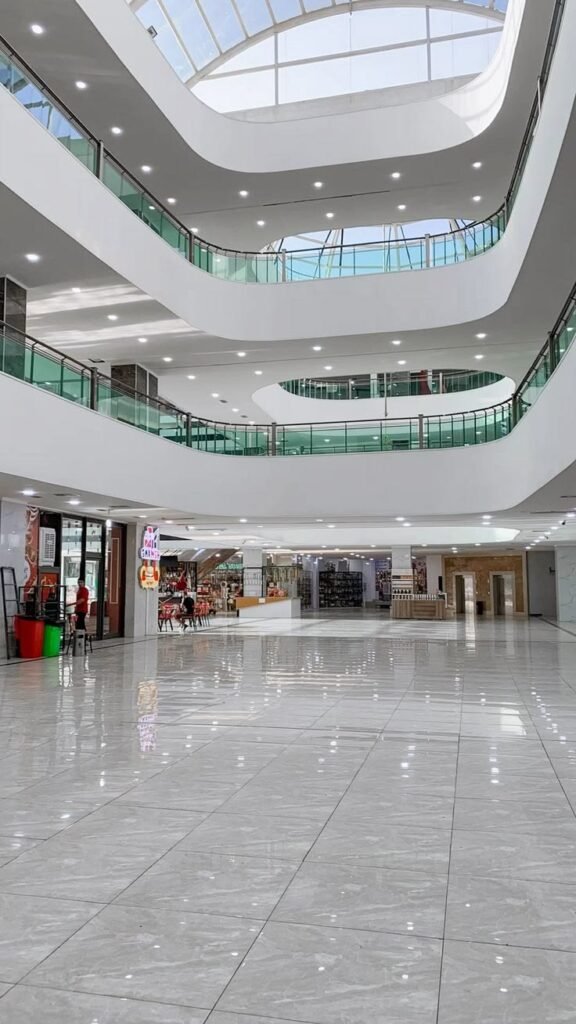
Understanding cost implications for different mall types helps every developer choose the most appropriate development model for their site, budget, and target market.
Neighborhood Shopping Centre — KES 500M – 2B Total Development Cost
GLA: 500 – 3,000 m² Typical anchors: One supermarket, 10–30 secondary retail units, 3–8 F&B outlets Structural cost (Nairobi): KES 58,000 – 75,000/m² GFA Interior fit-out: KES 30M – 80M Total development cost (excl. land): KES 80M – 400M depending on size and specification
The Suimas interior design opportunity: Neighborhood malls competing for quality anchor tenants in Nairobi’s crowded suburban market need premium common area and food court design to differentiate from the dozens of similar-scale centres opening in the same catchment areas. Furthermore, a KES 15M–25M investment in premium entrance design, food court redesign, and quality toilet provision consistently delivers 20–35% rental premium over basic-specification competitors.
📸 Neighborhood Mall Project — Thika Road, Nairobi A Thika Road neighborhood mall developer engaged Suimas to design and fit out common areas and food court for a 2,500 m² GLA centre anchored by a Quickmart supermarket. The Suimas premium fit-out — including a statement atrium feature wall, warm-toned premium porcelain flooring, acoustic food court ceiling with warm LED lighting, and a branded outdoor terrace — enabled the developer to achieve KES 210/sqft rental rates in a market where comparable undesigned centers were achieving KES 155/sqft. Start your neighborhood mall →
Community Shopping Centre — KES 1B – 5B Total Development Cost
GLA: 3,000 – 12,000 m² Typical anchors: Full-size supermarket, cinema, 30–80 retail units, food court Structural cost (Nairobi): KES 75,000 – 90,000/m² GFA Interior fit-out: KES 80M – 250M Total development cost (excl. land): KES 500M – 2.5B
The Suimas interior design opportunity: Community mall food court design is the single highest-return interior design investment available — because the food court drives the repeat visit behavior that sustains the entire mall’s commercial performance. Furthermore, a well-designed community mall food court can increase overall mall footfall by 25–40% versus a poorly designed equivalent.
Regional Shopping Mall — KES 5B – 25B+ Total Development Cost
GLA: 20,000 – 80,000 m² Typical anchors: Multiple department stores, hypermarket, cinema complex, major entertainment Structural cost (Nairobi): KES 89,000 – 100,000/m² GFA Interior fit-out: KES 500M – 2B+ Total development cost (excl. land): KES 3B – 20B+
The Suimas interior design opportunity: Regional malls in Kenya’s current competitive market must deliver internationally competitive interior design to attract premium international and national retail brands. Furthermore, Suimas has the capability to design and deliver common area, food court, anchor tenant, and retail unit interiors for regional mall developments across Kenya.
What Clients Are Really Asking — And the Answers They Need
This section addresses the real questions that Kenya mall developers ask — but that most cost guides never directly answer.
“I have a site and KES 300M budget. Can I build a profitable mall?”
Possibly — but only if you use that budget carefully. A KES 300M budget covering land, construction, fit-out, professional fees, and finance is very tight for anything above a basic neighborhood centre. Furthermore, with KES 300M and a 1,500–2,000 m² GLA target, a well-designed neighborhood centre with a quality supermarket anchor can be commercially viable — but only if the interior fit-out is budgeted from day one, not added as an afterthought.
Suimas recommendation: Book a free feasibility consultation before committing to your site purchase. We can help you model the total development cost and expected return for your specific budget and location. Book free consultation →
“My contractor quoted KES 58,000/m². Why is my quantity surveyor saying KES 95,000/m²?”
Because the contractor’s rate covers the structural shell only — walls, slab, basic finishes, and rough-in MEP. The quantity surveyor’s rate includes professional fees, interior fit-out, landscaping, statutory costs, and contingency. Furthermore, both numbers can be correct — they are measuring different things. Always compare like-for-like when evaluating Kenya mall cost quotes.
“Should I build a big cheap mall or a small premium mall?”
In Kenya’s current market — where Knight Frank reports the shift toward neighborhood and community malls and where established malls are adding entertainment and food to compete — a small, premium mall consistently outperforms a large, cheap one. Furthermore, a beautifully designed 3,000 m² GLA community centre at premium specification generates stronger cash flow, faster lease-up, and higher asset value than a poorly designed 6,000 m² GLA centre at basic specification in the same catchment.
“My contractor says they can do the interior fit-out too. Should I let them?”
This is one of the most common and most expensive mistakes Kenya mall developers make. Furthermore, structural contractors and interior design specialists are fundamentally different companies with fundamentally different skills. A structural contractor can deliver basic tiling and painting — but they cannot deliver the photorealistic 3D visualization, the food court acoustic design, the three-layer lighting system, the custom food stall fascias, or the premium joinery that transforms a mall into a genuinely competitive retail destination.
The right model: Main contractor for structure. Suimas for interior design and fit-out. Coordinated from day one. Contact us to discuss your project →
“How do I budget for a mall I haven’t designed yet?”
Use the per-category budget ranges in this guide as your preliminary feasibility numbers. Furthermore, the following rule of thumb provides a reliable total development cost estimate for preliminary planning purposes:
Total development cost (excl. land) = Structural construction cost × 2.2 – 2.8
For a 3,000 m² GFA neighborhood mall at KES 75,000/m² structural rate:
- Structural cost: KES 225M
- Total development cost estimate: KES 495M – 630M (excl. land)
Furthermore, commission a professional quantity surveyor for detailed cost modelling before committing to any site purchase or financing arrangement.
Why Mall Interior Design Cost Is an Investment, Not an Expense
The most important reframe any Kenya mall developer can make is understanding interior design cost as an investment with a measurable return — not an overhead to be minimized.
The evidence across Suimas’s Kenya mall project portfolio:
| Investment | Specification Uplift | Rental Rate Uplift | Payback Period |
|---|---|---|---|
| Entrance and atrium redesign | Basic → Premium | +15–25% | 12–18 months |
| Food court complete redesign | Basic → Premium | +40–60% on F&B rental | 8–14 months |
| Toilet renovation | Basic → Premium | Occupancy +8–12% | 18–30 months |
| Common area lighting upgrade | Fluorescent → LED feature | +20% dwell time | 6–12 months |
| Wayfinding system installation | None → Digital | Shopper satisfaction +35% | 12–20 months |
Consequently, the question is not whether to invest in premium interior design — it is when to invest and which zones to prioritise first for maximum commercial return.
Our Complete Mall Interior Design Services — What Suimas Delivers
Suimas transforms structurally complete Kenya mall shells into thriving, beautifully designed retail destinations. Furthermore, our complete in-house capability — concept design, 3D visualization, bespoke fabrication, premium material sourcing, and full project management — makes us the ideal interior design partner for every Kenya mall development.
- Commercial Interior Design — common areas, retail zones, and food courts
- Hotel & Hospitality Interior Design — food court and restaurant fit-outs
- 3D Interior Design Renders — photorealistic mall zone visualization before work begins
- Gypsum Ceilings & Integrated Lighting — mall-wide ceiling and lighting design
- Floor Installation Services — premium flooring for all mall zones
- Kitchen Cabinets, Wardrobes & Joinery — food court stall and retail unit joinery
- Reception Desk and Area Design — information counters and service points
- Aluminium & Glass Partitions — retail storefronts and partitions
- Bathroom Interior Designs — premium mall toilet facilities
- Renovation Services — existing mall renovation and repositioning
📞 Three Ways to Start Your Kenya Mall Project With Suimas Today
We understand that different developers are at different stages. Here is how Suimas helps at every stage of your Kenya mall journey:
If you are at the feasibility stage — calculating whether your mall project makes financial sense: Call us for a free feasibility conversation. We will help you model realistic interior fit-out costs for your specific mall type, location, and specification level — so your total development budget is accurate from day one.
If you are in construction — and need to plan your interior fit-out: Book a free site consultation. We will review your structural drawings, identify the interior design requirements that must be coordinated with construction now, and provide a preliminary fit-out cost estimate within 48 hours.
📧 info@suimas.co.ke | info@interiordesigners.co.ke
If your mall is complete — and you need interior fit-out or renovation: Book a free site visit. We will assess every zone, identify the highest-ROI design interventions, and provide a fully itemized fit-out quotation with photorealistic 3D renders for every zone before any work begins.
Nairobi Areas We Serve for Mall Interior Design
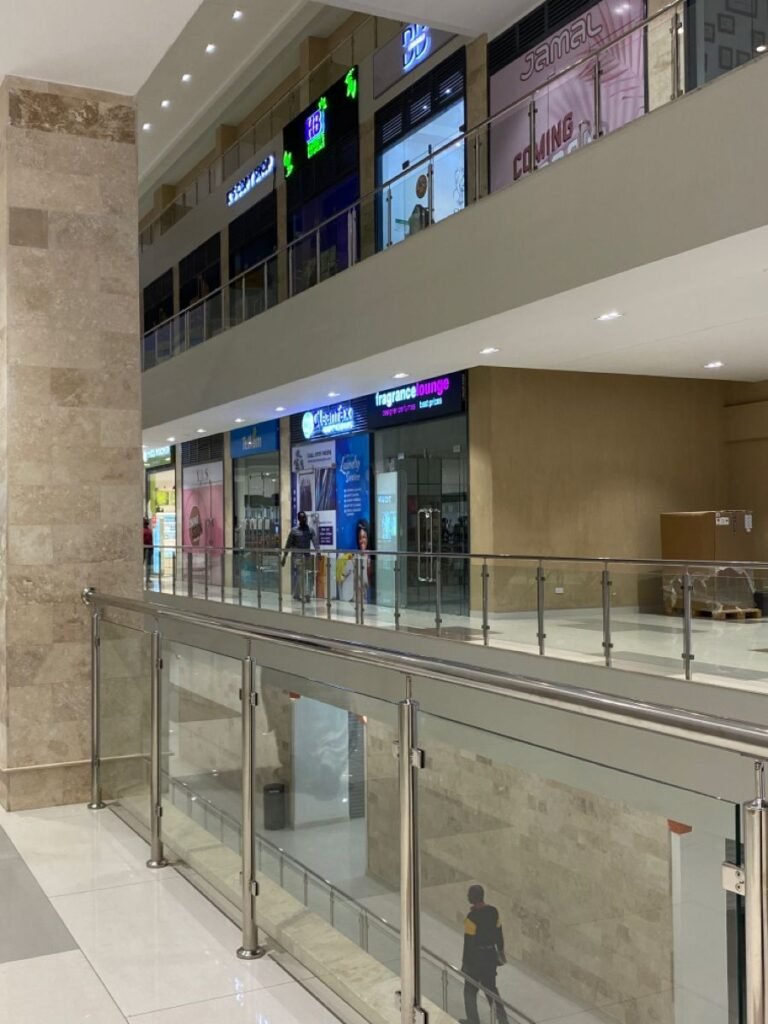
We deliver mall interior design and fit-out services across all major Nairobi locations including Westlands, Karen, Kilimani, Lavington, Runda, Gigiri, Parklands, Kasarani, Ruaka, Ruiru, Thika Road, Syokimau, Athi River, Langata, Embakasi, Upperhill, Eastlands, Mombasa Road corridor, and the entire Nairobi CBD.
Mall Interior Design Services Across All 47 Counties
Moreover, we deliver mall interior design and fit-out services throughout all 47 counties in Kenya: Mombasa, Kwale, Kilifi, Tana River, Lamu, Taita-Taveta, Garissa, Wajir, Mandera, Marsabit, Isiolo, Meru, Tharaka-Nithi, Embu, Kitui, Machakos, Makueni, Nyandarua, Nyeri, Kirinyaga, Murang’a, Kiambu, Turkana, West Pokot, Samburu, Trans Nzoia, Uasin Gishu, Elgeyo-Marakwet, Nandi, Baringo, Laikipia, Nakuru, Narok, Kajiado, Kericho, Bomet, Kakamega, Vihiga, Bungoma, Busia, Siaya, Kisumu, Homa Bay, Migori, Kisii, Nyamira, and Nairobi.
Frequently Asked Questions
How much does it cost to build a mall in Kenya?
Structural construction costs range from KES 58,610/m² for a small-scale shopping centre in Nairobi to KES 97,880/m² for an all-inclusive mall in Western/Nyanza. However, total development cost — including interior fit-out, professional fees, finance costs, and approvals — is typically 2.2–2.8x the structural construction cost. A 5,000 m² GLA community mall has an indicative total development cost of KES 967M excluding land.
What is the difference between construction cost and total development cost?
Construction cost covers the structural shell — frame, slab, facade, and MEP rough-in. Total development cost adds interior fit-out (KES 80M–200M for a community mall), professional fees (8–18% of construction), finance costs, statutory approvals, tenant incentives, and pre-opening costs. Budget for the total — not just the structural rate.
How much does mall interior fit-out cost in Kenya?
Common area fit-out costs KES 15,000–55,000/m². Food court fit-out costs KES 25,000–80,000/m². Retail unit fit-out costs KES 8,000–200,000+/m² depending on category. Toilet facilities cost KES 2M–5M per block. Suimas provides fully itemized quotations after every free site consultation.
Is premium interior design worth the additional cost for a Kenya mall?
Yes — definitively. A KES 35M–50M premium interior design investment over standard specification consistently delivers KES 45M+ per year in additional rental income for a 5,000 m² GLA mall. Payback period is typically 9–13 months from additional rental income alone — with significant additional asset value impact.
Why are mall construction costs higher in Western Kenya than Nairobi?
According to Integrum Consortium’s actual project database, Western/Nyanza construction costs exceed Nairobi across all mall categories — reflecting higher material transportation costs, premium contractor mobilization fees, and more limited specialist subcontractor availability compared to Nairobi’s well-supplied construction market.
When should I engage a mall interior design company in Kenya?
Immediately — at the same time as your architect and structural engineer. Early engagement ensures structural decisions incorporate interior design requirements during construction, saving 25–40% of the cost of making these changes after the structure is complete. Suimas offers free construction-stage design coordination for developers who engage us as their fit-out partner.