Acoustic Design for Churches: Getting Sound Right at Scale
In churches and auditoriums across Kenya, acoustic design plays a major role in determining how people experience worship, conferences, performances and other large events. Poor acoustics can make sermons difficult to understand, cause music to sound distorted and leave people seated at the back struggling to hear clearly.
For a large church or auditorium, simply installing powerful speakers is not enough. The building itself affects how sound travels, reflects and eventually reaches the audience.
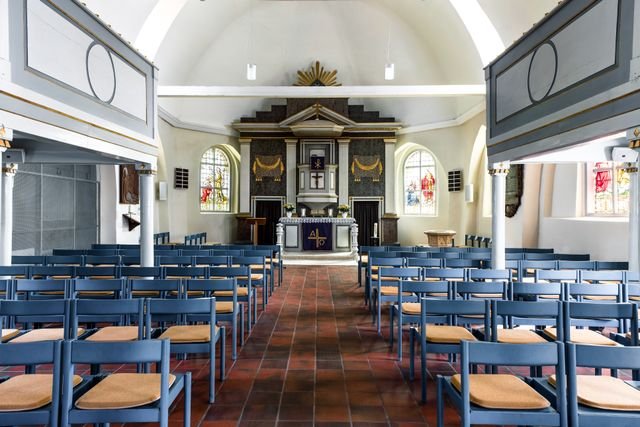
High ceilings, large volumes, concrete walls, glass, tiled floors and other hard surfaces can create excessive reverberation and unwanted echoes. Professional acoustic design for churches addresses these challenges while ensuring that the interior remains attractive, functional and comfortable.
Why Acoustic Design Matters in Churches and Auditoriums
Large worship and event spaces have different acoustic requirements from ordinary rooms.
Speech needs to remain clear enough for every member of the congregation to understand sermons, announcements and presentations. At the same time, music and congregational singing need sufficient richness and natural reverberation.
Without proper acoustic planning, sound can become muddy, harsh or uneven.
A professionally designed auditorium therefore considers factors such as reverberation time (RT60), sound absorption, sound diffusion, speech intelligibility and sound coverage before the final interior finishes are installed.
Common Acoustic Problems in Kenyan Churches
Many churches operate in buildings originally designed for other purposes or constructed using highly reflective materials.
Common challenges include:
- Excessive echo caused by concrete and tiled surfaces
- Long reverberation times in large halls
- Sound reflections from rear and side walls
- Poor speech intelligibility
- Uneven sound between the front and rear seating areas
- External noise entering through windows and doors
- Noise from HVAC, generators and technical equipment
- Hard ceilings that reflect sound back into the audience
These problems can often be addressed through a combination of architectural planning, acoustic treatment and professional interior fit-out.
Key Acoustic Design Solutions
1. Use Strategic Sound-Absorbing Materials
Acoustic panels, fabric-wrapped absorbers, acoustic ceiling systems, perforated gypsum and other sound-absorbing materials can help control excessive reflections.
The objective is not necessarily to eliminate all reverberation. Instead, absorption should be strategically positioned to create a balanced acoustic environment.
SUIMAS Interiors can incorporate acoustic treatment into gypsum ceiling and interior solutions while maintaining the overall architectural appearance of the auditorium.
2. Introduce Sound Diffusion
Absorption is only one part of acoustic design. Diffusers can scatter sound reflections across a space, helping reduce harsh reflections and acoustic dead spots.
Timber features, architectural wall elements and specially designed acoustic surfaces can sometimes perform both aesthetic and acoustic functions.
3. Plan the Stage and Seating Layout
The relationship between the stage, speakers and audience should be considered from the beginning.
Poor positioning can result in some areas receiving excessive sound while others receive insufficient coverage. Acoustic design should therefore work together with the AV and lighting teams rather than being treated as a separate finishing exercise.
For larger projects, SUIMAS can coordinate interior elements through its commercial building architectural design services.
4. Treat Ceilings and High-Level Surfaces
High ceilings can create significant acoustic challenges in churches and auditoriums.
Suspended acoustic systems, baffles, perforated panels and other ceiling treatments can help control reflections while also creating opportunities for integrated lighting and architectural detailing.
5. Control External and Mechanical Noise
Acoustic design should also consider unwanted noise entering the building.
Doors, windows, ventilation systems, generators and equipment rooms can all become sources of unwanted sound. Proper sealing, acoustic glazing and appropriate partitioning can help improve the overall environment.
SUIMAS provides soundproof glass partitioning and soundproof glass office partitions that can be adapted to spaces where acoustic separation and visual openness are both important.
Choosing Materials for Church Acoustic Design
Materials used in a church or auditorium need to balance acoustic performance, durability, safety and aesthetics.
Common options include:
- Acoustic gypsum systems
- Mineral-fibre acoustic ceiling tiles
- Fabric-wrapped acoustic panels
- Timber slats
- Acoustic wall panels
- Carpeting in selected areas
- Acoustic doors and glazing
- Specialised ceiling baffles
The right combination depends on the building’s size, existing construction, intended use and acoustic requirements.
This is why acoustic design should be incorporated into the wider interior design rather than added after construction is complete.
SUIMAS Interiors: Acoustic and Interior Design Under One Roof
SUIMAS Interiors provides interior design, construction, partitioning, ceilings, flooring and complete fit-out services across Kenya.
For churches and auditoriums, our approach combines acoustic considerations with the visual and functional requirements of the space. Instead of treating soundproofing, ceilings, lighting and interior finishes as separate jobs, we coordinate them as part of one overall design.
Our construction and interior design services can be particularly useful for churches constructing new worship spaces or renovating existing buildings.
The process can include site assessment, space planning, 3D visualisation, material selection, gypsum work, acoustic treatments, partitioning, lighting coordination and installation.
For churches that need wider renovation work, SUIMAS can also coordinate building and construction services alongside interior finishing.
Acoustic Design Across Nairobi and Kenya
SUIMAS Interiors works with clients across Nairobi and other parts of Kenya, including Westlands, Kilimani, Karen, Lavington, Runda, Kileleshwa, Ruaka, Kiambu, Nakuru, Eldoret, Kisumu and Mombasa.
Whether you are constructing a new sanctuary in Nairobi, renovating a church auditorium in Eldoret or improving an existing worship space in Kisumu or Nakuru, professional acoustic planning can make a significant difference to the experience of everyone inside the building.
For large commercial and institutional spaces, SUIMAS can also combine acoustic requirements with office and commercial partitioning solutions where appropriate.
Get Professional Acoustic Design for Your Church or Auditorium
Getting sound right at scale requires more than buying better speakers. The room itself must be designed or treated to support clear speech, balanced music and even sound distribution.
If your church or auditorium suffers from excessive echo, unclear speech or uneven sound coverage, a professional acoustic assessment is a good place to start.
SUIMAS Interiors can help you develop an acoustic and interior solution that balances performance, appearance, durability and budget.
Planning a new church auditorium or renovating an existing worship space? Contact SUIMAS Interiors for a consultation and tailored quotation.
Call or WhatsApp: 0717 044443 / 0735 255050 / 0725 021709
Frequently Asked Questions
What is acoustic design for churches and auditoriums?
Acoustic design involves planning the room, surfaces, materials and sound systems to achieve appropriate sound quality, speech intelligibility and sound distribution throughout a large space.
Why do churches have so much echo?
Large churches often contain hard surfaces such as concrete, glass and tiles that reflect sound. High ceilings and large room volumes can also increase reverberation.
What materials are used for church acoustic treatment?
Common materials include acoustic panels, fabric-wrapped absorbers, acoustic gypsum, mineral-fibre ceiling systems, timber slats, acoustic baffles and specialised wall treatments.
Can SUIMAS Interiors improve the acoustics of an existing church?
Yes. Existing auditoriums can be assessed and treated using appropriate acoustic panels, ceilings, partitions and other interior solutions without necessarily rebuilding the entire space.
Does SUIMAS work on large auditorium projects outside Nairobi?
Yes. SUIMAS Interiors provides interior design, construction and fit-out services across Kenya and East Africa, including Nairobi, Mombasa, Kisumu, Nakuru and Eldoret.
Can acoustic treatment be combined with interior design?
Yes. In fact, integrating acoustic treatment with interior design from the beginning can produce a more cohesive result. SUIMAS can coordinate acoustic elements with ceilings, lighting, partitions, wall finishes and other interior features.