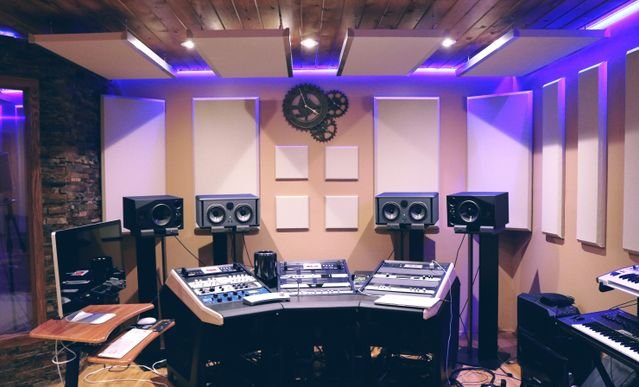
Soundproofing a Music Studio: Cost, Materials & Design Tips
Building a music studio requires more than installing microphones and speakers. The room itself has a major influence on recording quality. Soundproofing a music studio helps prevent external noise from entering the recording space while reducing sound leakage to neighbouring rooms and properties.
Whether you’re setting up a professional recording studio in Nairobi, a home studio in Kilimani or Westlands, a church recording room, or a commercial production facility, the right combination of construction and acoustic treatment can make a significant difference.
What Is the Difference Between Soundproofing and Acoustic Treatment?
These two terms are often confused.
Soundproofing focuses on stopping sound from travelling between spaces. This involves walls, ceilings, floors, doors, windows and insulation.
Acoustic treatment, on the other hand, controls how sound behaves inside the room. Acoustic panels, bass traps and diffusers help reduce unwanted reflections and echoes.
A professional music studio normally needs both sound isolation and acoustic treatment.
Key Areas to Soundproof in a Music Studio
1. Walls
Walls are one of the biggest pathways for sound transmission. A properly constructed acoustic wall can incorporate gypsum boards, insulation and resilient construction techniques to reduce sound transfer.
SUIMAS provides soundproof insulation solutions using materials such as rock wool as part of broader interior fit-out projects. Explore SUIMAS affordable interior design solutions
2. Ceiling
Sound can travel through ceilings and building structures, particularly in apartments and commercial buildings. Acoustic insulation above a suspended or gypsum ceiling can help reduce transmission.
3. Doors
A lightweight hollow door can undermine an otherwise well-designed studio. Solid-core acoustic doors, proper seals and carefully fitted frames can significantly improve isolation.
4. Flooring
The floor should also be considered, particularly where bass frequencies and vibrations are involved. The appropriate flooring system depends on the building and studio requirements.
SUIMAS offers professional floor installation services in Kenya for residential and commercial spaces.
Acoustic Panels and Interior Design
Once the room is adequately isolated, acoustic treatment becomes important.
Wall panels, fabric finishes, bass traps and diffusers can help control reflections while also becoming part of the studio’s visual identity. This is where acoustic engineering and interior design should work together rather than being treated as separate projects.
Modern studio interiors can combine acoustic functionality with contemporary materials, lighting and furniture. SUIMAS’s broader interior design services in Nairobi and Kenya can be adapted to specialist commercial spaces.
How Much Does Music Studio Soundproofing Cost in Kenya?
There is no single price because soundproofing depends heavily on the room size, existing construction, required isolation level, doors, windows, insulation and acoustic treatment.
SUIMAS’s published pricing, for example, lists soundproof rock wool insulation at approximately KES 6,500 per m², while complete systems require a project-specific quotation. View SUIMAS’s interior design pricing guide
Why Choose SUIMAS Interiors?
A music studio requires coordination between construction, insulation, ceilings, flooring, lighting and interior finishes. SUIMAS provides these services through one project team, reducing the risk of different contractors working against each other.
Our approach includes site assessment, design planning, material selection, installation and final finishing.
Explore SUIMAS commercial interior design services for more information.
Planning a recording studio or soundproof room? Contact SUIMAS Interiors for a consultation and quotation.
Frequently Asked Questions
How much does it cost to soundproof a music studio in Kenya?
The cost depends on the size and required level of sound isolation. A site assessment is recommended before receiving an accurate quotation.
Is gypsum good for soundproofing a studio?
Gypsum can form part of an effective sound-isolation system when combined with appropriate insulation and construction methods.
Does a music studio need acoustic panels?
Yes, acoustic panels can help control reflections and improve the sound inside the room, although they do not replace structural soundproofing.