Custom Bathroom Vanities in Kenya
Custom Bathroom Vanities in Kenya: Floating Bathroom Vanity Designs and Bathroom Cabinets in Nairobi
A well-designed bathroom should combine comfort, functionality and attractive finishes. One of the most important features that can transform your bathroom is a vanity unit. It provides a convenient space for daily grooming, keeps personal items organised and improves the overall appearance of the room. Whether you are upgrading a small guest bathroom or designing a spacious master ensuite, choosing the right custom bathroom vanities can make a significant difference.
At SUIMAS Interior Designers, we help homeowners create modern and practical bathroom interiors through thoughtful space planning, suitable material selection, stylish finishes and functional storage solutions. Our bathroom design solutions consider the available space, plumbing layout, preferred style and budget. From contemporary floating bathroom vanity designs to custom bathroom cabinets, we help create bathroom spaces that reflect your needs and preferences.
What We Offer: Custom Bathroom Vanity Solutions
SUIMAS provides interior design solutions that can incorporate different bathroom vanity styles, storage arrangements and finishing options.
Our related services include:
- Bathroom Interior Design Services: Practical bathroom layouts, vanity unit planning, mirrors, storage, lighting and coordinated finishes.
- Residential Interior Design: Complete home interior solutions, including bathroom improvements and personalised residential spaces.
- 3D Designs and Layout Planning: Visualise your bathroom layout, vanity placement, colours and selected finishes before implementation.
- Interior Design Services in Kenya: Professional planning and coordination of residential and commercial interior projects.
Estimated Bathroom Vanity Prices in Kenya
The cost of custom bathroom vanities in Kenya depends on the cabinet dimensions, materials, countertop, basin, storage features and installation requirements.
For general budgeting, publicly available Kenyan market price guides place many standard vanity units with basins within approximately KES 25,000–80,000. Custom-made, larger and premium configurations may cost more depending on their specifications.
When preparing your budget, consider the following:
- Cabinet size and design complexity.
- Choice of moisture-resistant materials.
- Number of drawers, shelves and cabinet compartments.
- Countertop and washbasin selection.
- Mirror and lighting accessories.
- Plumbing adjustments and installation.
- Transportation and site requirements.
These figures are market planning estimates, not fixed SUIMAS quotations. Request an assessment and itemised quotation for your preferred design.
What Are Custom Bathroom Vanities?
Custom bathroom vanities are cabinets designed according to the specific dimensions, storage needs and appearance of a bathroom. Unlike standard ready-made units, custom solutions allow homeowners to choose the cabinet size, basin position, drawer arrangement, material, colour and finishing details.
A custom vanity can be designed around an existing washbasin or developed as part of a completely new bathroom layout.
For example, a small apartment bathroom may require a compact wall-mounted unit with one basin and a few drawers. However, a spacious master bathroom may accommodate a wider vanity with two basins, additional storage, a large mirror and decorative lighting.
The main advantage is flexibility. You can select a design that uses the available space properly without compromising movement or accessibility.
Custom bathroom vanities are suitable for:
- Residential apartments.
- Family homes and maisonettes.
- Luxury homes and villas.
- Guest bathrooms.
- Master ensuite bathrooms.
- Hotels and hospitality properties.
- Rental apartments and serviced accommodation.
Modern Bathroom Vanity Designs in Kenya
Modern bathroom vanity designs combine clean lines, practical storage and attractive materials. The best choice depends on the bathroom size, existing finishes and the overall appearance you want to achieve.
Here are some popular designs to consider.
1. Floating Bathroom Vanity Designs
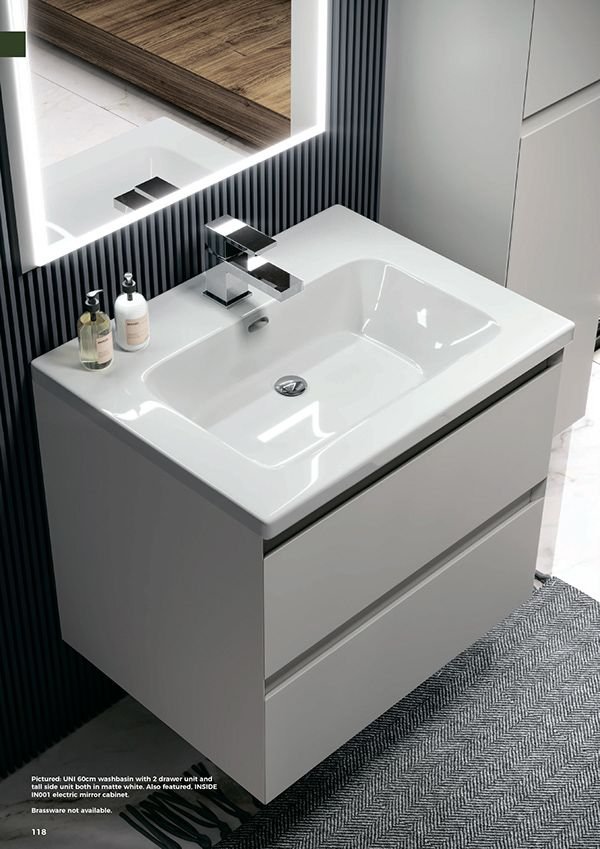
A floating bathroom vanity is mounted on the wall rather than resting directly on the floor. This design creates an open appearance and works particularly well in contemporary bathrooms.
The space beneath the cabinet remains visible, which makes floor cleaning easier and gives the bathroom a less crowded appearance.
Floating bathroom vanity units can feature:
- Handleless cabinet doors.
- Soft-close drawers.
- Integrated washbasins.
- Stone-look countertops.
- Concealed storage compartments.
- LED lighting beneath the cabinet.
- Large mirrors above the vanity.
A floating vanity is suitable for small and medium-sized bathrooms because it helps maintain a visually open floor area.
However, the wall must support the combined weight of the cabinet, countertop, basin and stored items. The installation team should inspect the wall construction and provide suitable structural support and fixings before installation.
2. Wall-Mounted Bathroom Cabinets with Drawers
Wall-mounted bathroom cabinets provide useful storage while maintaining a contemporary appearance.
Drawers allow homeowners to organise toiletries, grooming products, towels and other bathroom essentials. They also reduce countertop clutter.
You can choose a two-drawer or three-drawer arrangement depending on the available width and storage requirements.
For better organisation, consider separating everyday items from cleaning products and less frequently used accessories.
3. Floor-Standing Bathroom Vanity Units
Floor-standing bathroom vanities rest directly on the floor and provide a more traditional furniture-like appearance.
They are suitable for homeowners who prefer larger cabinet compartments and a solid visual presence.
Popular designs include:
- Single-door bathroom cabinets.
- Double-door vanity cabinets.
- Drawer-and-door combinations.
- Wooden-effect vanity units.
- Contemporary cabinets with integrated basins.
Floor-standing bathroom cabinets can provide substantial storage, especially in larger bathrooms. However, their base and edges need suitable protection against moisture, water splashes and regular floor cleaning.
4. Double-Sink Bathroom Vanity Designs
A double-sink bathroom vanity features two washbasins installed along one countertop or within a coordinated vanity arrangement.
This design is particularly useful in master ensuite bathrooms shared by two people.
It provides separate washing spaces while creating a coordinated bathroom appearance.
When planning a double bathroom vanity, consider:
- Available wall length.
- Distance between the two basins.
- Tap and plumbing positions.
- Storage space beneath each basin.
- Mirror size and positioning.
- Countertop dimensions.
- Movement around the bathroom.
Double-sink vanities generally require more space and a higher budget than standard single-basin units. Therefore, measurements and plumbing planning are important before fabrication or installation.
5. Minimalist Bathroom Vanity Cabinets
Minimalist bathroom vanities use simple shapes, clean surfaces and limited decorative details.
They are suitable for homeowners who prefer uncluttered spaces.
Common features include flat cabinet fronts, neutral colours, concealed handles and simple countertops.
White, beige, grey, natural wood and soft earthy colours work well in minimalist bathrooms. You can also introduce contrast through black or brushed-metal taps and cabinet handles.
The main consideration is maintaining enough storage so that the bathroom remains organised.
6. Luxury Bathroom Vanity Designs
Luxury bathroom vanities combine quality materials, elegant details and carefully planned storage.
They can include:
- Premium stone or engineered-stone countertops.
- Custom cabinetry.
- Integrated or countertop basins.
- Large illuminated mirrors.
- Decorative wall finishes.
- Brushed brass or chrome fittings.
- Soft-close drawers.
- Double-basin arrangements.
The overall design should coordinate with the bathroom’s flooring, wall finishes, shower enclosure and lighting.
A luxury vanity does not necessarily need an elaborate design. Good proportions, well-selected materials and quality installation can create an impressive result.
Bathroom Cabinets Nairobi: Choosing the Right Storage Design
Finding suitable bathroom cabinets in Nairobi requires more than selecting an attractive cabinet. You should consider the bathroom layout, available storage space, exposure to moisture and daily household requirements.
The cabinet should accommodate your essentials without making the room difficult to use.
Under-Basin Bathroom Cabinets
Under-basin cabinets are installed directly below the washbasin.
They help conceal plumbing connections while providing storage for bathroom essentials.
The cabinet design should account for the basin’s waste pipe and water supply connections. Proper internal planning ensures that plumbing does not occupy unnecessary storage space.
Mirror Cabinets
Mirror cabinets combine a reflective surface with hidden storage.
They are useful in bathrooms where there is limited space for separate storage furniture.
You can use them for toothpaste, skincare products, shaving accessories and other small items.
Some designs also incorporate LED lighting, making them suitable for modern bathrooms.
Tall Bathroom Storage Cabinets
Tall bathroom cabinets use vertical space to provide additional storage.
They are suitable for larger bathrooms where homeowners need space for towels, toiletries and household bathroom supplies.
You can position them beside the vanity or along an available wall, provided they do not obstruct doors, movement or other bathroom fittings.
Open-Shelf Bathroom Cabinets
Open-shelf vanities combine enclosed cabinets with visible shelving.
They create a lighter furniture appearance and provide convenient access to frequently used items.
You can use the shelves for neatly folded towels, storage baskets and selected decorative accessories.
However, open shelves require regular organisation because their contents remain visible.
Best Materials for Custom Bathroom Vanities
Bathrooms experience regular moisture exposure, temperature changes and water splashes. Therefore, material selection plays an important role in the lifespan of your vanity.
The cabinet carcass, cabinet fronts, edges and countertop should all suit the conditions in which they will be used.
1. Marine Plywood
Marine plywood is a popular option for cabinetry in moisture-prone areas when properly specified and finished.
It uses water-resistant bonding and provides a strong base for custom cabinetry.
Its benefits include:
- Good structural strength.
- Better moisture tolerance than many ordinary wood-based boards.
- Suitable support for cabinet fittings.
- Flexibility in decorative finishing.
- A good option for custom cabinet construction.
However, marine plywood is not completely waterproof. Proper edge sealing, protective finishes and suitable installation remain necessary.
2. Moisture-Resistant MDF
Moisture-resistant MDF offers a smooth surface suitable for painted, laminated and decorative cabinet finishes.
It works well for vanity doors and selected cabinet components when the manufacturer specifies it for the intended application.
Its advantages include:
- Smooth and consistent surfaces.
- Suitable for modern flat-panel doors.
- A good base for different colours and finishes.
- Flexibility in custom cabinet designs.
It still requires appropriate sealing. Avoid allowing standing water to reach exposed edges or damaged surfaces.
3. PVC Bathroom Cabinets
PVC-based bathroom cabinet materials offer good resistance to moisture because they do not absorb water in the same way as traditional wood-based boards.
They can be suitable for bathrooms with frequent water exposure.
Their appearance, structural performance and durability depend on the quality and construction of the selected product.
4. Solid Wood Bathroom Vanities
Solid wood creates a natural and warm appearance.
Suitable hardwoods can be used for vanity doors, frames and decorative elements. However, the timber needs an appropriate protective finish because bathrooms expose furniture to moisture and humidity.
Solid wood is a good option for homeowners who prefer natural textures and a more traditional or premium appearance.
5. Laminate and Decorative Finishes
Laminate finishes provide different colours, textures and woodgrain appearances.
They can create the appearance of natural timber, stone or solid colours without requiring the same material throughout the cabinet.
For bathroom applications, choose suitable quality finishes and ensure the edges and joints receive proper protection.
Choosing the Right Bathroom Vanity Countertop
The countertop influences both the appearance and practicality of your vanity.
Because it surrounds the washbasin, it regularly comes into contact with water, soap and personal-care products.
Popular options include:
Quartz and engineered stone: These materials offer a consistent appearance and are available in different colours and patterns. Follow the manufacturer’s recommendations for cleaning and maintenance.
Porcelain: Porcelain surfaces provide a modern appearance and can be suitable for bathroom countertops when properly selected and installed.
Ceramic: Ceramic vanity tops are practical, easy to clean and available in different designs.
Natural stone: Marble and granite create a premium appearance. However, some natural stone surfaces require sealing and specific maintenance.
The correct choice depends on the cabinet design, basin type, expected usage and budget.
Bathroom Vanity Designs for Small Bathrooms
Small bathrooms need carefully planned furniture because oversized cabinets can restrict movement.
A compact custom vanity can improve storage without occupying too much floor space.
Consider these ideas:
- Compact floating vanity: A wall-mounted unit keeps the floor visible and creates an open appearance.
- Slim-depth bathroom cabinet: A shallow cabinet can provide useful storage where the bathroom has limited depth.
- Wall-mounted mirror cabinet: This combines storage and a mirror without requiring another piece of furniture.
- Handleless drawers: Simple cabinet fronts create a cleaner appearance and reduce visual clutter.
- Light-coloured finishes: White, cream and light wood finishes can make a compact bathroom feel brighter.
- Integrated basin design: Combining the basin and countertop creates a coordinated vanity arrangement.
Before selecting a vanity, measure the available wall width and depth. Also account for the bathroom door, shower enclosure and toilet so that the cabinet does not interfere with movement.
How to Choose the Best Custom Bathroom Vanity
The right bathroom vanity should suit your lifestyle, available space and preferred design.
Use these considerations before making a purchase or starting a custom project.
Measure the Available Space
Start by measuring the available wall width, cabinet depth and desired height.
Remember to account for plumbing outlets, drainage positions and nearby bathroom fittings.
Accurate measurements help prevent installation problems.
Consider Your Storage Requirements
Think about the items you regularly keep in your bathroom.
A family bathroom may require more drawers and cabinet compartments than a guest bathroom.
Select a layout that provides enough storage without making the vanity unnecessarily large.
Select Moisture-Suitable Materials
Choose cabinet materials and finishes that can handle bathroom conditions.
Pay attention to the edges, joints, basin cut-outs and back panels because these areas can be exposed to moisture.
Coordinate the Vanity with Bathroom Finishes
The vanity should complement the floor tiles, wall tiles, shower fittings and bathroom accessories.
For example, a natural wood finish can create a warm appearance when paired with neutral tiles. A white vanity can work well with grey porcelain and chrome fittings.
Check the Plumbing Arrangement
The basin and cabinet should fit the existing plumbing layout where possible.
Moving drainage or water supply points may increase renovation costs.
Planning these details early helps avoid unnecessary adjustments during installation.
Plan for Easy Cleaning
Select finishes that are easy to maintain.
Avoid unnecessary decorative grooves and difficult-to-reach spaces that collect dust and dirt.
Floating bathroom vanities can make floor cleaning easier because the area beneath the cabinet remains accessible.
What Affects the Cost of Custom Bathroom Vanities in Kenya?
The price of custom bathroom vanities varies according to the specifications of each project.
Here are the main factors that influence the final quotation.
1. Cabinet dimensions: Larger vanity cabinets require more materials and fabrication work. Double-sink units also require wider countertops and additional plumbing considerations.
2. Material selection: Marine plywood, moisture-resistant MDF, PVC and solid timber have different costs and performance characteristics.
3. Cabinet design: Simple doors and drawers may cost less than complex arrangements with concealed compartments, decorative profiles and specialised fittings.
4. Countertop selection: Quartz, porcelain, natural stone and ceramic have different purchase and installation costs.
5. Basin selection: Integrated basins, countertop basins and undermount basins require different cabinet and countertop arrangements.
6. Hardware and accessories: Soft-close hinges, drawer runners, cabinet handles, mirrors and LED lighting can increase the overall cost.
7. Installation requirements: Wall-mounted cabinets may require suitable support and additional installation work. Plumbing adjustments can also affect the budget.
8. Bathroom renovation work: Where the project involves new tiles, waterproofing, electrical work or plumbing, these costs should be considered separately from the vanity unit.
For accurate budgeting, request a quotation based on the actual measurements and selected specifications rather than relying on the price of a standard ready-made cabinet.
Custom Bathroom Vanity Design and Installation Process
A successful bathroom vanity project starts with careful planning.
At SUIMAS, our interior design approach considers the client’s requirements, the available space, material choices and the overall appearance of the bathroom.
A typical project can follow these stages:
1. Consultation and Requirements
The process starts by understanding your preferred bathroom style, storage requirements, available budget and project expectations.
2. Site Assessment and Measurements
The bathroom is assessed to establish the available space, existing plumbing arrangement, wall conditions and other installation considerations.
3. Design Development
The vanity layout is developed around the selected basin, cabinet dimensions, storage arrangement and preferred finishes.
4. 3D Visualisation
Where required, 3D designs help you visualise the proposed bathroom arrangement before implementation.
5. Material and Finish Selection
Select suitable cabinet materials, countertops, colours, fittings and accessories.
6. Quotation and Project Planning
The project specifications are reviewed to prepare an appropriate budget and implementation plan.
7. Fabrication and Installation
The approved design moves into fabrication and installation, with attention to measurements, fittings, finishing and coordination with the bathroom’s plumbing.
8. Final Inspection
The completed vanity is checked for appearance, functionality, drawer operation, alignment and finishing quality.
Why Choose SUIMAS Interior Designers for Bathroom Interior Design?
Choosing the right interior design team helps you create a bathroom that looks attractive and supports everyday use.
SUIMAS Interior Designers provides residential and commercial interior design solutions tailored to different spaces, preferences and budgets.
Here is what you can expect from our design approach:
- Personalised designs: We consider your preferred style, storage needs and available bathroom space.
- Practical space planning: We focus on creating functional layouts that support comfortable movement.
- Material guidance: We help consider suitable materials and finishes for different bathroom requirements.
- 3D design solutions: Visualisation helps you review the proposed arrangement before implementation.
- Coordinated interior finishes: We consider how the vanity works with tiles, lighting, mirrors and other bathroom fittings.
- Project planning: We consider the design scope, budget and implementation requirements when coordinating interior projects.
Whether you are upgrading one bathroom or improving the interiors of an entire home, we aim to create a result that balances functionality, comfort and appearance.
Related Interior Design and Renovation Services
A bathroom vanity works best when it forms part of a coordinated bathroom interior.
Explore these related services and resources:
- Interior Designers Kenya: Explore residential interior design, bathroom planning and personalised interior solutions.
- Modern Interior Finishes in Kenya: Discover material choices, contemporary finishes and practical ideas for modern interiors.
- Full Bathroom Renovation in Kenya: Learn about bathroom renovation, plumbing, tiling, electrical work and finishing.
- Office Interior Design and Fit-Out: Explore professional interior design and fit-out solutions for commercial workspaces and facilities.
Contact SUIMAS for Custom Bathroom Vanities in Kenya
Are you planning to install modern bathroom cabinets, upgrade an existing vanity or create a completely new bathroom design?
SUIMAS Interior Designers can help you plan a bathroom that combines attractive finishes, functional storage and practical space utilisation.
Talk to our team about your preferred floating bathroom vanity, custom cabinet design, countertop, basin and finishing options.
SUIMAS Interior Designers
Location: Nairobi CBD, Kenya
Phone: 0717 044 443 / 0739 255 050 / 0725 021 709
Email: info@suimas.co.ke
Website: https://suimas.co.ke/
Contact SUIMAS for a Bathroom Interior Design Consultation
Frequently Asked Questions About Custom Bathroom Vanities in Kenya
1. How much do custom bathroom vanities cost in Kenya?
The cost depends on the cabinet size, material, basin, countertop, hardware and installation requirements. General market planning estimates for standard vanity units with basins range from approximately KES 25,000 to KES 80,000. Larger bespoke and premium units may cost more.
2. What is a floating bathroom vanity?
A floating bathroom vanity is a cabinet mounted directly onto a wall instead of resting on the floor. It creates a modern appearance, keeps the floor beneath accessible and can make a small bathroom feel more open.
3. Are floating bathroom vanities suitable for small bathrooms?
Yes. Floating vanity units work well in small bathrooms because they reduce the visual weight of bathroom furniture and leave the floor beneath the cabinet visible. Choose a suitable cabinet width and depth to maintain enough movement space.
4. Which material is best for bathroom cabinets in Kenya?
Marine plywood, suitable moisture-resistant MDF and quality PVC-based materials are among the options to consider. The right choice depends on the intended application, product specification, protective finishing and exposure to water.
5. Can I customise the size of my bathroom vanity?
Yes. Custom bathroom vanities can be designed around the available wall dimensions, basin position, plumbing layout and storage requirements. Accurate measurements help determine the most suitable design.
6. What is the difference between a floating and floor-standing bathroom vanity?
A floating vanity is fixed to the wall and leaves the floor beneath it visible. A floor-standing vanity rests on the floor and can provide a more traditional furniture appearance. Both options can provide useful storage when properly designed.
7. Are bathroom vanity cabinets waterproof?
Not every bathroom cabinet is completely waterproof. Many use moisture-resistant materials and protective finishes designed to handle normal bathroom conditions. Proper sealing, ventilation and maintenance help protect the cabinet from moisture damage.
8. What size bathroom vanity should I install?
The appropriate size depends on the available wall space, bathroom layout, basin dimensions and storage requirements. A compact unit suits a small guest bathroom, while a larger unit may work better in a spacious master ensuite.
9. Can I install a double-sink bathroom vanity in my home?
Yes. A double-sink vanity can work in a master bathroom with enough wall space and suitable plumbing connections. Plan the basin spacing, countertop dimensions, storage and mirror arrangement before installation.
10. Where can I get custom bathroom cabinets in Nairobi?
SUIMAS Interior Designers offers bathroom interior design solutions that include vanity unit planning, mirrors, storage and coordinated finishes. Contact our team to discuss your bathroom layout and design requirements.
11. Can I renovate my bathroom and install a new vanity at the same time?
Yes. Installing a new vanity during a bathroom renovation allows you to coordinate plumbing, tiling, waterproofing, lighting and cabinet placement. Planning these activities together can help avoid unnecessary changes and additional work.
12. How do I maintain bathroom vanity cabinets?
Clean the cabinet regularly with suitable products, wipe away standing water, maintain good ventilation and inspect joints and edges for signs of moisture damage. Follow the care instructions provided for the selected cabinet material and countertop.