- Call Us: 0717044443 / 0739255050 / 0725021709
- Email: info@suimas.co.ke / info@interiordesigners.co.ke

- Description
Description
Acoustic Wall Panels Kenya – Modern Designs, Types, Prices and Installation
Modern interior design is not only about attractive walls and decorative finishes. Sound quality also plays an important role in creating comfortable homes, productive offices and welcoming commercial spaces. Acoustic wall panels in Kenya provide a practical way to reduce echo, improve sound clarity and enhance interior appearance. They are suitable for offices, boardrooms, restaurants, hotels, recording rooms, home theatres, churches and residential spaces.
At Suimas Interior Designers, we understand the importance of combining functionality with attractive interior finishes. Whether you want decorative wooden slat panels, fabric-wrapped acoustic panels or a more comprehensive acoustic wall solution, proper planning helps you select a system that suits your space, design preferences and budget.
What We Offer
Explore our interior design and wall treatment solutions:
- Wall partitioning solutions – Explore wall systems for dividing spaces and improving privacy.
- Cost of wall partitioning in Kenya – Compare different partition systems and their estimated costs.
- Interior design services – Plan attractive and functional residential and commercial interiors.
- Interior finishing solutions – Coordinate wall finishes, textures and decorative materials.
- Home and commercial renovations – Upgrade existing spaces with modern interior finishes.
- Office interior design – Create comfortable and professional work environments.
What Are Acoustic Wall Panels?
Acoustic wall panels are specially designed materials installed on walls to absorb sound energy and reduce unwanted reflections within a room. They help control echo and reverberation, making conversations, presentations and other audio clearer.
Unlike ordinary decorative wall panels, acoustic panels use sound-absorbing materials such as acoustic foam, mineral fibre, polyester fibre or specialised fabric-wrapped cores.
Some decorative designs also combine wooden slats with an acoustic felt backing. These panels provide a modern wall finish while helping reduce sound reflections.
It is important to understand the difference between sound absorption and soundproofing. Acoustic wall panels improve the sound environment inside a room, but they do not necessarily prevent external noise from entering or internal noise from travelling into neighbouring rooms. Effective sound isolation may require insulated wall partitions, acoustic doors, sealed gaps and other construction measures.
Types of Acoustic Wall Panels Available in Kenya
Acoustic wall panels come in different materials, finishes, shapes and configurations. Your choice should depend on the room’s purpose, acoustic requirements and interior design.
1. Fabric-Wrapped Acoustic Wall Panels
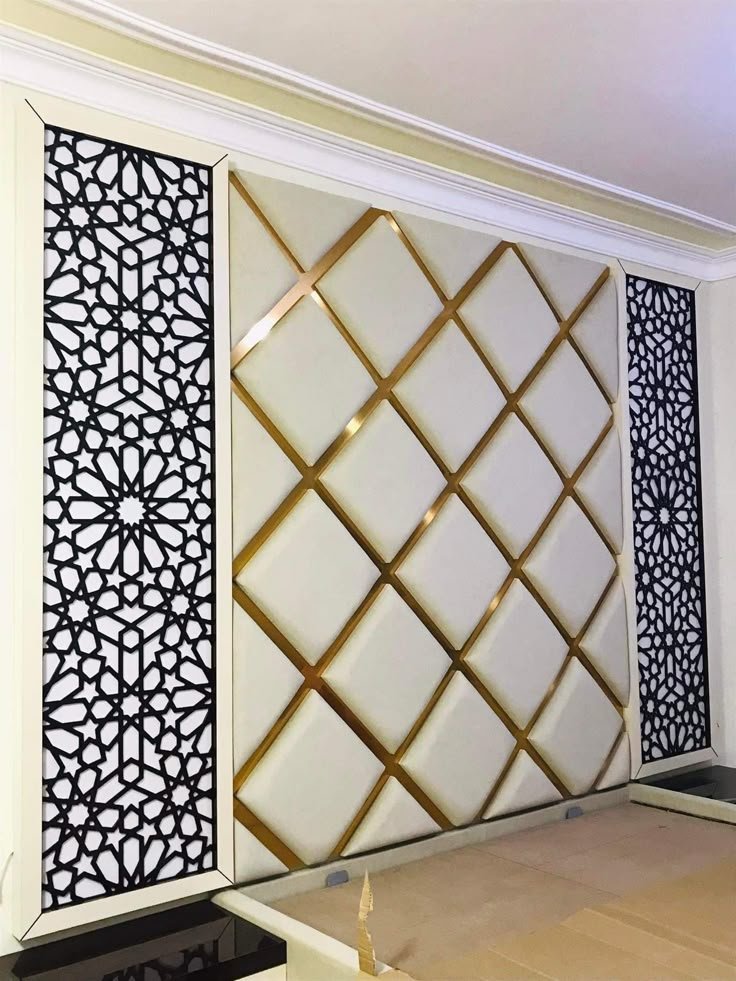
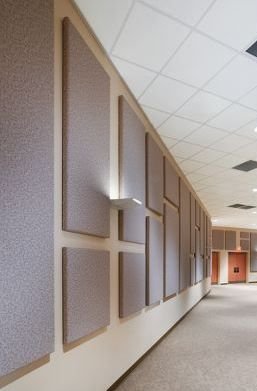
Fabric-wrapped acoustic panels feature a sound-absorbing core covered with decorative fabric. They are popular in professional interiors because they combine acoustic functionality with a clean, upholstered appearance.
They are available in different colours, sizes and fabric textures. You can also arrange them in decorative patterns to create attractive feature walls.
Benefits:
- Help reduce echo and reverberation.
- Available in different colours and fabric finishes.
- Suitable for boardrooms and meeting rooms.
- Create decorative feature walls.
- Can improve speech clarity in enclosed spaces.
Best for: Offices, conference rooms, hotels, reception areas and educational facilities.
2. Wooden Slat Acoustic Wall Panels
Wooden slat acoustic panels combine decorative timber or wood-look slats with an acoustic backing, often made from felt. Their vertical or horizontal lines create a modern architectural appearance.
They are particularly popular in contemporary interiors because they introduce warmth, texture and visual depth.
Benefits:
- Create attractive feature walls.
- Help reduce sound reflections when properly specified.
- Available in different wood tones.
- Complement modern furniture and interior finishes.
- Suitable for residential and commercial interiors.
Best for: Living rooms, offices, hotel reception areas, boardrooms and entertainment spaces.
3. Polyester Fibre Acoustic Panels
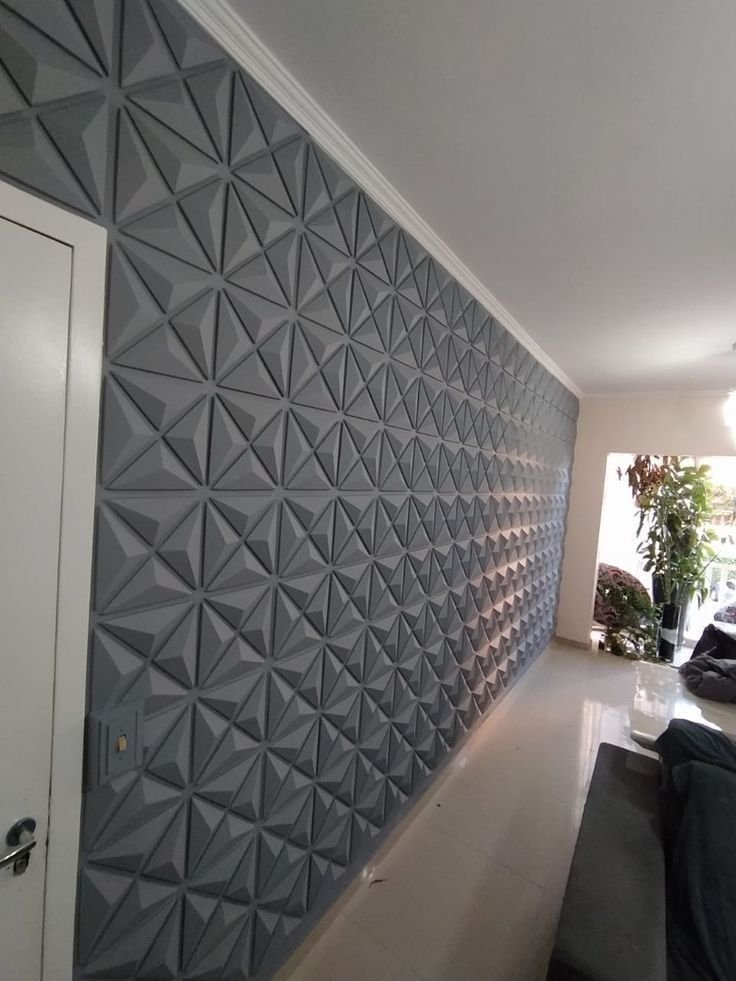
Polyester fibre panels use compressed synthetic fibres to absorb sound. They are available in different thicknesses, colours and shapes.
Some designs feature decorative patterns, making them suitable for spaces where acoustic performance and appearance are equally important.
Benefits:
- Lightweight construction.
- Available in different shapes and colours.
- Suitable for wall-mounted acoustic treatment.
- Can be arranged in creative patterns.
- Some products offer recycled-content options.
Best for: Offices, classrooms, meeting rooms and residential spaces.
4. Acoustic Foam Wall Panels
Acoustic foam panels are commonly used to control reflections in rooms where sound clarity matters. Their surface may feature wedge, pyramid or egg-crate patterns.
They are frequently used in recording and practice environments.
Benefits:
- Lightweight and easy to position.
- Available in different thicknesses.
- Useful for reducing high-frequency reflections.
- Suitable for targeted acoustic treatment.
- Available in different surface patterns.
Best for: Home recording rooms, podcast spaces, music practice rooms and small studios.
The effectiveness of foam depends on its material properties, thickness, coverage and placement. Ordinary foam should not be assumed to provide complete sound isolation or suitable fire performance for every building.
5. Perforated Wooden Acoustic Panels
Perforated wooden acoustic panels feature small openings or grooves across their surface. These openings allow sound to interact with an acoustic backing or absorbent material behind the decorative face.
They provide a more architectural appearance than many conventional foam products.
Benefits:
- Combine decorative finishes with acoustic treatment.
- Suitable for large wall installations.
- Available in different wood finishes.
- Can complement modern office and hospitality interiors.
Best for: Conference facilities, hotels, auditoriums and corporate interiors.
6. Decorative Felt Acoustic Panels
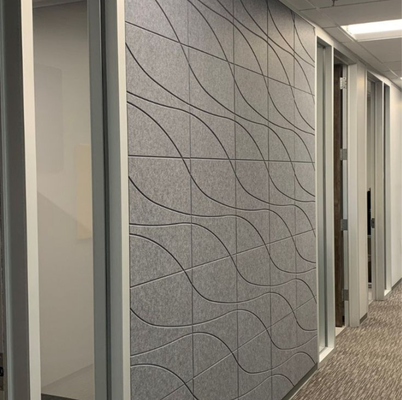
Felt acoustic panels use dense textile-based materials to help absorb sound reflections. They are available in geometric shapes, plain colours and decorative configurations.
Their flexibility makes them suitable for creative wall arrangements.
Benefits:
- Available in different colours.
- Lightweight and decorative.
- Suitable for feature walls.
- Can be arranged into customised patterns.
- Help reduce reverberation.
Best for: Offices, classrooms, creative workspaces and modern homes.
7. Acoustic Wall Tiles
Acoustic wall tiles are modular panels designed for installation in individual sections. They are useful when you want to treat selected areas rather than cover an entire wall.
Their modular nature also allows different colours and patterns to be combined.
Benefits:
- Flexible installation arrangements.
- Suitable for partial wall coverage.
- Available in different shapes and finishes.
- Easy to coordinate with interior colour schemes.
Best for: Meeting rooms, home offices, classrooms and small commercial spaces.
Popular Acoustic Wall Panel Designs in Kenya
Acoustic panels can serve as both functional treatments and decorative interior features. Here are some design ideas worth considering.
1. Vertical Wooden Slat Panels
<Add image: Modern vertical oak acoustic slat wall panels in a contemporary living room>
Vertical wooden slats create a clean, structured appearance. They work particularly well behind television units, reception desks and office feature walls.
Popular finishes include natural oak, walnut, dark wood and charcoal.
2. Horizontal Wooden Slat Panels
<Add image: Horizontal timber acoustic slat feature wall in a modern office>
Horizontal slats create a wider visual effect and can make a wall appear more spacious. They are suitable for boardrooms, lounges and contemporary living spaces.
3. Geometric Fabric Acoustic Panels
<Add image: Geometric fabric acoustic wall panels in a modern conference room>
Geometric panels introduce colour and texture while helping control sound reflections. You can combine different shapes to create a distinctive feature wall.
4. Full-Height Acoustic Feature Walls
<Add image: Full-height decorative acoustic wall panels in a hotel interior>
Full-height installations create a consistent design across an entire wall. They work well in hotels, offices, restaurants and entertainment spaces.
5. Two-Tone Acoustic Wall Panels
<Add image: Two-tone grey and beige fabric acoustic panels in a corporate meeting room>
Combining two or more colours creates visual contrast without overwhelming the room. Neutral colours such as beige, grey and charcoal are suitable for professional interiors.
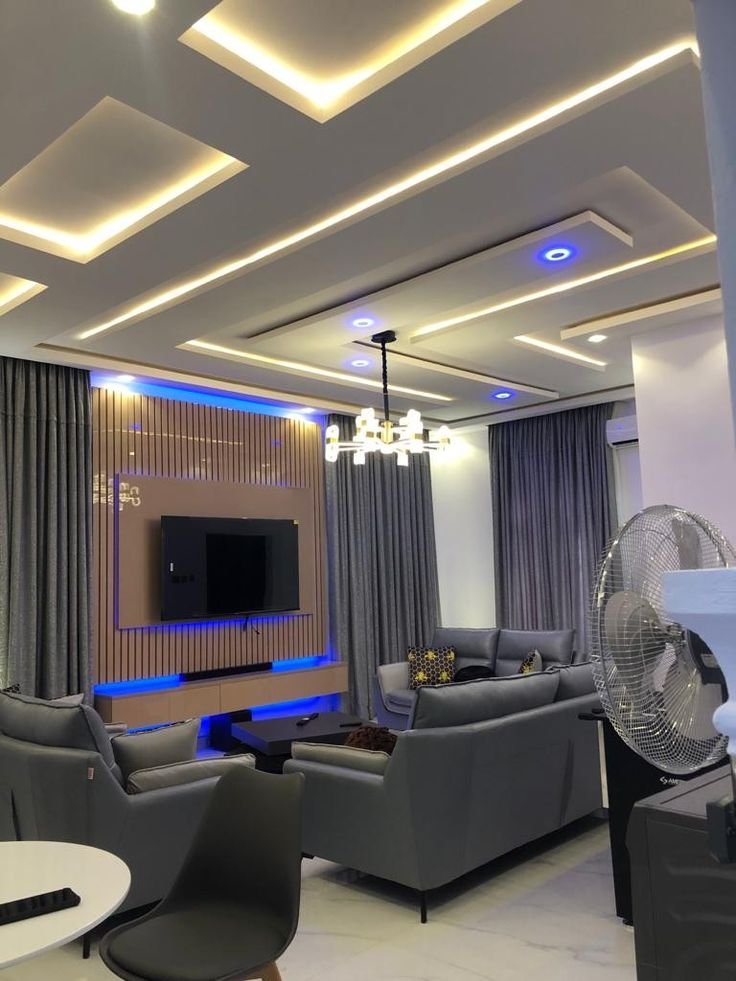
6. Acoustic Panels Behind Television Units
<Add image: Modern television wall with wooden slat acoustic panels>
Wooden slat panels can create an attractive background behind a television. They also help manage some sound reflections in the living room.
However, they should not be treated as a replacement for proper speaker positioning or dedicated sound isolation.
Where Can Acoustic Wall Panels Be Installed?
Acoustic wall panels are suitable for different residential and commercial environments.
Acoustic Wall Panels for Offices
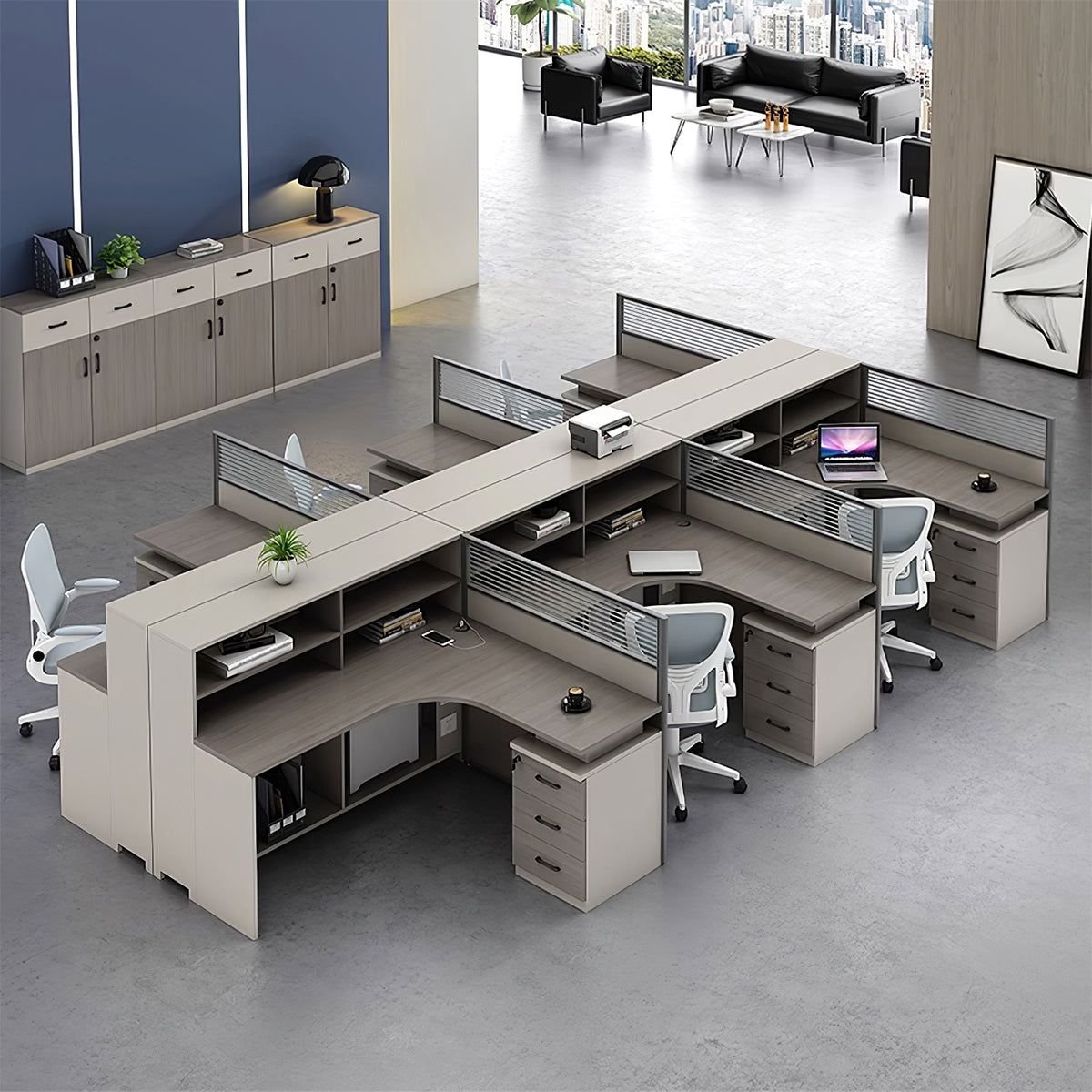
Offices often contain hard surfaces such as glass, concrete, tiled floors and painted walls. These surfaces can reflect sound, making conversations and meetings less comfortable.
Acoustic panels can help improve speech clarity in:
- Open-plan offices.
- Boardrooms.
- Meeting rooms.
- Reception areas.
- Private offices.
- Training rooms.
- Call centres.
For open-plan offices, combine wall panels with suitable ceiling treatments and other acoustic measures where necessary.
Acoustic Wall Panels for Homes
In residential spaces, acoustic panels can improve listening comfort while creating attractive decorative features.
Common applications include:
- Living rooms.
- Home offices.
- Television walls.
- Entertainment rooms.
- Music practice rooms.
- Home recording spaces.
Wooden slat panels are particularly popular for contemporary living room feature walls.
Acoustic Wall Panels for Hotels and Restaurants
Restaurants and hotels need comfortable environments where guests can communicate without excessive background echo.
Acoustic treatments can help improve the experience in:
- Hotel reception areas.
- Restaurants.
- Lounges.
- Conference rooms.
- Private dining spaces.
- Hospitality corridors.
Fabric-wrapped and decorative wooden panels can complement the overall interior design.
Acoustic Wall Panels for Schools and Training Facilities
Classrooms and training rooms require clear communication between instructors and learners. Excessive reverberation can make speech harder to understand.
Acoustic panels can help improve room acoustics when selected and positioned correctly.
Acoustic Wall Panels for Churches and Auditoriums
Large halls often experience sound reflections because of their size and hard surfaces. Acoustic wall treatments can help manage reverberation and improve speech intelligibility.
However, churches and auditoriums may require a complete acoustic design that considers the room’s dimensions, ceiling, seating, sound system and intended use.
Acoustic Wall Panels vs Soundproof Wall Partitions
These two solutions serve related but different purposes. Understanding the difference helps you choose the right system.
| Feature | Acoustic wall panels | Soundproof wall partitions |
|---|---|---|
| Main purpose | Reduce sound reflections and echo | Reduce sound transmission |
| Typical installation | Mounted onto existing walls | Built as a wall system |
| Materials | Fabric, foam, felt, timber slats and acoustic cores | Gypsum boards, insulation, framing and acoustic seals |
| Common applications | Offices, studios, homes and meeting rooms | Private offices, consulting rooms and separated spaces |
| Space requirements | Usually adds limited wall depth | Requires more construction depth |
| Main consideration | Sound absorption and coverage | Wall construction and sound isolation |
For example, if a boardroom sounds echoey, acoustic wall panels may improve the room’s sound quality. However, if conversations from the next office are clearly audible, you may need an insulated partition system rather than decorative wall panels alone.
Explore our wall partitioning solutions in Kenya for more information about different partition systems.
Acoustic Wall Panels Prices in Kenya
The cost of acoustic wall panels in Kenya depends on the material, thickness, dimensions, finish, acoustic performance and installation requirements.
The following figures are indicative budgeting estimates based on published Kenyan market listings. They are not fixed SUIMAS quotations.
| Acoustic panel type | Indicative price |
|---|---|
| Standard acoustic foam, 12-panel pack | KES 6,000–7,800 |
| Fabric-wrapped acoustic panel | KES 6,000–8,500 per panel |
| Wooden slat acoustic panels | KES 9,500–14,500 per m² |
| Basic decorative acoustic panels | KES 4,000–10,000 per m² |
| Specialised acoustic wall treatment | Quotation based on specification |
Actual prices vary significantly between products. Some listings sell panels individually, others by pack or square metre. Always confirm the product dimensions, coverage, material and whether installation is included.
For reference, a Kenyan supplier publishes acoustic foam pack prices of approximately KES 6,000–7,800, while another published listing gives an example of fabric-wrapped panels at approximately KES 7,800 per panel. https://levelacousticskenya.com/acoustic-panels-price-list-in-kenya-what-to-expect/ https://suimas.co.ke/shop/wall-partitioning-prices-in-kenya/
Factors That Affect Acoustic Wall Panel Prices
1. Panel material
Foam, felt, polyester fibre, fabric-wrapped cores and wooden slat systems have different manufacturing costs. Decorative timber finishes and specialised acoustic cores can increase the price.
2. Panel thickness
Thickness influences the panel’s acoustic behaviour, although performance also depends on the material and installation arrangement. Thicker panels may cost more than thinner alternatives.
3. Panel dimensions
Larger panels may cover more wall area but can have higher individual prices. Compare costs using the same measurement unit.
4. Design and finish
Custom colours, premium fabrics, decorative patterns and wood finishes can affect the final quotation.
5. Acoustic performance requirements
A meeting room may need a different treatment from a recording space or large auditorium. More demanding requirements may involve additional materials and acoustic assessment.
6. Installation method
Some panels use adhesive mounting, while others require concealed clips, timber battens or specialised fixing systems. Installation complexity affects labour costs.
7. Wall preparation
Uneven surfaces, electrical fittings, wall repairs and existing decorative features can increase installation costs.
How to Choose the Best Acoustic Wall Panels in Kenya
Choosing the right acoustic panels requires a balance between appearance, performance and budget.
1. Identify the Noise Problem
First, establish what you want to improve.
If your room has excessive echo, sound-absorbing panels may help. If noise travels through walls from neighbouring rooms, you may need a sound-isolation solution.
Identifying the problem prevents you from buying decorative panels that cannot achieve your intended result.
2. Consider the Room’s Purpose
Different rooms have different acoustic requirements.
A boardroom needs clear speech, while a recording room may require more controlled sound reflections. A restaurant may need treatments that reduce general reverberation without compromising the interior design.
3. Choose Suitable Materials
Select panels based on their intended application, durability, appearance and maintenance requirements.
For example:
- Fabric-wrapped panels suit professional meeting rooms.
- Wooden slat panels suit decorative feature walls.
- Foam panels suit selected recording and practice environments.
- Felt panels suit creative and contemporary interiors.
- Perforated wooden panels suit architectural and commercial spaces.
4. Check Acoustic Performance Specifications
Ask the supplier for product specifications and relevant acoustic test information.
One useful measurement is the Noise Reduction Coefficient (NRC), which indicates how much sound a material absorbs under specified test conditions. A higher NRC generally indicates greater sound absorption.
However, NRC alone does not tell you how much sound will pass through a wall. For sound isolation, ask about the complete wall system and its tested Sound Transmission Class (STC) or equivalent rating.
5. Consider Fire and Safety Requirements
For offices, hotels, schools and public buildings, confirm that the selected materials meet the relevant fire-performance requirements for the intended installation.
Do not assume that every foam, fabric or timber panel has the same fire rating.
6. Match Panels with Your Interior Design
Acoustic panels should complement your furniture, lighting, flooring, ceiling and wall colours.
Neutral shades create a professional appearance, while decorative wooden finishes add warmth to residential and hospitality interiors.
7. Calculate the Required Coverage
The amount of acoustic treatment depends on the room dimensions, wall surfaces, ceiling height, furniture and the intended acoustic outcome.
Avoid buying panels based only on the room’s floor area. An acoustic assessment can help determine suitable panel coverage and placement.
Acoustic Wall Panel Installation Process
Proper installation ensures that panels remain secure and cover the intended areas.
A typical project involves the following stages:
1. Site assessment
The installation team evaluates the room’s dimensions, wall conditions, furniture arrangement and acoustic requirements.
2. Design and layout planning
The team identifies suitable panel locations, patterns, colours and coverage areas. This stage also considers doors, windows, electrical fittings and other wall features.
3. Material selection
Choose the appropriate panel type, thickness, finish and fixing system based on the project specification.
4. Wall preparation
Prepare the wall surface and confirm that it can support the selected panels and mounting system.
5. Panel installation
Install the panels using the manufacturer’s recommended fixing method. Depending on the product, this may involve adhesive, concealed clips, battens or mechanical fixings.
6. Finishing and inspection
Check panel alignment, spacing, edges and fixing stability. The completed installation should also match the approved design.
7. Final assessment
Where acoustic performance is important, assess the completed room against the project’s intended acoustic requirements.
Common Mistakes to Avoid When Installing Acoustic Wall Panels
Avoid these common mistakes when planning an acoustic wall treatment:
- Assuming acoustic panels provide complete soundproofing.
- Choosing panels based on appearance without checking performance specifications.
- Installing too few panels for the room’s acoustic requirements.
- Ignoring ceiling reflections and other hard surfaces.
- Selecting materials without checking fire-performance requirements.
- Failing to measure wall dimensions before ordering.
- Using unsuitable adhesives or mounting systems.
- Ignoring maintenance and cleaning requirements.
- Installing panels without considering lighting, sockets and wall fittings.
Professional planning helps prevent unnecessary expenses and improves the final appearance.
How to Maintain Acoustic Wall Panels
Regular maintenance helps preserve the appearance and performance of acoustic panels.
Fabric-wrapped panels: Remove dust using a suitable vacuum attachment. Follow the manufacturer’s cleaning instructions for stains and marks.
Wooden slat panels: Use a soft cloth or suitable cleaning product for the surface finish. Avoid excessive moisture, particularly around exposed backing materials.
Foam panels: Remove dust carefully and avoid harsh chemicals or excessive moisture.
Felt panels: Follow the product’s recommended cleaning method to prevent surface damage and changes in texture.
Also, inspect mounting systems occasionally to ensure that panels remain secure.
Why Choose Suimas Interior Designers for Your Interior Project?
Acoustic treatments should work with the wider interior design rather than appear as an afterthought. Suimas Interior Designers helps clients plan functional, attractive residential and commercial spaces.
With over 18 years of experience and more than 3,000 completed projects, our team understands the importance of coordinating materials, layouts, finishes and installation requirements.
Our interior design approach considers:
- Room layout and functional requirements.
- Decorative wall treatments and finishes.
- Office and commercial interior planning.
- Wall partitioning and space division.
- Coordination of materials and colours.
- Project planning and fit-out requirements.
- Design development, 3D visualisation and handover.
Whether you are upgrading a boardroom, improving a home entertainment area or planning a commercial interior, we can help you assess the design requirements and discuss suitable solutions.
Related Interior Design Services
Explore more interior design and renovation solutions:
- Wall partitioning prices in Kenya
- Cost of wall partitioning in Kenya
- Suimas Interior Designers
- Interior design services in Kenya
- Interior finishing solutions
- Home renovation services
- Office interior design
Contact Suimas Interior Designers
Are you planning to install acoustic wall panels or upgrade your interior finishes? Contact Suimas Interior Designers to discuss your project requirements and request a quotation.
Suimas Interior Designers
- Phone: 0717 044 443 / 0739 255 050 / 0725 021 709
- Email: info@suimas.co.ke
- Location: Nairobi CBD
- Website: https://suimas.co.ke/
- Request a quotation: https://suimas.co.ke/contact/
Areas We Serve Across Kenya
Suimas Interior Designers serves residential and commercial clients across all 47 counties in Kenya, including Nairobi, Kiambu, Machakos, Kajiado, Murang’a, Nyeri, Kirinyaga, Embu, Meru, Tharaka-Nithi, Laikipia, Nyandarua, Nakuru, Narok, Bomet, Kericho, Nandi, Uasin Gishu, Elgeyo-Marakwet, Trans Nzoia, West Pokot, Samburu, Turkana, Marsabit, Isiolo, Garissa, Wajir, Mandera, Kitui, Makueni, Taita-Taveta, Mombasa, Kilifi, Kwale, Tana River, Lamu, Busia, Bungoma, Kakamega, Vihiga, Siaya, Kisumu, Homa Bay, Migori, Kisii, Nyamira and Baringo.
In Nairobi, our service areas include Westlands, Kilimani, Kileleshwa, Lavington, Karen, Runda, Muthaiga, Parklands, Riverside, Upper Hill, South B, South C, Lang’ata, Ruaka, Kasarani, Roysambu, Thika Road, Ruiru, Embakasi, Syokimau and Nairobi CBD.
In Mombasa, our service areas include Nyali, Bamburi, Shanzu, Kizingo, Tudor, Mtwapa, Diani, Likoni, Changamwe, Mombasa Island and Bamburi Beach.
Frequently Asked Questions About Acoustic Wall Panels in Kenya
1. How much do acoustic wall panels cost in Kenya?
Prices depend on the material, dimensions, finish and installation requirements. Standard acoustic foam packs may cost around KES 6,000–7,800, while fabric-wrapped panels and decorative wooden slat systems can cost more.
2. Do acoustic wall panels soundproof a room?
Not necessarily. Acoustic wall panels mainly absorb sound reflections and reduce echo inside a room. To prevent sound from passing through walls, you may need insulated partitions, acoustic seals, specialist doors and other sound-isolation measures.
3. Which acoustic wall panels are best for offices?
Fabric-wrapped panels, polyester fibre panels and wooden slat acoustic panels are popular options for offices. The best choice depends on the room’s acoustic requirements, interior design and budget.
4. Are wooden slat wall panels acoustic?
Some wooden slat panels include acoustic felt or another sound-absorbing backing. These products can help reduce sound reflections. However, decorative wooden slats without an appropriate acoustic backing may provide limited sound absorption.
5. Can acoustic panels be installed in homes?
Yes. Acoustic panels can be installed in living rooms, home offices, entertainment spaces and selected residential areas. Decorative wooden slat and fabric-wrapped designs are popular options.
6. How many acoustic panels do I need?
The required number depends on room dimensions, ceiling height, existing surfaces, furniture and the intended acoustic result. A room assessment helps determine suitable coverage and placement.
7. Can acoustic wall panels be customised?
Some acoustic panel systems offer different sizes, colours, fabric finishes and installation patterns. Confirm available customisation options with the supplier before ordering.
8. Are acoustic panels suitable for restaurants and hotels?
Yes. They can help reduce reverberation and improve communication in restaurants, hotel lounges, reception areas and conference rooms. The selected materials should also meet the building’s relevant fire and safety requirements.
9. Can acoustic panels be installed on existing walls?
Yes. Many acoustic panels can be mounted on existing walls if the surface is suitable and the correct fixing system is used. Wall condition and panel weight should be checked before installation.
10. What is the difference between NRC and STC?
NRC measures how much sound a material absorbs, helping assess its ability to reduce reflections. STC measures how well a building element or wall assembly reduces airborne sound transmission. They measure different acoustic properties and should not be used interchangeably.
11. Do acoustic wall panels require regular maintenance?
Most acoustic panels require occasional dust removal and cleaning according to the manufacturer’s instructions. Fabric, foam, felt and wooden finishes may have different maintenance requirements.
12. Does Suimas Interior Designers handle acoustic wall projects?
Suimas Interior Designers provides interior design, wall finishing and renovation solutions. Contact our team to discuss your acoustic wall requirements and confirm the appropriate materials, specifications and installation arrangements for your project.