- Call Us: 0717044443 / 0739255050 / 0725021709
- Email: info@suimas.co.ke / info@interiordesigners.co.ke

The Future of Interior Design in Kenya
- Description
Description
The Future of Interior Design in Kenya: Trends Shaping Homes, Offices and Commercial Spaces
The future of interior design in Kenya is moving beyond simply making spaces look beautiful. As lifestyles change, technology advances, property development expands, and clients become more conscious of sustainability and functionality, interior design is becoming an essential part of how Kenyans live, work, relax, shop, and do business.
Modern property owners are looking for interiors that are not only visually appealing but also functional, comfortable, sustainable, technology-ready, personalized, and practical for everyday life. Businesses, on the other hand, are investing in interiors that strengthen their brands, improve customer experiences, support employees, and make better use of available space.
From sustainable and biophilic interiors to smart homes, flexible spaces, modern African aesthetics, custom furniture, and technology-driven design, the future of interior design in Kenya is full of exciting possibilities.
At SUIMAS, we understand that successful interior design requires more than following trends. It requires understanding the client, the property, the intended use of the space, available materials, budget, and long-term objectives. Our approach combines creativity with functionality to help create interiors that are designed for the way people live and businesses operate.
Whether you are building a home in Nairobi, renovating an apartment in Mombasa, opening a restaurant in Kisumu, upgrading an office in Westlands, or developing a hospitality property anywhere in Kenya, the future of interior design offers new ways to create spaces that are more functional, distinctive, comfortable, and sustainable.
What Is the Future of Interior Design in Kenya?
The future of interior design in Kenya is expected to be shaped by a combination of technology, sustainability, changing lifestyles, cultural identity, wellness, personalization, and efficient space utilization.
Kenyan homeowners and businesses are becoming more informed about design possibilities. Instead of simply choosing furniture and paint colours, clients increasingly want complete design solutions that consider the entire environment.
Future-focused interior design is likely to place greater emphasis on:
- Sustainable materials and responsible design
- Biophilic interiors
- Smart home and smart office technology
- Flexible and multifunctional spaces
- Modern African design
- Locally inspired craftsmanship
- Custom furniture
- Wellness and comfort
- Energy-efficient lighting
- Better space planning
- Digital visualization and 3D design
- Personalized interiors
- Experience-driven commercial spaces
These trends are not necessarily separate from one another. The most successful interiors will combine several of them to create spaces that are beautiful, practical, and relevant to the people who use them.
1. Sustainable Interior Design Will Become More Important
Sustainability is one of the most significant trends influencing the future of interior design globally and in Kenya.
More property owners are becoming interested in interiors that consider durability, energy efficiency, responsible material selection, and long-term maintenance.
Sustainable interior design may involve:
- Durable materials
- Energy-efficient lighting
- Natural lighting
- Efficient space planning
- Long-lasting furniture
- Locally available materials
- Responsible material sourcing
- Low-maintenance finishes
- Natural ventilation
- Reuse and restoration where appropriate
The goal is not simply to create an interior that looks environmentally friendly. It is to develop spaces that are thoughtfully designed to perform well over time.
Professional designers can help clients evaluate different materials and finishes based on appearance, functionality, durability, maintenance, and project requirements.
For Kenyan homeowners and businesses, this can be particularly valuable when balancing design ambitions with practical budgets.
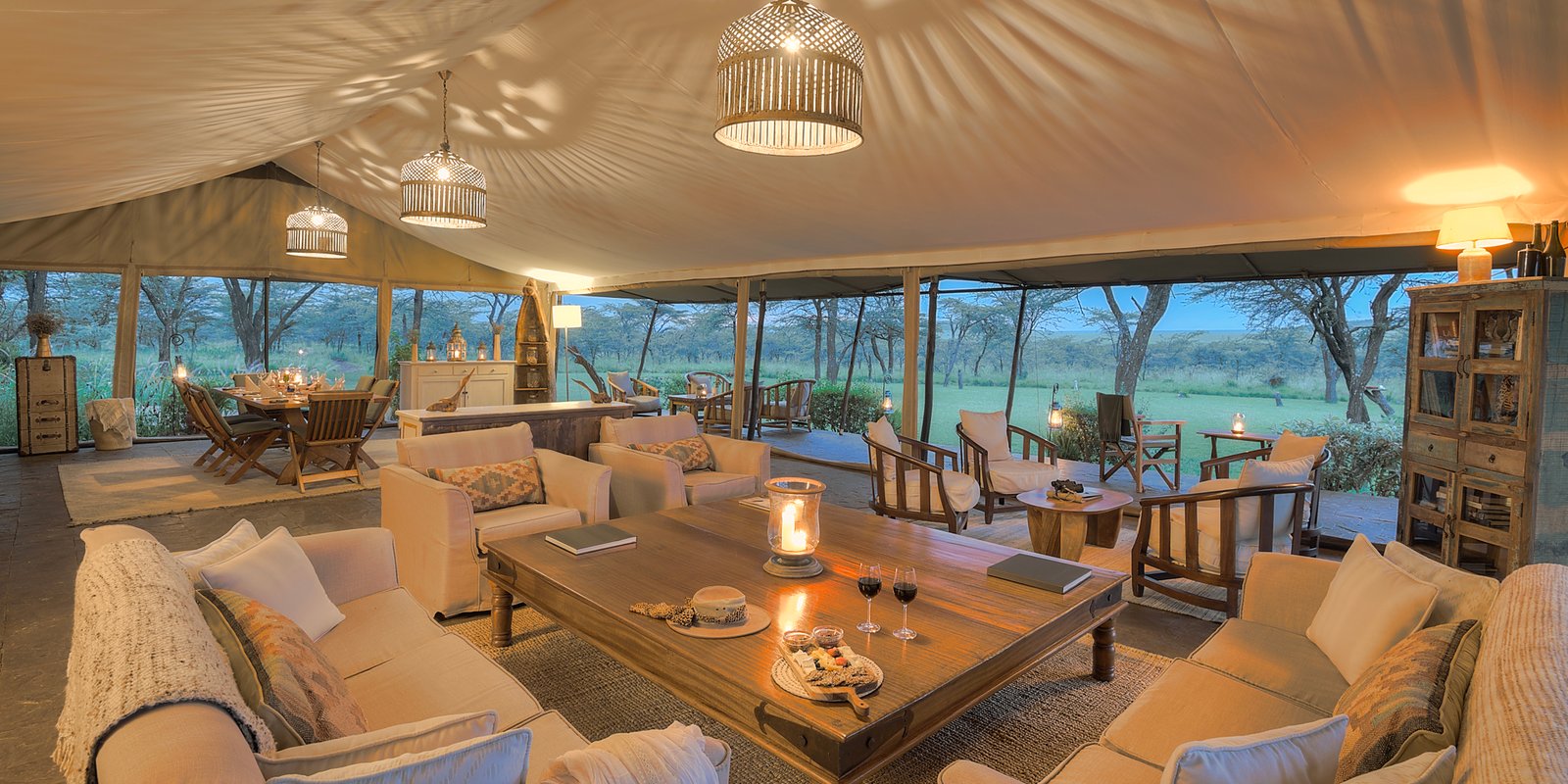
2. Biophilic Interior Design Will Shape Modern Kenyan Spaces
Biophilic design focuses on creating stronger connections between people and nature.
In Kenya, where natural landscapes and diverse environments are an important part of our identity, this approach has significant potential.
Future interiors may increasingly incorporate:
- Indoor plants
- Natural light
- Natural ventilation
- Wood textures
- Stone finishes
- Organic patterns
- Natural colours
- Outdoor-indoor connections
- Green views
- Water-inspired features
Biophilic design can be applied to homes, offices, hotels, restaurants, wellness spaces, and other commercial properties.
For example, a modern office can use natural light, indoor greenery, warm wood textures, and carefully planned layouts to create a more welcoming working environment.
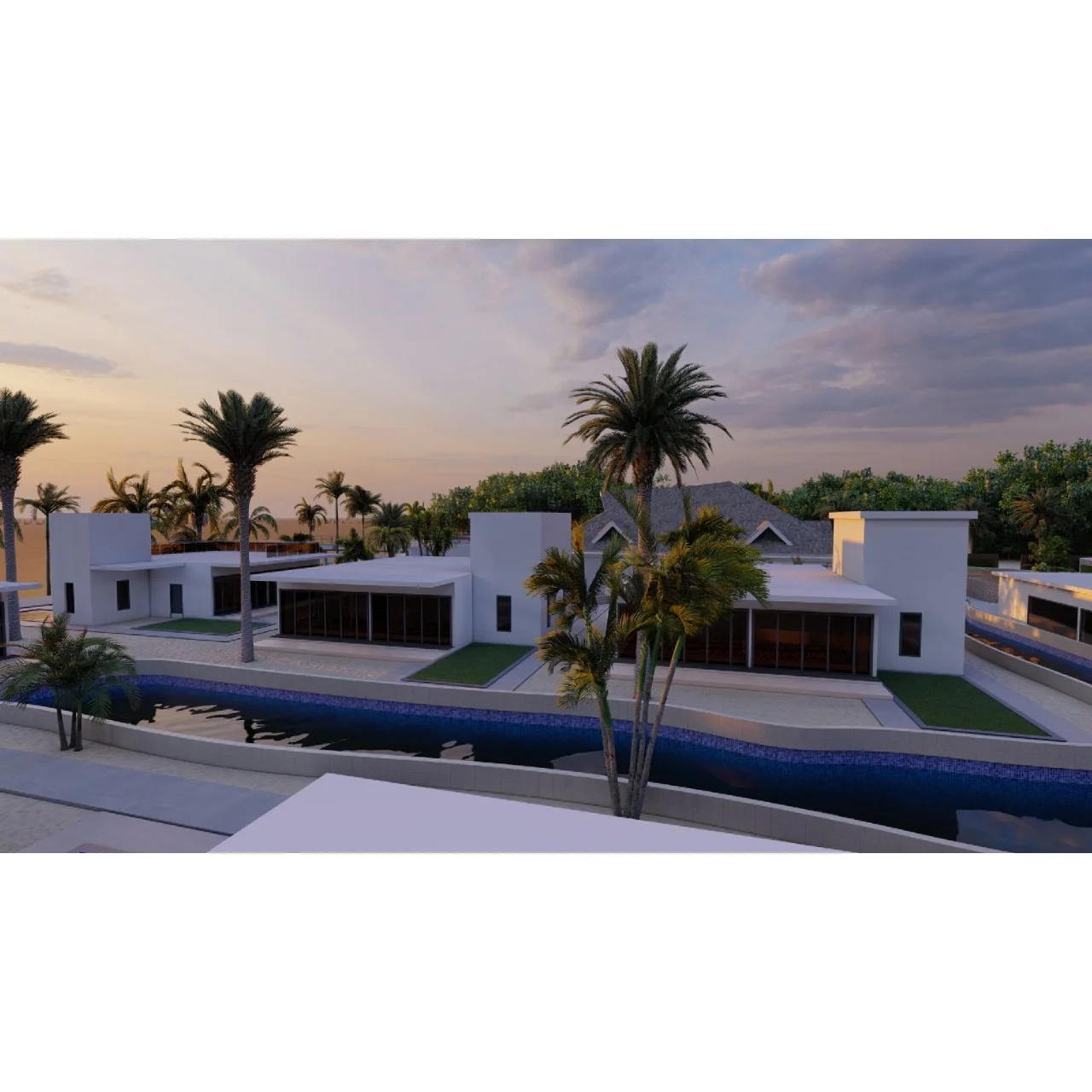
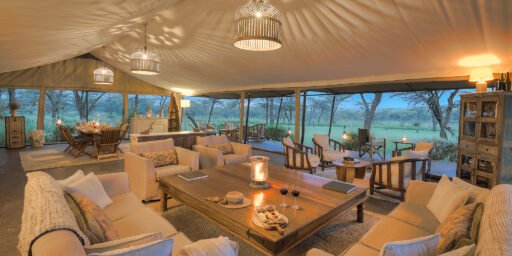
A hotel can use natural materials and landscaping to create a stronger connection between its interiors and surroundings.
The future of Kenyan interior design will increasingly explore how nature can become part of the interior experience.
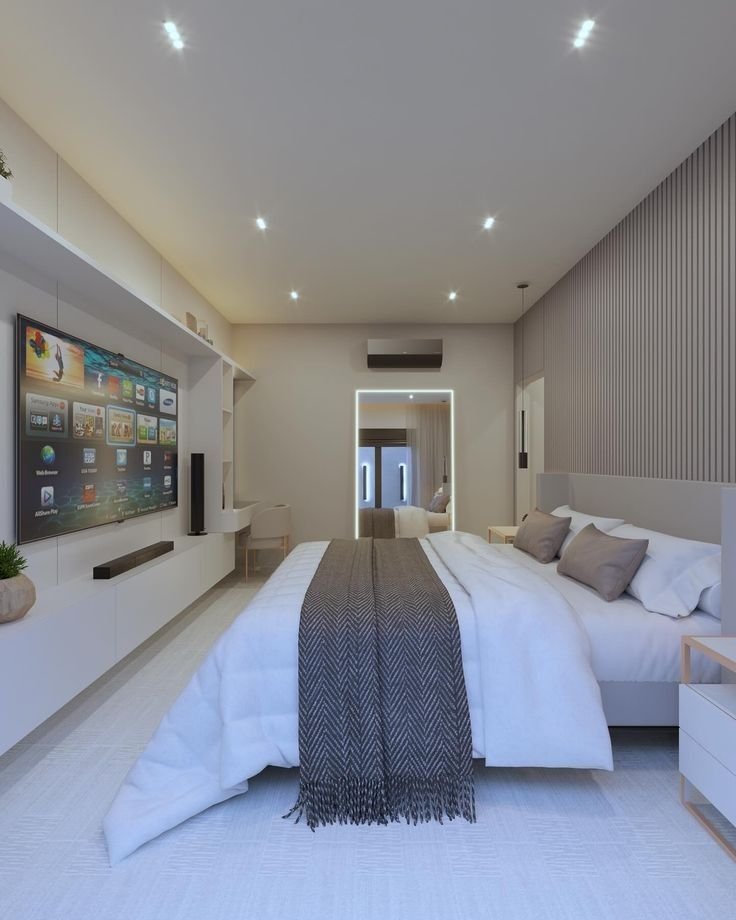
3. Smart Homes Will Transform Residential Interior Design
Technology is changing how people interact with their homes.
Smart home technology is expected to become increasingly integrated into interior design, particularly as homeowners look for greater convenience, comfort, security, and energy efficiency.
Future homes may incorporate:
- Smart lighting
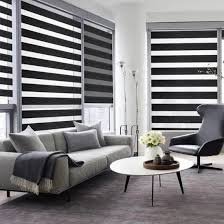
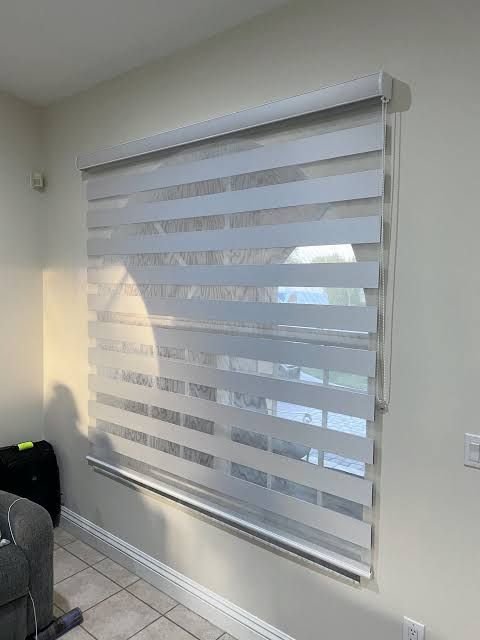
- Automated curtains and blinds
- Smart security systems
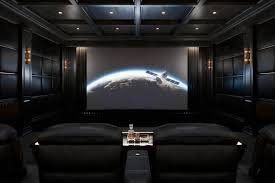
- Home entertainment systems
- Automated climate control
- Smart appliances
- Voice-controlled technology
- Integrated charging solutions
The challenge for interior designers is to integrate technology without allowing devices and cables to dominate the appearance of the space.
This means smart technology needs to be considered during the design and planning stage rather than added as an afterthought.
A well-designed smart home should feel both technologically advanced and visually cohesive.
4. Smart Offices and Technology-Enabled Workspaces
The workplace is also changing.
Modern businesses require offices that support productivity, collaboration, flexibility, and employee well-being.
The future office may include:
- Flexible workstations
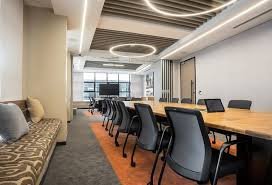
- Collaboration zones
- Private meeting areas
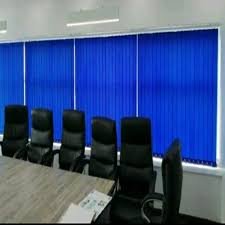
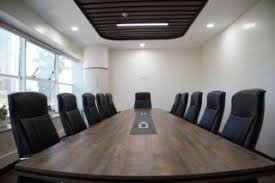
- Technology-integrated conference rooms
- Acoustic solutions
- Informal workspaces
- Breakout areas
- Comfortable employee facilities
Professional office interior design services can help businesses plan spaces around how their teams actually work.
Rather than designing an office simply around desks and chairs, future-focused office design will consider employee experience, technology, brand identity, acoustics, lighting, and flexibility.
5. Multifunctional and Flexible Spaces Will Become the Norm
Urban living and changing lifestyles are increasing the need for flexible spaces.
A single room may need to function as:
- A home office
- A study area
- A guest room
- A living space
- A dining area
- A relaxation zone
Professional space planning can help homeowners make better use of limited floor space without making rooms feel overcrowded.
In offices, flexible spaces can allow teams to work independently, collaborate, meet clients, or hold presentations within the same environment.
The future of interior design will therefore focus increasingly on adaptability.
Furniture that can be moved, storage that can be concealed, and spaces that can serve multiple purposes will become increasingly valuable.
6. Modern African Interior Design Will Gain Greater Recognition
One of the most exciting opportunities for Kenyan interior design is the continued development of contemporary African aesthetics.
Modern African interior design does not mean filling every room with traditional patterns or decorations.
Instead, designers can thoughtfully combine:
- African artwork
- Local craftsmanship
- Natural materials
- Cultural textures
- Contemporary furniture
- Modern architecture
- Traditional influences
The result can be a sophisticated interior that feels distinctly African while remaining contemporary.
Kenyan homes, hotels, restaurants, offices, and retail spaces can use local identity as a source of inspiration rather than simply copying international design trends.
This approach creates opportunities for designers to celebrate Kenya’s creativity, culture, materials, and craftsmanship in new and innovative ways.
7. Local Craftsmanship and Custom Furniture Will Grow
Mass-produced furniture is convenient, but custom-made solutions offer an important advantage: they can be designed specifically for the available space.
Custom solutions may include:
- Wardrobes
- Walk-in closets
- Kitchen cabinets
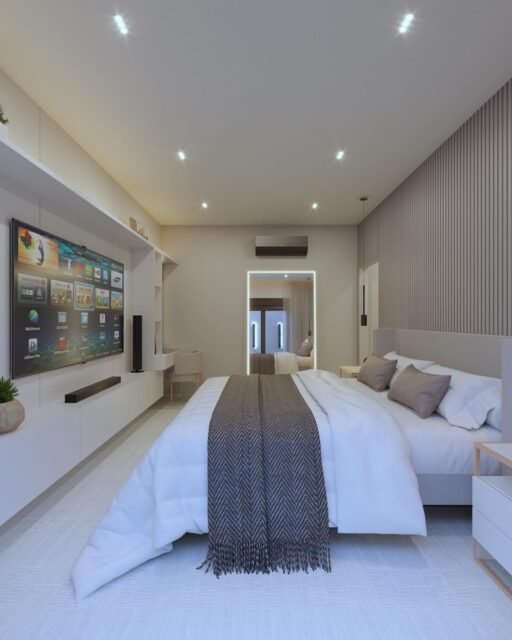
- TV walls
- Reception counters
- Office furniture
- Display units
- Storage systems
- Bespoke seating
Professional residential interior design services can incorporate custom furniture to maximize space while maintaining a consistent design language.
For commercial properties, custom furniture can also help businesses create distinctive environments that reflect their brand.
The future will likely see greater appreciation for craftsmanship, personalization, and furniture designed specifically for individual projects.
8. Wellness Will Become a Central Part of Interior Design
The future of interior design is increasingly concerned with how spaces make people feel.
A well-designed interior should support comfort and well-being through factors such as:
- Natural lighting
- Good ventilation
- Comfortable furniture
- Appropriate acoustics
- Effective space planning
- Calming colours
- Natural materials
- Reduced clutter
For homes, this can create more relaxing living environments.
In offices, thoughtful design can support employee comfort and productivity.
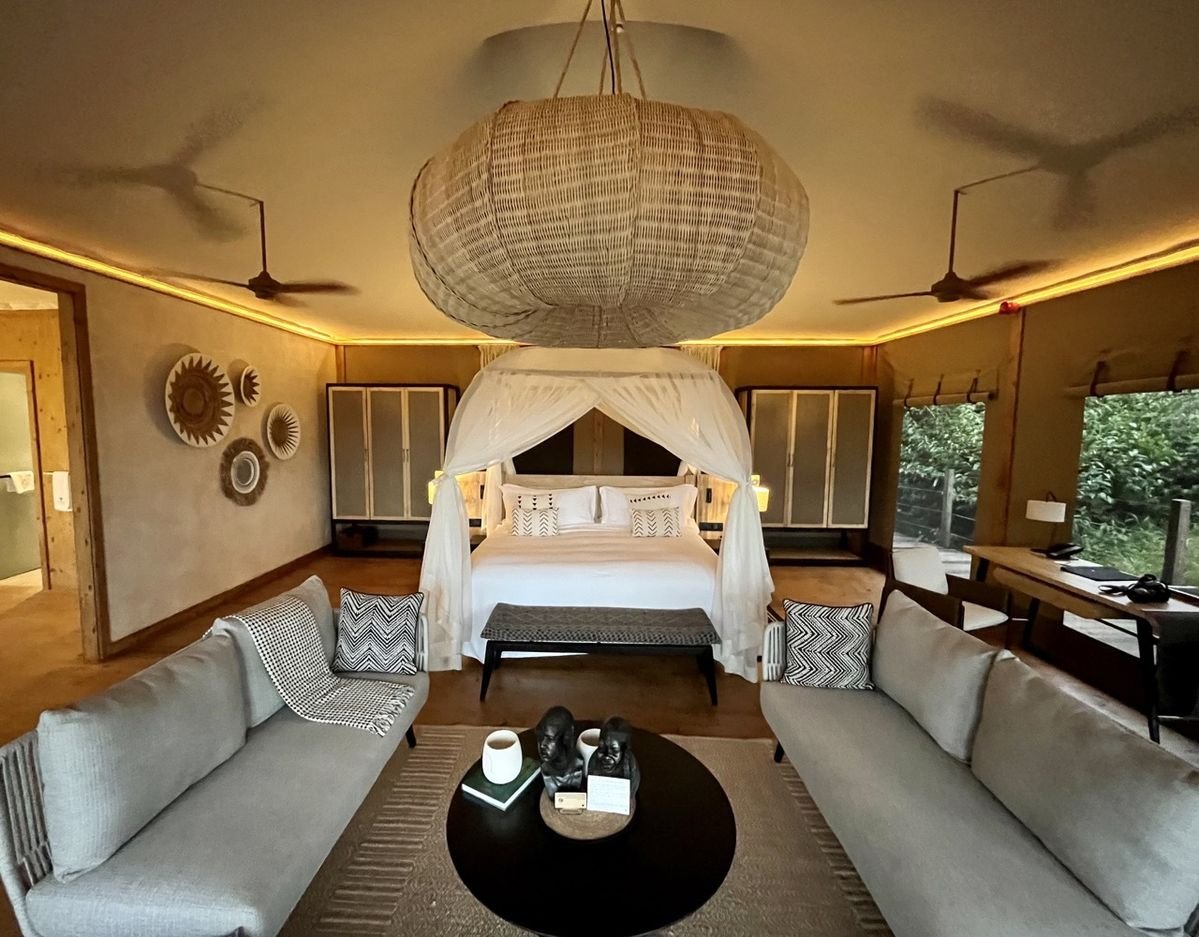
In hotels and hospitality spaces, it can contribute to a more memorable guest experience.
This shift means that interior design will increasingly focus not just on what a space looks like, but also on how people experience it.
9. Lighting Will Become More Sophisticated
Lighting is one of the most powerful tools available to an interior designer.
Future interiors will increasingly combine different layers of lighting to create functional and atmospheric spaces.
These may include:
- Ambient lighting
- Task lighting
- Accent lighting
- Decorative lighting
- Natural lighting
- Energy-efficient LED systems
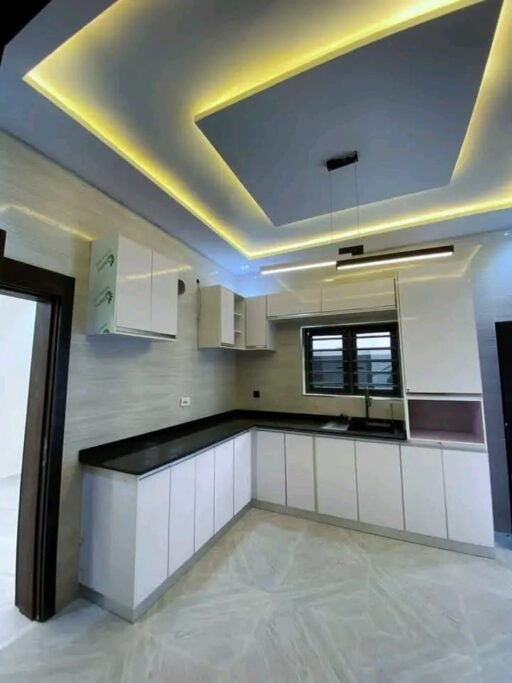
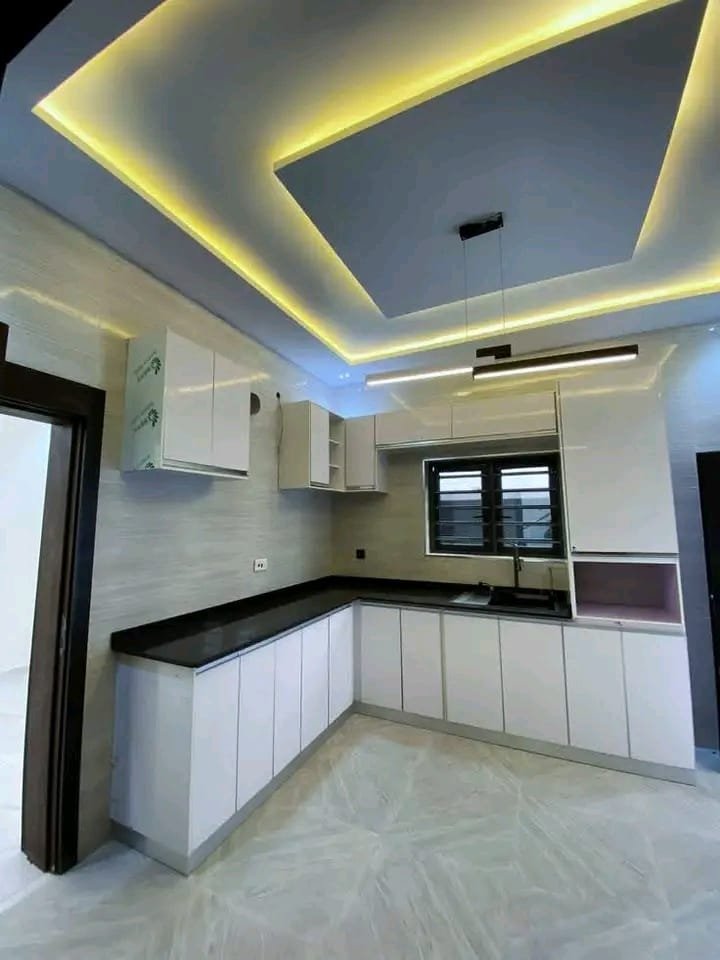
Modern gypsum ceilings and integrated lighting solutions can help incorporate lighting into the architecture of a room.
Instead of treating lighting as a final installation, future interior design will consider it from the beginning of the design process.
This allows lighting to highlight architectural features, improve functionality, and create different moods within the same space.
10. Minimalism Will Evolve Into Functional Simplicity
Minimalism remains influential, but the future of minimalism is likely to be more practical and personalized.
Instead of empty spaces with little personality, modern minimalism can focus on:
- Clean layouts
- Smart storage
- Quality materials
- Simple colour palettes
- Functional furniture
- Reduced visual clutter
The goal is to create calm and organized environments without sacrificing comfort or personality.
This approach works particularly well in apartments and modern urban homes where efficient use of space is essential.
11. Custom Kitchen and Storage Design Will Continue to Grow
Kitchens are becoming increasingly important as social and functional spaces within modern homes.
The future kitchen may serve as:
- A cooking area
- A dining space
- A family gathering point
- A home office
- An entertainment area
Professional kitchen interior design services can help create kitchens that balance aesthetics, storage, workflow, lighting, and durability.
Similarly, custom wardrobes and walk-in closets can help homeowners maximize available storage while maintaining a clean appearance.
The emphasis will increasingly be on beautiful functionality—design that looks good because it works well.
12. Hospitality Design Will Focus More on Experiences
Kenya’s hospitality industry creates significant opportunities for innovative interior design.
Hotels, resorts, restaurants, cafés, and other hospitality businesses need interiors that create memorable experiences.
Future hospitality design may focus on:
- Local identity
- Unique themes
- Instagrammable features
- Comfortable seating
- Natural materials
- Lighting experiences
- Local art
- Sustainable solutions
- Flexible spaces
Professional hotel interior design services can help create environments that reflect a hotel’s positioning and target market.
Similarly, restaurant design must consider both aesthetics and practical operations, including customer movement, seating arrangements, lighting, acoustics, and staff workflow.
13. Commercial Interior Design Will Become More Brand-Focused
A company’s physical environment is becoming an important part of its identity.
Modern businesses increasingly recognize that their offices, shops, showrooms, restaurants, and reception areas communicate something about their brand.
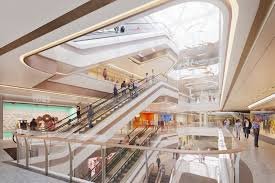
Future commercial interiors will increasingly integrate:
- Brand colours
- Signage
- Custom furniture
- Feature walls
- Lighting
- Material choices
- Customer journey
- Digital technology
A professional commercial interior design approach can help businesses create spaces that are recognizable, functional, and aligned with their brand.
The interior becomes part of the marketing strategy—not simply a background.
14. Wall Treatments Will Become More Creative
Walls are increasingly becoming important design features rather than simple surfaces for paint.
Modern interiors may incorporate:
- Wall cladding
- Wainscoting
- Fluted panels
- Textured finishes
- Feature walls
- Decorative panels
- Artwork
- Custom branding
These elements can add depth, texture, and personality to a space.
Professional wall cladding and wainscoting services can be incorporated into a broader interior concept to create a more coordinated finish.
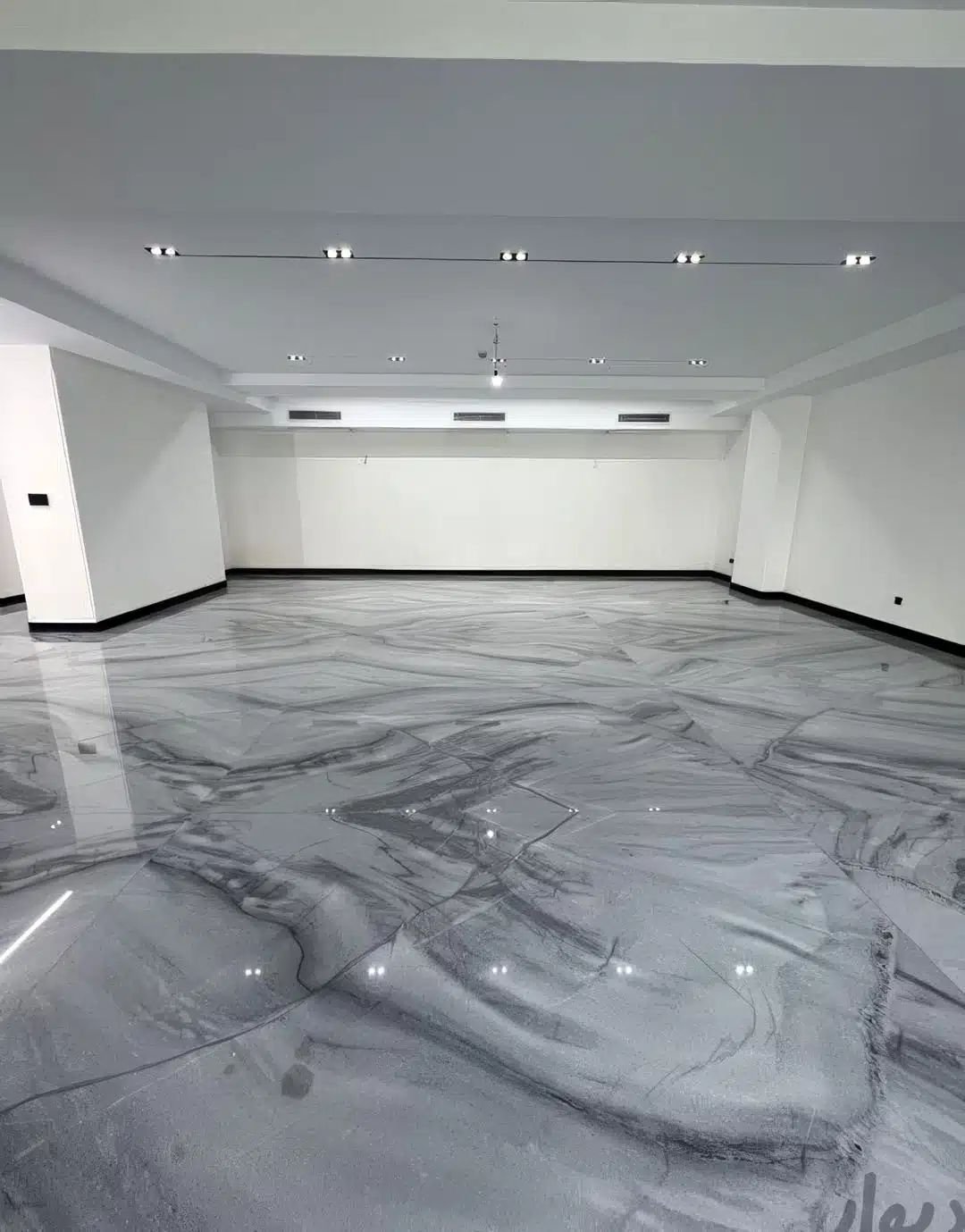
15. Flooring Will Become an Integral Design Element
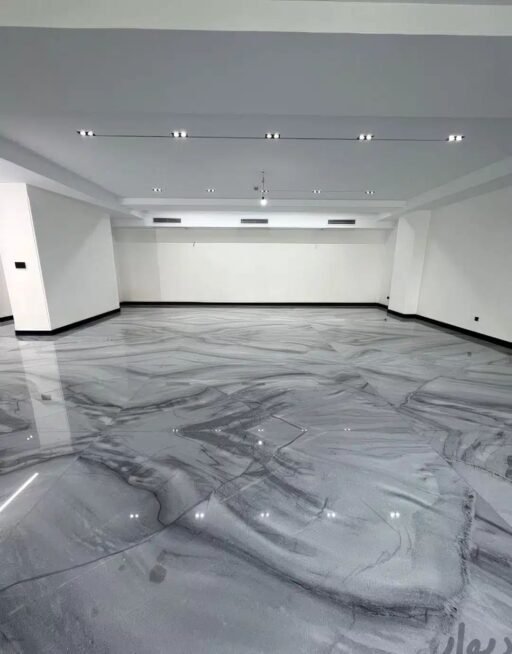
Flooring plays a major role in the appearance and performance of an interior.
The future of flooring will increasingly focus on the balance between:
- Durability
- Aesthetics
- Maintenance
- Comfort
- Safety
- Sustainability
The right flooring can help define different areas within an open-plan interior while contributing to the overall colour and material palette.
Professional floor installation services can help ensure that flooring works cohesively with walls, ceilings, furniture, and lighting.
16. 3D Visualization and Digital Design Will Improve Decision-Making
One of the biggest challenges in interior design is helping clients visualize the final result.
Digital tools and 3D visualization are making this easier.
Before implementation, clients can better understand:
- Furniture layouts
- Colours
- Materials
- Lighting
- Ceiling designs
- Wall treatments
- Spatial arrangements
This can improve communication between designers and clients and make it easier to refine concepts before construction or installation begins.
As technology improves, digital visualization will become an increasingly important part of professional interior design in Kenya.
17. Interior Design Will Become More Personalized
The future is unlikely to be dominated by one single style.
Instead, homeowners and businesses will increasingly want interiors that reflect their:
- Lifestyle
- Culture
- Personality
- Brand
- Occupation
- Family needs
- Budget
- Property type
This means professional designers will need to listen carefully to their clients rather than simply applying popular trends.
The best interior is not necessarily the one that follows every trend. It is the one that remains relevant to the person or business using it.
18. Professional Interior Designers Will Become More Valuable
As interior design becomes more complex, professional expertise will become increasingly important.
A modern interior project may involve decisions about:
- Space planning
- Lighting
- Materials
- Technology
- Sustainability
- Furniture
- Storage
- Branding
- Budget
- Project coordination
Professional designers help bring these elements together into one coherent vision.
The future of interior design in Kenya is therefore not just about new trends. It is about creating better-performing spaces.
How SUIMAS Is Preparing for the Future of Interior Design in Kenya
At SUIMAS, we believe the future of interior design lies in combining creativity, functionality, innovation, and practical execution.
Our approach is focused on helping clients create interiors that are designed around their specific needs rather than simply copying trends.
Whether you need a complete home transformation or a commercial interior upgrade, our solutions can incorporate modern design principles while remaining practical for the Kenyan market.
Our related services include:
- Professional Interior Design Services
- Residential Interior Design
- Commercial Interior Design
- Office Interior Design
- Kitchen Interior Design
- Hotel Interior Design
- Full House Interior Design
- Gypsum Ceilings and Integrated Lighting
- Floor Installation
- Wall Cladding and Wainscoting
Explore our interior design services in Kenya to discover how we can help transform your space.
The Future of Interior Design: From Decoration to Experience
The future of interior design in Kenya is not simply about what is fashionable.
It is about creating spaces that work better, feel better, perform better, and reflect the people and businesses that occupy them.
The next generation of Kenyan interiors will increasingly combine:
Technology + Sustainability + Culture + Functionality + Wellness + Personalization
From smart homes and flexible offices to sustainable materials, biophilic spaces, modern African aesthetics, and customized furniture, the opportunities are enormous.
For property owners, the key will be choosing design solutions that remain practical beyond the latest trend.
For interior designers, the challenge will be to combine global innovation with local knowledge, materials, craftsmanship, culture, climate, and the unique needs of Kenyan clients.
At SUIMAS, we see the future of interior design as an opportunity to create spaces that are not only visually impressive but also meaningful, functional, comfortable, sustainable, and built around real human needs.
Frequently Asked Questions
What is the future of interior design in Kenya?
The future of interior design in Kenya is expected to focus increasingly on sustainability, technology, biophilic design, flexible spaces, wellness, cultural identity, customization, and functionality.
What are the biggest interior design trends in Kenya?
Important trends include sustainable materials, natural elements, smart technology, modern African aesthetics, multifunctional spaces, custom furniture, wellness-focused interiors, and integrated lighting.
Will smart homes become more common in Kenya?
As technology becomes more accessible, smart lighting, security, entertainment, and home automation are expected to become increasingly integrated into residential interior design.
Why is sustainable interior design important?
Sustainable design can encourage the use of durable materials, efficient lighting, natural ventilation, and thoughtful planning, helping create interiors that are practical and more environmentally conscious.
How will African culture influence interior design?
Contemporary Kenyan and African interiors can incorporate local artwork, craftsmanship, textures, materials, patterns, and cultural influences while maintaining a modern and sophisticated appearance.
How can professional interior designers help?
Professional interior designers can help with space planning, design concepts, materials, lighting, furniture, storage, visualization, and coordinating different elements of an interior project.
Ready to Design the Future of Your Space?
Whether you are building a new home, renovating your current property, opening a business, upgrading an office, or developing a hospitality project, the right interior design strategy can help you create a space that is ready for the future.
Contact SUIMAS today to discuss your interior design project and explore a professional solution tailored to your space, style, and goals.
Phone: 0717 044 443 | 0735 255 050 | 0725 021 709
Email: info@suimas.co.ke | info@interiordesigners.co.ke | shop@interiordesigners.co.ke
Areas We Serve
SUIMAS provides professional interior design and related interior solutions for residential and commercial clients across Kenya.
Nairobi and Nairobi Metropolitan Area
We serve clients in Westlands, Kilimani, Kileleshwa, Lavington, Karen, Runda, Muthaiga, Gigiri, Kitisuru, Parklands, Riverside, Upper Hill, Hurlingham, South B, South C, Lang’ata, Ruiru, Kiambu, Ruaka, Limuru, Kikuyu, Thika, Ngong, Rongai, Syokimau, Kitengela, Athi River and surrounding areas.
Mombasa and Coast Region
Our services cover Mombasa Island, Nyali, Bamburi, Shanzu, Mtwapa, Kizingo, Tudor, Likoni, Changamwe, Diani, Kilifi, Malindi and surrounding areas.
Across Kenya
We also serve clients in Nakuru, Kisumu, Eldoret, Uasin Gishu, Kakamega, Kisii, Nyeri, Meru, Machakos, Kajiado, Laikipia, Kirinyaga, Murang’a, Nyandarua, Embu, Kitui, Makueni, Nanyuki, Naivasha, Kericho, Bungoma, Busia, Migori, Homa Bay, Siaya, Vihiga, Bomet, Narok, Nandi, Trans Nzoia, Samburu, Turkana, Marsabit, Isiolo, Garissa, Wajir, Mandera, Taita-Taveta, Tana River, Lamu, Kwale and other locations throughout Kenya, depending on project scope and availability.