- Call Us: 0717044443 / 0739255050 / 0725021709
- Email: info@suimas.co.ke / info@interiordesigners.co.ke

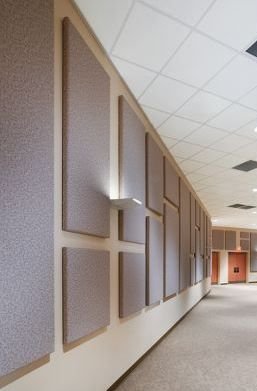
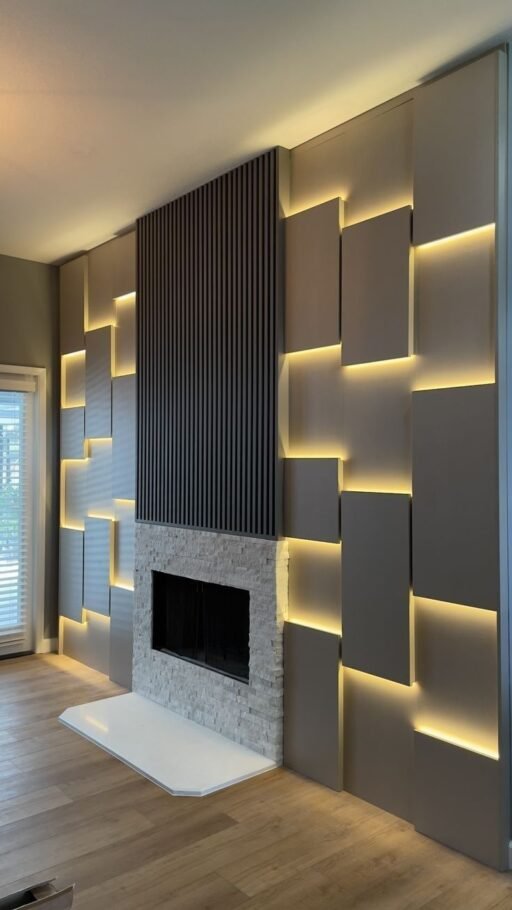
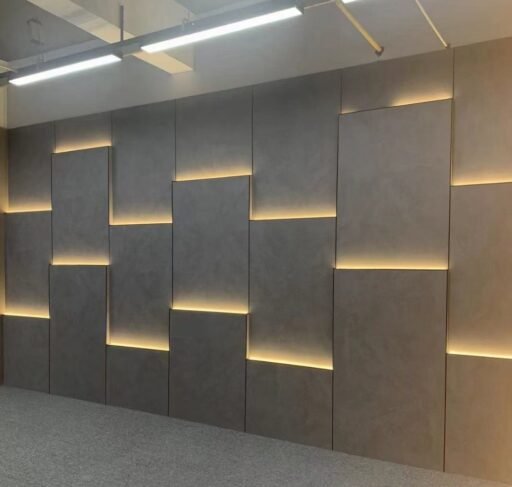
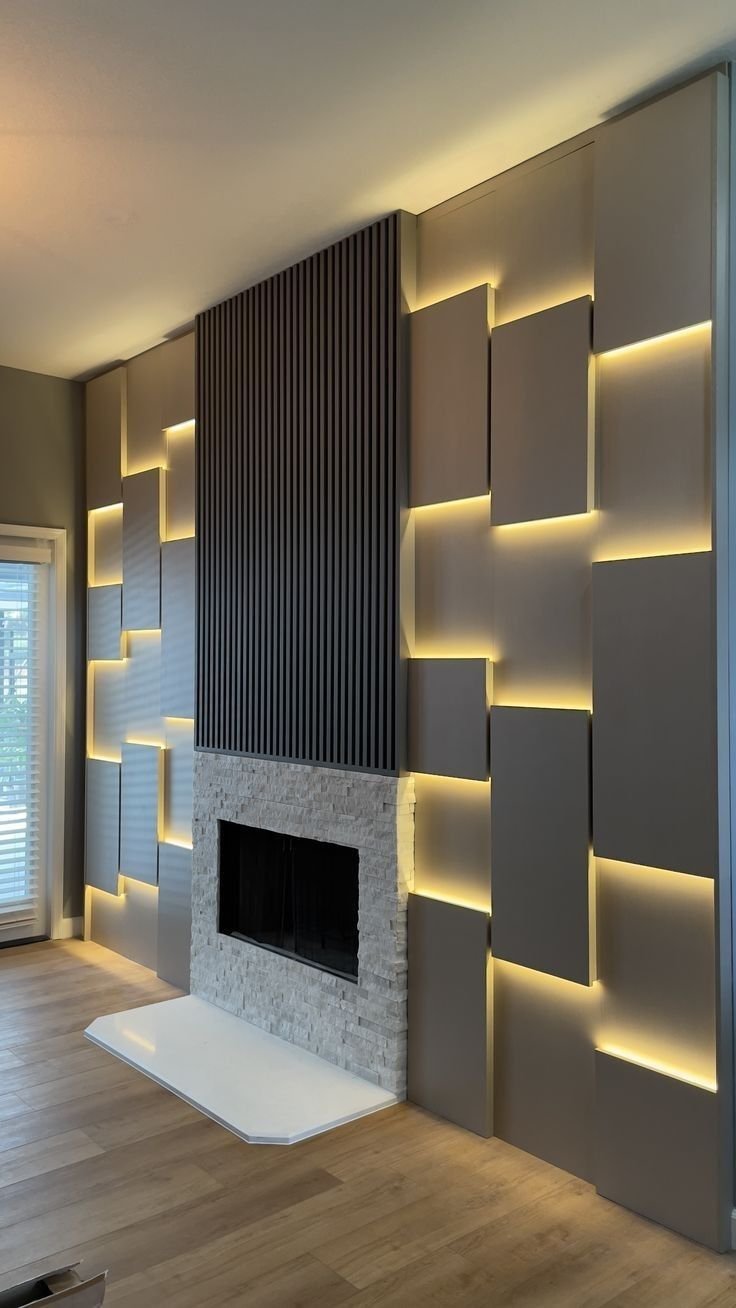
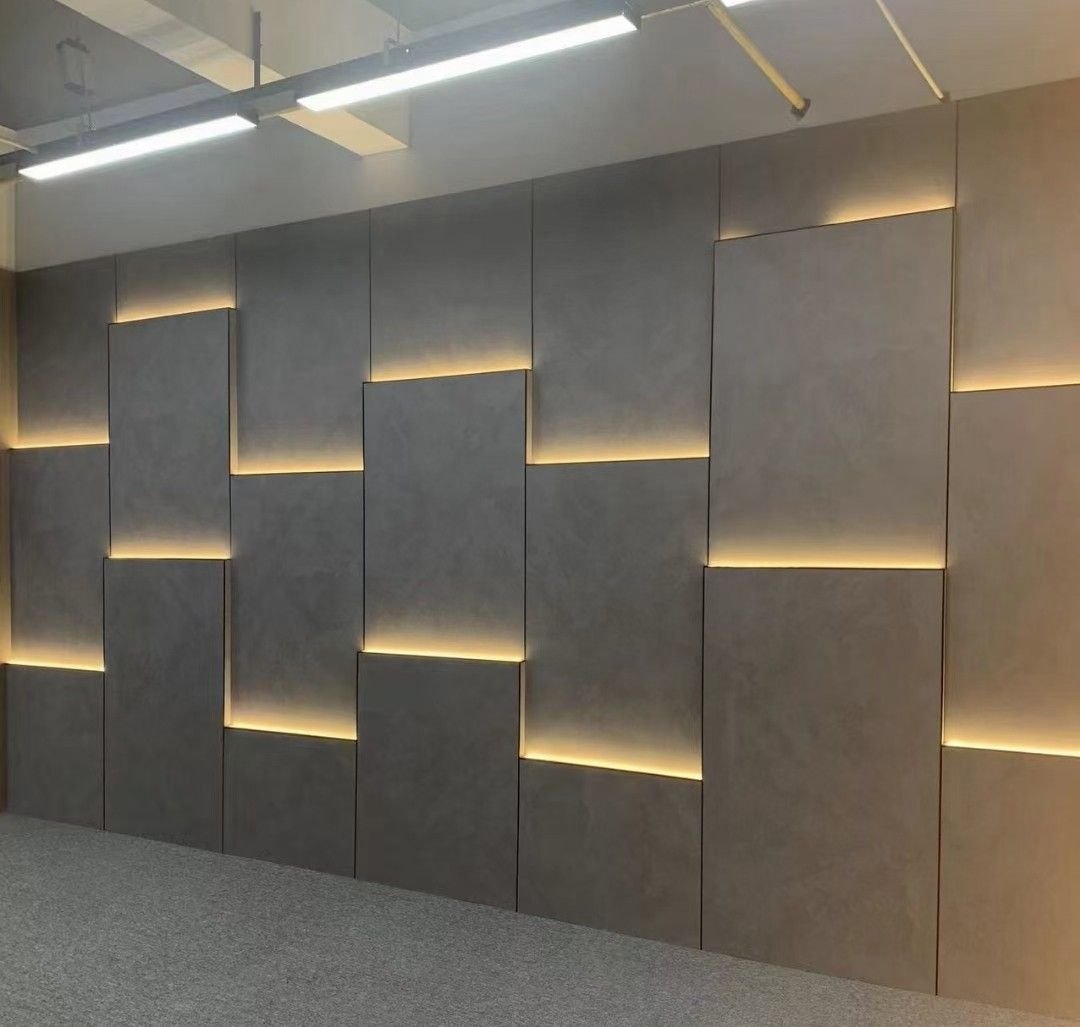
Acoustic Wall Panels in Kenya
- Description
Description
Acoustic Wall Panels in Kenya – Types, Prices, Benefits and Installation
Acoustic wall panels in Kenya are an effective solution for improving sound quality in offices, conference rooms, recording studios, churches, hotels, classrooms and residential properties. They help control echo, reduce unwanted sound reflections and create more comfortable indoor environments. In addition, modern acoustic panels are available in attractive designs that improve the appearance of interior spaces.
Whether you are designing a professional boardroom, setting up a home office, improving a church auditorium or creating a recording room, choosing the right acoustic wall panels can make a significant difference. The panels are available in different materials, including fabric-wrapped acoustic boards, polyester fibre, acoustic foam, wooden slat panels and specialised sound-absorbing materials.
At Suimas Interior Designers, we provide interior design, fit-out and space improvement solutions for residential and commercial properties across Kenya. We help clients consider suitable wall finishes, acoustic requirements and interior layouts when planning their projects.
It is important to understand that acoustic treatment and soundproofing are not exactly the same. Acoustic wall panels mainly absorb sound reflections within a room, helping to reduce echo and improve sound clarity. Soundproofing, on the other hand, involves specialised construction systems designed to reduce noise travelling through walls, ceilings, floors, doors and windows.
What We Offer: Acoustic Wall Panel Design and Installation
Suimas provides interior design and fit-out solutions that can incorporate acoustic materials into functional and attractive spaces.
Our related services include:
- Interior Design Services in Kenya: Interior planning and design for residential, commercial, hospitality and institutional spaces.
- Soundproofing Solutions: Guidance on soundproofing options for rooms requiring improved noise isolation.
- Wall Partitioning Services: Wall partition systems, including acoustic gypsum partitions and insulation solutions.
- Interior Finishes: Modern decorative finishes for offices, homes and commercial properties.
- Office Interior Design: Functional office layouts, meeting rooms, reception areas and workplace improvements.
- Renovation Services: Interior renovation and improvement solutions for existing buildings.
We can also coordinate acoustic panels with ceilings, lighting, flooring, wall partitions, furniture and other interior finishes to create a consistent design.
Acoustic Wall Panels Prices in Kenya
The cost of acoustic wall panels in Kenya depends on the panel material, thickness, dimensions, acoustic performance, finish and installation requirements. Decorative fabric-wrapped panels, for example, may cost more than basic acoustic foam because they use different core materials and finishes.
The following table provides indicative budgeting ranges based on published Kenyan supplier and market listings.
| Acoustic Panel Type | Indicative Price |
|---|---|
| Basic acoustic foam panels | KES 6,000–7,800 per 12-panel pack |
| Basic acoustic wall treatment | KES 4,000–10,000 per m² |
| Fabric-wrapped acoustic panels | KES 5,500–8,500 per panel, supply and installation |
| Decorative wooden slat acoustic panels | KES 9,500–14,500 per m², supply and installation |
| Specialist acoustic wall construction | KES 4,500–9,500 per m², depending on specification |
These figures are indicative, not fixed Suimas quotations. They also refer to different products and measurement units, so they should not be compared directly without checking panel dimensions, coverage and installation scope.
For example, a 12-piece acoustic foam pack is not equivalent to a professionally installed fabric-wrapped panel system. Similarly, decorative wooden slat panels may have an acoustic backing that affects their performance.
What Determines the Cost of Acoustic Wall Panels?
Several factors influence the final project budget:
- Room size: Larger rooms generally require more panels and installation materials.
- Panel material: Foam, polyester fibre, fabric-wrapped boards and wooden slat panels have different costs.
- Panel thickness: Thickness and internal construction influence sound absorption at different frequencies.
- Coverage area: Treating selected wall sections costs less than covering several walls.
- Design and finish: Custom colours, shapes, printed fabrics and decorative finishes may increase the price.
- Installation method: Mounting systems, framing, adhesives and labour affect the total cost.
- Acoustic requirements: Recording studios and specialised rooms may require a more detailed acoustic design.
For an accurate quotation, the room dimensions, intended use and existing sound conditions should be assessed before selecting materials.
What Are Acoustic Wall Panels?
Acoustic wall panels are specially designed materials installed on walls to absorb sound energy and control reflections inside a room.
When people speak, play music or use audio equipment, sound waves travel through the space and reflect off hard surfaces such as concrete walls, glass, tiles and ceilings. These reflections can create echo, reverberation and poor sound clarity.
Acoustic panels help manage these reflections by absorbing some of the sound energy rather than allowing it to bounce around the room.
They are commonly used in:
- Offices and boardrooms.
- Recording and podcast studios.
- Churches and auditoriums.
- Hotels and conference facilities.
- Schools and lecture rooms.
- Home cinemas and entertainment rooms.
- Restaurants and hospitality spaces.
- Call centres and customer service areas.
Modern acoustic panels also serve a decorative purpose. They can be designed to complement the room’s colour scheme, furniture, lighting and overall interior style.
Types of Acoustic Wall Panels Available in Kenya
Different acoustic panels are designed for different applications. The best option depends on the room, the sound problem and the desired interior appearance.
1. Fabric-Wrapped Acoustic Wall Panels
Fabric-wrapped acoustic panels consist of an absorbent internal core covered with acoustic fabric. The core may use mineral fibre, fibreglass or another suitable sound-absorbing material.
The fabric provides a finished appearance while allowing sound to pass through to the absorbent core.
Key features include:
- Good absorption of selected sound frequencies.
- Different fabric colours and finishes.
- Options for rectangular and customised shapes.
- Suitable for professional and commercial interiors.
- Can be arranged in decorative wall patterns.
Fabric-wrapped panels are commonly used in conference rooms, offices, schools, hotels, recording spaces and meeting rooms.
2. Acoustic Foam Wall Panels
Acoustic foam panels are lightweight materials designed to absorb sound reflections. They are available in different shapes, including wedge, pyramid and flat profiles.
They are commonly used in podcast rooms, home studios, practice rooms and selected recording environments.
Their advantages include:
- Lightweight construction.
- Different surface patterns.
- Relatively simple mounting.
- Availability in different thicknesses.
- Useful for controlling selected room reflections.
However, acoustic foam does not automatically soundproof a room. It mainly helps control reflections within the treated space. Product fire-performance specifications should also be checked before installation.
3. Wooden Slat Acoustic Wall Panels
Wooden slat acoustic panels combine decorative timber-look or natural wood slats with an acoustic backing material.
They are popular in modern offices, hotels, reception areas and residential interiors because they provide both visual texture and sound-absorbing benefits.
Common design options include:
- Natural oak finishes.
- Walnut-inspired panels.
- Dark wood slats.
- Black-backed slat panels.
- Customised decorative arrangements.
Wooden slat panels are especially suitable for feature walls where appearance is as important as acoustic performance.
4. Polyester Fibre Acoustic Panels
Polyester fibre panels are manufactured using compressed or formed polyester fibres. They are available in different colours, thicknesses, shapes and sizes.
They can be used in modern offices, classrooms, meeting rooms and commercial interiors.
Their features include:
- Lightweight panel construction.
- Different colour options.
- Decorative cutting possibilities.
- Wall and ceiling mounting options.
- Applications in spaces requiring echo control.
Always check the manufacturer’s acoustic performance and fire-safety specifications before selecting a product.
5. Perforated Acoustic Wall Panels
Perforated acoustic panels have small holes or slots across their surfaces. Behind the perforated layer is an absorbent material or cavity that helps manage sound reflections.
They can be manufactured using suitable wood-based boards, metal or other specified materials.
Common applications include:
- Conference halls.
- Office meeting rooms.
- Educational facilities.
- Auditoriums.
- Commercial interiors.
The performance of a perforated panel depends on its hole pattern, backing material, thickness and installation arrangement.
6. Decorative Acoustic Wall Panels
Decorative acoustic panels are designed to combine sound absorption with attractive interior finishes.
They may feature geometric patterns, coloured fabric, textured surfaces, customised shapes or printed graphics.
They are useful for businesses that want to improve room acoustics without compromising interior design.
For example, a reception area can feature decorative acoustic panels arranged around a company logo, while a meeting room can use coordinated panels that complement the office furniture.
Modern Acoustic Wall Panel Design Ideas in Kenya
Acoustic panels do not have to look like technical equipment. With proper planning, they can become an important part of the interior design.
1. Modern Office Acoustic Wall Designs
Open-plan offices often have hard floors, glass partitions and exposed ceilings. These surfaces can contribute to sound reflections, making conversations and general office activity more noticeable.
Installing acoustic panels on selected walls can help improve the working environment.
Popular office applications include:
- Fabric-wrapped panels behind workstations.
- Decorative acoustic panels in reception areas.
- Wooden slat acoustic feature walls.
- Coloured panels in collaborative spaces.
- Acoustic treatment in private meeting rooms.
The design should complement the office branding and furniture.
2. Acoustic Panels for Conference Rooms
Conference rooms require good speech clarity because participants need to understand conversations during meetings, presentations and video conferences.
Acoustic panels can be installed on selected wall surfaces to help control reflections.
For a professional boardroom, consider fabric-wrapped panels in neutral colours, decorative wooden slats or customised panels that complement the conference table and lighting.
Ceiling treatment may also be necessary depending on the room’s dimensions and construction.
3. Recording Studio Acoustic Wall Panels
Recording studios require careful acoustic planning because microphones capture sound reflections that may affect recordings.
Acoustic treatment can help manage reflections and reverberation around recording and listening areas.
Common components include:
- Broadband acoustic panels.
- Corner bass traps.
- Ceiling absorption panels.
- Suitable diffusers where required.
- Carefully planned panel placement.
The correct combination depends on the room’s dimensions, intended recording activities and frequency response.
Basic foam panels alone may not provide the acoustic performance required for a professional recording studio.
4. Church and Auditorium Acoustic Wall Panels
Churches and auditoriums often have large spaces, high ceilings and hard surfaces. These conditions can produce excessive reverberation, making speech and music difficult to understand.
Acoustic treatment may involve wall panels, ceiling absorbers, acoustic baffles and other specialised materials.
For these spaces, the panel arrangement should be based on the room’s size, seating layout, sound system and intended activities.
5. Acoustic Panels for Home Cinemas
Home cinemas require a comfortable listening environment. Sound reflections from bare walls can affect dialogue clarity and the overall listening experience.
Fabric-wrapped acoustic panels, decorative wall absorbers and suitable ceiling treatment can help improve the room’s acoustic conditions.
They can also be integrated with lighting, wall finishes and customised entertainment units.
6. Acoustic Panels for Hotels and Restaurants
Hotels and restaurants need attractive interiors that also provide comfortable environments for guests.
Acoustic panels can be used in:
- Hotel reception areas.
- Conference facilities.
- Restaurant dining spaces.
- Hotel lounges.
- Private dining rooms.
- Guest entertainment areas.
Decorative fabric panels and wooden slat designs can complement modern hospitality interiors.
7. Acoustic Wall Panels for Schools and Classrooms
Classrooms require clear speech so that learners can understand teachers and presentations.
Acoustic panels may help reduce excessive reverberation, particularly in rooms with hard floors, walls and ceilings.
The selected products should meet the relevant safety, durability and cleaning requirements for educational environments.
8. Acoustic Panels for Call Centres
Call centres contain multiple workstations where several people may speak at the same time. Without suitable acoustic planning, background conversations can affect concentration and communication.
Wall-mounted acoustic panels can help control reflections, while desk screens, ceiling treatment and suitable partitions may provide additional benefits.
The complete solution should consider both room acoustics and the transmission of sound between work areas.
Best Materials for Acoustic Wall Panels
The material used in an acoustic panel influences its appearance, performance, maintenance and suitability.
| Material | Main Characteristics | Common Applications |
|---|---|---|
| Acoustic foam | Lightweight and porous | Home studios and podcast rooms |
| Fabric-wrapped panels | Absorbent core with decorative fabric | Offices, boardrooms and conference rooms |
| Polyester fibre | Lightweight and available in different finishes | Schools and modern offices |
| Wooden slat panels | Decorative slats with acoustic backing | Reception areas, hotels and homes |
| Perforated panels | Perforated surface with backing or cavity | Auditoriums and commercial interiors |
| Mineral fibre panels | Sound-absorbing core with suitable finish | Specialist acoustic applications |
The most suitable material depends on the required sound absorption, installation conditions, design preferences and budget.
Benefits of Installing Acoustic Wall Panels
1. Reduce Echo and Reverberation
One of the main benefits of acoustic panels is controlling unwanted sound reflections. This can make conversations and presentations clearer.
2. Improve Speech Clarity
In meeting rooms, classrooms and conference facilities, excessive reverberation can make speech difficult to understand. Acoustic treatment helps create a more controlled listening environment.
3. Improve Office Comfort
Reducing sound reflections can make offices and shared workspaces more comfortable, particularly where several people work in the same room.
4. Enhance Interior Appearance
Modern acoustic panels are available in different colours, textures and decorative profiles. They can therefore serve as both functional and decorative wall finishes.
5. Support Better Recording Conditions
Recording and podcast rooms benefit from controlled reflections. Suitable acoustic panels can help reduce unwanted room sound captured during recording.
6. Provide Customised Design Options
Panels can be arranged in different patterns, sizes and colour combinations to match a particular interior theme.
7. Improve Selected Commercial Spaces
Hotels, restaurants, schools, churches and offices can benefit from acoustic treatment where room reverberation affects comfort and communication.
Acoustic Panels vs Soundproofing: What Is the Difference?
This is one of the most important considerations when planning an acoustic project.
Acoustic panels and soundproofing systems address different sound problems. Choosing the wrong solution can lead to unnecessary expenses and disappointing results.
| Feature | Acoustic Wall Panels | Soundproofing Systems |
|---|---|---|
| Main purpose | Absorb sound reflections | Reduce sound transmission |
| Primary problem | Echo and reverberation | Noise travelling between spaces |
| Common materials | Foam, fabric-wrapped boards, polyester and slat panels | Acoustic gypsum, mineral wool, specialised barriers and sealed construction systems |
| Typical applications | Studios, offices, classrooms and conference rooms | Bedrooms, studios, offices and rooms requiring noise isolation |
| Installation | Mounted on existing surfaces or support systems | Often involves walls, ceilings, floors, doors and structural details |
For example, if a boardroom has excessive echo, acoustic wall panels may help improve speech clarity. However, if conversations from an adjacent office are passing through a partition, the solution may require an appropriately designed soundproofing system.
For a more detailed guide, read our article on Soundproofing Costs in Kenya.
Factors to Consider When Choosing Acoustic Wall Panels
Before purchasing acoustic panels, consider the following factors.
1. Identify the Main Sound Problem
Determine whether you are dealing with echo inside a room or noise entering from another space.
If the problem is excessive reverberation, sound-absorbing panels may be appropriate. If the problem is sound transmission through walls, you may need a soundproofing assessment.
2. Room Size and Shape
Room dimensions influence the amount and positioning of acoustic treatment required.
Large rooms may need a combination of wall and ceiling treatments, while smaller rooms may require carefully selected panels in key locations.
3. Panel Thickness and Acoustic Performance
Panel thickness and internal material affect how sound is absorbed.
Check technical specifications, including absorption coefficients and Noise Reduction Coefficient (NRC), where provided.
The NRC is a simplified measure of sound absorption. It should not be treated as a complete description of performance across all sound frequencies.
4. Material Quality
Select panels with suitable construction, consistent finishing and reliable product specifications.
For commercial projects, also check fire-performance documentation and applicable safety requirements.
5. Interior Design and Colour
Acoustic panels should complement the existing interior. Consider furniture, flooring, ceiling finishes, lighting and wall colours when selecting the design.
6. Installation Method
Some panels use adhesives, while others require clips, frames or mechanical fixings.
The correct method depends on the panel specification, wall condition and intended installation.
7. Maintenance Requirements
Consider how easily the panels can be cleaned and maintained. This is particularly important in hotels, restaurants, schools and other busy environments.
How Acoustic Wall Panels Are Installed
Proper installation helps ensure that the panels are secure, correctly positioned and visually consistent.
At Suimas, the installation plan should be based on the selected product, wall condition and room requirements.
Step 1: Room Assessment
The room is assessed to identify the main acoustic concern. This includes considering the room dimensions, wall materials, ceiling height, furniture and intended use.
Step 2: Acoustic and Design Planning
The appropriate panel type, finish, thickness and coverage areas are selected. For specialised spaces, a more detailed acoustic assessment may be necessary.
Step 3: Surface Preparation
The installation surfaces are checked and prepared. Any issues that may affect fixing, alignment or panel stability should be addressed.
Step 4: Panel Measurement and Positioning
The installation team measures the selected wall areas and plans the panel arrangement. Positioning should consider sound reflection areas, room layout and the intended acoustic outcome.
Step 5: Panel Installation
Panels are installed using the manufacturer’s recommended fixing system. Depending on the product, this may involve adhesive, mounting clips, frames or mechanical fixings.
Step 6: Finishing and Inspection
The edges, joints and visible surfaces are checked to ensure a clean finish. The completed installation is inspected for alignment and stability.
Step 7: Final Review
The room is reviewed to establish whether the installed treatment addresses the original requirement. Specialist acoustic testing may be appropriate for studios, auditoriums and other performance-sensitive spaces.
Common Mistakes to Avoid When Installing Acoustic Panels
Confusing acoustic treatment with soundproofing: Acoustic panels reduce reflections but do not automatically prevent sound from passing through walls.
Installing too few panels: Limited coverage may not provide the desired improvement, particularly in rooms with excessive reverberation.
Choosing panels based on appearance alone: Attractive panels may not have the acoustic performance required for the intended application.
Ignoring ceiling reflections: In some rooms, ceiling treatment is also important for managing reverberation.
Using unsuitable materials: Check the manufacturer’s specifications, especially for fire performance, durability and cleaning requirements.
Poor panel positioning: Installing panels without considering room layout and sound reflection areas may reduce their effectiveness.
Ignoring room use: A classroom, recording studio, boardroom and restaurant have different acoustic requirements.
How to Maintain Acoustic Wall Panels
Regular maintenance helps preserve the appearance and performance of acoustic wall panels.
- Remove dust using a soft brush or suitable vacuum attachment.
- Follow the manufacturer’s instructions when cleaning fabric surfaces.
- Avoid excessive moisture on materials that are not designed for wet cleaning.
- Use suitable cleaning products for the panel’s surface material.
- Check mounting clips, frames and fixings periodically.
- Replace damaged or loose panels where necessary.
- Avoid covering absorbent surfaces with materials that could reduce their acoustic performance.
Maintenance requirements vary depending on the panel type and its location.
Why Choose Suimas for Acoustic Interior Solutions in Kenya?
Suimas Interior Designers provides professional interior design and fit-out solutions for residential and commercial properties across Kenya.
We understand that an effective interior project must balance appearance, functionality and the practical requirements of each space.
18+ Years of Experience: We bring extensive experience in interior design, renovation and fit-out projects.
3,000+ Projects: Our experience covers a wide range of residential and commercial interior requirements.
In-House Team: Our team coordinates design and implementation to support a consistent project outcome.
Customised Interior Solutions: We help clients select finishes and layouts that suit their spaces and project requirements.
3D Design Planning: Where required, we use 3D concepts to help clients visualise proposed interior arrangements before implementation.
Integrated Fit-Out Services: We can coordinate acoustic treatments with partitions, ceilings, lighting, flooring, furniture and other interior finishes.
Nationwide Service: We serve clients across all 47 counties in Kenya.
Whether you are improving an existing office, planning a conference room or developing a new commercial interior, Suimas can help coordinate the relevant interior design and fit-out requirements.
Related Interior Design Services We Offer
Explore our other interior design and construction solutions:
- Interior Design Services in Kenya
- Soundproofing Cost in Kenya
- Wall Partitioning Prices in Kenya
- Modern Interior Finishes
- Office Interior Design
- Renovation Services
- Suimas Interior Design and Fit-Out Services
Contact Suimas for Acoustic Wall Panels in Kenya
Are you planning to install acoustic wall panels in your office, boardroom, church, hotel, classroom, recording room or home? Suimas Interior Designers can help you plan an interior solution that considers your space, design preferences and acoustic requirements.
Contact our team to discuss your project, request a quotation or arrange an assessment.
Suimas Interior Designers
Location: Nairobi CBD
Phone: 0717 044 443 / 0739 255 050 / 0725 021 709
Email: info@suimas.co.ke
Website: https://suimas.co.ke/
Contact page: https://suimas.co.ke/contact/
When making an enquiry, share the room dimensions, intended use, existing sound problem and preferred panel design. This will help establish the most suitable approach for your project.
Areas We Serve Across Kenya
Suimas provides interior design, acoustic interior treatment and fit-out solutions across all 47 counties in Kenya. Our service coverage includes Nairobi, Mombasa, Kiambu, Machakos, Kajiado, Nakuru, Uasin Gishu, Kisumu, Kakamega, Bungoma, Busia, Siaya, Homa Bay, Migori, Kisii, Nyamira, Kericho, Bomet, Nandi, Elgeyo-Marakwet, Trans Nzoia, West Pokot, Turkana, Samburu, Laikipia, Nyandarua, Nyeri, Kirinyaga, Murang’a, Embu, Tharaka-Nithi, Meru, Isiolo, Marsabit, Mandera, Wajir, Garissa, Tana River, Lamu, Kilifi, Kwale, Taita-Taveta, Kitui, and Makueni. In Nairobi, we serve areas such as Westlands, Kilimani, Lavington, Kileleshwa, Karen, Runda, Parklands, Riverside, South B, South C, Lang’ata, Kasarani, Roysambu, Embakasi, Donholm, Umoja, Ruiru and Syokimau.
In Mombasa, our service coverage includes Nyali, Bamburi, Shanzu, Mtwapa, Kizingo, Tudor, Likoni, Changamwe and other surrounding areas. Contact our team to confirm project arrangements and installation availability in your location.
Frequently Asked Questions About Acoustic Wall Panels in Kenya
1. How much do acoustic wall panels cost in Kenya?
Acoustic wall panel prices vary depending on material, thickness, dimensions and installation requirements. Basic acoustic treatment may cost approximately KES 4,000–10,000 per square metre, while professionally installed decorative panels may cost more depending on the specification.
2. Do acoustic wall panels soundproof a room?
No. Acoustic wall panels mainly absorb sound reflections within a room to reduce echo and reverberation. They do not automatically prevent sound from travelling through walls. Complete soundproofing usually requires specialised construction systems.
3. Which acoustic wall panels are best for offices?
Fabric-wrapped panels, polyester fibre panels and decorative wooden slat panels are common options for offices. The most suitable choice depends on the room’s acoustic requirements, interior design and budget.
4. Are acoustic wall panels suitable for recording studios?
Yes. Suitable acoustic panels can help control reflections and improve recording conditions. However, professional studios may also require bass traps, ceiling treatment, diffusers and sound isolation systems.
5. Can acoustic panels be used in churches?
Yes. Acoustic treatment can help manage excessive reverberation in churches and auditoriums. The correct design depends on the building size, ceiling height, seating arrangement and sound system.
6. What is the difference between acoustic foam and fabric-wrapped panels?
Acoustic foam is a lightweight porous material commonly used for controlling selected sound reflections. Fabric-wrapped panels have an absorbent internal core covered with decorative acoustic fabric and are often selected for offices, conference rooms and commercial interiors.
7. Can acoustic panels improve speech clarity?
Yes. By reducing excessive sound reflections, suitable acoustic treatment can improve speech clarity in meeting rooms, classrooms, boardrooms and other shared spaces.
8. Can acoustic wall panels be customised?
Yes. Many acoustic panel systems are available in different colours, sizes, shapes and finishes. Some products can also incorporate customised graphics and decorative arrangements.
9. Are wooden slat acoustic panels effective?
Wooden slat panels with suitable acoustic backing can help absorb sound reflections. Their performance depends on the backing material, panel construction, cavity and installation specification.
10. Can acoustic panels be installed on existing walls?
Yes. Many acoustic panels can be mounted on existing walls, provided the surfaces are suitable for the selected fixing system. The wall condition should be assessed before installation.
11. Do acoustic wall panels require regular maintenance?
Most require basic dust removal and occasional cleaning according to the manufacturer’s instructions. Fabric and foam panels may need different cleaning methods from wooden or composite panels.
12. Where can I get acoustic wall panel installation services in Kenya?
Suimas Interior Designers provides interior design and fit-out solutions for residential and commercial projects across Kenya. Contact the team through https://suimas.co.ke/contact/ to discuss your project requirements and request a quotation.