- Call Us: 0717044443 / 0739255050 / 0725021709
- Email: info@suimas.co.ke / info@interiordesigners.co.ke

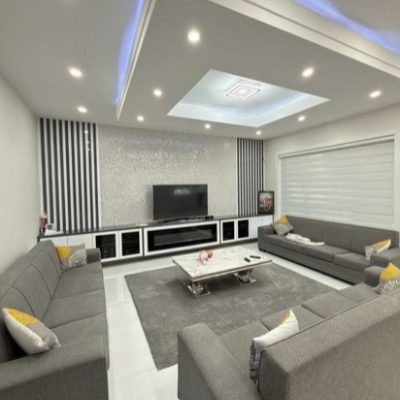
Living Room Gypsum Ceilings
- Description
Description
Living Room Gypsum Ceilings
Living room gypsum ceilings can transform an ordinary sitting room into a stylish, comfortable and well-finished space. From simple flat ceilings to modern tray designs, layered patterns and concealed LED lighting, gypsum offers different ways to improve the appearance of your living room while complementing your furniture, wall colours and lighting.
At SUIMAS Interior Designers, we provide gypsum ceiling design and installation services for homeowners, property developers and clients renovating their houses or apartments. We help you choose a ceiling design that suits your living room’s size, ceiling height, interior style and budget.
Whether you want a simple gypsum ceiling for a small sitting room, an elegant design for a family home or a statement ceiling for a spacious lounge, proper planning helps you achieve an attractive finish without unnecessary decorative costs.
This guide explores popular living room gypsum ceilings in Kenya, modern design ideas, installation prices, lighting options and practical factors to consider before hiring a ceiling contractor.
What We Offer
SUIMAS provides gypsum ceiling and interior finishing services for residential and commercial properties.
- Living room gypsum ceiling designs: Explore flat, tray, layered, modern and decorative ceiling options.
- Gypsum ceiling installation services: Plan ceiling framing, board installation, finishing and painting according to your project requirements.
- Modern LED ceiling lighting: Coordinate recessed spotlights, concealed LED strips and central light fittings with your chosen design.
- 3D design and layout planning: Visualise your proposed living room before installation.
- Interior painting services: Coordinate ceiling colours and wall finishes for a consistent appearance.
- Floor installation services: Match your ceiling design with flooring, furniture and the wider room layout.
- Residential interior design: Plan ceilings alongside TV units, feature walls, curtains and other living room elements.
- Renovation and interior improvements: Include ceiling upgrades in a wider home renovation project.
Our goal is to help you choose a design that looks good, serves its purpose and fits your budget.
Why Choose Gypsum Ceilings for Your Living Room?
The living room is often one of the most visible spaces in a home. It may serve as a family gathering area, an entertainment space and a place to welcome visitors. A well-planned ceiling can contribute significantly to its overall appearance.
1. Create a modern interior
A gypsum ceiling provides a smooth surface that works with contemporary, minimalist, traditional and classic interior styles. You can keep the design simple or introduce carefully selected decorative details.
For example, a flat ceiling with recessed lighting may suit a minimalist apartment, while a tray ceiling can give a larger sitting room more definition.
2. Improve lighting arrangements
The ceiling can accommodate suitable recessed spotlights, concealed LED strips and central decorative lights.
A carefully planned combination allows you to create different lighting effects for watching television, entertaining visitors or relaxing with family.
3. Add visual depth
Tray, stepped and layered designs introduce different ceiling levels. These create shadows and visual interest without requiring decorative details across the entire ceiling.
4. Complement furniture and wall finishes
A ceiling should work with the rest of your living room rather than compete with it. Its shape, colour and lighting can complement the sofa arrangement, TV wall, curtains and flooring.
5. Conceal selected building services
A suspended gypsum ceiling can conceal suitable wiring and certain building services. However, the installer must allow the necessary space and maintenance access. Existing leaks and electrical problems should be addressed before installation.
6. Accommodate different budgets
You do not need an elaborate multi-level ceiling to achieve an attractive result. A simple design with accurate finishing and suitable lighting can make a room look well coordinated.
Popular Living Room Gypsum Ceiling Designs in Kenya
The best ceiling depends on your room dimensions, ceiling height, natural lighting and preferred interior style. The following designs offer different ways to improve your living room.
1. Simple Flat Gypsum Ceiling
A flat gypsum ceiling creates a smooth, level surface with minimal decorative detail. It is a practical option for homeowners who prefer a neat finish without several ceiling levels.
You can combine it with a central light or recessed spotlights, depending on the room’s lighting requirements.
Best for: Small living rooms, apartments, rental properties and minimalist homes.
Why consider it: It keeps the ceiling visually simple and can be a more economical choice than elaborate layered designs.
Design tip: Pay attention to joint finishing, paint quality and light placement. Simple ceilings leave fewer decorative elements to distract from imperfections.
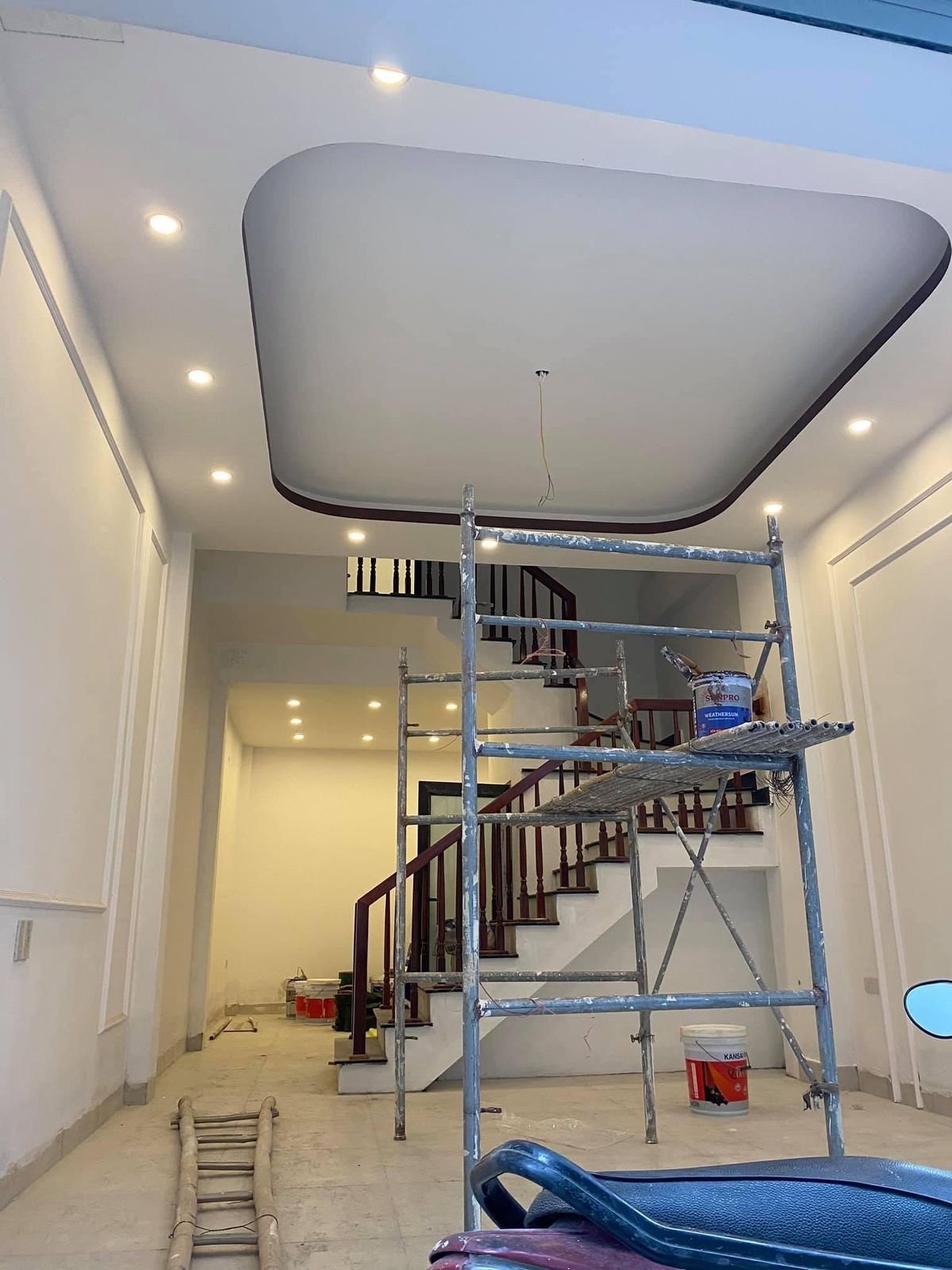
2. Modern Tray Gypsum Ceiling
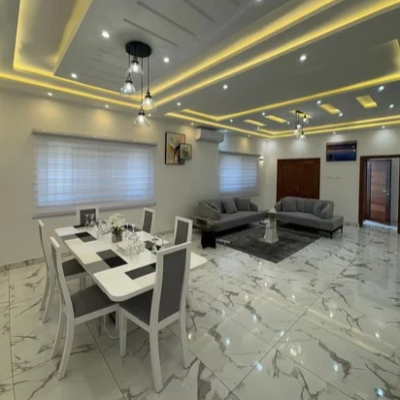
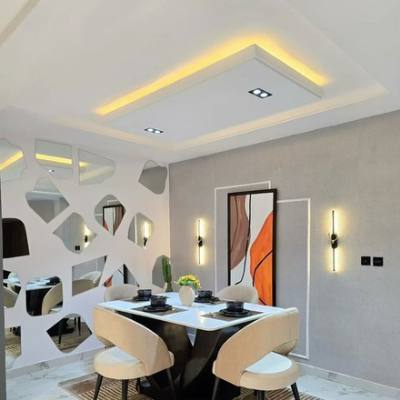
A tray ceiling features a recessed central section surrounded by a raised or dropped border. The arrangement creates a framed appearance that can make the sitting room more distinctive.
You can choose a rectangular or square tray and combine it with suitable recessed lighting or a concealed LED channel.
Best for: Contemporary living rooms, family lounges and master living spaces in larger houses.
Why consider it: A tray creates depth while keeping the central section relatively simple.
Design tip: Make the tray proportional to the room and furniture arrangement. A large border may overwhelm a compact sitting room.
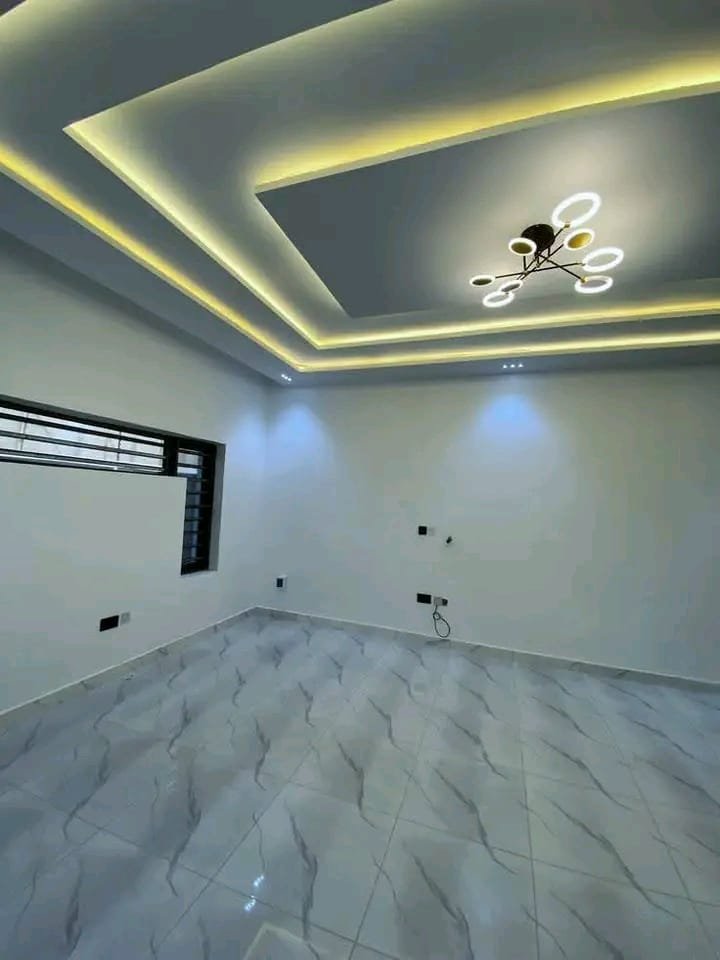
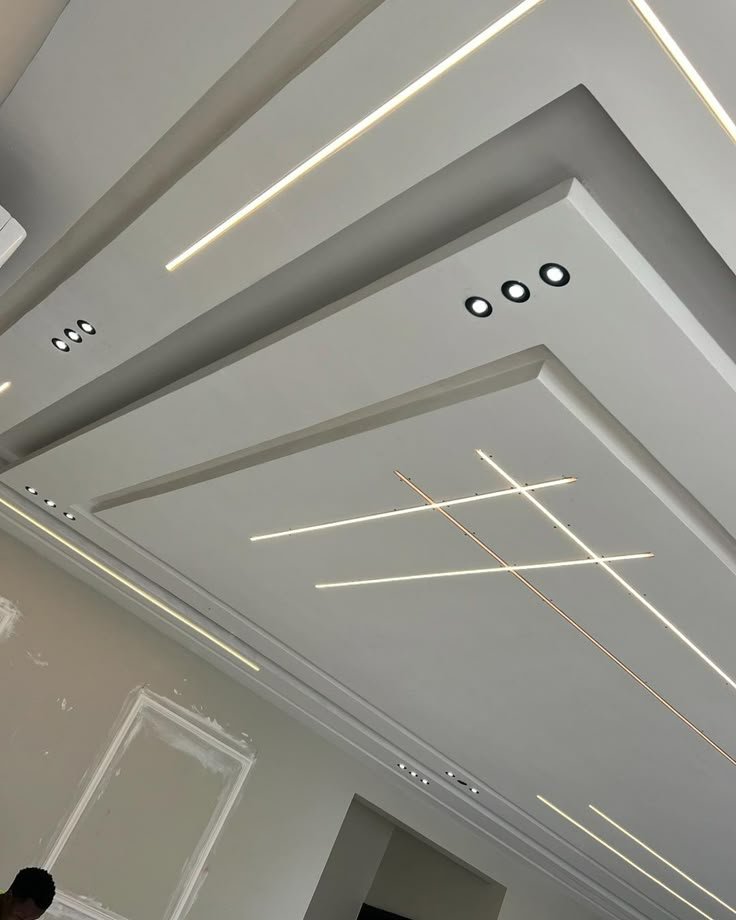
3. Layered Gypsum Ceiling
Layered gypsum ceilings use two or more levels to create depth and architectural detail. The layers may form rectangular frames, stepped borders or other geometric shapes.
The design can be simple or elaborate, depending on the available ceiling height and budget.
Best for: Spacious living rooms, modern maisonettes and statement lounges.
Why consider it: Multiple levels can create a strong focal point and provide opportunities for coordinated lighting.
Design tip: More layers do not automatically create a better design. Keep the shapes balanced and avoid reducing the room’s headroom unnecessarily.
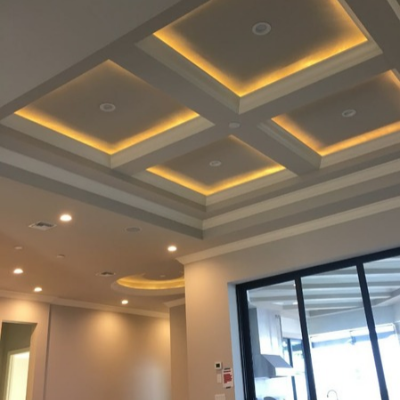
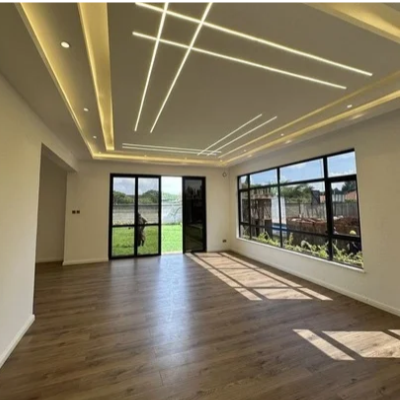
4. Living Room Gypsum Ceiling with LED Cove Lighting
Cove lighting uses a concealed light source within a suitable ceiling recess or perimeter channel. The light reflects onto nearby surfaces, creating a softer effect than an exposed fitting.
It works particularly well with tray, floating and layered ceilings.
Best for: Modern living rooms, evening entertainment spaces and contemporary homes.
Why consider it: Concealed lighting can make the ceiling feel more prominent and contribute to a comfortable atmosphere.
Design tip: Plan the LED strip, driver, wiring and access for maintenance before installing the gypsum boards.
5. Floating Gypsum Ceiling
A floating ceiling uses carefully designed recesses and concealed lighting to create the impression that a central section is separated from the surrounding ceiling.
Its appearance depends on the consistency of the recess, the position of the lighting channel and the alignment of the different levels.
Best for: Contemporary living rooms and modern homes with sufficient ceiling height.
Why consider it: It creates a refined appearance without relying on heavy ornamentation.
Design tip: Confirm the final ceiling height and the dimensions of the recess before work begins.
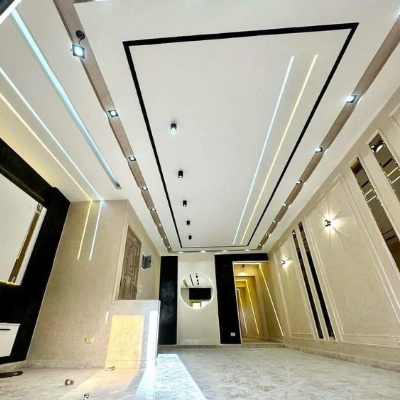
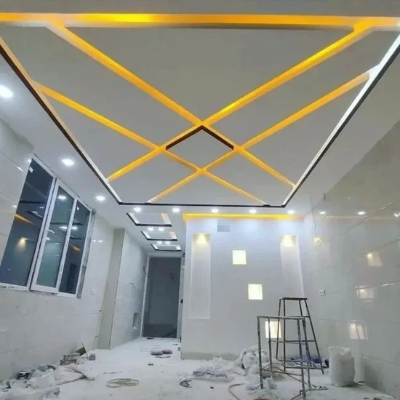
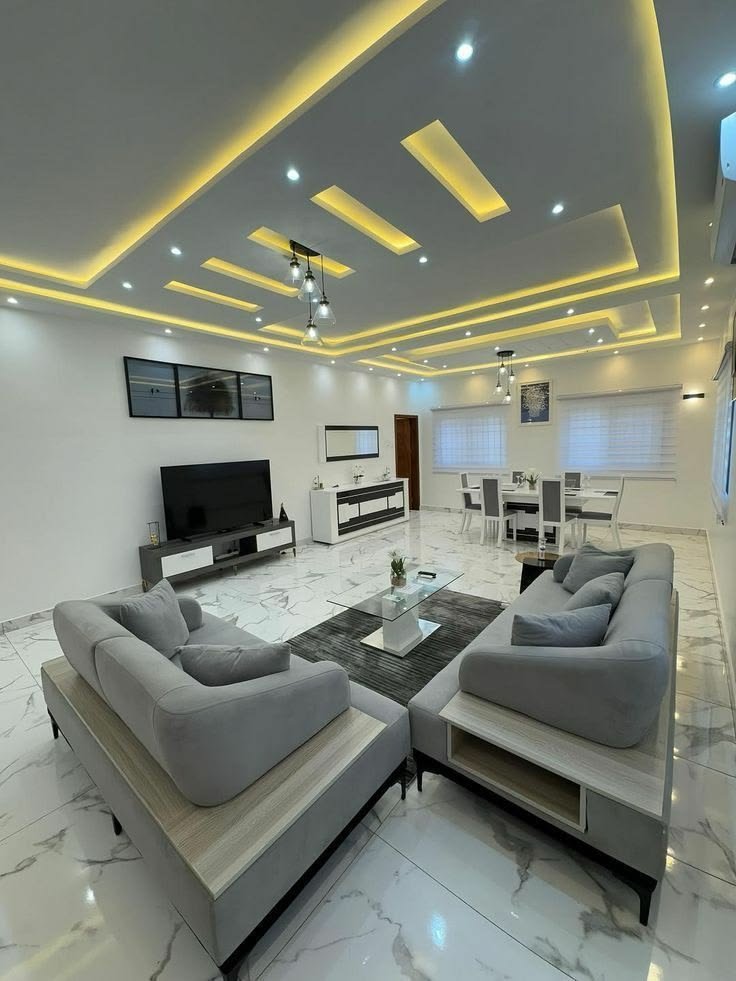
6. Geometric Gypsum Ceiling
Geometric ceilings use straight lines, rectangles, squares and other planned shapes to create a distinctive pattern.
A rectangular feature can frame the central seating arrangement, while a more complex design can introduce several related shapes.
Best for: Modern homes, spacious lounges and interiors with simple furniture and wall finishes.
Why consider it: Geometric shapes add interest while maintaining a contemporary appearance.
Design tip: Choose one dominant shape and build the rest of the ceiling around it. Too many unrelated patterns can make the space feel busy.
7. Gypsum Ceiling with Recessed Spotlights
Recessed spotlights sit within suitable ceiling openings, creating a streamlined finish. They can provide general illumination or highlight particular parts of the room.
They work with flat ceilings as well as tray and layered designs.
Best for: Living rooms that need an uncluttered ceiling and practical lighting.
Why consider it: Recessed fittings can distribute light across the room without introducing large surface-mounted fixtures.
Design tip: Plan the number and positions of the lights according to the room layout. Avoid creating glare around the television or placing fittings without considering where people sit.
8. Gypsum Ceiling with a Central Chandelier
A chandelier or decorative pendant can become the focal point of a living room ceiling. The design may use a flat surface, a tray or a layered frame around the fitting.
This arrangement works best when the ceiling feature and the light fitting complement each other.
Best for: Spacious living rooms, formal lounges and homes with a defined central seating arrangement.
Why consider it: A central fitting can provide a decorative feature without requiring an elaborate ceiling throughout the room.
Design tip: Check the fitting’s weight and mounting requirements. Heavy lights need suitable support and should not rely on gypsum board alone.
9. Minimalist Gypsum Ceiling
A minimalist ceiling focuses on simple shapes, limited detailing and clean lines. It may use one central feature, a narrow perimeter drop or discreet lighting.
This style suits homeowners who prefer a modern appearance without excessive decoration.
Best for: Small and medium-sized sitting rooms, contemporary houses and apartments.
Why consider it: It is easy to coordinate with many interior styles and keeps attention on the furniture and overall room design.
Design tip: Choose a finish that complements the wall colour and flooring, and insist on careful alignment and surface preparation.
10. Decorative Gypsum Ceiling with Cornices
Cornices create a decorative transition between the wall and ceiling. They can be simple or ornate, depending on the desired interior style.
In a living room, a well-proportioned cornice can provide a finished appearance without requiring multiple ceiling levels.
Best for: Traditional houses, classic living rooms and formal interiors.
Why consider it: It adds definition around the perimeter and works with selected decorative finishes.
Design tip: Choose cornice dimensions that suit your living room. Large profiles can overwhelm smaller spaces.
11. Curved Gypsum Ceiling
Curved designs introduce rounded sections or flowing lines into a ceiling. They provide a softer alternative to a design made entirely from straight edges.
The construction may require more setting-out, cutting, framing and finishing than a basic rectangular ceiling.
Best for: Spacious living rooms and selected contemporary or luxury interiors.
Why consider it: A well-planned curve can create a distinctive architectural feature.
Design tip: Use curves selectively and confirm the construction details before agreeing on the price.
12. Gypsum Ceiling with Contrasting Paint
You can use paint to emphasise the different sections of a gypsum ceiling. For example, the central panel and surrounding border may use related shades to create subtle contrast.
The ceiling can also match a selected wall colour or complement the wider room palette.
Best for: Living rooms where the owner wants colour and detail without introducing more ceiling levels.
Why consider it: Paint can help define the design without requiring additional framing.
Design tip: Test colours under the room’s actual lighting before applying them across the full ceiling.
Best Living Room Gypsum Ceiling Designs for Different Room Sizes
The most attractive design on a large house may not suit a smaller apartment. Consider the space available before choosing a ceiling.
Gypsum ceilings for small living rooms
For a small sitting room, begin with a simple flat ceiling, a shallow tray or a modest perimeter drop. These designs can add detail without taking up unnecessary headroom.
Use lighting carefully. Too many spotlights, large decorative borders and several ceiling levels can make the design feel crowded.
Light-coloured finishes may also help maintain a bright appearance, depending on the natural light and wall colours.
Gypsum ceilings for medium-sized living rooms
Medium-sized rooms can accommodate a broader range of options, including rectangular trays, simple layered designs and concealed LED lighting.
The ceiling should complement the seating arrangement and TV wall without drawing attention away from the rest of the interior.
Gypsum ceilings for large living rooms
Large living rooms can accommodate more substantial ceiling features where the height and proportions allow.
Options include double trays, geometric patterns, multiple lighting zones and selected decorative elements.
However, the design still needs a clear focus. A spacious room does not necessarily require every possible ceiling feature.
Gypsum ceilings for open-plan living and dining rooms
In open-plan homes, a ceiling feature can help define the living area without constructing a physical wall. For example, a tray may frame the sitting space while a separate light fitting identifies the dining area.
The designs should share a consistent style so the combined space feels coordinated.
Living Room Gypsum Ceiling Prices in Kenya
The cost of living room gypsum ceilings depends on the ceiling area, design complexity, board specification, supporting framework, lighting, labour and finishing.
The following indicative planning rates come from the SUIMAS gypsum ceiling installation cost guide.
| Ceiling type | Indicative rate per m² |
|---|---|
| Plain gypsum ceiling | KES 1,000–1,500 |
| Simple modern design | KES 1,500–2,500 |
| Bulkheads or stepped designs | KES 2,000–3,500+ |
| Feature ceiling with cove lighting | KES 2,500–4,500+ |
| Complex premium design | KES 4,000–6,000+ |
These are indicative planning estimates, not guaranteed quotations. A final price depends on the agreed design, site conditions, materials and items included.
Example: Cost of a 20 m² living room ceiling
For a living room with a ceiling area of 20 m², these calculations illustrate how the design specification affects the budget:
- Plain ceiling at KES 1,000 per m²: KES 20,000.
- Plain ceiling at KES 1,500 per m²: KES 30,000.
- Simple modern design at KES 2,000 per m²: KES 40,000.
- Feature ceiling with cove lighting at KES 3,500 per m²: KES 70,000.
- Complex design at KES 5,000 per m²: KES 100,000.
These figures are examples for planning purposes. They are not confirmed quotations and may exclude electrical work, light fittings, painting, repairs or other additional services.
Example: Cost of a 25 m² living room ceiling
For a living room measuring approximately 25 m²:
- At KES 1,000 per m², the estimated cost is KES 25,000.
- At KES 1,500 per m², the estimated cost is KES 37,500.
- At KES 2,500 per m², the estimated cost is KES 62,500.
- At KES 4,500 per m², the estimated cost is KES 112,500.
Your final budget will depend on the selected specification and whether the quotation includes lighting, finishing and painting.
What affects the final price?
Ceiling area: Larger rooms require more material and installation work.
Number of levels: A flat ceiling generally needs less framing and detailing than a layered design.
Lighting: LED strips, drivers, recessed spotlights, wiring and decorative fittings can increase the cost.
Materials: Board specifications, framing components and fixings must suit the installation requirements.
Finishing: Joint treatment, sanding, primer, paint and decorative trims influence the total.
Ceiling height and access: Difficult access or high ceilings may require additional labour and equipment.
Existing conditions: Leaks, damage, uneven surfaces and service relocation may require additional work.
What should a gypsum ceiling quotation include?
Before accepting a contractor’s quotation, confirm whether it includes the gypsum boards, framework, fixings, installation labour, joint finishing and painting.
For designs with LED lighting or spotlights, establish whether the fittings, wiring, drivers, switches and electrical labour are included.
Also ask about transport, access panels, waste removal and any applicable taxes. A clear written quotation makes it easier to compare contractors and manage the project budget.
How to Choose the Right Living Room Gypsum Ceiling
Before deciding on a design, consider the following factors.
1. Measure the ceiling height
The supporting framework and decorative levels can reduce the finished headroom. Ask the contractor how much height the chosen design will use.
2. Match the design to the room layout
The ceiling should follow the room’s proportions and relate to the seating arrangement. Avoid selecting a large design based only on a photograph of a much larger room.
3. Plan lighting before installation
Choose the light positions, switches and desired lighting effects before the ceiling boards are fixed. This reduces late changes and helps the installer coordinate the work properly.
4. Set the overall budget
Decide whether your budget covers only ceiling installation or also lighting, electrical work and painting. This helps you compare quotations on the same basis.
5. Coordinate the ceiling with the TV wall
If your living room has a TV unit or decorative feature wall, consider how the ceiling lines and lighting relate to that feature.
You may also explore professional floor installation services and building painting services when planning the overall room finish.
6. Consider maintenance access
Drivers, wiring and other components that may need inspection should remain accessible where required. Avoid designs that make future maintenance unnecessarily difficult.
7. Choose suitable materials
Select materials based on the room’s conditions and the system requirements. Resolve moisture problems before installation and use suitable specifications for any areas exposed to humidity.
Common Mistakes to Avoid
Even an attractive design can disappoint if the ceiling is not planned or installed properly.
- Choosing a design that is too large: A complicated ceiling can overwhelm a small living room.
- Adding unnecessary layers: More detail does not always mean a better result.
- Ignoring lighting positions: Poorly placed fittings can produce glare or uneven illumination.
- Failing to plan electrical work: Last-minute changes can add costs and affect the finished ceiling.
- Comparing quotations without checking inclusions: One price may cover painting while another covers only installation.
- Using unsuitable materials: Board and framework specifications should suit the room and installation system.
- Neglecting joint finishing: Uneven joints, rough edges and inconsistent paint can be visible from the main seating area.
- Installing over leaks: Repair the source of moisture before covering the ceiling.
- Forgetting access panels: Plan for future inspection and maintenance of services where necessary.
Living Room Gypsum Ceiling Installation Process
A well-managed installation follows several stages.
Step 1: Site assessment and measurements
The installer measures the room, assesses the available height and checks the existing structure and services.
Step 2: Design selection
You agree on the ceiling style, number of levels, lighting positions and finishing requirements.
Step 3: Quotation and approval
The contractor documents the agreed work, materials, inclusions, exclusions and price.
Step 4: Framework installation
The supporting framework is installed and aligned according to the approved design and the chosen ceiling system.
Step 5: Electrical coordination
The team coordinates wiring, lighting positions and necessary service access before closing the ceiling.
Step 6: Gypsum board installation
Boards are measured, cut and fixed to form the approved ceiling layout.
Step 7: Jointing and surface preparation
Joints and fixings are treated, and the ceiling is prepared for painting.
Step 8: Painting and lighting installation
The agreed paint finish is applied, and the specified light fittings are installed.
Step 9: Inspection and handover
The finished ceiling is checked for alignment, visible defects, paint consistency and lighting operation.
The duration depends on the room size, design complexity, working conditions and drying times.
Why Choose SUIMAS Interior Designers?
Your living room ceiling should complement the rest of your home rather than feel like a separate design. This requires attention to the room’s proportions, lighting, materials and finishing.
SUIMAS helps homeowners plan gypsum ceiling installations and coordinate related interior finishes according to their requirements.
Explore our gypsum ceiling designs, gypsum ceiling installation services and 3D design and layout planning.
For complete living room and property improvements, explore these related services:
- Interior design services for coordinating the ceiling with your wider room layout.
- Interior finishes for complementary surfaces and finishing materials.
- Building renovation services for upgrading existing properties.
- Aluminium solutions for related architectural applications.
- Commercial kitchen solutions for commercial and hospitality projects.
- Building and construction services for wider property projects.
These links are useful when your ceiling is part of a broader renovation or interior fit-out.
Areas We Serve
SUIMAS welcomes project enquiries across Kenya, subject to project scope, site assessment and availability. Our coverage includes Nairobi, Kiambu, Nakuru, Mombasa, Kisumu, Uasin Gishu, Machakos, Kajiado, Kilifi, Nyeri, Meru, Kakamega, Bungoma, Kericho, Laikipia, Narok, Nandi, Baringo, Samburu, Turkana, West Pokot, Elgeyo-Marakwet, Trans Nzoia, Busia, Siaya, Homa Bay, Migori, Kisii, Nyamira, Vihiga, Kirinyaga, Murang’a, Nyandarua, Embu, Tharaka-Nithi, Kitui, Makueni, Taita-Taveta, Kwale, Tana River, Lamu, Garissa, Wajir, Mandera, Marsabit and Isiolo.
In Nairobi, enquiries may include Karen, Runda, Lavington, Kileleshwa, Kilimani, Westlands, Parklands, South B, South C, Lang’ata, Ruaka, Ruiru, Thika Road, Syokimau and Kitengela. In Mombasa and the Coast region, enquiries may include Nyali, Bamburi, Shanzu, Diani, Kilifi and Malindi.
Contact our team to confirm project availability, site assessment arrangements and any transport costs for your location.
Request a Living Room Gypsum Ceiling Quotation
Ready to upgrade your living room with a modern gypsum ceiling? SUIMAS Interior Designers can help you compare designs and plan an installation that suits your room, preferred finish and budget.
When requesting a quotation, share your location, approximate ceiling measurements, preferred design and lighting requirements. Also mention whether you need painting, electrical work or other interior finishing services included.
Contact SUIMAS Interior Designers:
- Request a quotation: https://suimas.co.ke/contact/
- Website: https://suimas.co.ke/
- Email: info@suimas.co.ke / info@interiordesigners.co.ke
- Phone: 0717 044 443 / 0739 255 050
- Location: Nairobi CBD
Choose a design that suits your room’s proportions, plan lighting early and confirm the quotation before installation begins. With suitable materials and careful finishing, a gypsum ceiling can become a defining feature of your living room.
Frequently Asked Questions
1. Which gypsum ceiling design is best for a living room?
Flat, tray, layered and concealed LED designs can all work well. The right choice depends on the room’s dimensions, ceiling height, preferred style and budget.
2. How much does a living room gypsum ceiling cost in Kenya?
SUIMAS’s published planning rates range from KES 1,000–1,500 per m² for a plain gypsum ceiling to KES 2,500–4,500+ per m² for a feature ceiling with cove lighting. Complex premium designs may cost more. The final amount depends on the specification and work included.
3. What is the best gypsum ceiling for a small living room?
A simple flat ceiling, shallow tray or modest perimeter feature can work well in a small living room. Choose a design that preserves headroom and avoids unnecessary layers.
4. Can I install LED lights in a gypsum living room ceiling?
Yes. Suitable ceiling designs can accommodate concealed LED strips and recessed lights. Plan the wiring, fitting positions, power supply and maintenance access before installation.
5. Are layered gypsum ceilings suitable for living rooms?
Yes, especially where the room has sufficient height. The number of levels should suit the room proportions and the available budget.
6. Does a gypsum ceiling reduce living room height?
The framework and ceiling boards lower the finished ceiling relative to the original surface. The effect depends on the design depth and the space required for services and lighting.
7. Can I paint a gypsum ceiling a different colour from the walls?
Yes. A contrasting ceiling can highlight a tray or layered design, while a matching colour may create a more unified appearance. Test the colours under the room’s actual lighting before painting the full surface.
8. What causes cracks in gypsum living room ceilings?
Cracks may result from movement, poor framing, unsuitable fixings, inadequate joint finishing or moisture problems. The underlying cause should be addressed before cosmetic repairs.
9. Does gypsum ceiling installation include painting?
Not always. Confirm whether jointing, sanding, primer and final paint coats are part of the quotation.
10. How do I get a quotation from SUIMAS?
Visit the SUIMAS contact page and share your location, approximate living room ceiling area, preferred design and lighting requirements.