Kids Playroom Ideas for Kenyan Homes: Fun, Functional and Stylish
A well-designed children’s playroom should do more than look colourful. It should provide a safe place for children to play, read, draw, build, learn and spend time with friends while remaining easy for parents to organise and maintain.
In many Kenyan homes, a dedicated playroom may not be practical. Families can still create an engaging children’s space using a spare bedroom, an underused corner of the living room or part of a shared bedroom.
The best kids playroom ideas balance creativity, safety, storage and the available floor area. The design should also reflect the child’s age, interests and changing needs.
1. Start with the Available Space
Utilize Suimas Interiors to measure the available floor area, identify doors and windows, and check the location of sockets, switches and furniture. They will also consider leaving enough floor space for children to move around without constantly bumping into furniture.
For a small apartment, a play corner with a low storage unit, washable floor mat and small table may be more practical than trying to create a full playroom.
In a larger home, they can advise you to divide the room into different activity zones.
2. Create Separate Activity Zones
A playroom becomes easier to use when different activities have their own areas.
Creative and Drawing Zone
Set aside a small table and chairs for drawing, colouring, painting and craft activities. Choose furniture that is stable and appropriate for the child’s height.
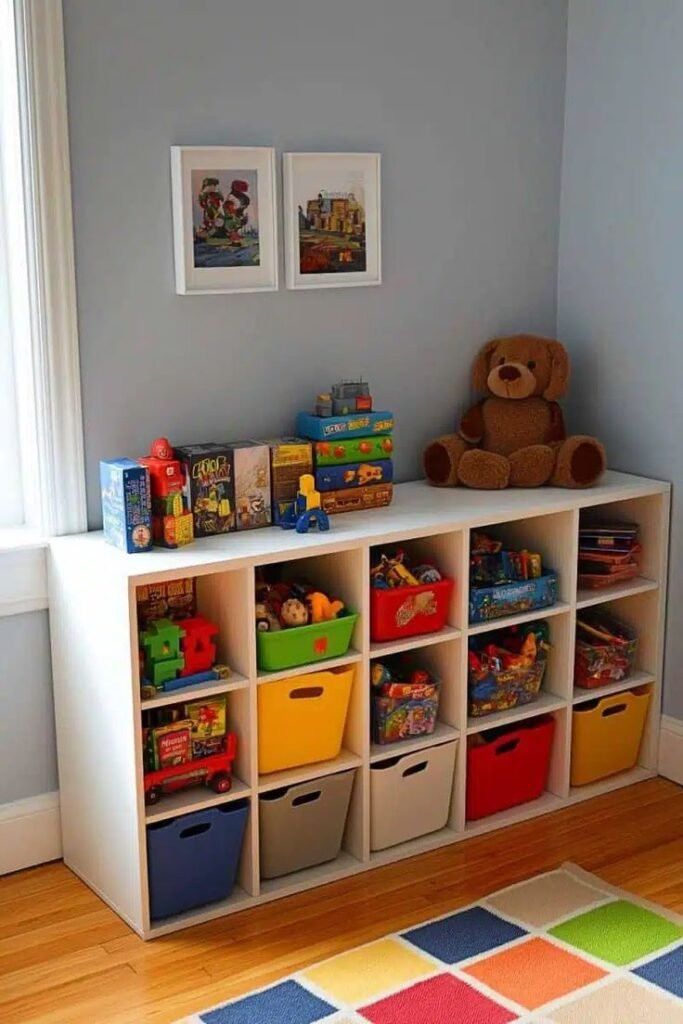
A washable tabletop and easy-to-clean flooring can make this area more manageable for parents.
Reading and Quiet Zone
Create a comfortable reading corner using a low bookshelf, cushions, a small rug or a floor mattress. A tent or canopy can make the area feel special without requiring major construction.
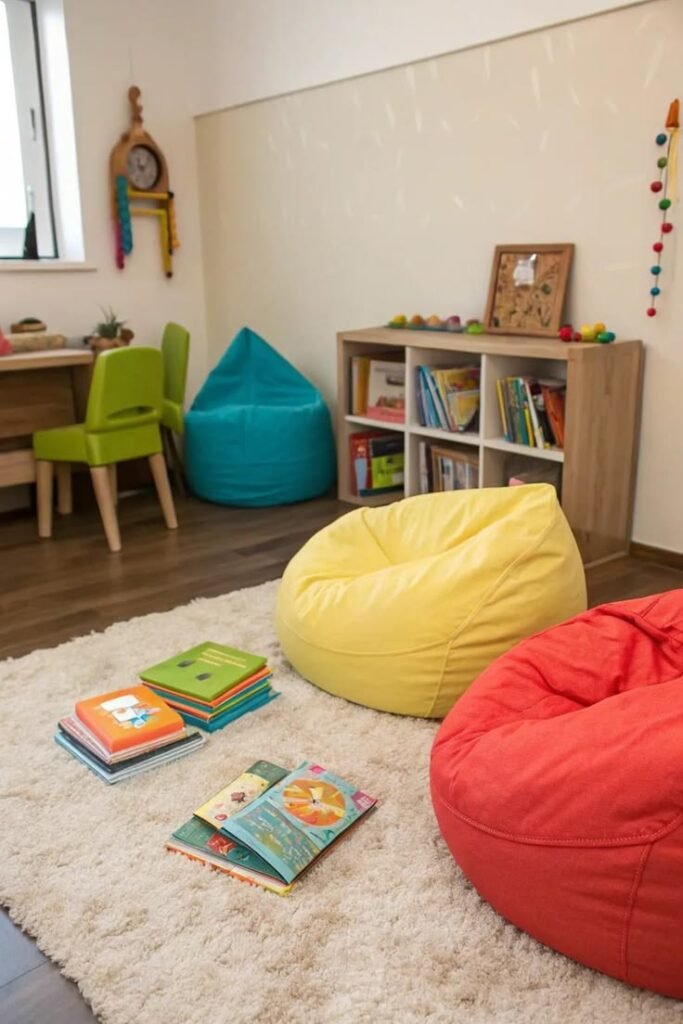
Place books where children can reach them independently, and ensure the corner has adequate lighting.
Building and Toy Zone
Provide a clear surface or floor area for blocks, puzzles, construction toys and other activities that require space.
Use labelled containers to separate different types of toys. This makes it easier for children to find what they need and return items after playing.
Active Play Zone
If the room is large enough, reserve an open area for dancing, movement games and indoor activities. Avoid filling every available section with furniture.
Slides, climbing walls and other fixed play equipment require more careful planning. They should only be installed where there is sufficient space, suitable structural support, appropriate fall protection and professional assessment.
3. Choose Safe and Practical Flooring
Flooring is one of the most important decisions in a children’s playroom. Children spend considerable time sitting, crawling, kneeling and playing on the floor.
Consider these options:
- EVA foam play mats: Soft and convenient for designated play areas, but choose quality products, check that they fit securely and clean them regularly.
- Vinyl or SPC flooring: Easy to maintain and available in different finishes. Add suitable play mats where extra cushioning is needed.
- Carpets and rugs: Provide warmth and comfort, but they can collect dust and spills. Choose washable or easy-to-clean options and use a non-slip underlay.
- Tiles: Durable and easy to clean, although hard surfaces may be uncomfortable during floor play. Use appropriate play mats in activity areas.
No flooring material makes a room completely childproof. Check for sharp edges, loose mats, damaged surfaces and slippery areas.
4. Use Smart Toy Storage
Toys can quickly make a playroom untidy, particularly when there is no designated storage.
Use a combination of low shelves, drawers, baskets and labelled boxes. Open shelves make frequently used toys visible, while closed storage helps keep the room looking organised.
A practical arrangement is to keep everyday toys on lower shelves and store items that need adult supervision higher up.
Secure tall bookcases, wardrobes and shelving units to the wall using appropriate anti-tip fixings. Avoid placing heavy objects on top of furniture where they could fall.
5. Choose Colours That Encourage Creativity Without Overwhelming the Room
A playroom does not need every wall painted in a bright colour. Too many competing colours can make a small room feel visually busy.
Consider a neutral base with selected colourful accents.
- Soft blue and white: Creates a fresh, relaxed appearance.
- Sage green and beige: Works well for a calm, nature-inspired playroom.
- Yellow and grey: Adds energy without requiring every surface to be brightly coloured.
- Pastel pink, lavender and cream: Creates a gentle look for a soft-themed room.
- Warm neutrals with colourful storage: Allows toys, books and artwork to introduce colour.
You can also use removable wall stickers or framed artwork so the room can evolve as the child’s interests change.
6. Add an Interactive Feature Wall
A feature wall can make the playroom more engaging without taking up floor space.
Chalkboard or Drawing Wall
A chalkboard surface or suitable washable drawing panel gives children a dedicated place to express themselves. Use products designed for the intended surface and follow the manufacturer’s installation and cleaning instructions.
Display Wall for Children’s Artwork
Use frames, pinboards or suitable display rails to showcase drawings, school projects and craft activities. This makes the space feel personal and encourages creativity.
Learning Wall
A simple learning wall can include a calendar, alphabet display, numbers, maps or a weekly activity board. Keep displays age-appropriate and avoid overcrowding the wall.
7. Make Lighting and Ventilation a Priority
A playroom should have sufficient natural light where possible. Position reading and craft areas where children can use daylight without direct glare.
Provide suitable general lighting for evening use, with task lighting for reading or drawing. Keep electrical cables out of reach and use appropriate socket safety measures.
Good ventilation is also important. Avoid blocking windows with large furniture, and choose finishes and furnishings suitable for indoor use.
8. Design for the Child’s Age and Changing Needs
A playroom for a toddler has different requirements from one used by a school-age child.
| Age group | Useful design features |
|---|---|
| Toddlers | Soft play area, stable low furniture, accessible toy storage and close adult supervision |
| Preschool children | Drawing table, picture books, pretend-play corner and simple activity storage |
| Primary school children | Reading area, craft desk, building toys and organised shelves |
| Older children | Study desk, hobby storage, board games and flexible seating |
Avoid designing the room around a short-lived theme that may become unsuitable within a year. Choose adaptable furniture and decorations that can be updated without a complete renovation.
9. Child Safety Checks Before Using the Playroom
A stylish playroom must also be safe.
- Secure shelves, cabinets and tall furniture to the wall.
- Cover or protect accessible electrical sockets using suitable safety products.
- Keep electrical cables, blind cords and curtain cords out of children’s reach.
- Use child-safe furniture with smooth edges and stable construction.
- Store cleaning products, tools, medicines and small hazardous objects elsewhere.
- Check toys regularly for broken parts, loose components and age suitability.
- Keep windows, balconies and stair access appropriately secured.
- Use non-toxic, low-emission paints and finishes where available, following product instructions.
- Maintain clear access routes and supervise children according to their age and the activities taking place.
If you have pets, consider where their food, toys and resting areas are located so that children and animals can use the home safely.
10. How to Create a Playroom in a Small Kenyan Home
You do not need a large house to create a functional play area.
In a two- or three-bedroom apartment, consider converting one corner of the living room or a section of a child’s bedroom. Use vertical storage, foldable tables and stackable containers to make better use of limited space.
A low shelf can separate the play area from the rest of the room without blocking natural light. When the space is shared, choose furniture that can serve more than one purpose, such as a storage bench that also provides seating.
The goal is to create a clearly defined area that can be tidied quickly and does not interfere with normal household movement.
How SUIMAS Interiors Can Help Create Functional Family Spaces
A children’s playroom should complement the rest of the home. Its flooring, wall finishes, storage, lighting and furniture arrangement need to work together while meeting the family’s practical requirements.
SUIMAS Interiors offers interior design services and residential interior design to help homeowners plan functional spaces. For wider home projects, explore our residential house construction services.
Planning a playroom or a family-friendly home renovation? Contact SUIMAS Interiors to discuss a practical design that makes good use of your available space.
Call/WhatsApp: 0717 044443 / 0739 255050 / 0725 021709
Visit: SUIMAS Interiors Contact Page
Related SUIMAS Interior Design Resources
- How Much Should You Budget for a Complete Home Interior Makeover in Kenya?
- Top 10 Home Design Trends Nairobi Homeowners Are Loving Right Now
- Design Trends We’re Leaving Behind — and What’s Replacing Them in 2027
- Residential House Construction Services
- Top 5 Interior Design Companies in Kenya in 2026