- Call Us: 0717044443 / 0739255050 / 0725021709
- Email: info@suimas.co.ke / info@interiordesigners.co.ke

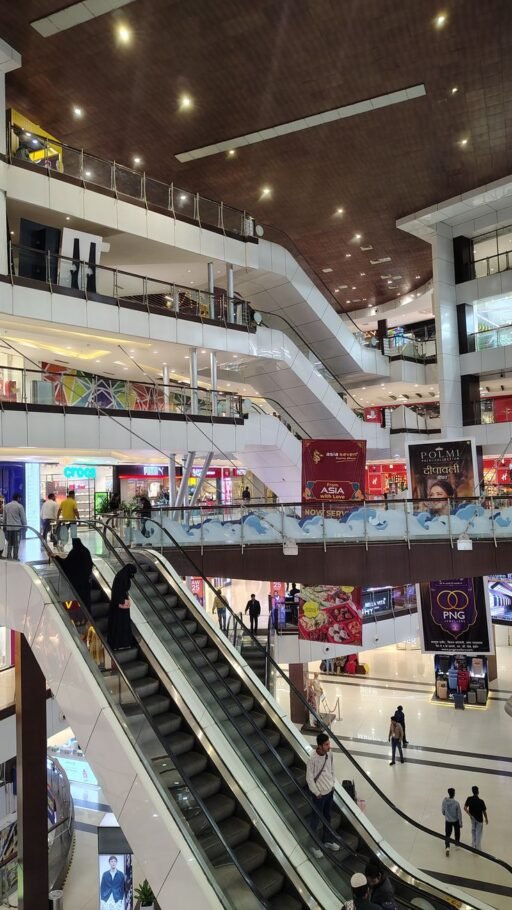
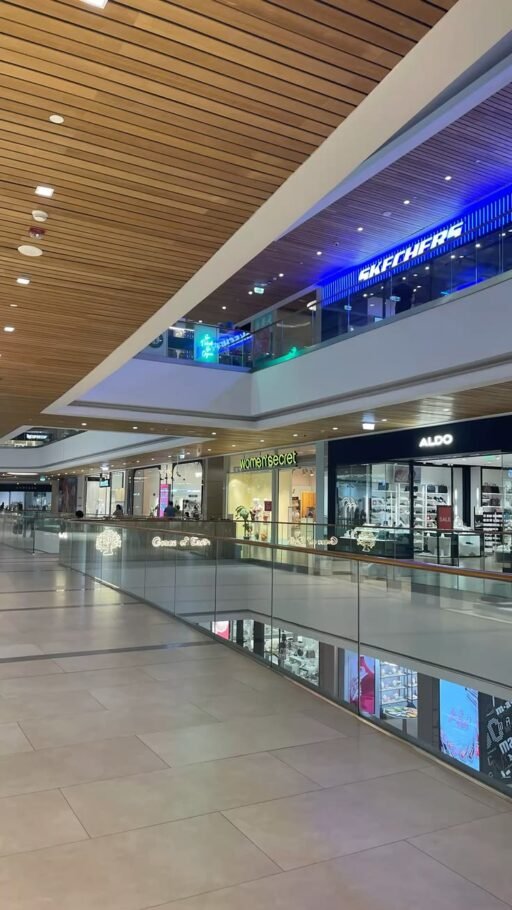
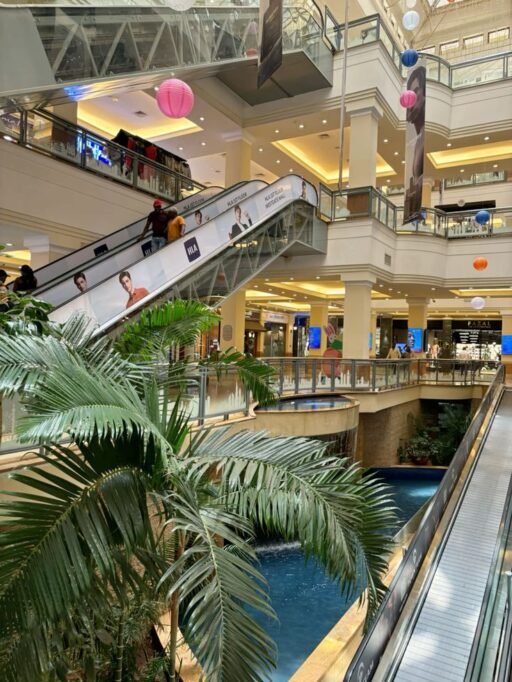
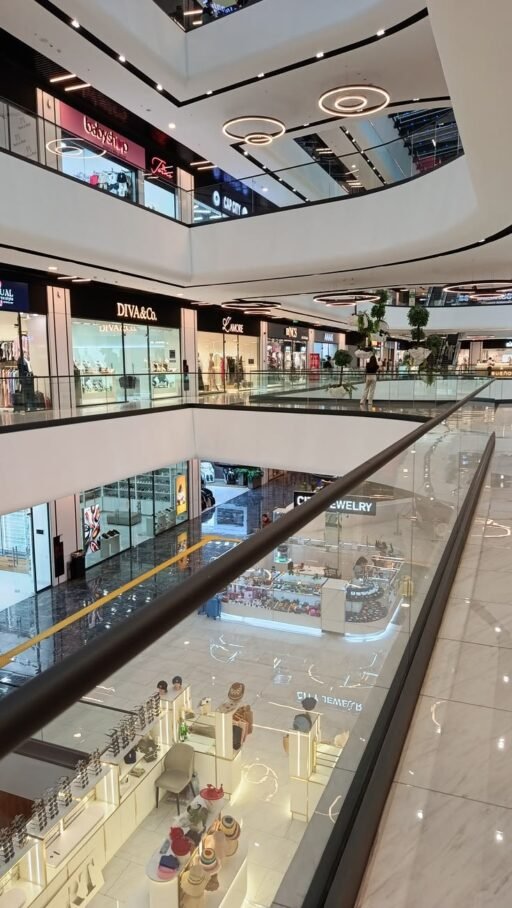
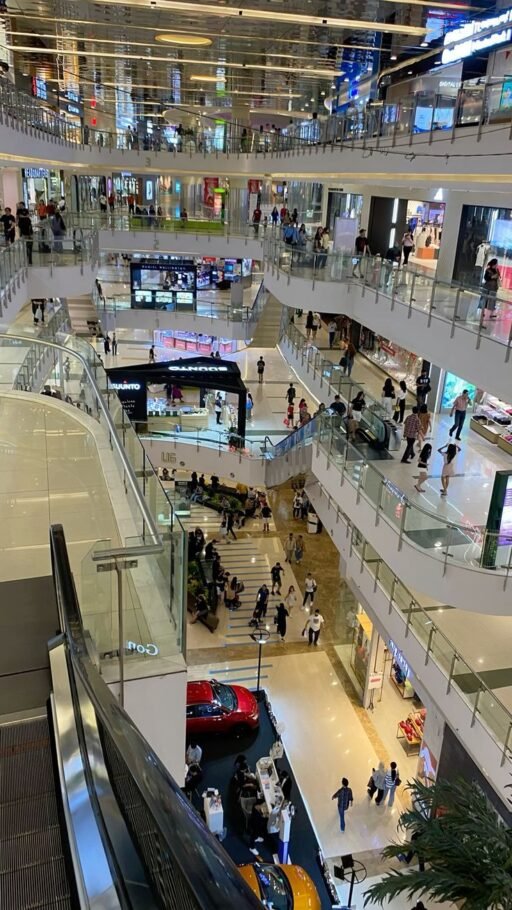
Mall construction cost in Kenya
- Description
Description
Mall Construction Cost in Kenya
Mall construction cost in Kenya is one of the most frequently searched and most frequently misunderstood topics in the country’s commercial property development market. Moreover, the gap between what developers expect to pay and what they actually pay — when all costs are properly accounted for — is one of the most common and most expensive planning failures in Kenya’s retail property sector.
Therefore, this complete 2025 guide covers everything every Kenya mall developer, investor, and property professional needs to know about mall construction cost. Furthermore, it goes significantly further than every competitor article currently available — including the excellent Integrum 2025 Construction Costs handbook which provides the best structural cost data in Kenya’s market but covers zero interior design and fit-out costs, zero total development cost guidance, and zero practical specification level guidance for mall developers.
This guide delivers all of that — and more. It covers verified construction cost rates by region, mall type, and specification level. It covers the interior design and fit-out costs that determine what shoppers and tenants actually experience. It covers every soft cost category that most Kenya developers underestimate. And it covers the Suimas interior design expertise that transforms a structurally complete mall shell into a thriving, beautifully designed retail destination.
💡 2025 Kenya Mall Construction Cost Headline: Shopping centres and malls are coming up at KES 5,445 to KES 9,093 per square foot in Kenya in 2025 — equivalent to KES 58,610 to KES 97,880 per square metre depending on mall type and region. Furthermore, construction costs for shopping malls increased by 15.11% in Nairobi in 2025 — the highest growth rate of any commercial property category in Kenya’s construction market.
At Suimas, we are Kenya’s #1 interior design and commercial fit-out company — crowned the Best Interior Design Company in Nairobi 2025 for the third consecutive year. Furthermore, we partner with Kenya’s leading mall developers and retail operators to deliver the interior design and fit-out that transforms a mall’s construction investment into a commercial success — delivering common area design, food court fit-outs, retail unit interiors, and complete mall repositioning projects across all 47 counties.
Why Mall Construction Cost in Kenya Is More Complex Than Most Developers Expect
The most important thing every Kenya mall developer must understand before making any budget commitment is that the construction cost per square metre — however accurately it is calculated — represents only a fraction of the total cost of bringing a Kenya mall to market.
Furthermore, the gap between shell construction cost and total development cost is where most Kenya mall budget failures occur. Therefore, understanding every cost category — not just the structural build rate — is essential for every developer, investor, and financier involved in Kenya mall projects.
The complete Kenya mall cost universe:
| Cost Category | Share of Total | Notes |
|---|---|---|
| Land acquisition | 20–40% | The largest variable — site-specific |
| Structural construction | 30–45% | The rate most articles cover |
| MEP systems | 8–12% | Often significantly underestimated |
| Interior fit-out — common areas | 5–10% | Almost never covered in construction cost guides |
| Interior fit-out — food court | 3–6% | The highest-return single investment |
| Professional fees | 8–12% | Architects, engineers, QS, PM |
| Statutory approvals | 1–2% | NCA, NEMA, county permits |
| Infrastructure & external works | 3–6% | Roads, car park, landscaping |
| Financing costs | 5–10% | Interest during construction |
| Contingency | 5–10% | 10% minimum for mall projects |
| Pre-opening costs | 2–4% | Marketing, leasing, fit-out contributions |
Consequently, a developer who budgets only for structural construction cost will consistently underestimate total mall development cost by 55–70%. Additionally, this is one of the primary causes of stalled, incomplete, and commercially failed mall projects in Kenya’s retail property market.
2025 Mall Construction Cost in Kenya — Verified Rates by Region and Mall Type
The following construction cost data is sourced from Integrum Consortium’s 2025 Construction Costs in Kenya report — Kenya’s most rigorous and most frequently updated construction cost database, built from actual project cost schedules across hundreds of Kenya construction projects.
Nairobi and Central Kenya — Mall Construction Cost 2025
Average building costs for shopping centres in Nairobi 2025:
| Mall Type | Cost Per m² | Cost Per sqft | Year-on-Year Change |
|---|---|---|---|
| Small-scale shopping centre | KES 58,610 | KES 5,445 | +15.11% |
| Standard urban shopping complex | KES 75,760 | KES 7,038 | +15.11% |
| All-inclusive shopping mall | KES 89,980 | KES 8,359 | +15.11% |
What each Nairobi mall specification level delivers:
Small-scale shopping centre — KES 58,610/m² Basic structural frame and envelope, minimal common area finishes, standard MEP rough-in, ceramic tile or basic porcelain common area floors, standard lighting, basic toilet facilities, minimal car park infrastructure. Suitable for strip malls, basic neighborhood retail centres, and discount retail formats.
Standard urban shopping complex — KES 75,760/m² Quality structural frame, multi-level structure where applicable, better-quality common area finishes, improved MEP systems with zone control, porcelain tile common areas, better lighting, improved toilet facilities, structured or surface car parking. Suitable for community malls, mixed-use retail, and mid-market retail centres.
All-inclusive shopping mall — KES 89,980/m² Premium structural frame, escalators and lifts, premium common area finishes, full MEP system with smart building management, premium flooring, feature lighting, premium toilet facilities, structured car parking, full wayfinding. Suitable for destination malls, regional centres, and premium community retail.
Western and Nyanza Region — Mall Construction Cost 2025
Average building costs for shopping centres in Western/Nyanza 2025:
| Mall Type | Cost Per m² | Cost Per sqft |
|---|---|---|
| Small-scale shopping centre | KES 62,340 | KES 5,792 |
| Standard urban shopping complex | KES 82,510 | KES 7,665 |
| All-inclusive shopping mall | KES 97,880 | KES 9,093 |
Western and Nyanza region construction costs exceed Nairobi in all mall categories. Furthermore, this counterintuitive result reflects the higher material transportation costs, premium contractor mobilization fees, and more limited specialist subcontractor availability in Kenya’s western region compared to Nairobi’s well-supplied construction market.
Coastal Kenya — Mall Construction Cost 2025
Average cost of construction for shopping centres in Coastal Kenya 2025:
| Mall Type | Cost Per m² | Cost Per sqft |
|---|---|---|
| Small-scale shopping centre | KES 60,010 | KES 5,575 |
| Standard urban shopping complex | KES 80,080 | KES 7,440 |
| All-inclusive shopping mall | KES 94,990 | KES 8,825 |
Coastal Kenya construction costs sit between Nairobi and Western/Nyanza. Furthermore, coastal construction carries specific additional costs — marine-grade materials for salt air resistance, enhanced waterproofing for coastal humidity, and specialist coastal construction expertise — that are not fully captured in the per-square-metre rate.
Complete Regional Comparison — Kenya Mall Construction Cost 2025
| Mall Type | Nairobi | Coast | Western/Nyanza |
|---|---|---|---|
| Small-scale shopping centre | KES 58,610/m² | KES 60,010/m² | KES 62,340/m² |
| Standard urban shopping complex | KES 75,760/m² | KES 80,080/m² | KES 82,510/m² |
| All-inclusive shopping mall | KES 89,980/m² | KES 94,990/m² | KES 97,880/m² |
📍 All construction cost rates sourced from Integrum Consortium 2025 Construction Costs in Kenya report — based on actual project cost schedules from verified Kenya construction projects. Rates exclude land, professional fees, interior fit-out, and VAT on imported materials.
Mall Construction Cost in Kenya — Historical Trend 2021 to 2025
Understanding how Kenya mall construction costs have evolved over time is essential context for every developer, investor, and financier making mall project investment decisions in 2025. Furthermore, the 2025 construction costs in Kenya have increased by an overall average of 12.09% — about five points behind 2024’s 17.57% — but the cumulative impact of five years of construction cost inflation is dramatic.
| Year | Nairobi Small Mall /m² | Nairobi Standard /m² | Nairobi All-Inclusive /m² | YoY Change |
|---|---|---|---|---|
| 2021 | KES 37,480 | ~KES 48,000 | ~KES 55,500 | Post-Covid baseline |
| 2022 | KES 39,000 | ~KES 52,000 | KES 57,700 | +8–9% |
| 2023 | KES 44,500 | ~KES 60,000 | KES 65,500 | +12–14% |
| 2024 | KES 50,950 | KES 72,400 | KES 78,170 | +19.34% |
| 2025 | KES 58,610 | KES 75,760 | KES 89,980 | +15.11% |
Key insight from the 5-year trend: The cumulative increase in Kenya mall construction cost from 2021 to 2025 is 56–62% across all specification levels. Furthermore, at the regional level, Nairobi and Central Kenya recorded some of the highest growth rates in 2025, particularly in commercial and retail property categories, with construction costs for shopping malls increasing by 15.11%. This consistent upward trend means that every year of delay in mall project commencement adds approximately 12–15% to the structural construction cost alone.
Mall Construction Cost in Kenya — By Mall Size
Understanding the relationship between mall size and total construction cost helps developers evaluate project feasibility and financing requirements accurately. Furthermore, the following estimates apply the 2025 Nairobi cost rates to different mall sizes — providing indicative total structural construction budgets.
| Mall Category | GLA Size | GFA (incl. car park) | Cost Rate | Structural Cost |
|---|---|---|---|---|
| Micro retail strip | 300 – 800 m² | 500 – 1,200 m² | KES 58,610/m² | KES 29M – 70M |
| Small neighborhood mall | 800 – 3,000 m² | 1,500 – 5,000 m² | KES 58,610 – 75,760/m² | KES 88M – 379M |
| Community mall | 3,000 – 10,000 m² | 5,000 – 18,000 m² | KES 75,760 – 89,980/m² | KES 379M – 1.62B |
| Regional mall | 10,000 – 40,000 m² | 20,000 – 80,000 m² | KES 89,980/m² | KES 1.8B – 7.2B |
| Super regional mall | 40,000 m²+ | 80,000 m²+ | KES 89,980 – 97,880/m² | KES 7.2B – 19.6B+ |
Note on GLA vs GFA: Gross Lettable Area (GLA) is the rentable retail space. Gross Floor Area (GFA) includes all floor area — common areas, car parks, service areas, MEP plant rooms. For costing purposes, GFA is the correct base. A mall’s GFA is typically 1.5–2.5x its GLA depending on car park provision and common area design.
Stage-by-Stage Mall Construction Cost Breakdown — Kenya 2025
This is the cost breakdown no competitor article provides — and the most practically useful cost information for any Kenya mall developer. Furthermore, understanding how construction cost distributes across stages enables accurate cash flow planning and payment milestone scheduling.
The following stage-by-stage breakdown applies to a standard 5,000 m² GFA neighborhood mall in Nairobi at the standard urban complex rate of KES 75,760/m² — total structural construction cost approximately KES 379 million.
Stage 1 — Site Preparation and Substructure (15–20% of structural cost) KES 57M – 76M
Includes: Site clearing, earthworks, piling or strip foundation, ground slab, services trenching, and drainage. Cost varies significantly with soil conditions — Nairobi’s black cotton soil areas carry 25–40% foundation cost premiums versus normal ground conditions.
Stage 2 — Superstructure — Columns, Beams, and Upper Slabs (25–35%) KES 95M – 133M
Includes: Reinforced concrete frame, upper floor slabs, and structural walls. The largest single cost stage for multi-storey malls. Cost per upper slab for mall-scale structures (5,000 m² floor plate) is typically KES 8,000–12,000/m² of slab area.
Stage 3 — Envelope — Facade, Roof, and External Works (10–15%) KES 38M – 57M
Includes: External cladding, glazing, roofing system, gutters, and downpipes. Premium facade materials — curtain glazing, aluminum composite cladding — add 30–60% to standard specification envelope costs.
Stage 4 — MEP Systems (15–20%) KES 57M – 76M
Includes: HVAC, electrical distribution, plumbing, fire suppression, CCTV, and BMS. Mall MEP systems are significantly more complex than residential or standard commercial buildings — and significantly more expensive per square metre. Inadequate MEP budget is one of the most common causes of mall project financial distress.
Stage 5 — Lifts, Escalators, and Vertical Transport (3–6%) KES 11M – 23M
Includes: Passenger lifts, service lifts, escalators, and associated structural pit work. Escalator costs in Kenya range from KES 3.5M–8M per unit installed. Lift costs range from KES 4M–12M per lift depending on capacity, speed, and specification.
Stage 6 — Shell Finishes (8–12%) KES 30M – 46M
Includes: External works, boundary wall, access roads, basic car park surfacing, and structural shell finishes. This stage delivers the building to shell-and-core condition — ready for interior fit-out.
The Interior Fit-Out Cost — What Every Kenya Mall Developer Must Budget Separately
This is the section that every other mall construction cost guide in Kenya completely ignores — and the section that most directly determines the commercial success of any Kenya mall.
Furthermore, interior fit-out cost is the investment that transforms a structurally complete mall shell into the beautiful, functional, commercially competitive retail destination that tenants want to lease and shoppers want to visit. Moreover, every shilling spent on premium interior fit-out consistently delivers measurably higher rental rates, faster lease-up, and stronger long-term asset values.
Interior Fit-Out Cost — Common Areas and Atrium
| Scope | Cost Per m² | Notes |
|---|---|---|
| Basic common area finish | KES 8,000 – 15,000 | Standard tile, basic ceiling, basic lighting |
| Standard common area fit-out | KES 15,000 – 30,000 | Premium porcelain, gypsum ceiling, feature lighting |
| Premium common area fit-out | KES 30,000 – 55,000 | Natural stone, feature installation, smart lighting |
| Luxury common area fit-out | KES 55,000 – 100,000+ | Marble, bespoke art, full smart system |
View our commercial interior design service →
Interior Fit-Out Cost — Food Court
| Scope | Cost Per m² | Notes |
|---|---|---|
| Basic food court | KES 15,000 – 25,000 | Standard tile, basic stall fit-out |
| Standard food court | KES 25,000 – 50,000 | Premium floor, acoustic ceiling, feature lighting |
| Premium food court | KES 50,000 – 80,000 | Full acoustic treatment, bespoke stall design, outdoor terrace |
View our food court and hospitality design service →
Interior Fit-Out Cost — Retail Units by Category
| Retail Category | Typical Size | Cost Per m² |
|---|---|---|
| Basic service retail | 30–80 m² | KES 8,000 – 15,000 |
| Mid-range fashion | 60–150 m² | KES 15,000 – 35,000 |
| Premium fashion | 80–200 m² | KES 35,000 – 70,000 |
| Restaurant or café | 80–300 m² | KES 35,000 – 90,000 |
| Electronics or tech | 50–200 m² | KES 25,000 – 55,000 |
| Anchor supermarket | 1,500–5,000 m² | KES 20,000 – 40,000 |
| Luxury brand flagship | 100–500 m² | KES 80,000 – 200,000+ |
View our retail interior design service →
Interior Fit-Out Cost — Specialist Zones
| Zone | Scope | Indicative Cost |
|---|---|---|
| Mall toilets (per block) | Full premium specification | KES 2M – 5M per block |
| Cinema lobby | Premium entertainment finish | KES 40,000 – 100,000/m² |
| Children’s play zone | Full fit-out with equipment | KES 3M – 12M |
| Wayfinding system | Digital directories + signage | KES 3M – 20M total |
| Car park finishes | Paint, markings, lighting upgrade | KES 3,000 – 8,000/m² |
View our gypsum ceiling and lighting service →
Complete Interior Fit-Out Cost — Kenya Mall 2025 (5,000 m² GLA Example)
| Fit-Out Zone | Area | Rate | Total Cost |
|---|---|---|---|
| Common areas and atrium | 1,500 m² | KES 25,000/m² | KES 37.5M |
| Food court (standard) | 500 m² | KES 35,000/m² | KES 17.5M |
| Retail units (developer fit-out for key tenants) | 1,000 m² | KES 25,000/m² | KES 25M |
| Toilets (4 blocks) | — | KES 3.5M per block | KES 14M |
| Wayfinding and signage | — | System total | KES 6M |
| Lighting upgrade (above structure rate) | 3,000 m² | KES 3,000/m² | KES 9M |
| Total Interior Fit-Out | KES 109M |
Key insight: For a 5,000 m² GLA neighborhood mall with a structural construction cost of approximately KES 379 million, a quality interior fit-out adds approximately KES 109 million — representing 29% of the structural cost. This additional 29% is what turns a concrete shell into a commercial success.
Total Mall Development Cost in Kenya — The Complete Budget Picture
This is the guidance that no competitor provides. Furthermore, every Kenya mall developer must budget for the complete development cost — not just the structural construction rate.
| Cost Category | % of Total | 5,000 m² GLA Example |
|---|---|---|
| Land acquisition | 25–35% | KES 200M – 400M (site-specific) |
| Structural construction | 30–40% | KES 379M |
| MEP systems | 10–15% | KES 57M – 76M (within structure rate) |
| Interior fit-out — common areas | 4–6% | KES 37.5M |
| Interior fit-out — food court | 2–3% | KES 17.5M |
| Interior fit-out — retail developer contribution | 2–4% | KES 25M |
| Professional fees (8–12% of construction) | 4–5% | KES 30M – 45M |
| Statutory approvals and fees | 0.5–1% | KES 5M – 10M |
| Infrastructure and external works | 3–5% | KES 25M – 40M |
| Pre-opening marketing and leasing | 1–2% | KES 8M – 15M |
| Finance costs during construction | 5–8% | KES 40M – 65M |
| Contingency (minimum 10%) | 5–10% | KES 38M – 76M |
| Total Development Cost | 100% | KES 862M – KES 1.15B |
📍 All figures are indicative for a 5,000 m² GLA standard urban neighborhood mall in Nairobi using 2025 construction cost rates. Site-specific conditions, specification choices, and financing structure all affect total development cost significantly. Suimas provides free interior fit-out quotations after every site consultation. Call 0717 044 443.
Key Factors Affecting Mall Construction Cost in Kenya
Several critical factors drive significant variation in Kenya mall construction cost above and below the base per-square-metre rates. Furthermore, understanding these factors enables developers to predict their specific project cost accurately rather than relying on benchmark rates alone.
Factor 1 — Location and Site Conditions
Location is the most significant driver of construction cost variation in Kenya’s mall market. Furthermore, beyond the regional rate differences between Nairobi, Coast, and Western/Nyanza, site-specific conditions create significant additional cost variation.
Location cost multipliers:
- Standard Nairobi urban site — baseline rate (1.0x)
- Black cotton or expansive soil site — foundation cost premium 25–45% above baseline
- Sloping site requiring significant cut-and-fill — earthworks cost premium 15–30%
- High water table site requiring dewatering — additional KES 3M–15M depending on depth
- Remote regional site (Kisumu, Eldoret, Lamu) — material transport premium 8–20%
- Coastal site — marine-grade material premium 12–18% on affected elements
Factor 2 — Structural System Choice
The choice of structural system significantly affects Kenya mall construction cost. Furthermore, different structural approaches are suited to different mall sizes and site configurations.
Structural system cost comparison (per m² of floor area):
| System | Cost Premium/Saving | Best For |
|---|---|---|
| Reinforced concrete frame | Baseline | All mall types — most common in Kenya |
| Post-tensioned flat slab | +5–10% | Large-span retail requiring column-free floors |
| Steel frame | +15–25% | Long-span roofs, fast construction programme |
| Precast concrete | -5–10% (if available) | Repetitive floor structures in large malls |
Factor 3 — Car Park Type
Car parking provision is one of the most significant cost drivers in Kenya mall construction — and one of the most significant drivers of project feasibility. Furthermore, Kenya’s retail property market strongly expects generous, well-lit, and secure car parking.
Car park type cost comparison:
| Car Park Type | Construction Cost | Spaces Per Hectare |
|---|---|---|
| Surface — tarmac | KES 500 – 800 per sqft | 80–100 spaces/hectare |
| Surface — concrete | KES 800 – 1,200 per sqft | 80–100 spaces/hectare |
| Multi-storey structured | KES 150,000 – 250,000 per space | 400–600 spaces/hectare |
| Basement — single level | KES 200,000 – 350,000 per space | 500–700 spaces/hectare |
| Basement — multi-level | KES 350,000 – 600,000 per space | 700–1,000+ spaces/hectare |
Factor 4 — MEP System Specification
Mall MEP systems are significantly more complex and more expensive than residential or standard commercial buildings. Furthermore, MEP cost is consistently underestimated in Kenya mall development budgets — creating one of the most common causes of project financial distress.
Key MEP cost items for Kenya malls:
- Central air conditioning system: KES 3,000 – 8,000/m² of conditioned area
- Electrical distribution to tenant boards: KES 1,500 – 4,000/m²
- Fire suppression and detection system: KES 1,200 – 3,000/m²
- Emergency power generation: KES 2,000 – 5,000 per kVA of capacity
- BMS (building management system): KES 5M – 25M for full mall integration
Factor 5 — Specification Level Within Each Rate Category
The single biggest lever on construction cost per m² in Kenya is the specification level. Two houses with identical floor plans and structure can differ by KSh 30,000–50,000 per m² due to finish choices alone. The same principle applies even more powerfully to mall construction — two malls with identical structural footprints can have interior fit-out costs that differ by KES 50,000–150,000 per m² of common area based solely on material and design specification choices.
Factor 6 — Construction Programme Duration
Construction programme duration directly affects Kenya mall construction cost through two mechanisms. Furthermore, both mechanisms push costs upward when programmes extend beyond planned duration.
Contractor preliminaries — the fixed-period costs of site management, security, supervision, and equipment hire — typically represent 8–12% of Kenya mall construction contracts. Extending the programme by six months on a KES 400M contract adds approximately KES 19M–24M in preliminaries alone.
Finance costs — interest on construction finance during an extended programme adds directly to total development cost. At typical Kenya commercial finance rates of 14–18%, a six-month extension on KES 500M of drawn construction finance costs KES 35M–45M in additional interest.
Professional Fees for Kenya Mall Construction — What to Budget
Professional fees represent a significant and consistently underestimated component of Kenya mall total development cost. Furthermore, the following fee guidance reflects current Kenya market rates for qualified professionals.
| Professional Service | Fee Basis | Indicative Range |
|---|---|---|
| Lead Architect | % of construction cost | 4–7% |
| Structural Engineer | % of construction cost | 1.5–3% |
| MEP Engineer | % of construction cost | 1.5–2.5% |
| Quantity Surveyor | % of construction cost | 1–2% |
| Project Manager | % of construction cost | 2–4% |
| Interior Design | % of fit-out cost | 8–15% |
| Environmental Impact Assessment | Fixed fee | KES 500,000 – 3,000,000 |
| Total Professional Fees | 8–18% of construction cost |
Note on interior design fees: For mall interior design, Suimas charges competitive fees that are consistently offset by the measurably superior commercial outcomes our designs deliver — higher rental rates, faster lease-up, and stronger asset values. Contact us for a fee discussion →
Mall Construction Cost vs Interior Fit-Out Cost — Understanding the Relationship
This is the most commercially important relationship in any Kenya mall budget — and the relationship that every developer must understand clearly. Furthermore, the structural construction cost and the interior fit-out cost are not alternatives to each other — they are complementary investments that together determine whether a Kenya mall succeeds commercially.
The false economy of underspending on interior fit-out:
A Kenya mall developer who reduces the interior fit-out budget by KES 50 million on a 5,000 m² GLA neighborhood mall:
- Saves KES 50M in upfront capital cost
- Achieves rental rates 20–30% below premium-fitted comparable malls
- Loses approximately KES 15M–22M per year in rental income at this rental discount
- Payback period for the additional KES 50M fit-out investment: 27–40 months
- 10-year NPV impact of the KES 50M fit-out saving: negative KES 100M–175M
Consequently, underspending on interior fit-out consistently costs Kenya mall developers significantly more than it saves over any meaningful investment horizon. Additionally, premium interior fit-out consistently delivers the highest and most reliable return of any mall development capital decision.
💡 The Suimas Interior Design Investment Case Suimas has documented multiple Kenya mall projects where a KES 15,000 – 30,000/m² increase in common area and food court fit-out specification — representing approximately 5–8% of total development cost — delivered measurably higher rental rates, faster tenant lease-up, and stronger footfall from day one. Furthermore, the interior design investment consistently paid back within 18–24 months through premium rental income alone. Discuss your mall interior design budget →
Value Engineering — How to Manage Kenya Mall Construction Cost Without Compromising Quality
Every Kenya mall developer faces cost pressure — from rising material prices, financing costs, and project complexity. Furthermore, effective value engineering is not about cutting quality — it is about making smarter specification decisions that preserve commercial performance while managing budget.
Proven value engineering strategies for Kenya mall construction:
Structural value engineering
- Optimize column grid — a 9m x 9m grid is more cost-efficient than 12m x 12m for most neighborhood mall scales
- Use flat slab construction where column-free spans are not essential — simpler, faster, and cheaper than beam-and-slab
- Standardize floor-to-floor heights — eliminating bespoke structural solutions that add cost without commercial benefit
Envelope value engineering
- Use high-quality aluminum composite cladding rather than full glass curtain wall on non-feature elevations
- Specify standing seam metal roofing on service areas and rear elevations — reserving premium roofing for visible front elevations
- Design for natural ventilation in back-of-house and service areas — reducing MEP cost
MEP value engineering
- Zone the HVAC system — allowing individual zone control and reducing system running costs
- Specify LED throughout from day one — higher upfront cost than fluorescent but significantly lower running costs and maintenance
- Right-size the generator — many Kenya malls over-specify emergency power generation
Interior fit-out value engineering — without compromising shopper experience
- Use large-format porcelain rather than natural stone in secondary circulation areas — delivering similar aesthetics at 40–60% of the cost
- Concentrate premium specification in the entrance zone and food court — the areas of highest shopper impact
- Use acoustic ceiling tiles rather than bespoke gypsum in food court areas — delivering equivalent acoustic performance at significantly lower cost
- Specify LED strip lighting rather than bespoke pendant fixtures in secondary circulation — preserving the premium pendant budget for the atrium and food court
Regional Kenya Mall Construction Cost — 2026 Outlook
Understanding where Kenya mall construction costs are heading helps developers make better-timed investment decisions. Furthermore, the following forward-looking analysis is based on current market drivers and Kenya’s construction market which is expected to grow by 7.5% on annual basis to reach KES 1.02 trillion in 2025, with the market forecast to grow at a CAGR of 6.4% during 2025–2029.
2026 mall construction cost forecast:
- 2026 rates are approximately 5–8% higher than 2025 figures, driven by continued increases in cement, steel, and labour costs
- Small-scale Nairobi shopping centre: KES 63,300 – 65,000/m² (estimated)
- Standard urban Nairobi complex: KES 81,820 – 83,000/m² (estimated)
- All-inclusive Nairobi mall: KES 97,180 – 100,000/m² (estimated)
Key 2026 cost drivers:
- Steel prices — global supply chain normalization may moderate steel cost increases
- Cement prices — Kenya’s domestic cement production capacity continues to expand, moderating price pressure
- Labour — skilled construction labour rates continue to rise in Nairobi and major urban centres
- Imported materials — exchange rate volatility remains the key risk factor for all imported mall construction materials
Our Complete Mall Interior Design Services — What Suimas Delivers
Suimas delivers the interior design and fit-out that transforms Kenya’s most ambitious mall construction investments into thriving commercial destinations. Furthermore, our complete in-house capability — concept design, 3D visualization, bespoke fabrication, premium material sourcing, and full project management — makes us the ideal interior design partner for every Kenya mall development.
- Commercial Interior Design — common areas, retail zones, and food courts
- Hotel & Hospitality Interior Design — food court and restaurant fit-outs
- 3D Interior Design Renders — photorealistic mall visualization before work begins
- Gypsum Ceilings & Integrated Lighting — mall-wide ceiling and lighting design
- Floor Installation Services — premium flooring for all mall zones
- Kitchen Cabinets, Wardrobes & Joinery — food court and retail joinery
- Reception Desk and Area Design — information counters and service points
- Aluminium & Glass Partitions — retail storefronts and partition systems
- Bathroom Interior Designs — premium mall toilet facilities
- Renovation Services — existing mall renovation and repositioning
📞 Planning a Kenya Mall? Get Your Interior Design Budgeted Correctly From Day One
The single most expensive mistake Kenya mall developers make is not budgeting for interior design and fit-out from the earliest project planning stage. Furthermore, Suimas can provide accurate, itemized interior design cost estimates for any Kenya mall project — at any stage of development — helping you build a complete, realistic, and financeable development budget.
Start your mall interior design cost consultation in 5 steps:
Step 1 — Call 0717 044 443 or 0739 255 050 Step 2 — Share your mall project brief — size, type, location, and timeline Step 3 — Receive indicative interior design cost estimates within 48 hours Step 4 — Book a FREE site consultation for a detailed, itemized fit-out quotation Step 5 — Integrate Suimas’s interior design investment into your project from day one
📧 info@suimas.co.ke | info@interiordesigners.co.ke 📍 Hemak Plaza, Keekorok Road, Nairobi CBD 🌐 suimas.co.ke | interiordesigners.co.ke
👉 Book Your FREE Mall Interior Design Cost Consultation Today
Kenya Areas We Serve for Mall Interior Design
We deliver mall interior design and fit-out services across all major Kenya locations including Westlands, Karen, Kilimani, Lavington, Runda, Gigiri, Parklands, Kasarani, Ruaka, Ruiru, Thika Road, Syokimau, Athi River, Langata, Embakasi, Upperhill, Mombasa, Kisumu, Nakuru, Eldoret, and the entire Nairobi CBD — and all 47 counties.
Mall Interior Design Services Across All 47 Counties
Moreover, we deliver mall interior design services throughout all 47 counties in Kenya: Mombasa, Kwale, Kilifi, Tana River, Lamu, Taita-Taveta, Garissa, Wajir, Mandera, Marsabit, Isiolo, Meru, Tharaka-Nithi, Embu, Kitui, Machakos, Makueni, Nyandarua, Nyeri, Kirinyaga, Murang’a, Kiambu, Turkana, West Pokot, Samburu, Trans Nzoia, Uasin Gishu, Elgeyo-Marakwet, Nandi, Baringo, Laikipia, Nakuru, Narok, Kajiado, Kericho, Bomet, Kakamega, Vihiga, Bungoma, Busia, Siaya, Kisumu, Homa Bay, Migori, Kisii, Nyamira, and Nairobi.
Frequently Asked Questions
How much does it cost to build a mall in Kenya in 2025? Mall construction costs in Kenya range from KES 58,610/m² for a small-scale shopping centre in Nairobi to KES 97,880/m² for an all-inclusive mall in Western/Nyanza. A 5,000 m² GLA neighborhood mall in Nairobi costs approximately KES 379M in structural construction, with total development cost including land, fit-out, professional fees, and finance costs reaching KES 862M–1.15B.
Why did Kenya mall construction costs increase so much in 2025? Construction costs for shopping malls in Kenya increased by 15.11% in Nairobi in 2025 — the highest growth rate of any commercial property category. This reflects cumulative inflation in cement and steel prices, increased construction labour rates, currency-driven imported material cost increases, and growing contractor demand as Kenya’s construction market approaches KES 1.02 trillion in 2025.
What is the difference between mall construction cost and interior fit-out cost? Construction cost covers the structural shell — frame, slab, facade, MEP rough-in. Interior fit-out covers what shoppers and tenants experience — common area finishes, food court design, retail unit interiors, lighting, wayfinding, and toilets. For a 5,000 m² mall, interior fit-out adds approximately KES 100M–150M to the structural construction cost of KES 379M — representing 26–40% additional investment that directly drives commercial performance.
Which Kenya region has the highest mall construction cost? Western and Nyanza region has the highest mall construction costs in Kenya — KES 97,880/m² for all-inclusive malls versus KES 89,980/m² in Nairobi and KES 94,990/m² on the Coast. This counterintuitive result reflects higher material transport costs and more limited specialist contractor availability in Kenya’s western region.
How much should I budget for mall interior fit-out in Kenya? Common area fit-out costs KES 15,000–55,000/m² depending on specification. Food court fit-out costs KES 25,000–80,000/m². Retail unit fit-out costs KES 8,000–200,000+/m² by category. As a rule of thumb, budget a minimum of 25–35% of your structural construction cost for interior fit-out. Suimas provides detailed itemized quotations after every free consultation.
When should I engage an interior designer for my Kenya mall project? Immediately — at the same time as your architect and structural engineer. Early interior design engagement ensures that structural decisions — slab penetrations, electrical supply, acoustic preparation — incorporate interior design requirements during construction, saving 20–40% of the cost of making these changes after the structure is complete.