- Call Us: 0717044443 / 0739255050 / 0725021709
- Email: info@suimas.co.ke / info@interiordesigners.co.ke

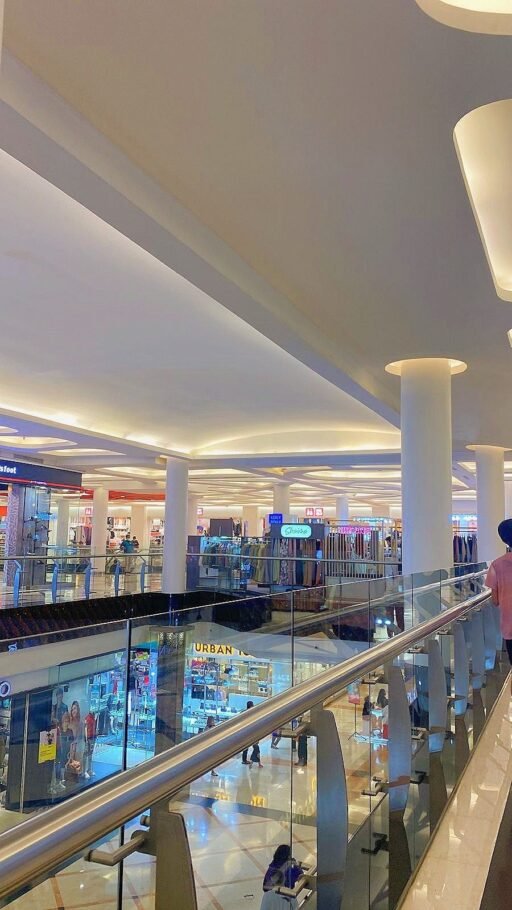
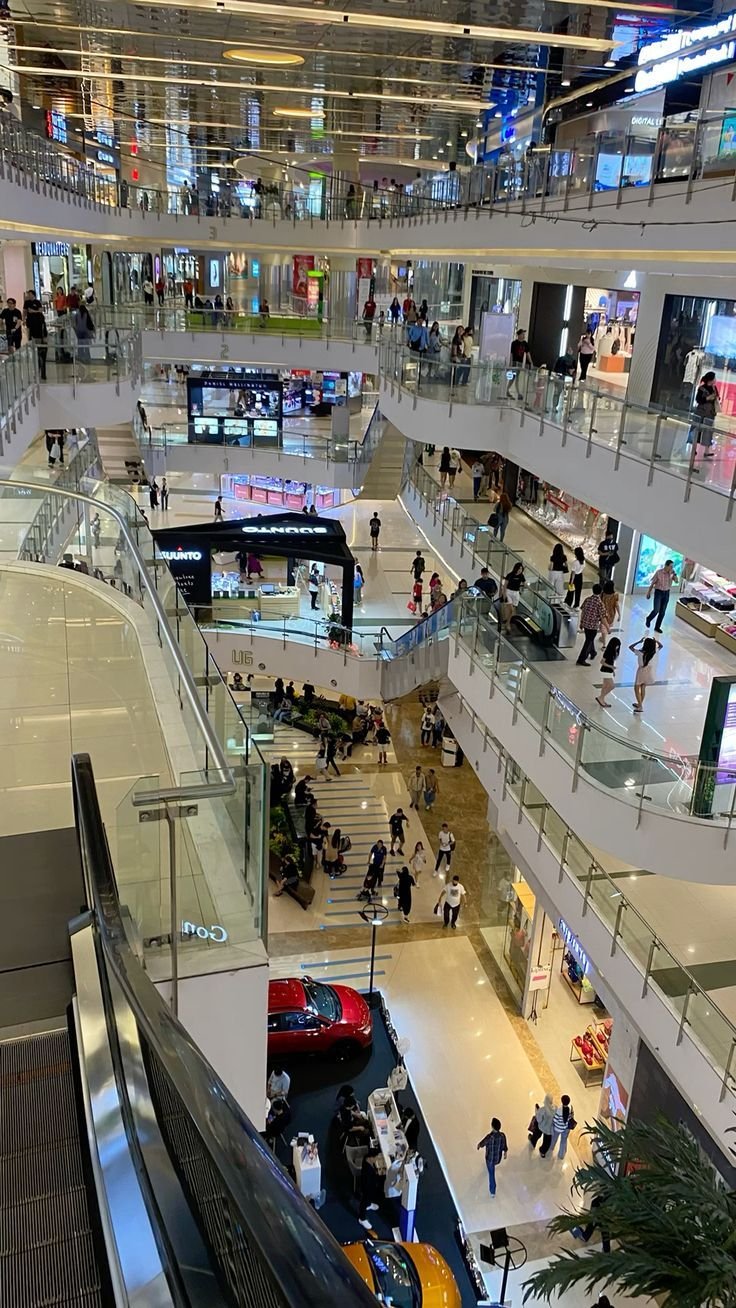
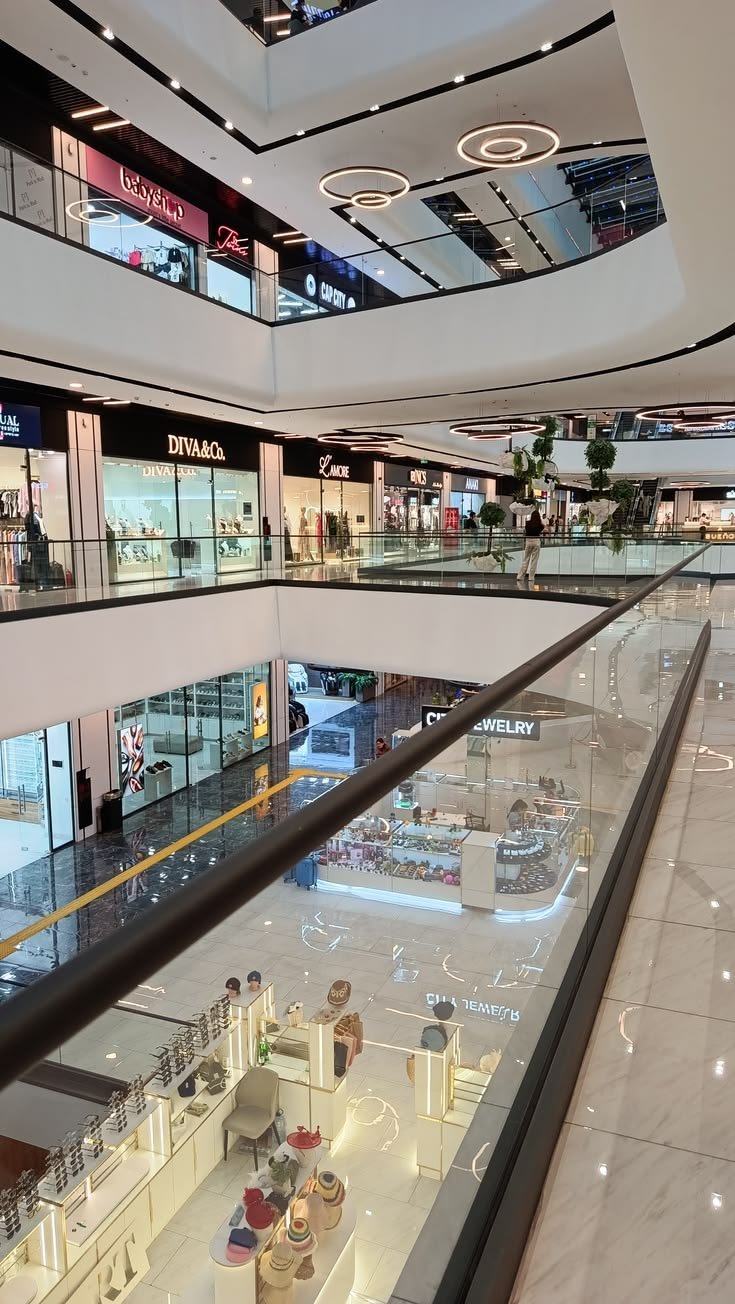
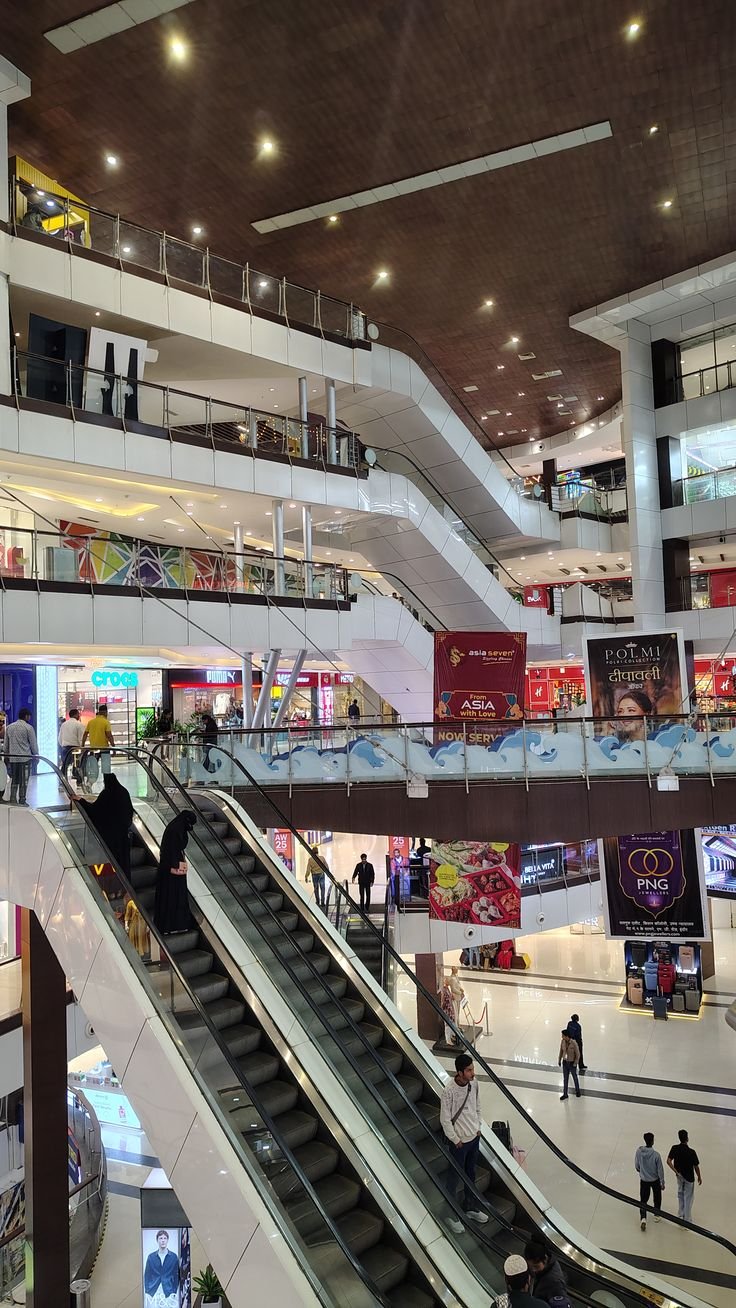
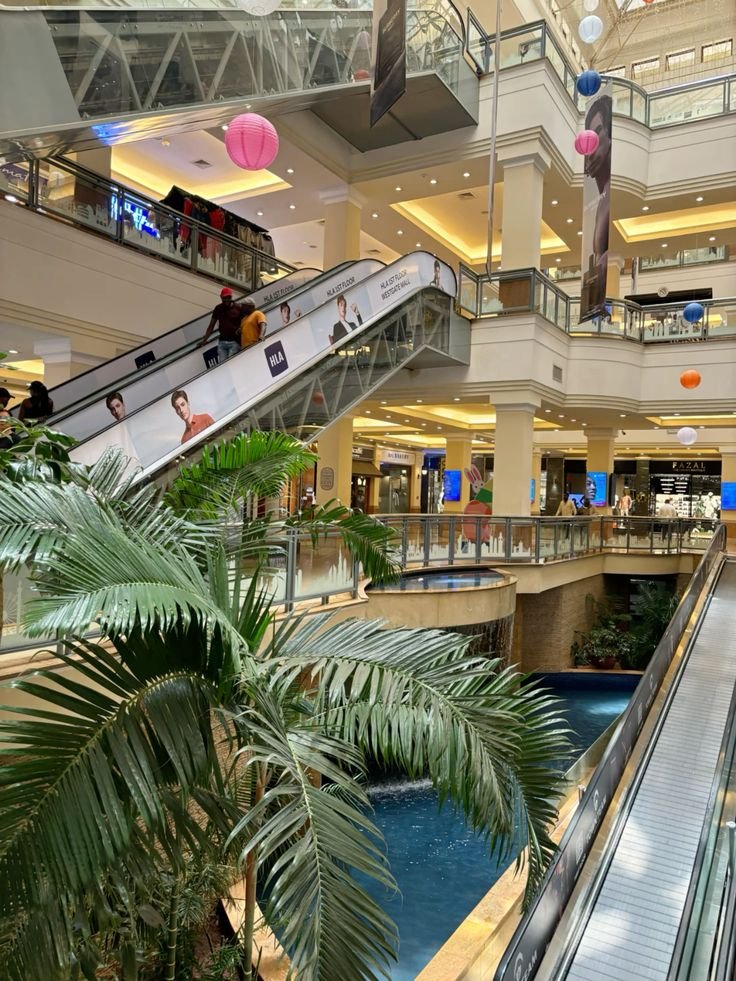
Mall construction companies Nairobi
- Description
Description
Mall Construction Companies Nairobi — The Complete Guide
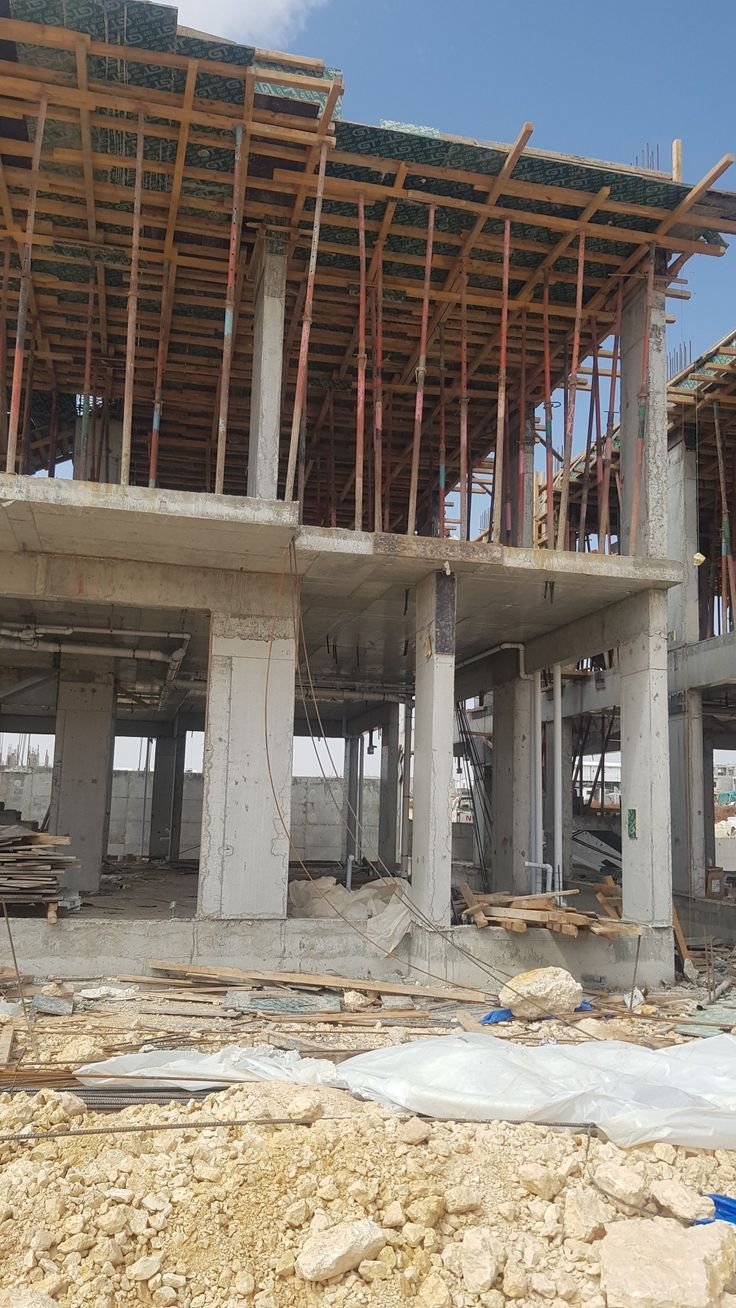
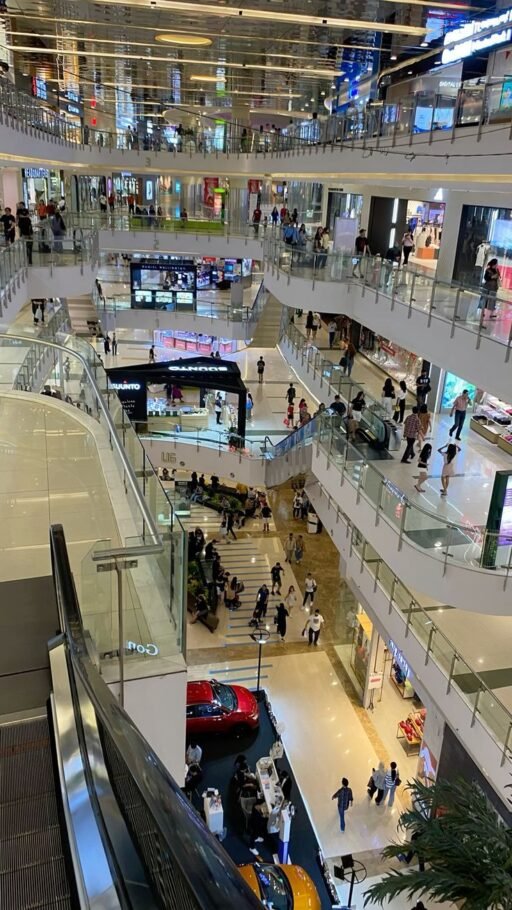
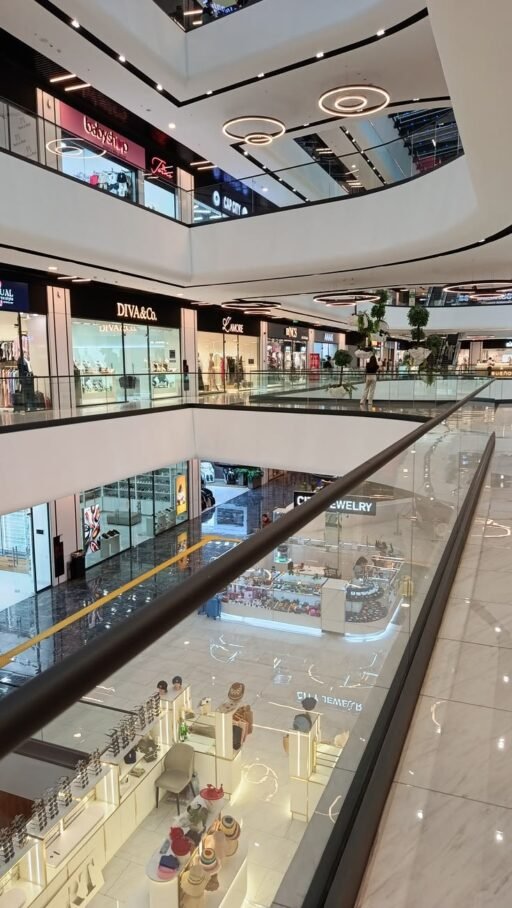
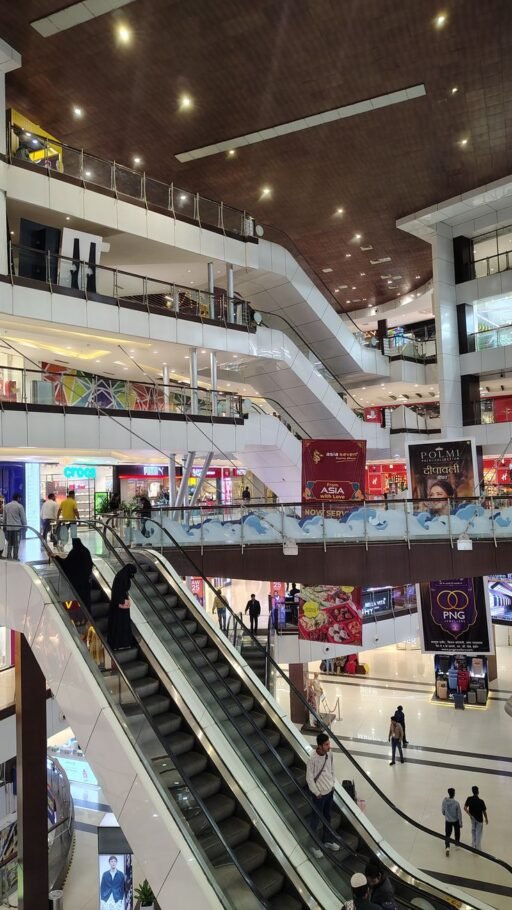
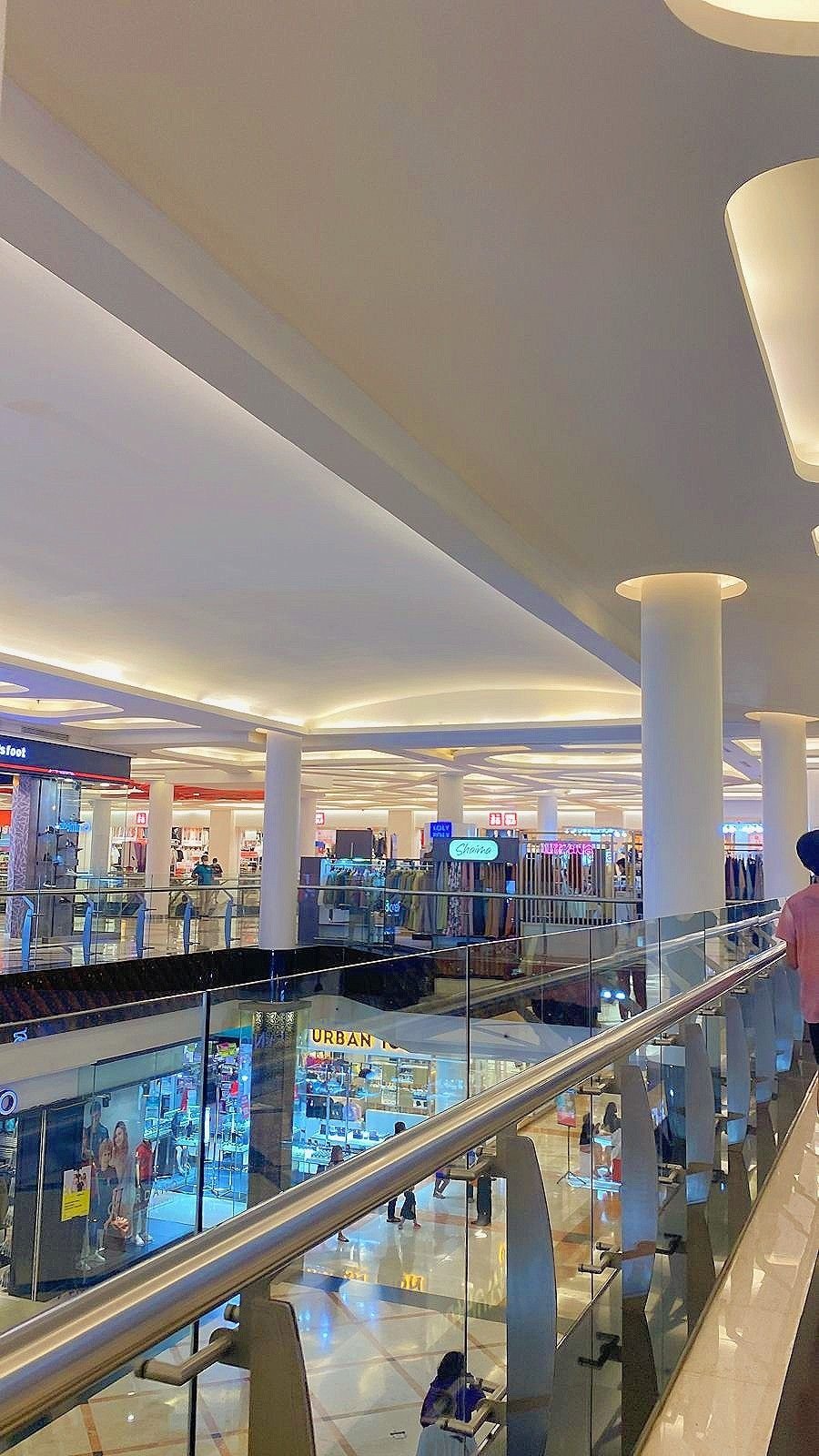
Mall construction companies in Nairobi operate in one of Kenya’s most commercially significant and most technically demanding sectors. Moreover, choosing the right company for your Nairobi mall project — whether you are building a new neighborhood shopping centre in Eastlands, a community mall in Kasarani, a premium destination retail development in Westlands, or a mixed-use retail and office complex along Thika Road — is the single most consequential decision in your entire development journey.
Furthermore, Nairobi’s mall construction market is more active and more competitive than at any point in the city’s history. According to Knight Frank’s latest Kenya market report, Kenya’s retail-property market is entering a different phase — moving away from huge regional malls toward neighborhood and community shopping centers and mixed-use developments. Moreover, more than 230,000 square feet of new lettable retail space entered the market recently, with much of the new supply concentrated in neighborhood and community centers. This pipeline of new Nairobi mall development means that mall construction companies are in high demand — and that choosing the wrong one carries enormous commercial and financial consequences.
Therefore, this complete guide covers everything you need to know about mall construction companies in Nairobi — the verified main contractors with genuine mall construction credentials, the interior design and fit-out specialists who complete the commercial picture, the evaluation framework every developer must apply, the red flags to watch for, and the role that Suimas plays as Nairobi’s leading mall interior design and fit-out partner.
💡 Nairobi Mall Construction Market Context: A KES 400 million mixed-use commercial complex is under construction along Manyanja Road in Eastlands — anchored by Quickmart supermarket, Rubis petrol station, and food and beverage outlets. The developer, MRE Real Estate, has five more projects in the pipeline across Kamakis, Kitengela, Syokimau, and Upperhill — demonstrating the scale and momentum of Nairobi’s current neighborhood mall construction boom.
At Suimas, we are Kenya’s #1 interior design and commercial fit-out company — crowned the Best Interior Design Company in Nairobi for three consecutive years. Furthermore, we work alongside Nairobi’s leading main contractors on mall projects — delivering the interior design and fit-out expertise that transforms a structurally complete mall shell into a thriving, beautifully designed retail destination.
Understanding the Nairobi Mall Construction Company Landscape
The single most important thing every Nairobi mall developer must understand before approaching any construction company is that mall construction requires a minimum of two specialist companies working in coordinated sequence — not one.
The two essential company types in every Nairobi mall project:
| Company Type | Role | When Engaged | What They Deliver |
|---|---|---|---|
| Main Contractor | Structural shell and core | From foundation to shell handover | Frame, slab, facade, MEP rough-in, car park |
| Interior Fit-Out Specialist | Common areas, food courts, retail units | Simultaneously from design stage | Design, fit-out, lighting, wayfinding, joinery |
Consequently, selecting excellent companies in both categories — and coordinating them from the earliest project stage — is what determines whether a Nairobi mall achieves its commercial potential. Furthermore, the most common and most expensive failure in Nairobi mall construction is engaging an interior fit-out specialist too late — resulting in structural decisions that are expensive or impossible to correct.
NCA Registration — The Non-Negotiable Starting Point
Every legitimate construction company operating in Nairobi must be registered with the National Construction Authority (NCA). Furthermore, the NCA Register of Companies — maintained as Kenya’s authoritative government registry of all registered contractors by category — is the starting point for verifying any mall construction company’s credentials.
The NCA register is publicly accessible and provides the most reliable independent verification of any Kenya construction company’s registration status, category, and compliance history.
NCA categories relevant to Nairobi mall construction:
| NCA Category | Project Value | Nairobi Mall Application |
|---|---|---|
| NCA 1 | Unlimited | Regional malls, super-regional malls, all large projects |
| NCA 2 | Up to KES 500 million | Community malls and larger neighborhood centres |
| NCA 3 | Up to KES 200 million | Neighborhood shopping centres |
| NCA 4 | Up to KES 100 million | Micro retail centres and fit-out works |
| NCA 5–8 | Below KES 100 million | Specialist subcontractor and fit-out work |
How to verify NCA registration for any Nairobi mall contractor:
- Access the NCA online portal at nca.go.ke
- Search by company name or registration number
- Verify the current category — registration must be current and at the correct level for your project value
- Check compliance status — any company with outstanding NCA compliance issues should be removed from consideration immediately
🚩 Red Flag: Any mall construction company in Nairobi that cannot immediately provide their NCA registration number and category for independent verification.
Nairobi’s Leading Main Contractors for Mall Construction
The following companies have verified mall or major commercial construction track records in Nairobi. Furthermore, each profile is based on independently researched, publicly available information — not self-promotional claims.
Seyani Brothers and Company
One of the most established construction firms in Nairobi, Seyani Brothers has delivered iconic projects such as the Two Rivers Mall, West End Towers, and various luxury residences. Furthermore, Two Rivers Mall — with 67,000 m² of gross lettable area — is among the largest shopping malls in sub-Saharan Africa outside South Africa, making Seyani Brothers’ mall construction credentials among the most verifiable of any Nairobi contractor.
Mall construction credentials:
- Construction of Two Rivers Mall — 67,000 m² GLA, Runda, Nairobi
- Decades of high-rise commercial construction across Nairobi
- Strong reputation for complex, large-scale commercial development
- Widely recognized among leading construction companies in Nairobi
NCA Category: 1 (unlimited project value)
Best for: Regional malls, major mixed-use retail developments, and large-scale commercial projects where verified mall construction experience is the primary requirement.
Landmark Holdings
Headquartered in Nairobi’s Industrial Area, Landmark Holdings specializes in a diverse range of construction endeavors, including high-rise commercial structures, multi-level basements, high-rise residential buildings, and shopping malls. Furthermore, Landmark Holdings was awarded the Construction Excellence Award and has delivered numerous building, infrastructure, and civil engineering projects across Kenya since its inception in 1999.
Mall construction credentials:
- Explicit specialization in shopping malls — not just general commercial construction
- Multi-level basement construction capability — critical for mall car park structures
- High-rise commercial expertise directly relevant to multi-storey mall structures
- Notable projects include the Kenya Civil Aviation Authority headquarters, Riverine Estate, and JKUAT Tower
NCA Category: 1
Best for: Community and regional malls where shopping mall specialization is explicitly required, and multi-level basement car park construction is part of the scope.
Epco Builders Limited
Headquartered in the Industrial Area of Nairobi, Epco Builders Limited is one of the largest construction companies in Kenya. Furthermore, Epco Builders, whose annual turnover is about KES 5 billion, has delivered some of the most prestigious developments in the country, including CIC Plaza in Nairobi and the Moi University Pension Scheme Tower in Eldoret. The company is registered in the NCA 1 category by the National Construction Authority and can handle developments valued at over KES 10 billion.
Mall construction credentials:
- KES 5 billion annual turnover demonstrating exceptional financial capacity
- NCA Category 1 — unlimited project value capability
- 40+ years of Kenya construction experience
- Headquarters at Kuguru Road, Off Enterprise Road, Industrial Area, Nairobi
- Contact: +254-20-6532696
Best for: Large community malls, regional malls, and any Nairobi mall project requiring the highest financial capacity and the deepest institutional construction experience.
Cementers Limited
With 46 years of experience, Cementers Limited is a cornerstone of the Kenyan construction industry. Furthermore, Cementers has undertaken top projects in Kenya, including Mihrab Towers, the Two Rivers Development, and JKIA airport roadwork in Nairobi. The company was founded in 1975 by Kurji V. Patel and Laxman M. Arjan and has since become one of Kenya’s most reliable commercial construction companies.
Mall construction credentials:
- Involvement in Two Rivers Mall Development — directly relevant mall construction experience
- 46 years of Kenya construction experience — one of the longest track records
- Strong subcontractor and supplier network across Nairobi and Kenya
- Subsidiary operations in Uganda — East Africa regional capability
Best for: Large-scale Nairobi mall projects where long-standing financial stability, established subcontractor networks, and proven commercial construction track records are the priority requirements.
Laxmanbhai Construction Ltd
With over 50 years of experience, Laxmanbhai is among Kenya’s most established construction companies. Furthermore, Laxmanbhai puts innovation at the core of its operations and has built landmark projects that define Kenya’s luxury construction standard — including the Villa Rosa Kempinski, the most recognizable landmark in Westlands.
Mall construction credentials:
- Premium commercial and hospitality construction capability
- Villa Rosa Kempinski and other luxury commercial Nairobi projects
- International footprint extending to UK and India — bringing global construction standards
- Registered Category A contractor under the Ministry of Roads and Public Works
Best for: Premium and luxury Nairobi mall developments where international construction standards, premium material capability, and high-end commercial execution are the primary requirements.
Intex Construction
Established in 1982, Intex Construction is one of the top contractors in Kenya. Furthermore, Intex prides itself on delivering numerous construction, civil engineering, and real estate projects — including more than 3.7 million square feet of completed real estate projects across Kenya and Uganda.
Mall construction credentials:
- 3.7 million square feet of real estate projects delivered
- 40+ years of Kenya construction experience
- Civil engineering capability supporting complex mall infrastructure
- Regional East Africa presence
Best for: Community and neighborhood mall projects in Nairobi and regional Kenya where extensive real estate delivery experience and civil engineering infrastructure capability are required alongside building construction.
Nyoro Construction Company (NCC)
Nyoro Construction Company holds Category A contractor status — the highest government accreditation — allowing it to undertake projects valued at over KES 1 billion. Furthermore, NCC provides construction, engineering supplies, property development, and project management services across Kenya.
Mall construction credentials:
- Government Category A contractor — unlimited project value accreditation
- Project development capability alongside pure construction delivery
- Engineering supplies network supporting complex mall material requirements
Best for: Nairobi neighborhood and community mall projects where the developer also requires project development advisory services alongside construction delivery.
Nairobi Mall Construction — Active Development Pipeline
Understanding Nairobi’s current mall construction pipeline helps developers, retailers, and investors understand where construction companies are currently focused — and where demand for both main contractor and interior fit-out services is concentrated.
Active Nairobi mall construction projects:
Eastlands — Manyanja Road Mixed-Use Mall Developer: MRE Real Estate. A KES 400 million three-storey mixed-use commercial complex anchored by Quickmart supermarket, Rubis petrol station, Goodlife pharmacy, food and beverage outlets, and flexible SME retail spaces. Eighty per cent pre-leased before construction completion. This project exemplifies the neighborhood mall model that is defining Nairobi’s current retail construction boom.
Upcoming MRE Real Estate Pipeline Five additional projects planned across Kamakis (Eastern Bypass), Kitengela, Syokimau, and Upperhill — demonstrating the scale of Nairobi’s neighborhood mall construction momentum. Each of these projects will require both a qualified main contractor and an experienced interior design fit-out specialist.
Global Trade Centre (GTC) — Westlands A completed KES 40 billion mixed-use development including a 4-storey boutique mall and 3-storey retail within the GTC Office Tower. Architects: Julius Talaam and Sujesh Patel. This landmark development demonstrates the scale of Nairobi’s mixed-use retail ambition at the premium end of the market.
Nairobi Mall Market Trend According to Knight Frank, the market is shifting toward neighborhood and community shopping centers and mixed-use developments, with less emphasis on very large malls. Furthermore, established malls are adding entertainment, leisure, events, and food offerings to encourage visitors to spend more time — creating renovation and fit-out work alongside new construction.
What Makes a Company Genuinely Qualified for Nairobi Mall Construction
This is the evaluation framework no competitor article provides. Furthermore, verifying NCA registration is necessary but not sufficient — genuine mall construction qualification requires evidence across eight specific criteria.
Criterion 1 — Verified Nairobi Mall or Major Retail Construction Experience
The most important qualification for any Nairobi mall construction company is a verified track record of completed mall or major retail projects in Kenya — not just general commercial construction. Furthermore, mall construction experience in Nairobi is fundamentally different from office or residential construction because of the specific structural, MEP, and coordination requirements of large-span retail spaces.
What to verify:
- Names of specific Nairobi mall or major retail projects completed — Two Rivers, Garden City, The Hub Karen, GTC boutique mall, Signature Mall
- Project values and gross lettable areas delivered
- Client and architect references you can contact directly
- Timeline adherence — were projects completed on agreed schedules?
- Post-completion defect history — were defects addressed promptly and professionally?
🚩 Red Flag: Any company claiming mall construction experience in Nairobi that cannot name specific completed mall projects with verifiable client references and architect contacts.
Criterion 2 — Large-Span Structural Capability
Mall retail spaces require column-free spans of 15–25 metres — significantly larger than any residential or standard office building. Furthermore, achieving these spans in Nairobi requires specific structural engineering expertise in post-tensioned slabs, transfer structures, and long-span beam design.
Structural capability indicators:
- Evidence of completed column-free retail floor plates
- In-house structural engineering expertise or established structural engineering partnerships
- Experience with post-tensioned concrete slab construction
- Escalator and lift pit structural experience — critical for multi-storey Nairobi malls
- Heavy equipment foundation experience — cinema projection loads, food court equipment
Criterion 3 — MEP System Capability for Retail Environments
Mall MEP systems are the most complex of any building type in Nairobi’s construction market. Furthermore, a main contractor must demonstrate specific capability to coordinate complex retail MEP systems across the entire mall — not just connect basic residential services.
Mall-specific MEP requirements in Nairobi:
- Central HVAC with zone control — tenant metering and central plant
- High-voltage electrical with tenant distribution boards
- Fire suppression — sprinklers, detection, alarm, and evacuation systems
- Emergency power — generators and UPS systems sized for mall loads
- Escalator and lift infrastructure — structural, electrical, and safety systems
- BMS integration — smart building management across all MEP systems
- Tenant MEP stub-outs — coordinated stub-outs for every retail unit
Criterion 4 — Nairobi Site and Logistics Experience
Construction in Nairobi presents specific site challenges that companies working primarily in other regions may not be adequately prepared for. Furthermore, Nairobi-specific construction experience is important for managing these challenges efficiently.
Nairobi-specific construction challenges:
- Traffic management — particularly critical in dense commercial areas like Westlands, Upperhill, and CBD
- Nairobi City County approval processes — understanding specific local approval requirements
- Nairobi infrastructure connections — water, sewer, and electricity connection processes
- Nairobi subcontractor and supplier networks — accessing the best Nairobi-based specialists and materials
- Black cotton soil management — particularly relevant in some Nairobi expansion corridors
Criterion 5 — Financial Capacity and Performance Bonding
Nairobi mall construction projects involve significant upfront mobilization costs and require contractors to manage large procurement budgets simultaneously. Furthermore, a contractor’s financial capacity must match the project scale — and must be independently verifiable.
Financial capacity verification for Nairobi mall contractors:
- Audited financial statements for the past three years — requested and reviewed before contract award
- Bank credit reference from the contractor’s primary Nairobi bank
- Performance bond capability — typically 10% of contract value
- Advance payment bond — if mobilization advance is required
- Professional indemnity and contractor’s all-risk insurance — verified and current
Criterion 6 — Project Management System and Digital Capability
Nairobi’s most sophisticated mall developers now expect construction companies to demonstrate professional project management systems — not just experienced site managers. Furthermore, digital project management capability enables the transparency and accountability that complex mall projects require.
Project management capability indicators:
- Dedicated project manager assignment — named individual, not just a company promise
- Programme management software — Microsoft Project, Primavera, or equivalent
- Regular site report format — photographic evidence, programme update, cost report
- BIM (Building Information Modelling) capability — increasingly required for larger Nairobi mall projects
- Health and safety management system — OSHA-compliant, documented, and auditable
Criterion 7 — Tenant Coordination Experience
A Nairobi mall under construction must coordinate with anchor tenants and major retailers who have specific technical requirements — and whose fit-out programmes must interface seamlessly with main construction. Furthermore, managing tenant coordination without disrupting main construction progress requires specific experience that many general contractors lack.
Tenant coordination requirements:
- Anchor tenant technical briefs — Naivas, Carrefour, Quickmart, and other major Kenya supermarket chain requirements
- Tenant MEP stub-out coordination — service connection positions specific to each tenant’s layout
- Fit-out interface management — managing the boundary between main contractor and tenant fit-out
- Staggered handover scheduling — enabling early fit-out while main construction continues
Criterion 8 — Post-Construction Support and Defects Liability
The post-construction defects liability period is one of the most important client protections in any Nairobi mall construction contract. Furthermore, a contractor’s responsiveness during the defects liability period is one of the clearest indicators of their genuine commitment to quality — and their confidence in their own workmanship.
Defects liability requirements for Nairobi malls:
- Minimum 12-month defects liability period — standard for commercial construction in Kenya
- Dedicated defects response team maintained after practical completion
- Performance bond retained until end of defects liability period
- Documented defect recording and resolution tracking system
- Final account settlement only after satisfactory defects clearance and confirmation
The Interior Fit-Out Company — The Essential Second Partner in Every Nairobi Mall Project
This section is absent from every competitor article about mall construction companies in Nairobi — and it covers the most commercially consequential decision in any mall development after selecting the main contractor.
Furthermore, the interior fit-out company determines what shoppers actually experience — and is therefore the company that most directly drives rental rates, tenant quality, occupancy, footfall, and long-term asset value.
What a professional Nairobi mall interior fit-out company delivers:
| Zone | Service | What It Creates |
|---|---|---|
| Entrance and arrival | Design + full fit-out | The first impression every shopper receives |
| Atrium and circulation | Design + full fit-out | The social heart of the mall |
| Food court | Design + full fit-out | The primary footfall driver |
| Retail units | Design + fit-out | Where tenant sales are generated |
| Anchor tenant interiors | Coordination + fit-out | The engines that drive mall footfall |
| Toilet facilities | Design + full fit-out | The shopper satisfaction differentiator |
| Wayfinding and signage | Design + installation | The navigation system every shopper uses |
| Lighting design | Design + installation | The atmosphere that defines the mall’s character |
Why the Interior Fit-Out Company Must Be Engaged at the Same Time as the Main Contractor
This is the guidance that costs Nairobi mall developers the most money when they ignore it. Furthermore, engaging the interior fit-out company after the structural shell is complete is one of the most expensive and most avoidable mistakes in Nairobi mall development.
Structural decisions that require interior fit-out input — before construction begins:
Slab penetrations for interior ceiling features Interior ceiling design requires specific slab penetrations for lighting drops, mechanical ductwork, and drainage. Furthermore, these penetrations must be formed in the structural slab during construction — not cored out afterwards at significant additional cost.
Electrical supply capacity for premium lighting Premium interior lighting design — particularly for food courts, atriums, and feature circulation areas — requires significantly higher electrical supply capacity than standard construction assumptions provide. Moreover, the interior fit-out company must specify electrical supply requirements to the MEP engineer during the main construction phase.
Acoustic treatment coordination Food court acoustic ceiling design — which requires ceiling-level sound-absorbing panels — must be coordinated with the structural ceiling grid during construction. Furthermore, retrospective acoustic installation adds 25–40% to the cost of integrated construction-stage acoustic design.
Natural light integration Interior design that maximizes natural light — through atrium skylights, clerestory windows, and glazed facades — requires structural coordination that must happen at the design stage. Moreover, changing window or skylight positions after structure is complete requires expensive structural remediation.
💡 Suimas Construction-Stage Integration Suimas reviews architectural and structural drawings during the main construction phase — specifying every interior design requirement that must be incorporated during construction before it becomes an expensive post-completion correction. This service is offered free of charge to developers who engage Suimas as their mall interior fit-out partner. Contact us to discuss →
How to Select Mall Construction Companies in Nairobi — Step-by-Step Guide
Step 1 — Define Your Project Scope Precisely Define your mall type, GLA, GFA, structural specification level, car park type, and delivery model — shell-and-core or full fit-out — before approaching any construction company. Furthermore, a precise scope document enables accurate, comparable contractor proposals.
Step 2 — Verify NCA Registration Verify every shortlisted company’s current NCA registration status independently through the NCA portal before issuing any tender. Furthermore, NCA Category 1 is required for projects above KES 500 million — verify that the contractor’s registration matches your project value.
Step 3 — Pre-Qualify Against Mall-Specific Criteria Apply the eight evaluation criteria from this guide as pre-qualification filters before issuing tender documents. Furthermore, any company that cannot demonstrate verified Nairobi mall construction experience, adequate financial capacity, and professional project management capability should not receive a tender invitation regardless of company size or general reputation.
Step 4 — Issue Comprehensive Tender Documents Issue tender documents only to pre-qualified contractors. Furthermore, Nairobi mall construction tenders must include complete architectural, structural, and MEP drawings — not outline specifications — to enable accurate, comparable pricing.
Step 5 — Evaluate Tenders Using a Weighted Scoring System
| Criterion | Weighting |
|---|---|
| Verified Nairobi mall construction experience | 25% |
| Technical construction methodology | 20% |
| Programme and project management approach | 20% |
| Price competitiveness | 20% |
| Financial capacity and bonding | 10% |
| Health and safety management | 5% |
Step 6 — Conduct Reference Checks Contact client references from completed Nairobi mall projects directly. Furthermore, ask specifically about on-time and on-budget delivery, quality of MEP coordination, tenant interface management, and defects liability period responsiveness.
Step 7 — Appoint Interior Fit-Out Company Simultaneously Appoint your interior design and fit-out company at the same time as your main contractor — not after construction is complete. Furthermore, coordinate both companies from project commencement through monthly progress meetings that both attend.
Questions to Ask Mall Construction Companies in Nairobi
Ask every shortlisted company these specific questions before making any appointment:
- Which specific Nairobi mall or major retail projects have you completed — with verifiable client references?
- What is your current NCA registration category — and can you provide your registration number for independent verification?
- What is your specific approach to managing large-span, column-free retail floor plate construction?
- How do you coordinate complex mall MEP systems — HVAC, electrical distribution, fire suppression, and BMS?
- What is your specific approach to tenant coordination during construction?
- Who will be the named project manager for our Nairobi mall project?
- What is your performance bond capacity — and can you provide a bank reference confirming financial capacity for this project value?
- How do you manage quality control and site inspection throughout the construction programme?
- What is your defects liability approach — how do you resource the defects period after practical completion?
- Have you worked on Nairobi mall projects with a specialist interior fit-out company — and how did you manage that interface?
Red Flags — Mall Construction Companies in Nairobi to Avoid
Cannot name specific completed Nairobi mall projects — general commercial experience claimed as mall experience
NCA category does not match project value — registered at NCA 3 but tendering for a KES 500M project
Inadequate financial capacity — annual turnover significantly below contract value
No dedicated project manager named — senior staff win the work, junior teams deliver it
No professional programme management — no credible programme produced at tender stage
No performance bond capability — cannot provide financial security for the contract
Resistance to client-side site representative — contractors who object to resident engineer appointment
Opaque subcontractor arrangements — no transparency about which MEP and specialist work is subcontracted
Front-loaded payment schedule — requesting payment significantly ahead of completed work
No tenant coordination experience — cannot describe how they manage anchor tenant interface
No post-construction defect protocol — no formal system for managing the defects liability period
Claiming interior fit-out expertise — main structural contractors rarely deliver premium mall interior fit-out
Why Suimas Is Nairobi’s Leading Mall Interior Design and Fit-Out Company
Suimas has been delivering Nairobi’s most successful commercial interior design and fit-out projects for over 18 years. Furthermore, our complete in-house capability — concept design, 3D visualization, bespoke fabrication, premium material sourcing, and full project management — makes us the ideal interior fit-out partner alongside every Nairobi main contractor.
What Suimas delivers for every Nairobi mall project:
✅ 18+ years of Nairobi commercial interior design and fit-out experience ✅ Kenya’s #1 rated interior design company — three consecutive years ✅ Construction-stage integration — coordinating with main contractors from structural phase ✅ Common area design and fit-out — entrance, atrium, and circulation zones ✅ Food court design and fit-out — the highest-return single mall investment ✅ Retail unit fit-out — all retail categories at any specification level ✅ Anchor tenant design coordination — supermarkets, cinemas, entertainment ✅ Wayfinding and signage design — complete navigation systems ✅ Mall lighting design — three-layer system across all zones ✅ Photorealistic 3D renders — see every zone before work begins ✅ Fully itemized quotations — zero hidden costs guaranteed ✅ Free consultation — for every Nairobi mall developer and retailer ✅ All 47 counties served with full professional project management ✅ Formal warranty on all workmanship and installations
Our Complete Nairobi Mall Interior Design Services
- Commercial Interior Design — common areas, retail zones, and food courts
- Hotel & Hospitality Interior Design — food court and restaurant fit-outs
- Office Interior Design & Fit-Outs — mixed-use office components
- 3D Interior Design Renders — photorealistic mall zone visualization
- Gypsum Ceilings & Integrated Lighting — mall-wide ceiling and lighting design
- Floor Installation Services — premium flooring for all mall zones
- Kitchen Cabinets, Wardrobes & Joinery — food court and retail unit joinery
- Reception Desk and Area Design — information counters and service points
- Aluminium & Glass Partitions — retail storefronts and partition systems
- Bathroom Interior Designs — premium mall toilet facilities
- Renovation Services — existing mall renovation and repositioning
📞 Planning a Nairobi Mall? Engage Suimas From Day One
The most expensive mistake any Nairobi mall developer makes is leaving the interior fit-out company out of the earliest project planning conversations. Furthermore, Suimas has been delivering Nairobi’s finest mall interior design and fit-out projects for over 18 years — working alongside every major Nairobi main contractor on projects across the city and all 47 counties.
Engage Suimas for your Nairobi mall project in 5 steps:
Step 1 — Call 0717 044 443 or 0739 255 050 Step 2 — Book your FREE mall interior design consultation — at your development site or our Nairobi studio Step 3 — Receive full photorealistic 3D renders of every mall zone for your approval Step 4 — Coordinate Suimas alongside your main contractor from the structural construction phase Step 5 — Open a beautifully designed Nairobi mall that tenants want to lease and shoppers want to visit
📧 info@suimas.co.ke | info@interiordesigners.co.ke 📍 Hemak Plaza, Keekorok Road, Nairobi CBD 🌐 suimas.co.ke | interiordesigners.co.ke
👉 Book Your FREE Nairobi Mall Interior Design Consultation Today
Nairobi Areas We Serve for Mall Interior Design
We deliver mall interior design and fit-out services across all major Nairobi locations including Westlands, Karen, Kilimani, Lavington, Runda, Gigiri, Parklands, Kasarani, Ruaka, Ruiru, Thika Road, Syokimau, Athi River, Langata, Embakasi, Upperhill, Eastlands, Mombasa Road corridor, and the entire Nairobi CBD.
Our Services Across All 47 Counties
Moreover, we deliver mall interior design and fit-out services throughout all 47 counties in Kenya: Mombasa, Kwale, Kilifi, Tana River, Lamu, Taita-Taveta, Garissa, Wajir, Mandera, Marsabit, Isiolo, Meru, Tharaka-Nithi, Embu, Kitui, Machakos, Makueni, Nyandarua, Nyeri, Kirinyaga, Murang’a, Kiambu, Turkana, West Pokot, Samburu, Trans Nzoia, Uasin Gishu, Elgeyo-Marakwet, Nandi, Baringo, Laikipia, Nakuru, Narok, Kajiado, Kericho, Bomet, Kakamega, Vihiga, Bungoma, Busia, Siaya, Kisumu, Homa Bay, Migori, Kisii, Nyamira, and Nairobi.
Frequently Asked Questions
Which are the best mall construction companies in Nairobi? Nairobi’s leading verified mall construction companies include Seyani Brothers (built Two Rivers Mall), Landmark Holdings (explicit shopping mall specialization), Epco Builders (NCA Category 1, KES 5B annual turnover), Cementers Limited (involved in Two Rivers Development, 46 years experience), Laxmanbhai Construction (50+ years, Villa Rosa Kempinski), and Intex Construction (3.7M sqft real estate delivered). All must be NCA-registered at the appropriate category for your project value.
How do I verify if a mall construction company in Nairobi is NCA registered? Access the NCA online portal at nca.go.ke and search by company name or registration number. Furthermore, the NCA Register of Companies is the authoritative government registry of all registered Kenya contractors — always verify registration independently before engaging any mall construction company.
Do I need both a main contractor and an interior fit-out company for a Nairobi mall? Yes — always. The main contractor builds the structural shell, MEP rough-in, and car park. The interior fit-out company designs and delivers everything shoppers and tenants experience — common areas, food courts, retail units, lighting, wayfinding, and toilets. Both must be engaged simultaneously from the earliest project stage.
When should I engage a mall interior fit-out company in Nairobi? Immediately — at the same time as your architect and main contractor. Early engagement ensures structural decisions incorporate interior design requirements during construction, saving 25–40% of the cost of making these changes after the structure is complete.
What is Nairobi’s current mall construction market doing? Nairobi’s mall construction market is active and shifting toward neighborhood and community malls. According to Knight Frank, more than 230,000 square feet of new lettable retail space has recently entered the market, with much of it in neighborhood and community centers. MRE Real Estate alone has six mall projects across Eastlands, Kamakis, Kitengela, Syokimau, and Upperhill.
Does Suimas work on mall projects outside Nairobi? Absolutely. Suimas delivers mall interior design and fit-out across all 47 counties — from Mombasa and Kisumu to Nakuru, Eldoret, and every major Kenya regional centre.