- Call Us: 0717044443 / 0739255050 / 0725021709
- Email: info@suimas.co.ke / info@interiordesigners.co.ke




- Description
Description
Latest Gypsum Ceiling Designs
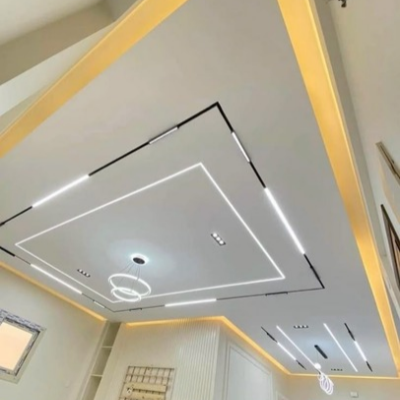
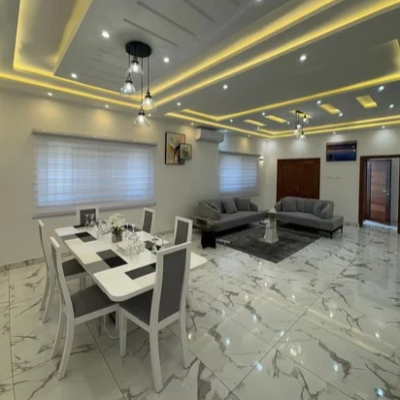
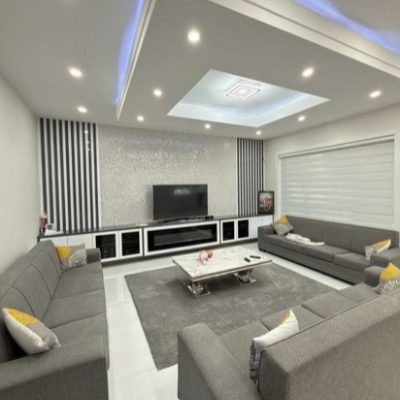
Latest gypsum ceiling designs can transform a living room, bedroom, kitchen, office or commercial space into a more attractive and comfortable environment. In Kenya, homeowners are increasingly choosing clean ceiling lines, recessed panels, layered designs, concealed LED lighting and simple geometric patterns that complement modern interior finishes.
However, the best gypsum ceiling design is not necessarily the most complicated one. The right choice depends on your room size, ceiling height, lighting needs, interior style and budget. A simple design can look elegant in a small apartment, while a larger living room may accommodate a tray ceiling or a multi-level feature.
At SUIMAS Interior Designers, we help clients plan gypsum ceiling designs that complement their spaces, coordinate with other interior finishes and meet their project requirements. Whether you are finishing a new house, renovating an existing home or upgrading an office, proper planning helps you achieve a neat and practical result.
What We Offer
We provide gypsum ceiling design and interior finishing services for residential and commercial properties.
- Gypsum Ceiling Designs: Explore ceiling design options for living rooms, bedrooms, offices and other interior spaces.
- Gypsum Ceiling Installation Services: Plan the supply and installation of a gypsum ceiling based on your selected design.
- 3D Designs and Layout Planning: Review your proposed interior layout before installation begins.
- Custom ceiling layouts that coordinate with lighting, furniture placement and wall finishes.
- Ceiling finishing as part of a wider home or commercial interior design project.
Why Choose SUIMAS Interior Designers?
A good ceiling should do more than cover the roof slab. It should improve the appearance of the room while supporting practical lighting and creating a balanced interior.
We consider the size and shape of each room, the available ceiling height, the position of lighting points and the client’s preferred finish. This approach helps avoid designs that look attractive in photographs but feel too busy or unsuitable in the actual space.
We can also coordinate the ceiling with painting, flooring, wall finishes, partitions and other interior elements. For larger projects, planning these features together helps create a more consistent result.
Latest Gypsum Ceiling Designs in Kenya
The following designs offer different ways to achieve a contemporary ceiling. Some suit compact rooms and modest budgets, while others work better in spacious living rooms, premium homes and commercial interiors.
1. Simple Modern Gypsum Ceiling Designs
Simple gypsum ceiling designs remain a practical choice for homeowners who prefer a neat, uncluttered finish. They usually feature a flat ceiling with a clean border, a single recessed section or a modest perimeter drop.
This design works well in bedrooms, small living rooms, apartments, rental properties and spaces where you want a modern appearance without too many decorative details.
You can complement a simple ceiling with recessed LED downlights, a central pendant light or a narrow concealed lighting channel. The aim is to keep the ceiling balanced rather than adding unnecessary shapes.
Best for: Small and medium-sized rooms, minimalist interiors and projects with a controlled budget.
2. Layered Gypsum Ceiling Designs
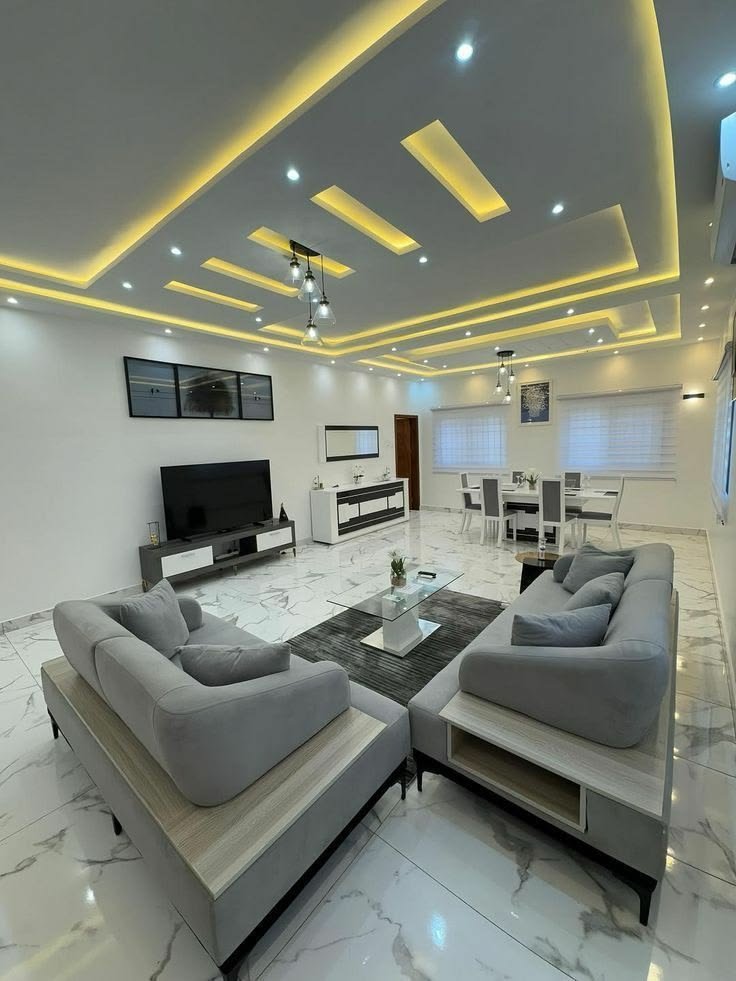
Layered gypsum ceilings use two or more levels to create depth. The design may include a raised centre, a dropped border or several coordinated sections.
In a spacious living room, the layers can help define the main seating area. In an open-plan home, a ceiling feature can also distinguish the lounge from the dining area without adding a physical partition.
Keep the number of levels in proportion to the room. Too many layers can make a low ceiling feel crowded and may increase installation costs.
Best for: Spacious living rooms, dining areas, master bedrooms and selected commercial interiors.
3. Tray Gypsum Ceiling Designs
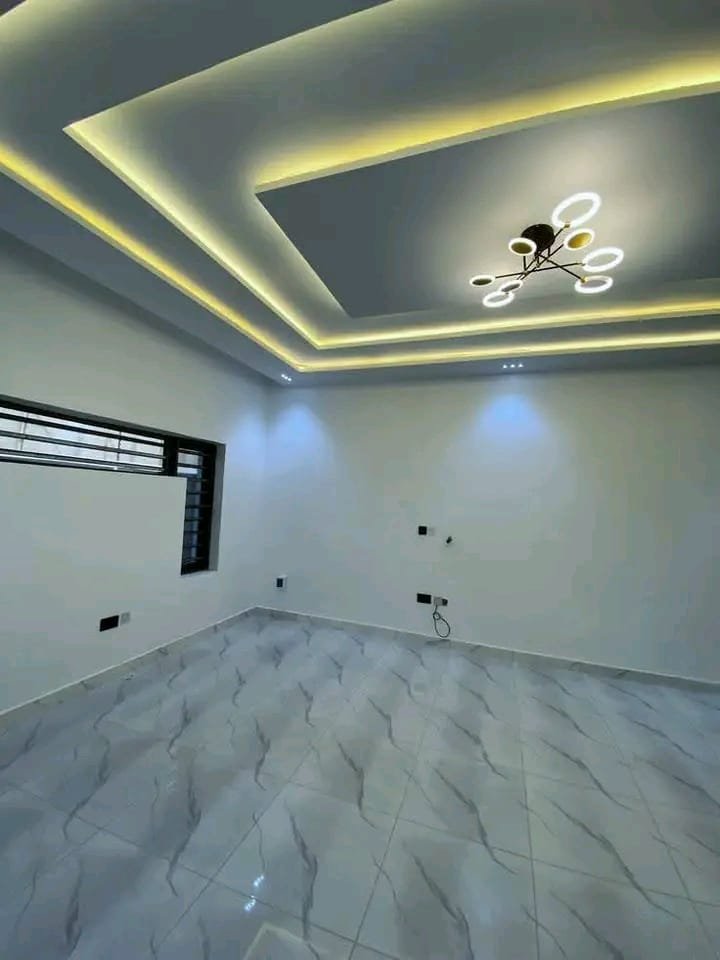
A tray ceiling features a central recessed or raised-looking panel surrounded by a defined border. The rectangular shape is particularly popular because it follows the lines of many living rooms and bedrooms.
You can add concealed LED lighting around the inner edge to create a soft glow. Alternatively, use a central pendant or chandelier as the main feature.
Tray ceilings work best when the central panel aligns with the furniture layout. In a bedroom, for example, the design can frame the bed area. In a living room, it can follow the main seating arrangement.
Best for: Living rooms, master bedrooms, dining rooms and larger sitting areas.
4. Gypsum Ceilings with Concealed LED Cove Lighting
Cove lighting places LED strips inside a recessed section so that the light reflects off the ceiling or nearby surface. This creates softer ambient lighting than a room illuminated only by exposed bulbs.
The lighting channel can follow a rectangular border, a curved feature or a layered ceiling. Warm white lighting often suits living rooms and bedrooms, while the appropriate brightness and colour temperature for an office depend on its activities.
Plan the LED strips, drivers and access points before closing the ceiling. This makes future maintenance easier and reduces the risk of having to damage finished boards to reach electrical components.
Best for: Living rooms, bedrooms, lounges, hotels and selected reception areas.
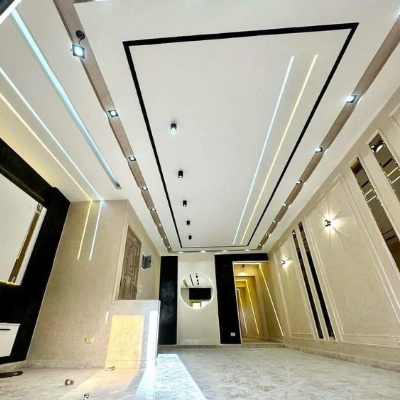
5. Floating Gypsum Ceiling Designs
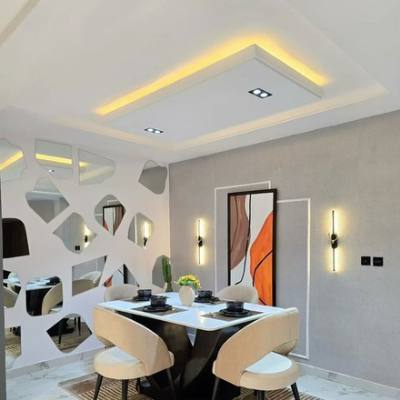
A floating ceiling creates the visual impression that a central panel is separated from the surrounding ceiling. A recessed lighting gap or concealed LED strip can strengthen the effect.
The design creates a modern focal point without requiring elaborate decoration. However, the installation needs careful detailing so that the gaps remain consistent and the lighting does not reveal uneven edges.
Floating designs can be rectangular, square or adapted to a room’s layout.
Best for: Modern homes, feature living rooms, reception spaces and contemporary apartments.
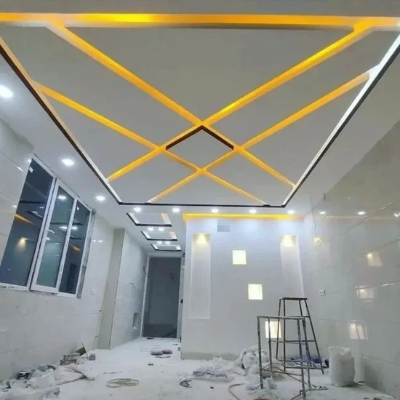
6. Geometric Gypsum Ceiling Designs
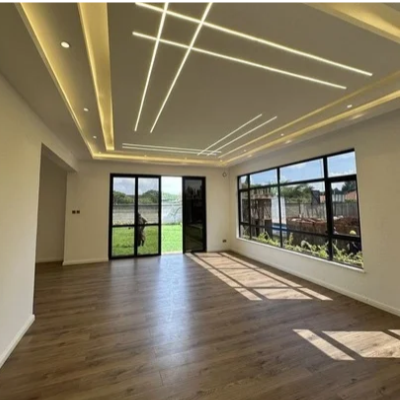
Geometric ceilings use shapes such as rectangles, squares, circles and angled lines to create a distinctive pattern. Some designs combine a central geometric feature with simpler perimeter details.
A well-planned geometric ceiling can complement modern furniture and clean wall finishes. Nevertheless, the pattern should relate to the proportions of the room rather than compete with other decorative features.
For a small room, a single rectangular or square feature may be sufficient. Larger spaces can accommodate more detailed layouts when the ceiling height allows.
Best for: Contemporary living rooms, dining areas, offices and selected commercial spaces.
7. Coffered Gypsum Ceiling Designs
Coffered ceilings use a grid of recessed or framed panels. The repeated pattern adds structure and creates a more formal appearance.
Rectangular coffers can work well in large sitting rooms, boardrooms, dining rooms and hospitality interiors. Their layout should follow the room’s dimensions so that the panels look balanced rather than narrow or uneven at the edges.
Coffered designs may require more framing, joint finishing and labour than a plain ceiling. They are therefore best planned before installation, especially when coordinating the pattern with lighting.
Best for: Large living rooms, dining rooms, boardrooms and formal interior spaces.
8. Minimalist Gypsum Ceiling Designs
Minimalist ceilings focus on clean surfaces, subtle borders and carefully positioned lighting. They avoid excessive decoration and allow furniture, wall finishes or artwork to become the main visual features.
A minimalist design may consist of a flat ceiling with a narrow perimeter drop, a small recessed panel or a simple line of downlights.
This approach is useful when you want a contemporary look that can accommodate future changes to furniture and décor.
Best for: Apartments, modern homes, offices and compact rooms.
9. Curved and Circular Gypsum Ceiling Designs
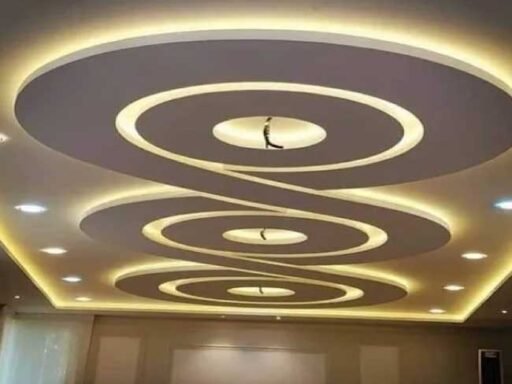
Curved ceilings introduce rounded edges, circular features or flowing lines into the ceiling layout. They can soften the appearance of a room dominated by rectangular walls and furniture.
A circular feature may be positioned above a dining table or central seating area. Curved details can also be used in reception spaces and selected hospitality interiors.
These designs require careful setting out and skilled installation. They may also cost more than a straightforward rectangular ceiling because of the additional shaping and finishing work.
Best for: Spacious living rooms, dining areas, hotel lounges and reception spaces.
10. Gypsum Ceilings with Recessed Downlights
Recessed downlights sit within openings in the ceiling, producing a neat finish with less visible hardware. They can provide general illumination or highlight specific parts of a room.
Their arrangement matters. Lights should support the room’s function and furniture layout rather than simply follow a random pattern.
In a living room, combine general lighting with a separate ambient source where needed. In a kitchen, position suitable lights to illuminate work surfaces. In a bedroom, avoid relying on harsh lighting alone when softer options would be more comfortable.
Best for: Living rooms, bedrooms, kitchens, corridors and offices.
11. Gypsum Ceilings with Decorative Bulkheads
A bulkhead is a lowered section of ceiling that can conceal services, define a zone or frame a particular feature. It may run around the room’s perimeter or appear above a selected area.
Bulkheads can also accommodate curtain tracks, lighting channels and certain building services when designed correctly.
They are useful in open-plan spaces, where a ceiling detail can mark a transition between different functions without building a full-height wall.
Best for: Open-plan living spaces, offices, kitchens and commercial interiors.
12. Modern Bedroom Gypsum Ceiling Designs
Bedroom ceilings should support a calm and comfortable atmosphere. Popular options include a simple perimeter drop, a tray ceiling above the bed, a small floating feature or concealed lighting around a recessed panel.
You do not need an elaborate design to create a finished appearance. A carefully positioned ceiling feature and suitable lighting may be enough.
For a smaller bedroom, keep the design shallow and simple. In a larger master bedroom, you can consider a tray or layered ceiling that relates to the bed and bedside furniture.
Best for: Main bedrooms, guest rooms and contemporary apartments.
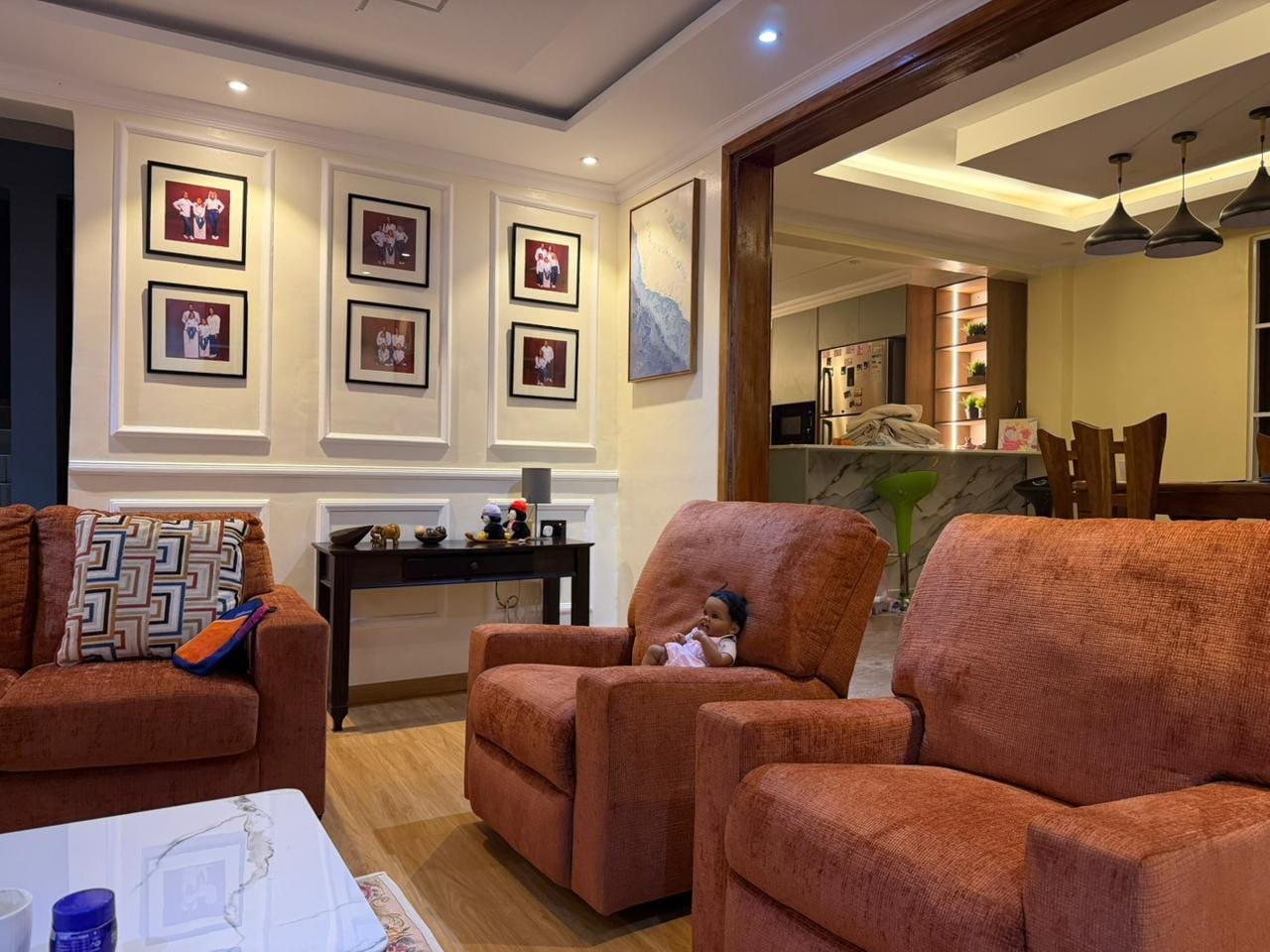
13. Living Room Gypsum Ceiling Designs
The living room is often the main space where family members relax and guests gather. Its ceiling can help establish the overall style of the interior.
A rectangular tray, layered perimeter, concealed LED cove or geometric feature can work well, depending on the room’s size and height.
Before choosing a design, consider the position of the television, seating, curtains and main light fitting. A ceiling feature that aligns with these elements usually looks more intentional than a pattern selected without considering the room layout.
For more ideas, see our gypsum ceiling design options.
14. Modern Office Gypsum Ceiling Designs
Office ceilings should support visibility, comfort and a professional appearance. Simple gypsum ceilings with recessed lights or linear lighting can create a clean finish while helping conceal selected cables and services.
Reception areas may use a more distinctive ceiling feature to complement the reception desk and company branding. Meeting rooms need suitable lighting for discussions, presentations and other work activities.
For office projects, coordinate the ceiling design with partitions, air-conditioning requirements, electrical points and maintenance access.
Read more about modern office ceiling designs in Kenya.
Which Gypsum Ceiling Design Is Best for Each Room?
The best design depends on how you use the room and the space available.
| Room | Suitable design options | Planning tip |
|---|---|---|
| Living room | Tray, layered, floating or LED cove | Coordinate the feature with the seating layout |
| Small sitting room | Simple border, shallow drop or flat ceiling | Avoid excessive levels that reduce visual openness |
| Master bedroom | Tray, recessed panel or concealed LED | Keep the lighting comfortable and provide access to components |
| Children’s bedroom | Simple geometric or flat ceiling | Choose a practical design that is easy to maintain |
| Dining room | Rectangular tray or circular feature | Align the feature with the dining table |
| Kitchen | Flat ceiling or simple recessed layout | Consider moisture exposure, ventilation and task lighting |
| Corridor | Flat ceiling or narrow bulkhead | Maintain consistent lighting and avoid unnecessary drops |
| Office | Minimalist ceiling or linear lighting layout | Coordinate lights with desks and workstations |
| Reception | Floating, geometric or layered feature | Match the design to the reception desk and branding |
Gypsum Ceiling Prices in Kenya
The cost of a gypsum ceiling depends on the design, board specification, framing, finishing, room dimensions and installation requirements. Concealed lighting and electrical work may also add to the budget.
The following figures are indicative planning ranges, not fixed quotations. The final price should be confirmed against the actual site and agreed scope of work.
| Gypsum ceiling design | Indicative price per m² |
|---|---|
| Plain gypsum ceiling | KES 1,000–1,500 |
| Simple modern design | KES 1,500–2,500 |
| Bulkhead or stepped ceiling | KES 2,000–3,500+ |
| Feature ceiling with cove lighting | KES 2,500–4,500+ |
| Complex premium design | KES 4,000–6,000+ |
These ranges are useful for initial budgeting. However, quotations may differ depending on whether they include the metal framework, gypsum boards, jointing and skimming, painting, LED strips, light fittings, electrical installation and other finishing items.
For more detail, read our guide to gypsum ceiling installation costs in Kenya.
Example: Budgeting for a 20 m² Ceiling
Suppose your living room has a ceiling area of 20 square metres. Using the indicative rates above, the initial ceiling budget could look like this:
- Simple modern design: 20 m² × KES 1,500 = KES 30,000.
- Mid-range design: 20 m² × KES 2,500 = KES 50,000.
- Premium design: 20 m² × KES 4,000 = KES 80,000.
These are basic calculations based on the selected rate. They are not guaranteed project totals. Confirm whether lighting, painting, electrical work, transport and other items are included before comparing quotations.
Factors That Affect Gypsum Ceiling Design Costs
1. Design Complexity
A plain ceiling generally requires less shaping and finishing than a multi-level ceiling with curves, coffers or several lighting channels. More complex details may require additional materials, labour and installation time.
2. Room Size and Shape
A large, regular room may be straightforward to measure and plan. Small, irregular or angled rooms can require more detailed setting out and cutting.
3. Ceiling Height
Higher ceilings can require additional access equipment and more installation time. A design that is suitable for a high-ceilinged living room may not work as well in a compact apartment.
4. Gypsum Boards and Framework
The type of board and framing system affects the overall specification. Select materials according to the room’s conditions and the project requirements rather than choosing solely by price.
Moisture-resistant boards may be appropriate for certain areas with increased moisture exposure, but ventilation and proper detailing remain important. Gypsum is not a substitute for correcting leaks or managing persistent dampness.
5. Lighting and Electrical Work
LED strips, downlights, pendant fittings, drivers, switches and wiring can add to the cost. Electrical work should be planned before the ceiling is closed to avoid unnecessary rework.
6. Finishing and Painting
Joint treatment, skimming, sanding and painting affect the final appearance. Poor finishing can leave visible joints, uneven surfaces or inconsistent paintwork even when the design itself is attractive.
7. Location and Site Access
Transport, material availability, travel distance, working height and access to the site may affect the quotation. Confirm these details with the contractor before work begins.
How to Choose the Right Latest Gypsum Ceiling Design
Use these practical considerations before settling on a design.
Start with the room dimensions. Measure the length, width and ceiling height. A design should suit the actual room, not just a reference photograph.
Set a clear budget. Decide how much you can allocate to the ceiling and whether that amount includes lighting and painting. This helps the designer recommend suitable options.
Choose lighting early. Determine where you need general, task and ambient lighting. Make sure the proposed ceiling leaves enough space for the fittings and their installation requirements.
Coordinate with other finishes. The ceiling should complement wall colours, flooring, curtains, furniture and the overall interior style.
Avoid overcrowding the design. Combining many shapes, decorative borders and lighting colours can make the ceiling look busy. A simple feature executed well often produces a more balanced result.
Plan maintenance access. Drivers, junctions and other components that may need attention should remain accessible where required.
Review the design before installation. A drawing or 3D layout can help you understand the shape, lighting positions and relationship between the ceiling and furniture before approving the work.
Our 3D design and layout planning service can help you plan the ceiling as part of the wider interior.
Common Mistakes to Avoid
- Choosing a design that is too deep for the available ceiling height.
- Selecting lighting without considering how the room will be used.
- Adding several ceiling levels without a clear design purpose.
- Forgetting to coordinate the ceiling with curtain tracks, air-conditioning and electrical points.
- Comparing quotations without checking what each price includes.
- Closing the ceiling before relevant electrical work and inspections are complete.
- Ignoring moisture problems or roof leaks before installing new boards.
- Leaving no practical access to lighting drivers or concealed services.
Avoiding these mistakes can help reduce unnecessary changes during installation and improve the final finish.
Our Gypsum Ceiling Design and Installation Process
A clear process helps keep the work organised from planning to completion.
- Consultation: Discuss the room, preferred style, intended use and budget.
- Measurement: Establish the ceiling dimensions and check the site conditions.
- Design selection: Choose a suitable layout, ceiling levels and lighting arrangement.
- Quotation: Confirm the scope of work, materials, finishing and any exclusions.
- Preparation: Coordinate the framework, electrical requirements and other services.
- Installation: Install the ceiling system according to the approved design and appropriate installation practices.
- Finishing: Complete joint treatment, surface preparation and agreed painting work.
- Inspection and handover: Review the finished ceiling and confirm that the agreed work has been completed.
The timeline depends on the room size, design complexity, site conditions, material availability and any additional finishing work.
Related Interior Design Services
Gypsum ceilings often form part of a larger interior finishing project. You may also find these services useful:
- Gypsum Ceiling Designs
- Gypsum Ceiling Installation Services
- 3D Designs and Layout Planning
- Floor Installation Services
- Professional Building Painting Contractors in Kenya
- Building and Construction Services
- Interior Finishes
- Renovation Services
- Aluminium Products and Services
- Commercial Kitchen Solutions
These links connect the ceiling project with related finishing and construction services. The exact services required will depend on your property and project scope.
Areas We Serve
SUIMAS Interior Designers serves residential and commercial clients across Kenya, subject to project assessment and logistics. Our service coverage includes Nairobi, Mombasa, Kiambu, Nakuru, Uasin Gishu, Kisumu, Machakos, Kajiado, Nyeri, Meru, Embu, Kirinyaga, Murang’a, Nyandarua, Laikipia, Kericho, Bomet, Nandi, Elgeyo-Marakwet, Trans Nzoia, West Pokot, Turkana, Samburu, Isiolo, Marsabit, Mandera, Wajir, Garissa, Tana River, Lamu, Kilifi, Kwale, Taita-Taveta, Kitui, Makueni, Tharaka-Nithi, Busia, Bungoma, Kakamega, Vihiga, Siaya, Homa Bay, Migori, Kisii, Nyamira, and Baringo counties. Within Nairobi, projects may be located in areas such as Karen, Runda, Lavington, Kilimani, Kileleshwa, Westlands, Parklands, South C, South B, Lang’ata, Ruaka and surrounding neighbourhoods. In Mombasa, project areas may include Nyali, Bamburi, Shanzu and other parts of the county.
Request a Gypsum Ceiling Design Quotation
Are you planning to install a new gypsum ceiling or upgrade an existing one? SUIMAS Interior Designers can help you explore suitable designs, coordinate the ceiling with your interior finishes and plan the project according to your requirements.
For a more useful quotation, prepare the room dimensions, a few reference photos, your preferred design and your approximate budget. Also indicate whether you need the ceiling only or would like lighting, painting and other finishing work included.
Contact SUIMAS Interior Designers
- Address: Nairobi CBD
- Phone: 0717 044 443 / 0739 255 050
- Email: info@suimas.co.ke / info@interiordesigners.co.ke
- Website: https://suimas.co.ke/
- Contact page: Contact SUIMAS Interior Designers
Frequently Asked Questions About the Latest Gypsum Ceiling Designs
Which gypsum ceiling designs are popular in Kenya?
Popular choices include simple modern ceilings, tray ceilings, layered designs, concealed LED cove lighting, floating panels, geometric patterns and recessed downlight layouts. The right option depends on the room size, ceiling height, preferred style and budget.
Which gypsum ceiling design is best for a living room?
Tray ceilings, layered ceilings and designs with concealed LED lighting are suitable options for many living rooms. Smaller rooms may benefit from a simple border or shallow drop, while larger spaces can accommodate more detailed features.
Which gypsum ceiling design is suitable for a small room?
A flat ceiling, simple perimeter border or shallow recessed feature can work well in a small room. Avoid excessive layers or deep drops if the ceiling height is limited.
How much does a gypsum ceiling cost in Kenya?
The price varies by design and scope. Indicative planning rates can start around KES 1,000–1,500 per square metre for a plain ceiling, while more detailed designs may cost several thousand shillings per square metre. Request a quotation that clearly states what is included.
Can gypsum ceilings include LED lights?
Yes. Gypsum ceilings can incorporate concealed LED strips, recessed downlights and other suitable light fittings. Plan the electrical layout and access to components before installation.
Are gypsum ceilings suitable for bedrooms?
Yes. Simple borders, tray ceilings and recessed lighting features can work well in bedrooms. Select a design and lighting arrangement that suits the room’s dimensions and intended atmosphere.
How do I maintain a gypsum ceiling?
Keep the ceiling dry, address roof leaks and plumbing problems promptly, and clean painted surfaces according to the paint manufacturer’s guidance. Check for cracks, staining or sagging, and arrange a professional inspection if you notice signs of damage.
Should I choose a simple or a complex gypsum ceiling?
Choose the design that best fits your space and budget. A simple ceiling can look refined when the proportions, finishing and lighting are well planned. More complex designs are worth considering when the room has enough height and space to accommodate them.
Can I see the design before installation?
A drawing or 3D visualisation can help you review the ceiling shape, lighting positions and relationship with other interior elements before work begins. This is particularly useful for custom or multi-level designs.