- Call Us: 0717044443 / 0739255050 / 0725021709
- Email: info@suimas.co.ke / info@interiordesigners.co.ke

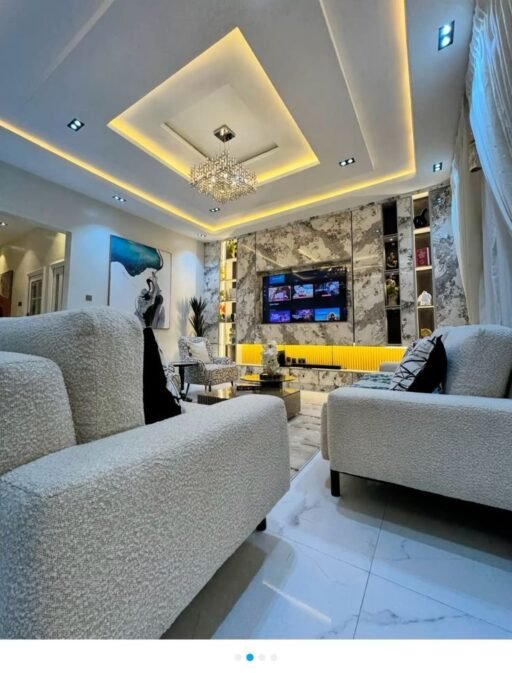
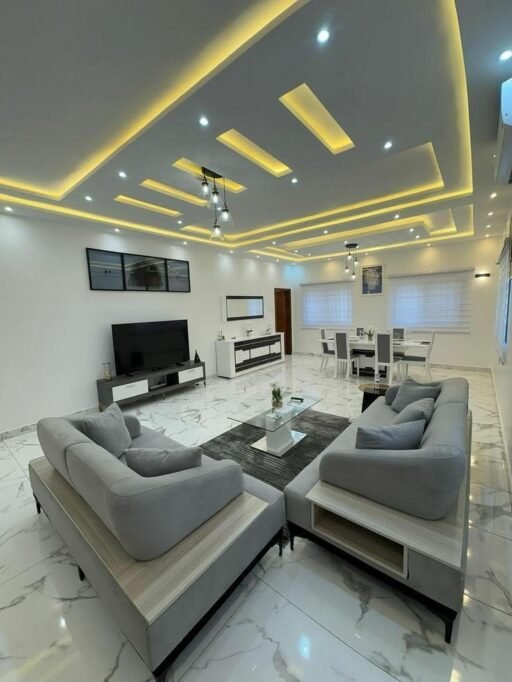
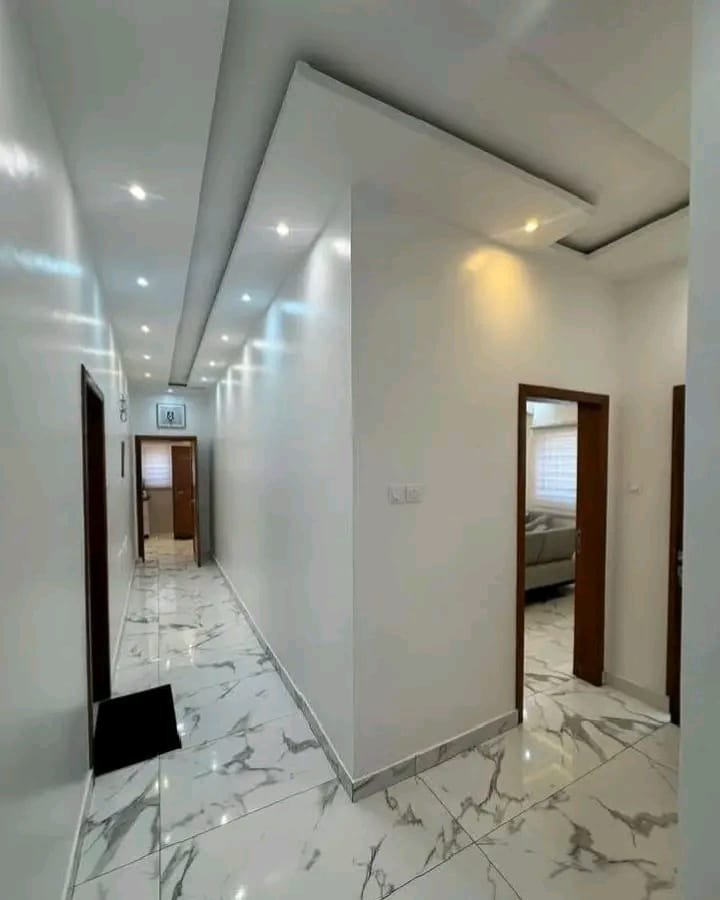
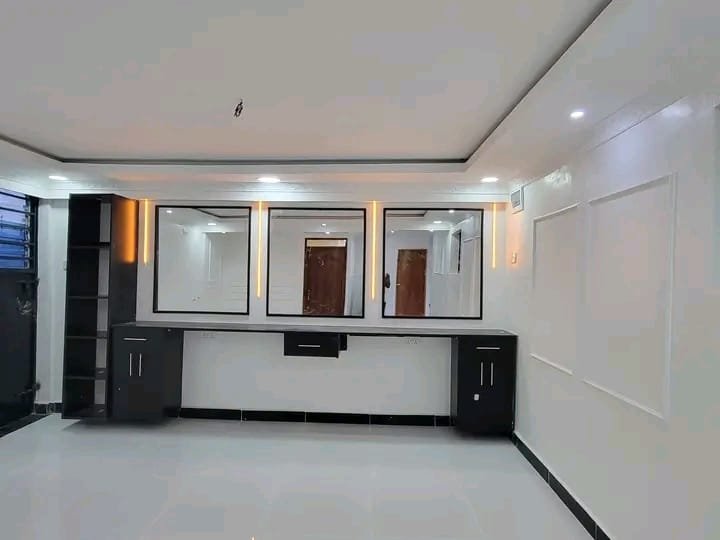
Interior Design Trends in Nairobi
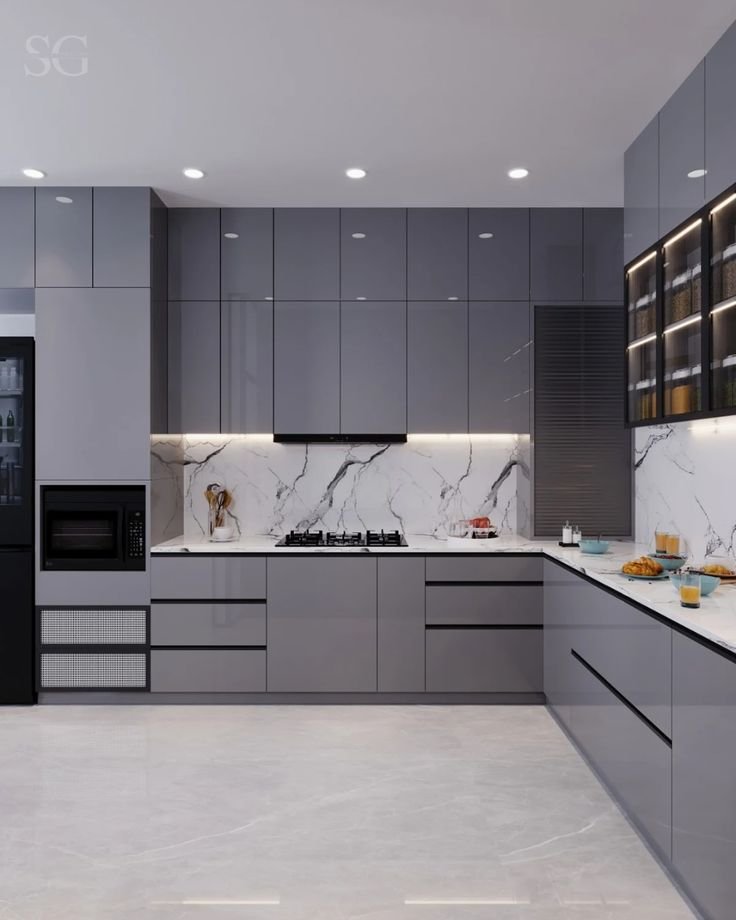
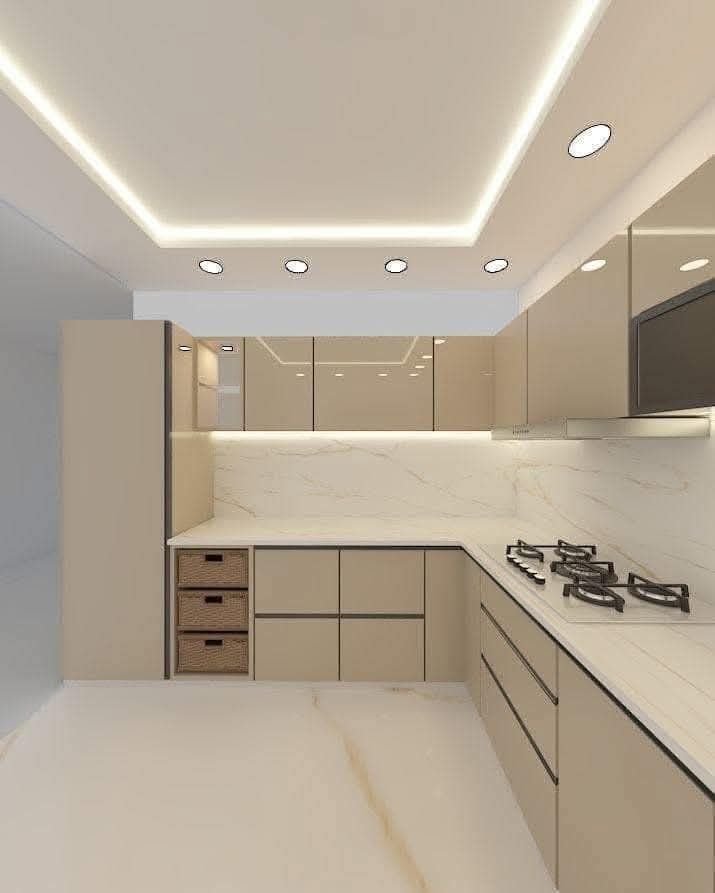
- Description
Description
Interior Design Trends in Nairobi 2026 | Modern, Sustainable & Functional Interiors
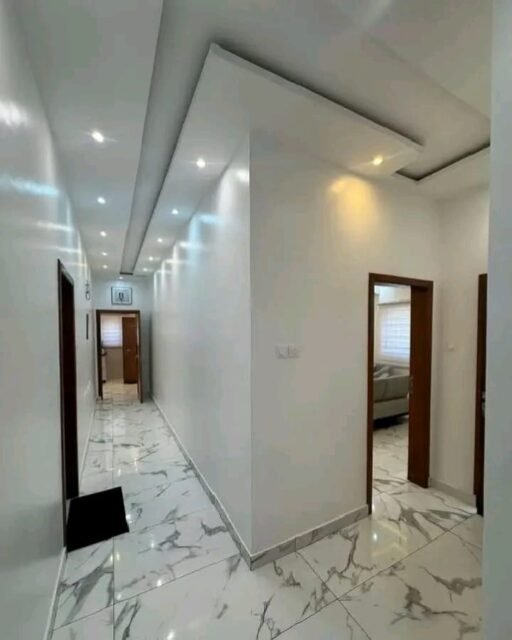
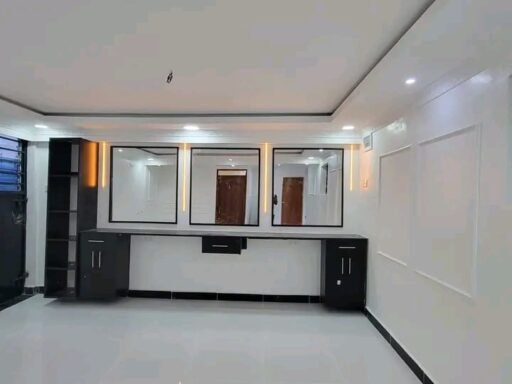
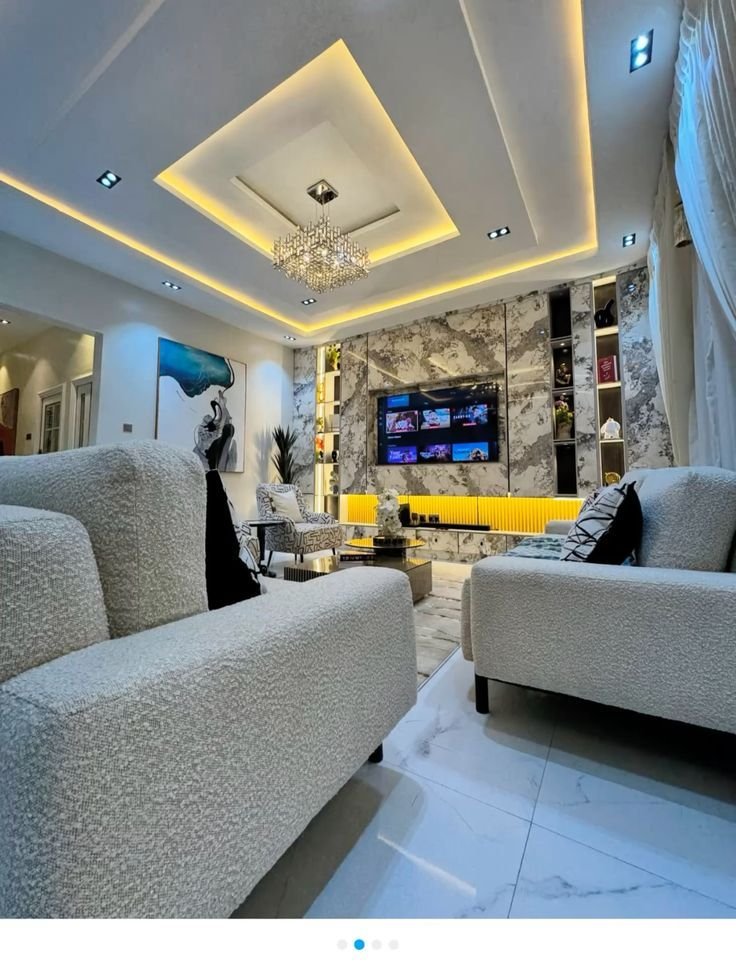
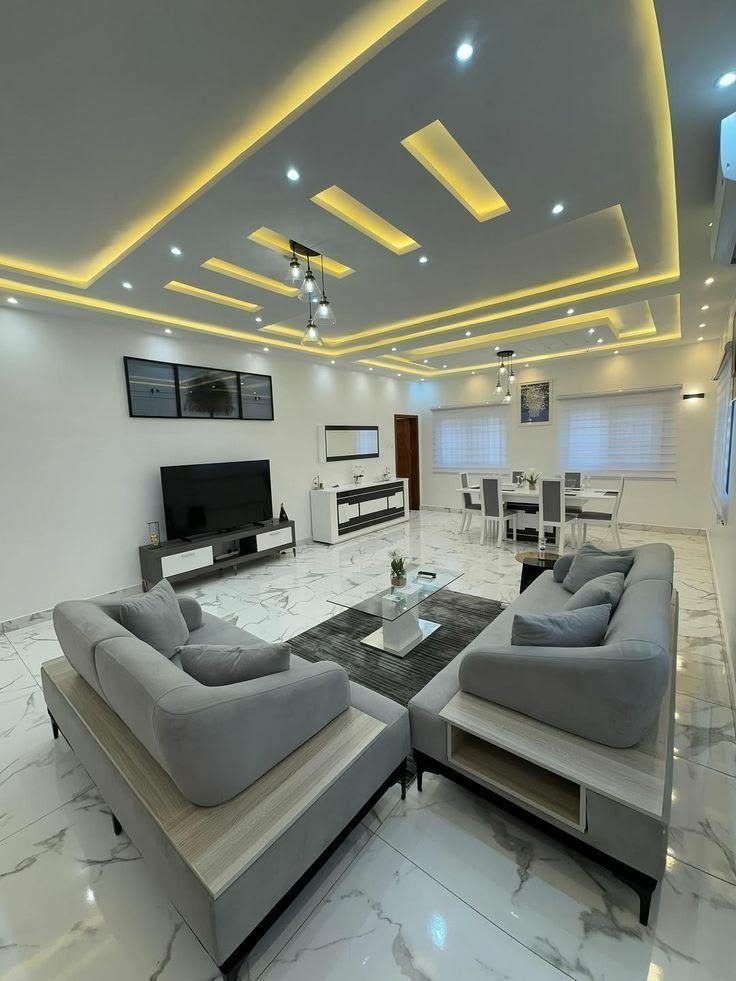
Interior design trends in Nairobi are evolving as homeowners, businesses, property developers and hospitality operators look for spaces that are more comfortable, functional, personal and connected to local design.
In 2026, Nairobi interiors are moving beyond decoration alone. Current design discussions increasingly emphasise warm materials, wellness, flexible spaces, natural elements, smart technology and stronger local identity. For SUIMAS, these trends provide an opportunity to create interiors that are contemporary while remaining practical and suited to how people live and work.
Whether you are renovating an apartment in Kilimani, designing a home in Karen, fitting out an office in Westlands, upgrading a property in Runda or developing a commercial space in Upper Hill, the right interior should balance style, functionality, comfort and long-term value.
What We Offer
SUIMAS provides a range of interior design and finishing solutions that can be combined to create a complete project:
- Residential Interior Design – Tailored interior design solutions for homes, apartments and villas.
- Commercial Interior Design – Interior concepts and solutions for offices and commercial spaces.
- Kitchen Interior Design – Modern kitchen layouts, custom cabinets, countertops, storage and finishes.
- Custom Kitchen Cabinets – Bespoke cabinetry designed around your space and lifestyle.
- Living Room Interior Design – Functional and stylish living spaces with coordinated furniture, finishes and lighting.
- Bedroom Interior Design – Comfortable bedroom layouts, finishes, storage and furnishing solutions.
- Floor Installation Services – Flooring solutions coordinated with your interior concept.
- Laminate Floor Installation – Practical flooring for residential and interior projects.
- Painting & Special Effects – Interior painting, feature walls, textures and decorative finishes.
- Blinds, Curtains & Sheers – Window treatments for privacy, light control and interior styling.
- Shop Interior Design – Retail environments designed around customer experience and brand identity.
- Interior Fit-Out Solutions – Coordinated interior execution from design through installation.
These services can be combined according to the requirements of each property and project.
Interior Design Trends Shaping Nairobi in 2026
1. Warm, Natural Colour Palettes
Cool grey and stark white interiors are increasingly being balanced with warmer tones.
Popular directions include:
- Warm beige
- Cream
- Greige
- Terracotta
- Olive green
- Earthy brown
- Burnt orange
- Natural wood tones
Warm colours can create a more welcoming atmosphere and work particularly well with wood, stone, rattan, woven fabrics and natural textures.
The final palette should still respond to natural light, room size, existing furniture, flooring and personal preference.
2. Biophilic Interior Design
Biophilic design brings elements of nature into interior spaces.
This can include:
- Indoor plants
- Natural timber
- Rattan
- Bamboo
- Stone
- Natural textiles
- Indoor gardens
- Larger windows
- Views toward outdoor spaces
The objective is not simply to add plants. It is to create a stronger connection between the interior and the surrounding environment.
3. Sustainable & Locally Inspired Materials
Sustainable interior design is becoming increasingly relevant in Nairobi.
Options may include:
- Reclaimed timber
- Bamboo
- Recycled materials
- Sisal
- Natural fibres
- Low-impact finishes
- Locally crafted furniture
SUIMAS’ wider interior offering also places emphasis on durable, quality materials and tailored design solutions.
Sustainability should also consider durability. Choosing materials that last longer can reduce unnecessary replacement.
4. Afro-Modern Interior Design
One of the strongest opportunities in Nairobi is combining contemporary design with Kenyan identity.
This can include:
- Kenyan artwork
- Handmade accessories
- Woven baskets
- Local ceramics
- Carved wood
- Sisal
- Handcrafted furniture
- African-inspired textiles
The objective is to create a modern space that still feels connected to its location and the client’s identity.
5. Curved Furniture & Softer Forms
Curves can soften modern interiors and create a more relaxed visual flow.
Examples include:
- Curved sofas
- Rounded coffee tables
- Oval dining tables
- Arched mirrors
- Curved reception desks
- Rounded feature walls
- Sculptural furniture
These forms can work particularly well in living rooms, hotel lobbies, restaurants, salons and reception areas.
6. Layered Textures
Modern interiors are becoming less dependent on colour alone.
Texture can be introduced through:
- Timber
- Stone
- Upholstery
- Rattan
- Linen
- Curtains
- Rugs
- Wallpaper
- Fluted panels
- Decorative plaster
Combining several textures within a controlled colour palette can make an interior feel richer without becoming cluttered.
7. Purposeful Minimalism
Modern minimalism is less about creating empty rooms and more about removing unnecessary visual clutter.
It focuses on:
Better storage + fewer unnecessary objects + intentional furniture + quality finishes.
This is particularly useful in Nairobi apartments where efficient use of space is important.
8. Purposeful Maximalism
Some homeowners and businesses are moving in the opposite direction and using interiors to express more personality.
Purposeful maximalism can combine:
- Statement artwork
- Rich colours
- Patterned fabrics
- Layered textures
- Vintage pieces
- Decorative lighting
- Sculptural furniture
The key is curation rather than clutter.
9. Flexible Workspaces
Homes and offices increasingly need spaces that can perform multiple functions.
A room may serve as:
- Home office
- Study
- Meeting space
- Guest room
- Entertainment area
- Creative workspace
Flexible interiors can use:
- Movable furniture
- Built-in storage
- Foldable desks
- Sliding partitions
- Modular seating
- Acoustic treatments
10. Wellness-Centred Interiors
Wellness is becoming part of interior planning.
Design considerations can include:
- Natural daylight
- Ventilation
- Comfortable furniture
- Quiet zones
- Indoor plants
- Calming colours
- Ergonomic workstations
- Reduced visual clutter
- Acoustic comfort
A wellness-focused interior should support the way people actually use the space.
11. Smart Home & Smart Office Design
Technology can now be integrated into interior planning through:
- Smart lighting
- Automated curtains
- Motion sensors
- Smart switches
- Energy-efficient lighting
- Integrated charging points
- Smart security systems
- Home automation
Technology is most valuable when it solves a genuine problem, improves convenience or supports energy efficiency.
12. Statement Lighting
Lighting is becoming part of the visual identity of a room.
Popular options include:
- Pendant lights
- Chandeliers
- Wall sconces
- Recessed lighting
- Under-cabinet lighting
- Floor lamps
- Accent lighting
A layered lighting plan can combine general illumination, task lighting and decorative lighting.
13. Built-In Storage
As Nairobi’s residential developments become denser, effective storage is increasingly important.
Popular solutions include:
- Full-height wardrobes
- Built-in TV units
- Pantry cabinets
- Hidden storage
- Under-stair storage
- Walk-in wardrobes
- Custom shelving
- Home-office joinery
SUIMAS already offers custom kitchen cabinetry and other interior joinery solutions that can be incorporated into these space-saving approaches.
14. Open-Plan Spaces with Better Zoning
Open-plan interiors remain popular, but large spaces need thoughtful zoning.
Instead of using permanent walls everywhere, designers can define areas through:
- Furniture placement
- Rugs
- Lighting
- Flooring changes
- Partial screens
- Joinery
- Decorative partitions
- Colour zoning
This can create distinct living, dining, working and entertainment areas while maintaining an open feel.
15. The Rise of the Wet Kitchen
For some Nairobi homes, a separate wet kitchen is becoming a practical alternative to a completely open cooking space.
Recent Kenyan reporting has discussed homeowners adding secondary wet kitchens because heavy cooking, food preparation, odours and privacy can make a fully open kitchen less suitable for some households.
Where the building layout permits, a home may therefore use:
Main social kitchen + secondary wet kitchen
The best solution depends on the property’s architecture and the household’s lifestyle.
16. Local Art as a Design Feature
Local artwork can give a Nairobi interior a stronger identity.
Consider:
- Large-scale Kenyan artwork
- Photography
- Sculptures
- Handwoven pieces
- Ceramic art
- Custom wall installations
- Framed textile art
One strong focal artwork can often create more character than many small decorative objects.
17. Natural Light as a Design Element
Natural light should be considered from the beginning of a project.
Design solutions can include:
- Larger windows
- Sheer curtains
- Mirrors
- Glass partitions
- Light-coloured surfaces
- Open layouts
- Reflective finishes
Natural lighting can influence the choice of wall colours, furniture and flooring.
18. Quiet Luxury
Luxury interiors are increasingly moving toward understated sophistication.
Quiet luxury focuses on:
- Quality materials
- Bespoke furniture
- Subtle colours
- Clean lines
- Craftsmanship
- Comfortable proportions
- Good lighting
- High-quality finishes
The result feels premium because the elements are well selected and well executed, rather than because there are many expensive objects.
Interior Design Trends for Nairobi Homes
For residential projects, a strong 2026 approach is to combine:
Warm colours + natural materials + smart storage + personal artwork + flexible spaces + layered lighting.
These choices can work particularly well in apartments and homes across Kilimani, Kileleshwa, Lavington, Westlands, Karen and Runda, where space planning needs vary significantly from property to property.
Interior Design Trends for Nairobi Offices
Modern offices are increasingly moving beyond rows of desks.
Contemporary workplace interiors can include:
- Flexible work zones
- Collaborative spaces
- Quiet work areas
- Meeting rooms
- Breakout spaces
- Ergonomic furniture
- Acoustic treatments
- Brand colours
- Biophilic elements
- Smart technology
The most effective office interior should support productivity, collaboration, comfort and brand identity.
Interior Design Trends for Hotels, Restaurants & Retail Spaces
Customer-facing spaces need to create an impression quickly.
Current opportunities include:
- Statement reception areas
- Curved counters
- Custom lighting
- Local artwork
- Natural materials
- Feature walls
- Comfortable waiting areas
- Strong brand integration
- Clear customer circulation
For businesses, appearance should always support customer experience and brand strategy.
SUIMAS also provides specialised retail interior solutions covering custom store layouts, display solutions, lighting, flooring and finishes.
Sustainable Interior Design in Nairobi
Sustainable interior design can be approached through:
- Long-lasting materials
- Repairable furniture
- Local sourcing where practical
- Energy-efficient lighting
- Low-impact finishes
- Reuse of existing furniture where appropriate
- Better natural ventilation
- Smart energy management
The strongest sustainable interior is one that remains functional and attractive for years.
How SUIMAS Applies Interior Design Trends
At SUIMAS, trends are used as inspiration rather than rigid rules.
Our design approach begins with space assessment, followed by concept development, 3D visualisation, material selection and execution. The current SUIMAS site describes a structured process that begins with understanding the client’s needs and develops concepts, 3D renderings, material selections and space plans before execution.
This allows current trends to be adapted to the actual property, budget and lifestyle rather than creating an interior that simply follows a trend.
Why Choose SUIMAS?
- Tailored Design – Interior solutions are developed around the property and client’s requirements.
- 3D Visualisation – Design concepts can be visualised before implementation.
- Material Guidance – Materials and finishes are selected to support the intended look and use of the space.
- Complete Project Support – Design, procurement and installation can be coordinated according to project scope.
- Residential & Commercial Expertise – Solutions can be adapted to homes, offices, retail and other commercial spaces.
- Kenya-Wide Coverage – SUIMAS states that its services are available across Kenya.
Related Services We Offer
- Residential Interior Design – Custom interiors for homes, apartments and villas.
- Commercial Interior Design – Interior solutions for offices and commercial properties.
- Kitchen Interior Design – Kitchen layouts, custom cabinets, countertops, storage and finishes.
- Custom Kitchen Cabinets – Bespoke kitchen cabinetry designed around your space.
- Living Room Interior Design – Functional living areas with coordinated furniture and finishes.
- Bedroom Interior Design – Comfortable bedrooms with integrated storage and interior styling.
- Floor Installation Services – Professional flooring solutions for residential and commercial interiors.
- Laminate Floor Installation – Practical laminate flooring for modern interiors.
- Painting & Special Effects – Painting, feature walls and decorative finishes.
- Shop Interior Design – Retail layouts, displays, lighting and finishes designed around the customer experience.
- Hospitality Interior Solutions – Interior and fit-out solutions for hotels, lodges and hospitality properties.
Areas We Serve
SUIMAS provides interior design services across Nairobi, Mombasa and all counties in Kenya. Its current service pages list nationwide coverage and specific Nairobi and Mombasa locations.
Interior Designers in Nairobi
We serve Westlands, Kilimani, Karen, Lang’ata, Lavington, Kileleshwa, South C, South B, Embakasi, Kasarani, Roysambu, Ruaka, Runda, Eastleigh, Ngong Road, CBD, Kamukunji, Starehe, Mathare, Kibera, Donholm, Buruburu, Komarock, Utawala and surrounding areas.
Interior Designers in Mombasa
We serve Nyali, Bamburi, Kisauni, Likoni, Tudor, Changamwe, Miritini, Port Reitz, Mikindani, Shanzu and surrounding Mombasa areas.
Interior Design Services Across Kenya
SUIMAS lists services across all 47 counties, including Nairobi, Mombasa, Kiambu, Nakuru, Kajiado, Machakos, Meru, Kisumu, Kakamega, Uasin Gishu, Laikipia, Nyeri, Murang’a, Kilifi, Kwale, Taita-Taveta, Tana River, Lamu and the other counties nationwide.
Design Your Nairobi Interior With SUIMAS
Interior trends will continue to change, but a successful space should remain functional, comfortable, personal and suited to the way it is used.
SUIMAS combines space planning, design concepts, 3D visualisation, material selection, procurement and project execution to create interiors that respond to modern Kenyan homes and businesses.
Start Your Interior Design Project
Call: 0717 044 443 / 0739 255 050 / 0725 021 709
Email: info@suimas.co.ke
Contact SUIMAS for Interior Design Services