- Call Us: 0717044443 / 0739255050 / 0725021709
- Email: info@suimas.co.ke / info@interiordesigners.co.ke

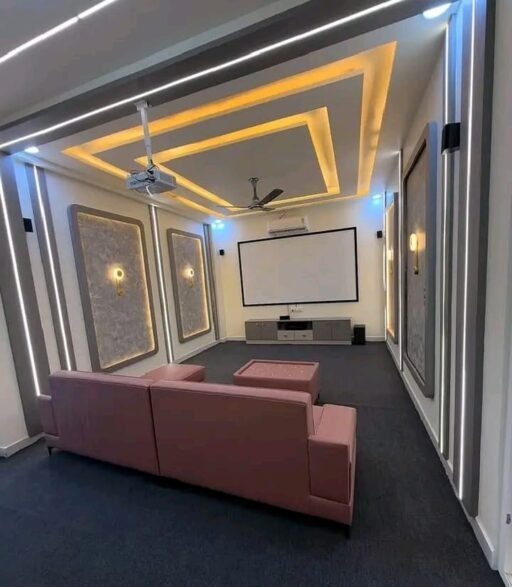
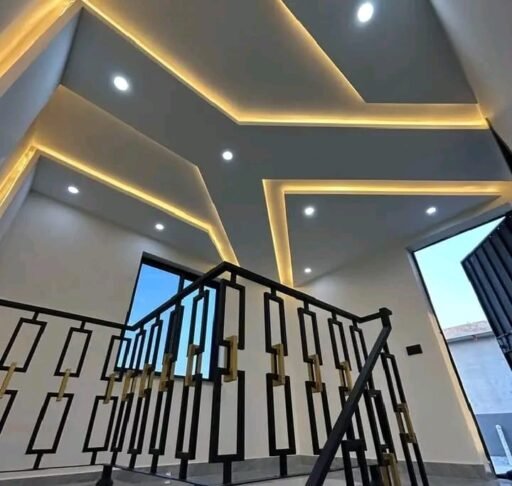
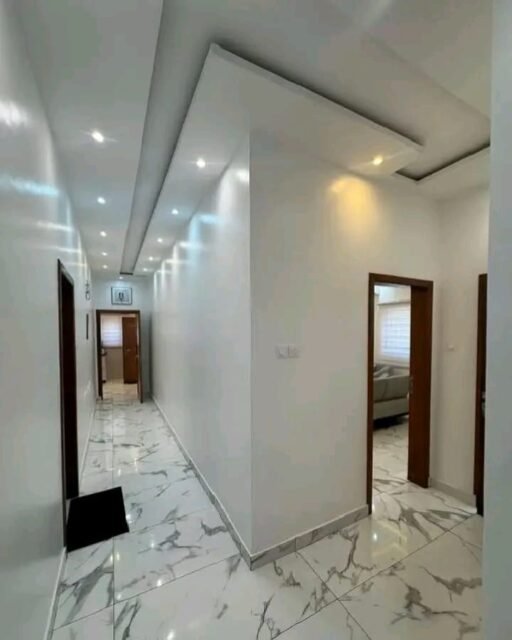
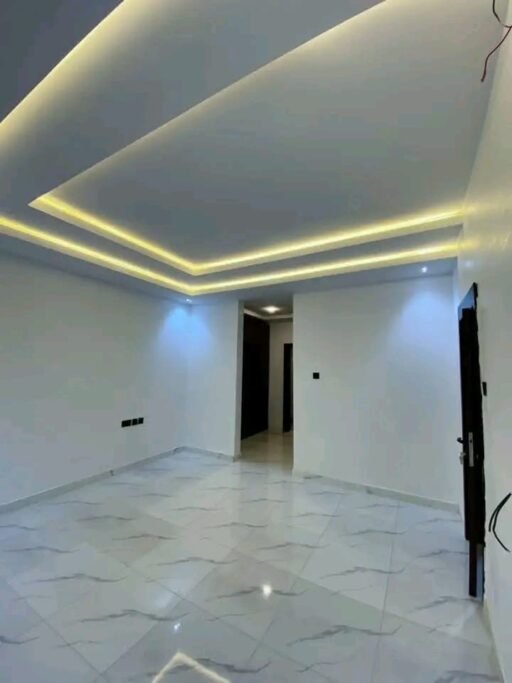
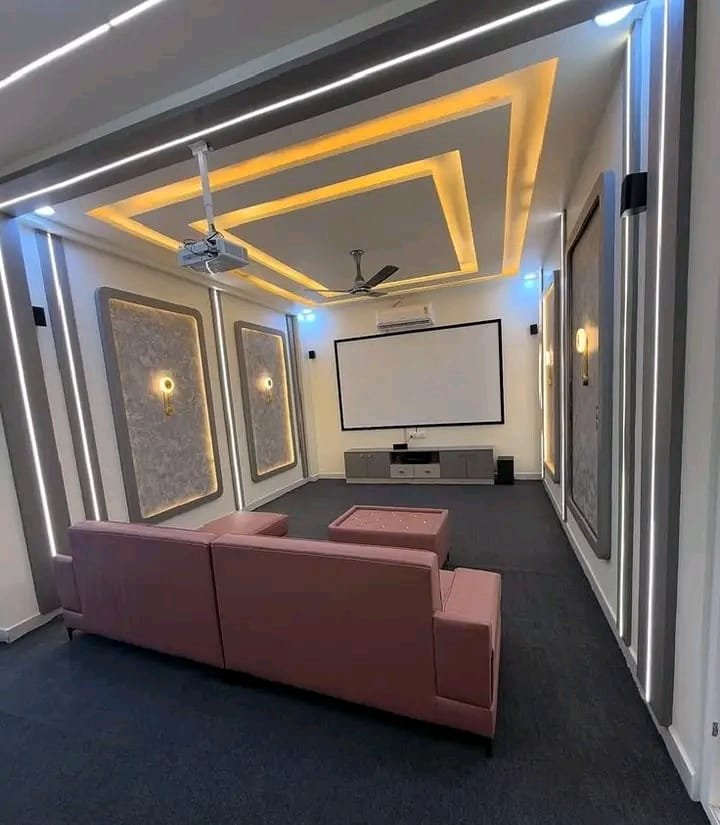
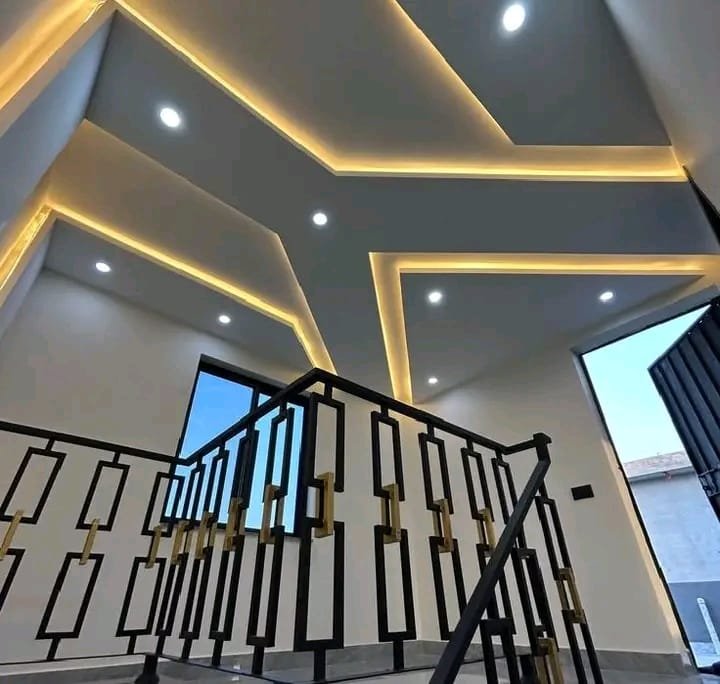
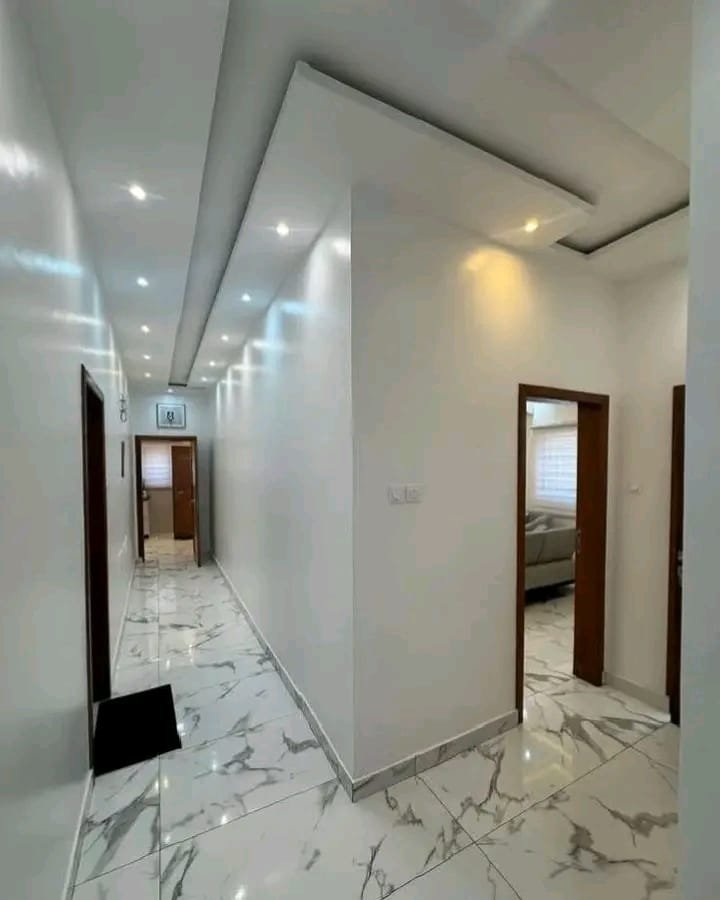
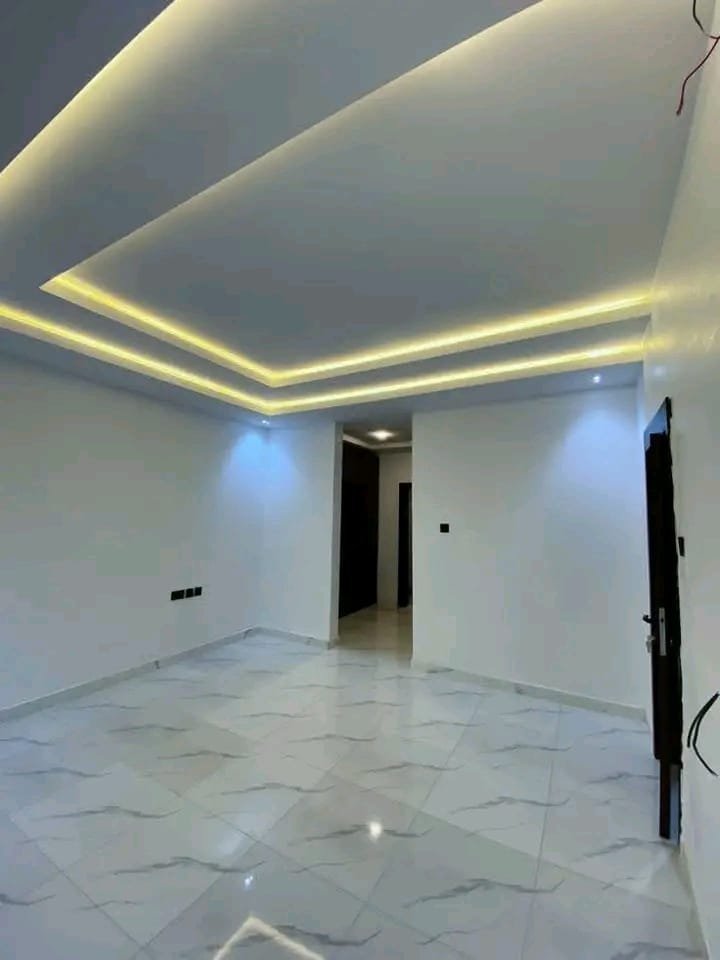
Future of home interior design in Kenya
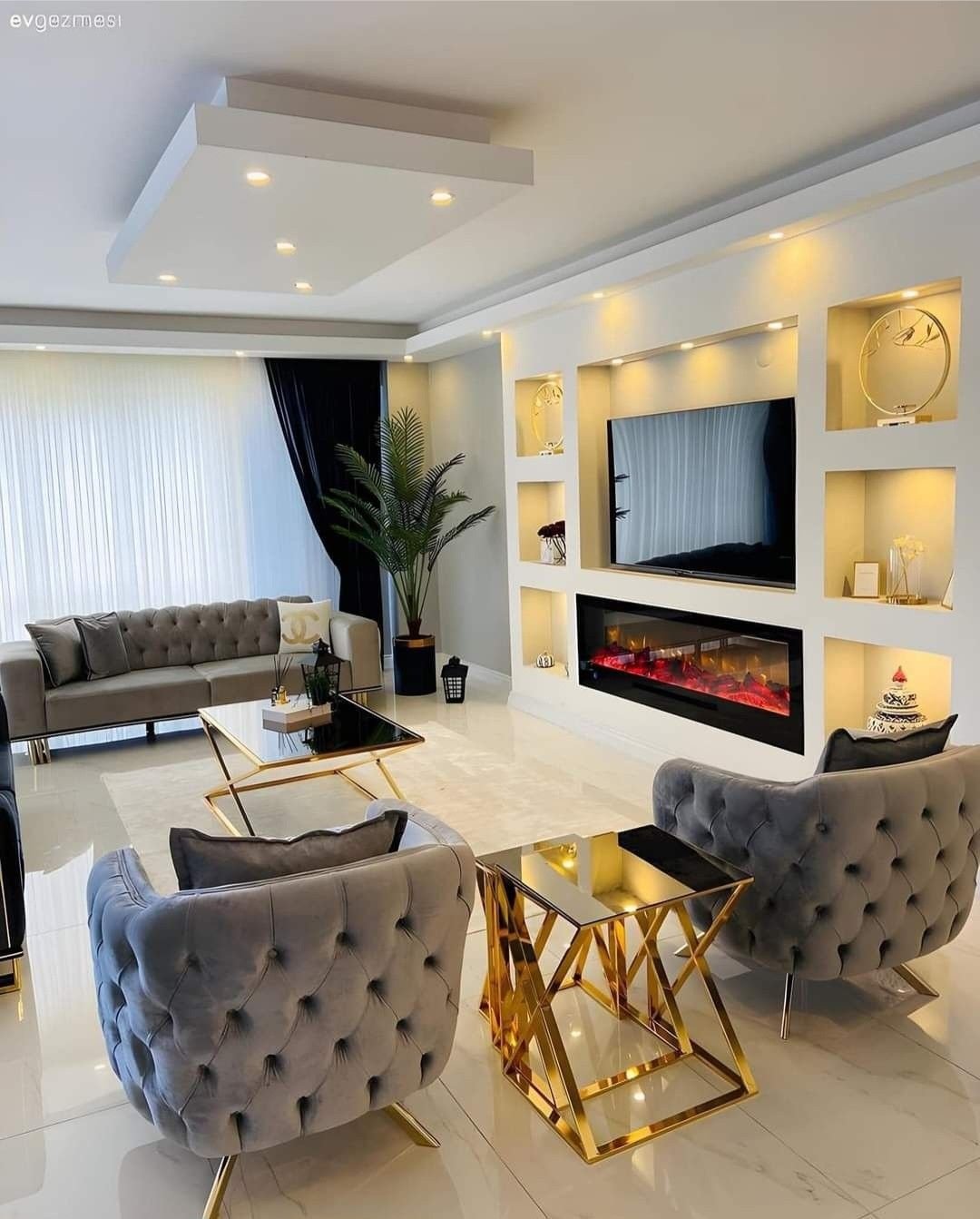
- Description
Description
The Future of Home Interior Design in Kenya | Trends, Technology & Sustainable Living
The future of home interior design in Kenya is moving beyond decoration. Kenyan homeowners are increasingly looking for spaces that are functional, flexible, comfortable, sustainable, technology-enabled and reflective of personal identity.
Urbanisation, changing lifestyles, apartment living, smart-home technology and growing interest in wellness are reshaping how homes are planned and furnished. The Interior Designers Society of Kenya identifies sustainability, technology, local identity and flexible multifunctional spaces among the forces shaping the future of Kenyan interiors.
At SUIMAS, we see the future of residential interior design as an opportunity to combine modern design ideas with practical Kenyan living—from compact apartments in Nairobi to family homes, villas and coastal residences.
What We Offer
SUIMAS provides residential interior solutions that can be combined to create a complete home transformation:
- Residential Interior Design – Tailored interior concepts for homes, apartments and villas.
- Kitchen Interior Design – Functional kitchen layouts, custom cabinetry, countertops, storage and finishes.
- Custom Kitchen Cabinets – Bespoke cabinetry designed around your space.
- Living Room Interior Design – Coordinated furniture, finishes, lighting and space planning.
- Bedroom Interior Design – Comfortable layouts, storage and personalised finishes.
- Floor Installation Services – Flooring solutions integrated with the wider interior.
- Laminate Floor Installation – Practical flooring for residential interiors.
- Painting & Special Effects – Interior painting, feature walls and decorative finishes.
- House Designs in Kenya – Residential planning and home-design solutions.
- Interior Fit-Out Solutions – Coordinated procurement, installation and project execution.
- Window Blinds, Curtains & Sheers – Light control, privacy and interior styling solutions.
- Contact SUIMAS – Discuss your home interior project and request a consultation.
SUIMAS describes its residential design process as space assessment → concept development with 3D rendering and material selection → execution and delivery, with procurement and installation managed as part of the project.
What Will Shape the Future of Home Interior Design in Kenya?
1. Smart Homes Will Become More Integrated
Technology is moving from standalone gadgets into the architecture and interior of the home.
Future homes will increasingly integrate:
- Smart lighting
- Automated curtains
- Smart switches
- Security systems
- Energy monitoring
- Integrated entertainment
- Home automation
- Smart kitchen appliances
- Charging points
The Interior Design Society of Kenya identifies technology integration, including automation and immersive design tools, as an important part of the future of Kenyan interiors.
The goal should not be technology for its own sake. Smart features should make the home safer, more convenient and more efficient.
2. Flexible Rooms Will Become More Important
The modern Kenyan home increasingly needs rooms that can perform several functions.
A single space might need to serve as:
- Home office
- Study
- Guest room
- Entertainment area
- Exercise space
- Creative workspace
Flexible interiors can use:
- Sliding partitions
- Modular furniture
- Fold-away desks
- Built-in storage
- Movable seating
- Convertible furniture
IDSK identifies multifunctional spaces and flexible home-office arrangements as important future directions for Kenyan interiors.
3. Apartment Interiors Will Require Smarter Space Planning
Nairobi’s residential landscape is becoming denser, with continued apartment development in areas such as Kilimani, Kileleshwa and Lavington. Business Daily reported in July 2026 on the continuing transformation of these neighbourhoods from lower-density housing into apartment developments.
As living spaces become more compact, interior design will increasingly focus on:
- Built-in storage
- Multifunctional furniture
- Vertical storage
- Compact kitchens
- Concealed storage
- Space-saving furniture
- Flexible rooms
- Better circulation
This means the future of interior design will depend increasingly on how efficiently space is used, not simply how much furniture can fit into it.
4. Sustainable Design Will Move Into the Mainstream
Sustainable interiors are becoming more important as homeowners consider the long-term environmental and financial impact of their choices.
Future homes can incorporate:
- Durable materials
- Locally sourced products
- Reclaimed timber
- Natural fibres
- Low-impact finishes
- Energy-efficient lighting
- Better natural ventilation
- Reusable or repairable furniture
Research on sustainable housing in Kenya highlights the need for innovative design strategies in response to rapid urbanisation, housing demand and environmental pressures.
Sustainability is also about longevity. A well-designed home that remains useful for many years can reduce unnecessary replacement.
5. Biophilic Homes Will Become More Popular
Biophilic design connects indoor spaces with nature.
This can involve:
- Indoor plants
- Natural timber
- Stone
- Bamboo
- Rattan
- Natural textiles
- Courtyards
- Balconies
- Large windows
- Natural daylight
Kenyan design commentary increasingly links sustainability and biophilic design with the future of residential interiors.
For homes in Nairobi, this can be especially valuable where natural light, balconies or landscaped outdoor areas can be incorporated into the design.
6. Kenyan Identity Will Become Stronger in Modern Interiors
The future does not need to mean copying international showroom styles.
Kenyan interiors can combine modern architecture with:
- Local artwork
- Handcrafted furniture
- Woven baskets
- Sisal
- Kenyan textiles
- Ceramics
- Carved wood
- Local stone
- Artisan-made accessories
IDSK highlights a growing desire for authentic local identity and craftsmanship, including locally sourced materials and work by Kenyan artisans.
This creates an opportunity for interiors that are both modern and unmistakably Kenyan.
7. Afro-Modern & Afrofuturist Interiors
A new generation of Kenyan interiors can move beyond simply reproducing traditional décor.
Afro-modern design can combine:
Contemporary architecture + African craftsmanship + modern technology + local materials.
This may include:
- Geometric patterns
- Brass and copper accents
- Sculptural furniture
- Bold artwork
- Traditional textures
- Modern lighting
- Contemporary colour palettes
IDSK describes Afrofuturism as part of Kenya’s emerging design direction, combining African identity with a future-focused aesthetic.
8. Wellness Will Influence Residential Design
The future home will increasingly be designed around how people feel, not just how the room looks.
Wellness-focused design can include:
- Better natural lighting
- Comfortable furniture
- Quiet zones
- Indoor plants
- Better ventilation
- Ergonomic workspaces
- Calming colours
- Acoustic comfort
- Reduced visual clutter
IDAK’s current residential-design commentary identifies wellness, flexibility, local material intelligence and better use of space as important directions in Kenya’s residential market.
The Standard also reported in May 2026 that interior design is increasingly being discussed in Kenya in terms of lifestyle, wellness, functionality and smart living.
9. Home Offices Will Become More Permanent
Working from home has changed the expectations for residential spaces.
A future-ready home may include:
- Dedicated workstations
- Ergonomic desks
- Acoustic treatment
- Background storage
- Better task lighting
- Video-call backgrounds
- Concealed cables
- Flexible partitions
Even when a home does not have a dedicated office room, a well-designed work zone can be integrated into a bedroom, living room or hallway.
10. Built-In Furniture Will Replace More Freestanding Pieces
As apartment sizes become more constrained, built-in furniture can provide better use of available space.
Future residential interiors will increasingly use:
- Built-in wardrobes
- Custom TV units
- Integrated home offices
- Floor-to-ceiling cabinets
- Built-in beds
- Pantry storage
- Custom kitchen cabinets
- Under-stair storage
SUIMAS already provides custom kitchen cabinetry and residential interior solutions that can support this approach.
11. Natural Light Will Become a Major Design Priority
Natural light can make smaller spaces feel more open while improving the overall atmosphere.
Interior strategies can include:
- Larger windows where architecture permits
- Sheer curtains
- Mirrors
- Glass partitions
- Light-coloured finishes
- Open layouts
- Reflective surfaces
Future interior design will increasingly coordinate architecture, window treatments, furniture and finishes around available daylight.
12. Quiet Luxury Will Replace Excessive Decoration
Luxury residential interiors are increasingly moving toward a more understated approach.
Quiet luxury focuses on:
- Quality materials
- Bespoke joinery
- Good proportions
- Comfortable furniture
- Subtle colours
- High-quality lighting
- Craftsmanship
- Long-lasting finishes
The result feels premium because everything is intentional, rather than because there are many expensive objects.
13. Kitchens Will Become More Social
The kitchen is increasingly becoming a central part of the home.
Future kitchens will combine:
- Food preparation
- Dining
- Storage
- Entertainment
- Social interaction
- Integrated appliances
- Smart technology
SUIMAS’ kitchen services already focus on efficient layouts, smart storage, custom cabinets, countertops, renovations and space optimisation.
Some homes may also use a main social kitchen plus a secondary wet kitchen, especially where heavy cooking and separation from living spaces are important.
14. Technology Will Change the Design Process
Technology will influence not only the finished home but also how interiors are designed.
Future clients will increasingly expect:
- 3D walkthroughs
- Virtual presentations
- Digital mood boards
- Realistic material visualisation
- Online approvals
- Digital project documentation
IDSK notes that VR and AR could transform how Kenyan designers and clients experience proposed interiors before physical work begins.
SUIMAS already uses 3D renderings and visual concepts as part of its design process.
15. Customisation Will Matter More Than Mass-Market Styling
As homeowners become more design-conscious, standard interiors may become less attractive.
People increasingly want:
- Custom furniture
- Bespoke kitchens
- Personalised storage
- Unique lighting
- Custom colour palettes
- Local artwork
- Spaces designed around their routines
IDSK identifies bold personalisation and custom-built furniture as important future directions.
16. Homes Will Be Designed for Long-Term Adaptability
A future-ready home should be able to adapt as the household changes.
For example:
A study can become a nursery.
A guest room can become a home office.
A living-room storage system can accommodate changing technology.
A bedroom can be designed to remain accessible later in life.
This means designers will increasingly think about adaptability rather than designing only for the present moment.
17. Indoor-Outdoor Living Will Become More Important
Kenya’s climate allows many homes to connect indoor spaces with outdoor areas.
Design approaches can include:
- Larger openings
- Covered terraces
- Outdoor dining
- Balconies
- Courtyards
- Indoor plants
- Natural materials
- Outdoor seating areas
The result can be a stronger transition between the home’s interior and its surroundings.
This is particularly relevant for homes in areas where gardens, balconies, terraces or courtyards can be incorporated into the architecture.
18. Interior Design Will Become More Value-Driven
The future homeowner will increasingly ask:
Does this design improve my quality of life?
Will it remain useful?
Is it durable?
Does it improve the property’s appeal?
Can the space adapt later?
This represents a shift from decoration toward long-term value, functionality and performance.
IDAK notes that better interiors increasingly affect how residential properties perform for users, investors and long-term value.
The Future of Home Interior Design in Nairobi
Nairobi is likely to remain one of the strongest drivers of residential interior innovation in Kenya.
The city combines:
- Rapid apartment development
- Premium residential neighbourhoods
- Growing middle-class housing demand
- Technology adoption
- Changing work patterns
- Increasing design awareness
Recent market reporting describes continued apartment growth in Nairobi’s established neighbourhoods, while other industry reporting points to increasing demand for fitted interiors and built-in kitchens in newer housing.
This creates a particularly strong role for space-efficient, custom and technology-ready interior design.
The Future of Home Interior Design Beyond Nairobi
These trends are not limited to Nairobi.
Growing urban centres such as Mombasa, Kisumu, Nakuru, Eldoret, Kiambu, Machakos and Kajiado are also creating demand for modern residential spaces.
However, each location has different environmental, cultural and architectural considerations.
A good future-focused designer should therefore avoid simply copying Nairobi’s designs into every county.
Instead, design should respond to:
Climate + Culture + Architecture + Lifestyle + Budget + Available Materials
What Homeowners Should Consider When Planning a Future-Ready Interior
Before starting a project, ask:
- How will the room be used today?
- How might the household use it in five or ten years?
- Where can storage be improved?
- Can technology be integrated without creating visual clutter?
- Are the materials durable?
- Can natural light and ventilation be improved?
- Does the interior reflect the people living there?
- Can furniture or rooms serve more than one purpose?
- Is the design sustainable and easy to maintain?
These questions can produce a more useful home than simply following the latest colour or furniture trend.
Why Choose SUIMAS for Future-Ready Home Interiors?
SUIMAS approaches interior design as a combination of aesthetics, functionality, planning and execution.
Its current process begins with a space assessment, followed by concept development, 3D renderings, material selection, space planning and execution.
The company also describes its residential service as tailored to homes across Kenya and lists solutions including blinds, curtains, flooring and painting alongside interior design.
Related Services We Offer
- Residential Interior Design – Personalised interior solutions for homes, apartments and villas.
- Kitchen Interior Design – Modern layouts, custom cabinets, countertops and smart storage.
- Custom Kitchen Cabinets – Bespoke cabinetry designed around your space.
- Living Room Interior Design – Comfortable living spaces with coordinated furniture and finishes.
- Bedroom Interior Design – Bedroom layouts, finishes and storage solutions.
- Floor Installation Services – Interior flooring solutions for residential projects.
- Laminate Floor Installation – Practical and contemporary flooring.
- Painting & Special Effects – Interior painting, feature walls and decorative finishes.
- House Designs in Kenya – Residential planning and house-design solutions.
- Interior Fit-Out Solutions – Procurement, installation and project execution.
- Window Blinds, Curtains & Sheers – Privacy, light control and interior styling.
- Contact SUIMAS – Start your home interior design project.
Frequently Asked Questions
What will the future of home interior design in Kenya look like?
Kenyan residential interiors are moving toward wellness, flexibility, sustainability, local identity, smarter technology and better use of space.
Will smart homes become more common in Kenya?
Smart technology is expected to become increasingly integrated into residential interiors, particularly in lighting, security, curtains, entertainment, appliances and energy management.
Are sustainable interiors becoming more popular?
Yes. Current Kenyan design discussions increasingly emphasise sustainable materials, biophilic design, durability and more responsible sourcing.
Will small apartments influence interior design?
Yes. Nairobi’s growing apartment density is increasing the importance of efficient layouts, built-in storage, multifunctional furniture and flexible rooms.
Will African-inspired interior design remain relevant?
Yes. Kenyan design organisations increasingly highlight local craftsmanship, cultural identity and contemporary African expression as important parts of the future of interiors.
Can an existing home be redesigned for future needs?
Yes. Renovation and interior planning can introduce flexible rooms, better storage, smart technology, improved lighting and more adaptable furniture.
Does SUIMAS provide 3D interior design?
SUIMAS currently describes 3D renderings and concept development as part of its interior design process.
Areas We Serve
SUIMAS provides residential interior design and related home services across Nairobi, Mombasa and all 47 counties in Kenya. Its current residential service information lists nationwide coverage.
Home Interior Designers in Nairobi
We serve Westlands, Kilimani, Kileleshwa, Lavington, Karen, Lang’ata, South C, South B, Nairobi West, Upper Hill, Runda, Gigiri, Parklands, Riverside, Muthaiga, Loresho, Kitisuru, Spring Valley, Ngong Road, Hurlingham, Kawangware, Dagoretti, Kasarani, Roysambu, Ruaraka, Garden Estate, Thome, Donholm, Buruburu, Umoja, Komarock, Kayole, Embakasi, Utawala, Ruai, Eastleigh, Ngara, Pangani, Kamukunji, CBD and surrounding Nairobi areas.
Home Interior Designers in Mombasa
We serve Nyali, Bamburi, Kisauni, Likoni, Tudor, Changamwe, Miritini, Port Reitz, Mikindani, Shanzu, Mwembe Tayari, Majengo and surrounding Mombasa areas.
Home Interior Design Services Across All 47 Counties in Kenya
SUIMAS provides services across:
- Central Kenya: Kiambu, Murang’a, Kirinyaga, Nyeri and Nyandarua.
- Nairobi: Nairobi County.
- Coast: Mombasa, Kilifi, Kwale, Taita-Taveta, Tana River and Lamu.
- Eastern: Machakos, Makueni, Kitui, Embu, Tharaka-Nithi, Meru, Isiolo and Marsabit.
- North Eastern: Garissa, Wajir and Mandera.
- Nyanza: Kisumu, Siaya, Kisii, Nyamira, Homa Bay and Migori.
- Western: Kakamega, Vihiga, Bungoma and Busia.
- Rift Valley: Nakuru, Narok, Kajiado, Kericho, Bomet, Laikipia, Nandi, Baringo, Elgeyo-Marakwet, Uasin Gishu, Trans Nzoia, West Pokot, Samburu and Turkana.
Build the Future of Your Home With SUIMAS
The future of home interior design in Kenya will not be defined by one colour, furniture style or technology.
It will be defined by homes that are smarter, healthier, more flexible, more sustainable and more personal.
At SUIMAS, we combine space planning, concept development, 3D visualisation, material selection, procurement and installation to help create interiors that respond to the changing needs of Kenyan homeowners.
Start Your Home Interior Design Project
Call: 0717 044 443 / 0739 255 050 / 0725 021 709
Email: info@suimas.co.ke
Contact SUIMAS for a Home Interior Design Consultation