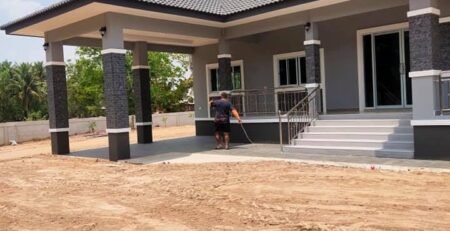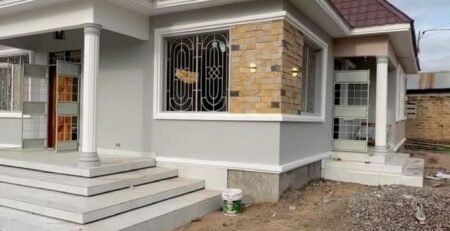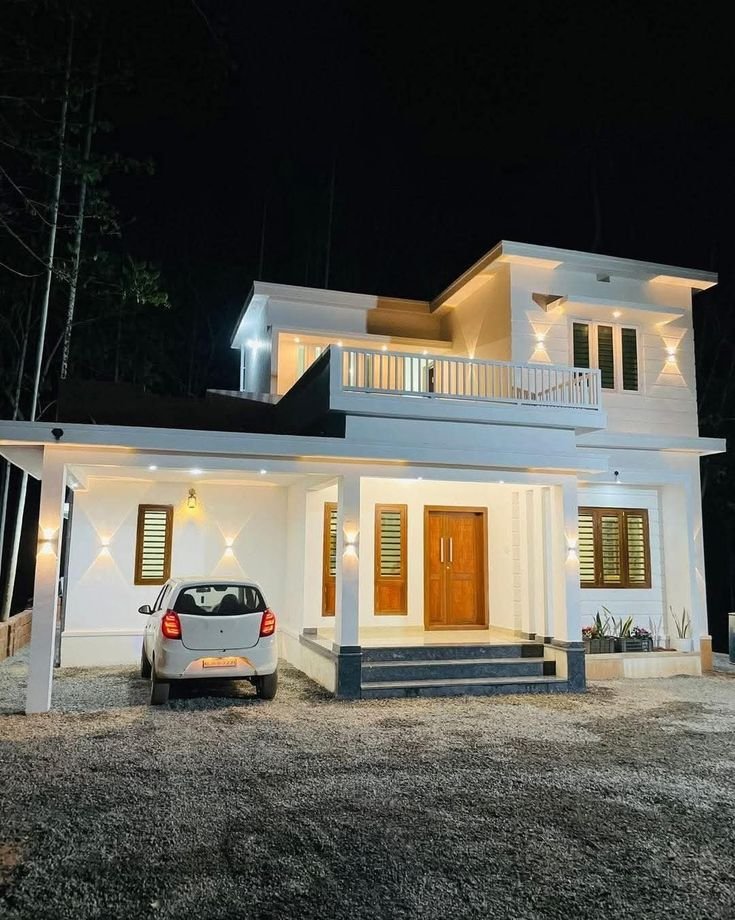
House Construction Companies in Kenya
House Construction Companies in Kenya: How to Find and Vet One
Kenya has no shortage of companies advertising house construction services — from established design-and-build firms to real estate developers who’ve added a “build on your land” package, to small contractor outfits working project by project. Furthermore, the range in quality, transparency, and reliability across these options is wide, and the marketing on most of their websites looks reassuringly similar regardless of how they actually perform on site.
This guide walks through how to actually find, shortlist, and vet a house construction company in Kenya — the practical steps, not just a list of names. If you want a direct comparison of specific companies first, see our guide to the top house construction companies in Kenya.
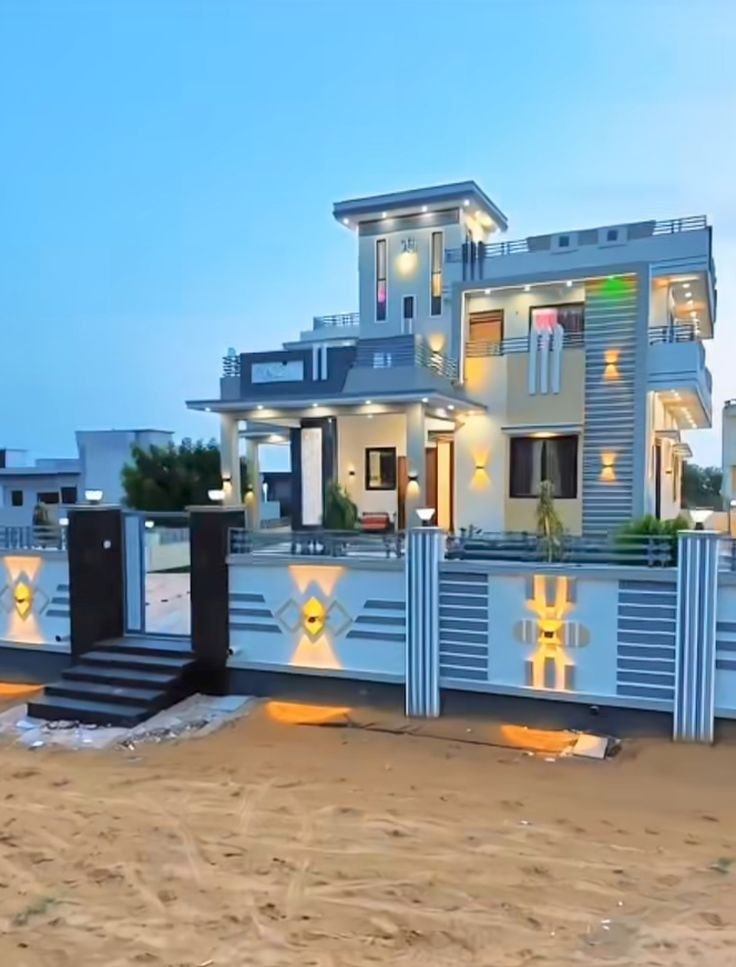
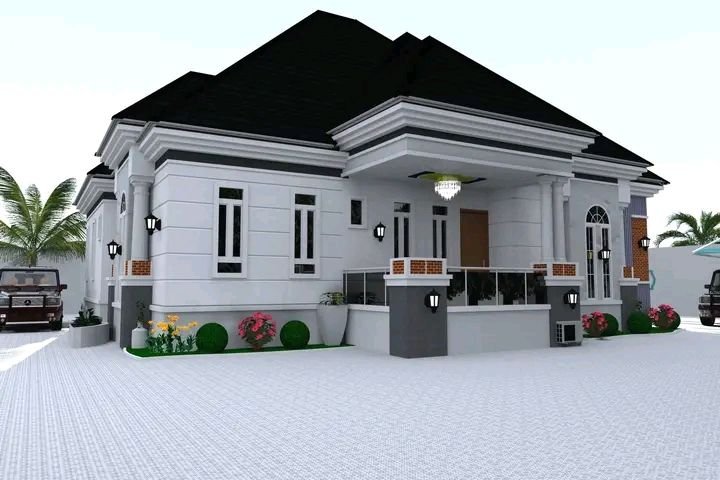
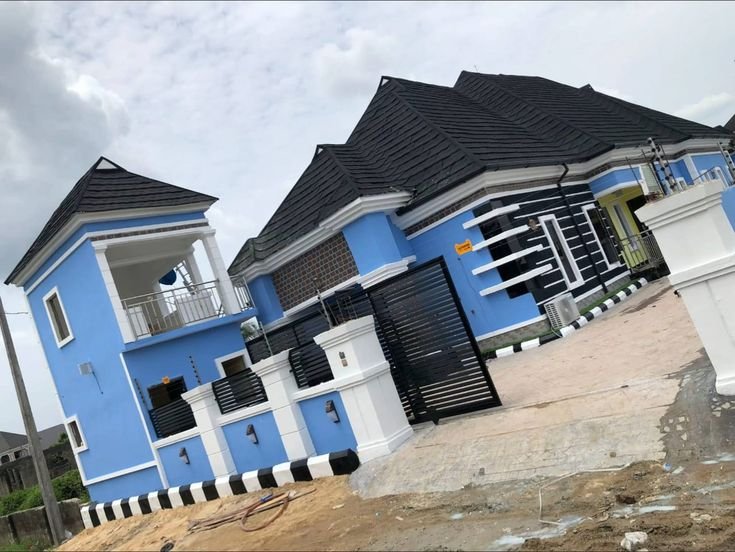
The Three Types of House Construction Companies in Kenya
Understanding which category a company falls into helps set the right expectations before you even start comparing quotes.
Design-and-build firms offer pre-designed house plans with published or near-published pricing, and manage the entire build in-house. This is often the fastest, most predictable route if one of their existing designs suits you.
Real estate developers with a construction arm primarily sell land or gated-community units, and have added a “build on your land” service as an extension of that business. These can be reliable, but construction is often not their core original competency, so it’s worth checking how long they’ve actually offered the build service specifically.
Independent contractors and smaller construction firms work project by project without a standard catalogue. These can offer more custom flexibility and sometimes lower costs, but come with more variability in quality and require closer personal vetting since there’s less of a public track record to check.
Step 1 — Get Your Land and Budget Ready First
Before contacting any construction company, confirm:
- Your title deed is clean and verified (no disputes, correct zoning for residential use)
- Site access — can construction vehicles and material deliveries reach the plot?
- A realistic total budget that includes a contingency of at least 10–15% above the base construction estimate
- Whether you’ll pay cash, or need a construction-linked financing option (some Kenyan builders now partner with banks for this)
Step 2 — Decide: Standard Plan or Fully Custom Design
If a design-and-build firm’s existing house plan catalogue already matches roughly what you want, going with a standard plan is usually faster and gives you a clearer, more comparable price upfront. Furthermore, a fully custom design gives complete control over layout and finishes, but adds architectural design fees and a longer pre-construction timeline.
Neither is inherently better — it depends on how specific your requirements are and how much time you want to spend in the design phase before ground is even broken.
Step 3 — Shortlist and Request Real, Itemized Quotations
Contact 3–4 companies and insist on a quotation broken down by construction stage — substructure/foundation, superstructure/walling, roofing, and finishes — rather than a single lump-sum number. Furthermore, a company that resists giving you this breakdown is a company that will be harder to hold accountable if costs escalate mid-project.
Step 4 — Visit an Active or Recently Completed Site
This is the single most reliable way to judge real build quality. Furthermore, marketing photography and 3D renders tell you almost nothing about workmanship, site management, or how the company handles problems — a live site visit tells you almost everything.
What to look for on a site visit:
- General site organization and safety practices
- Whether the crew appears to be direct staff or subcontracted, and how that’s managed
- Material storage conditions (cement, timber, and steel exposed to weather is a red flag for quality control)
- If possible, speak briefly with the site supervisor about the current stage and timeline
Step 5 — Check Financing Options If You Need Them
Some firms partner directly with banks for construction-linked mortgages. Furthermore, if you’re considering this route, compare the interest rate, required down payment, and repayment tenure across at least two options — the headline monthly installment figure often obscures a much higher total cost over the loan term.
Step 6 — Verify References Directly
Ask for contact details of at least one recent client and actually call them. Furthermore, ask that client specifically about timeline accuracy, whether the final cost matched the original quote, and how disputes or changes were handled — not just whether they’re happy with the finished house.
Step 7 — Get a Written Contract With Milestone-Based Payments
Your contract should specify exact materials and grades, a stage-by-stage timeline, and payments tied to verified construction milestones rather than calendar dates. Furthermore, it should include a defined structural warranty period and a clear process for handling variations or additional costs that arise mid-build.
Common Mistakes to Avoid
- Paying a large percentage upfront before any written contract is signed
- Approving a design from renders alone with no site visit to a comparable completed project
- Assuming interior finishing (kitchens, flooring, ceilings, wardrobes) is included in the construction quote — it usually isn’t, and needs its own separate budget
- Skipping reference checks because the company’s website and portfolio look polished
What Happens After Handover: Interior Finishing
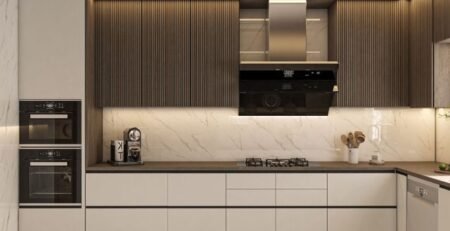
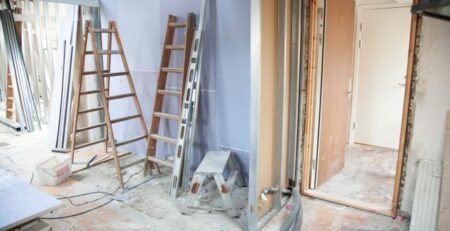
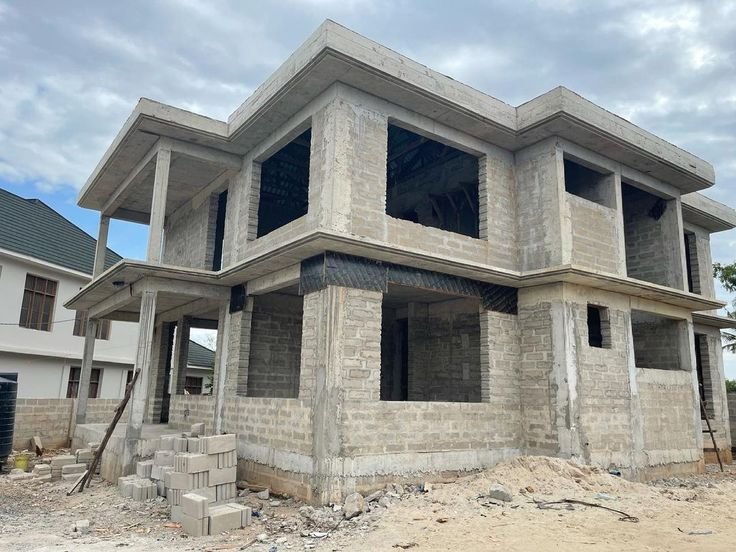
Structural handover typically means the shell, roofing, and basic electrical/plumbing rough-in are complete — not that the house is move-in ready. Furthermore, kitchen cabinetry, gypsum ceilings, flooring, wardrobes, wall finishes, and lighting design are usually a distinct project phase that most construction companies either subcontract out or don’t include at all.
Suimas Interiors handles this stage specifically: space planning, kitchen and living room interior design, gypsum ceilings and partitioning, flooring, wallpapers and wall effects, and blinds and curtains — through a clear three-stage process of space assessment, concept development, and execution and delivery. It’s worth getting this quoted separately and early, ideally while your house is still under construction, so the budget for it doesn’t come as a surprise at handover.
View Suimas interior finishing services → | See our residential interior design work →
For material and finish inspiration, also see the interiordesigners.co.ke portfolio and kitchen cabinets, wardrobes & joinery service.
Areas We Serve for Interior Finishing
Nairobi
We deliver interior finishing for newly built homes across all major Nairobi residential areas, including Karen, Kilimani, Lavington, Runda, Muthaiga, Gigiri, Westlands, Parklands, Kileleshwa, Hurlingham, Upperhill, Riverside, Milimani, Eastleigh, South B, South C, Langata, Embakasi, Kasarani, Ruaka, Thika Road, and the entire Nairobi CBD.
Mombasa
We also serve new-build interior finishing projects in Mombasa and along the coast, including Nyali, Bamburi, Kizingo, Shanzu, Diani, and Mtwapa — with coastal-specific expertise in humidity-resistant materials and finishes such as makuti ceiling treatments.
All 47 Counties
Beyond Nairobi and Mombasa, we deliver interior finishing services for new-build homes across all 47 counties in Kenya: Mombasa, Kwale, Kilifi, Tana River, Lamu, Taita-Taveta, Garissa, Wajir, Mandera, Marsabit, Isiolo, Meru, Tharaka-Nithi, Embu, Kitui, Machakos, Makueni, Nyandarua, Nyeri, Kirinyaga, Murang’a, Kiambu, Turkana, West Pokot, Samburu, Trans Nzoia, Uasin Gishu, Elgeyo-Marakwet, Nandi, Baringo, Laikipia, Nakuru, Narok, Kajiado, Kericho, Bomet, Kakamega, Vihiga, Bungoma, Busia, Siaya, Kisumu, Homa Bay, Migori, Kisii, Nyamira, and Nairobi.
📞 Get Your Interior Finishing Quote
Step 1 — Call 0717 044 443 / 0739 255 050 Step 2 — Book a free site assessment once your shell is complete or near completion Step 3 — Receive your itemized interior finishing quotation and design concept Step 4 — Approve your design and move in to a fully finished home
Frequently Asked Questions
How do I choose a house construction company in Kenya? Shortlist 3–4 companies, request itemized quotations broken down by construction stage, visit an active or recently completed site, verify at least one client reference directly, and sign a written contract with milestone-based payments before work begins.
What’s the difference between a design-and-build firm and a general contractor in Kenya? Design-and-build firms typically offer pre-designed house plans with published pricing and manage the whole project in-house. General contractors work more flexibly on custom designs but often have less standardized pricing and a smaller public track record to verify.
Does a construction quote in Kenya usually include interior finishing? Usually not to a fully move-in-ready standard. Kitchen cabinetry, flooring, gypsum ceilings, and wall finishes are typically a separate phase, worth budgeting and quoting for independently — see our guide to top house construction companies in Kenya for company comparisons, and contact Suimas directly for interior finishing quotes.
What’s the biggest mistake people make when hiring a construction company in Kenya? Paying a large upfront amount before signing a written, milestone-based contract, and skipping a site visit to a real, comparable completed project.