The Future of Interior Design in Kenya
🔮 The Future of Interior Design in Kenya
The Future of Interior Design in Kenya
The future of interior design in Kenya is bold, exciting, and transforming faster than at any point in the country’s history. Moreover, Kenyan homeowners, business owners, developers, and hospitality operators are embracing new design technologies, sustainable materials, and global aesthetic trends at an extraordinary pace. Therefore, understanding what the future holds for interior design in Kenya is essential for every homeowner, developer, and business owner planning a design project today or in the coming years.
At Suimas, we have been at the forefront of Kenya’s interior design industry for over 18 years. Furthermore, our expert team has watched Kenya’s design landscape evolve dramatically — from basic home finishing to sophisticated, globally competitive luxury interiors. As a result, we are uniquely positioned to share everything you need to know about where Kenya’s interior design industry is heading and what it means for your home, office, hotel, or commercial space.
This comprehensive guide covers every major trend, technology, and shift shaping the future of interior design in Kenya. Furthermore, it answers every question Kenya’s forward-thinking homeowners and business owners are asking today. Therefore, read every section — because the future of Kenya’s interiors is already here.
Where Kenya’s Interior Design Industry Is Today
Before exploring the future, it is important to understand where Kenya’s interior design industry stands right now. Furthermore, the growth of the sector over the past decade has been remarkable. Here is the current state of interior design in Kenya:
- Kenya’s interior design market has grown significantly alongside rapid urban development
- Nairobi has emerged as East Africa’s most sophisticated interior design hub
- Kenyan homeowners are increasingly informed, design-conscious, and quality-driven
- The appetite for premium, globally competitive interiors has never been stronger
- Local material craftsmanship — stone, timber, makuti, and artisan work — is gaining global recognition
- 3D visualization, digital design tools, and online inspiration platforms have transformed client expectations
- Kenya’s hospitality sector is driving demand for world-class hotel and lodge interior design
Consequently, Kenya’s interior design industry is entering its most exciting and transformative era. Additionally, the trends and technologies emerging right now will define how Kenyans live, work, and experience designed spaces for the next decade and beyond.
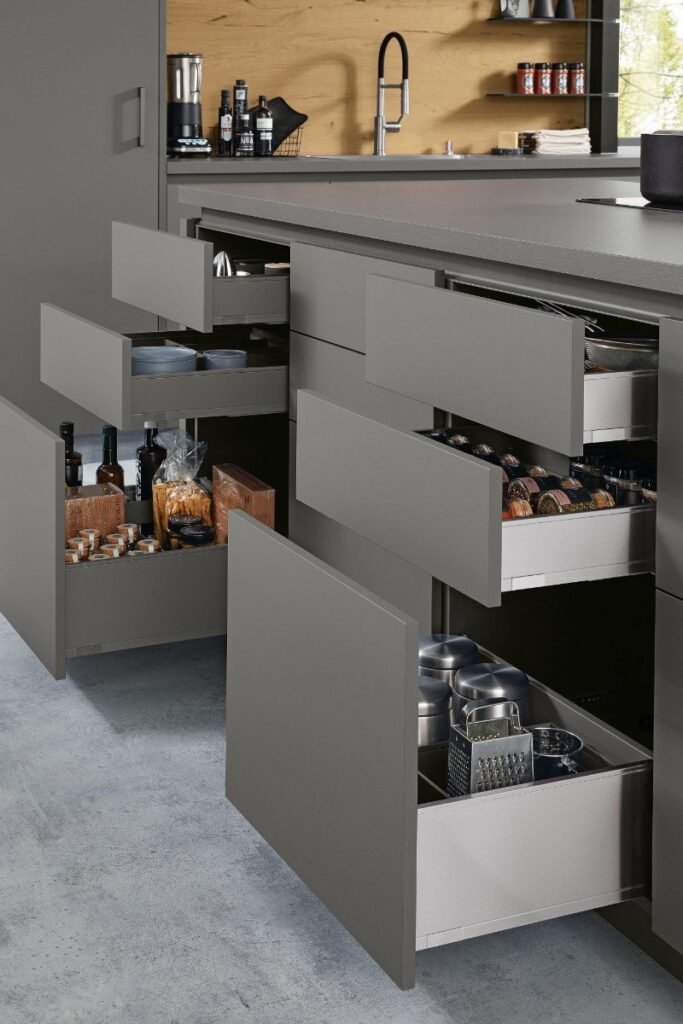
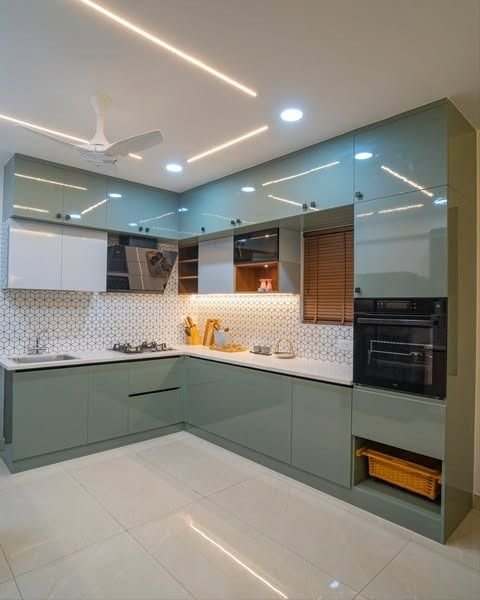
Trend 1 — Smart Home Technology Integration
Smart home technology is rapidly becoming the most significant driver of change in Kenya’s interior design landscape. Moreover, Nairobi’s tech-savvy, globally connected homeowners are increasingly demanding homes that are not just beautiful but genuinely intelligent. Here is what smart home integration means for the future of Kenya interior design:
What Smart Home Design Covers
- Integrated lighting systems — voice-controlled, app-operated, and mood-programmable LED systems
- Smart security — integrated CCTV, smart locks, motion sensors, and remote access systems
- Automated climate control — smart air conditioning and ventilation systems controlled from your phone
- Motorized window treatments — app-controlled blinds, curtains, and solar shading systems
- Integrated entertainment — whole-home audio, concealed screen systems, and smart TV integration
- Smart kitchen appliances — connected appliances with remote control and energy monitoring
Why This Matters for Kenya Homeowners
Smart home technology integration requires design planning from the very beginning of a project. Furthermore, retrofitting smart systems into completed homes is significantly more expensive than integrating them during the design and construction phase. Therefore, Kenya homeowners planning new builds or major renovations should engage interior designers who understand smart home design from day one.
Consequently, Suimas already integrates smart home planning into every relevant Kenya project. Additionally, our team works closely with smart home technology specialists to ensure every client’s home is future-ready from foundation to finishing.
Trend 2 — Biophilic Design — Bringing Nature Indoors
Biophilic design is one of the most powerful and fastest-growing trends in the future of interior design in Kenya. Moreover, biophilic design is the practice of integrating natural elements — plants, water, natural light, organic textures, and living materials — into interior spaces to create environments that promote human health, wellbeing, and happiness. Here is why biophilic design is the future for Kenya:
Key Biophilic Design Elements
- Living plant walls — vertical gardens integrated into living rooms, offices, and hotel lobbies
- Natural material celebrations — stone, timber, bamboo, sisal, and organic textiles throughout
- Maximized natural light — skylights, large windows, and light wells that flood spaces with daylight
- Water features — indoor water walls, courtyard fountains, and integrated water elements
- Natural colour palettes — earthy tones, botanical greens, and organic neutrals
- Organic shapes — curved furniture, irregular forms, and nature-inspired design elements
Why Biophilic Design Is Perfect for Kenya
Kenya’s extraordinary natural heritage — its landscapes, wildlife, flora, and cultural traditions — makes biophilic design a uniquely powerful and authentic choice for Kenya homeowners and businesses. Furthermore, biophilic environments have been proven to reduce stress, improve focus, enhance sleep quality, and increase overall wellbeing. Therefore, biophilic design is not just a trend for Kenya — it is a deeply culturally resonant design philosophy that will define Kenya’s best interiors for decades to come.
Trend 3 — Sustainable and Eco-Conscious Interior Design
Sustainability is rapidly moving from a niche preference to a mainstream expectation in Kenya’s interior design market. Moreover, Kenya’s next generation of homeowners, developers, and business owners is increasingly committed to environmental responsibility in every aspect of their lives — including their homes and offices. Here is what sustainable interior design looks like in Kenya’s future:
Sustainable Material Choices
- Reclaimed timber — beautiful, characterful, and environmentally responsible flooring and joinery
- Locally sourced stone — Kenya’s extraordinary stone resources used with minimal transportation impact
- Low-VOC paints and finishes — healthier indoor air quality for Kenya families and workers
- Recycled and upcycled materials — creative use of reclaimed materials in furniture and decorative elements
- Sustainable textiles — organic cotton, sisal, and natural fibre soft furnishings
- Energy-efficient lighting — LED systems that reduce electricity consumption significantly
Sustainable Design Practices
- Passive design strategies that maximize natural ventilation and reduce air conditioning dependence
- Solar panel integration designed into rooftop and facade aesthetics from the outset
- Rainwater harvesting systems integrated into landscape and building design
- Waste reduction protocols during construction and fit-out projects
- Long-life material specifications that reduce replacement frequency and environmental impact
Consequently, sustainable interior design is both environmentally responsible and financially smart for Kenya homeowners and businesses. Additionally, sustainably designed properties are increasingly preferred by Kenya’s most discerning buyers, tenants, and guests.
Trend 4 — AI-Powered Design and Visualization
Artificial intelligence is transforming interior design in Kenya and worldwide. Moreover, AI-powered design tools are making it faster, cheaper, and more accurate for Kenya homeowners and businesses to visualize, plan, and execute their interior design projects. Here is how AI is shaping the future of Kenya interior design:
AI Design Tools Transforming Kenya’s Market
- AI-powered 3D visualization — faster, more detailed, and more photorealistic renders than ever before
- Virtual reality walkthroughs — clients can walk through their designed space before work begins
- Augmented reality room planning — homeowners can place furniture in their real space using smartphone apps
- AI material matching — intelligent systems that suggest material combinations based on your preferences
- Generative design — AI creates multiple design concept options based on your style profile and budget
- Smart procurement — AI tools that source materials at optimal prices from Kenya’s supplier networks
What This Means for Kenya Homeowners and Businesses
AI design technology is making professional interior design more accessible, more transparent, and more accurate for every Kenya client. Furthermore, at Suimas we are continuously investing in the latest design visualization technologies to ensure every client benefits from the most advanced tools available. Therefore, Kenya homeowners and business owners working with Suimas today already experience the benefits of cutting-edge AI-enhanced design visualization.
Trend 5 — The Rise of Afrocentric and Culturally Authentic Design
One of the most exciting and culturally significant trends in the future of interior design in Kenya is the powerful rise of Afrocentric and culturally authentic design. Moreover, Kenya’s most forward-thinking homeowners and designers are moving decisively away from purely Western design references toward design languages that celebrate Africa’s extraordinary cultural richness. Here is what this trend means in practice:
Afrocentric Design Elements Taking Centre Stage
- Kenyan artisan crafts — handwoven baskets, carved wooden sculptures, and beaded decorative elements
- African textile celebrations — Kikoi, Maasai shuka, Kitenge, and traditional weave patterns in upholstery and soft furnishings
- Earthy, Africa-inspired colour palettes — terracotta, ochre, deep browns, forest greens, and savannah neutrals
- Makuti and natural thatching — traditional Kenyan roofing and interior ceiling treatments experiencing a luxury revival
- Local stone and timber — Kenya’s extraordinary natural building materials celebrated rather than replaced
- African art collections — curated contemporary and traditional African art as central design statements
Why Afrocentric Design Is the Future
Kenya’s most prestigious hotels, luxury homes, and high-end commercial spaces are increasingly defined by their authentic African character — not by how closely they imitate Western design styles. Furthermore, international design audiences are increasingly drawn to spaces that are genuinely, authentically African. Therefore, Afrocentric design is not just a trend for Kenya — it is a cultural and commercial renaissance that is positioning Kenya’s best designers on the world stage.
Trend 6 — Multifunctional and Flexible Space Design
Kenya’s rapidly evolving work culture — accelerated dramatically by the rise of remote working — is fundamentally changing how Kenyans think about their home and office spaces. Moreover, the demand for multifunctional, flexible spaces that serve multiple purposes throughout the day is one of the most practical and significant trends shaping the future of Kenya interior design. Here is what this looks like in practice:
Multifunctional Home Design
- Home office integration — dedicated, beautifully designed work-from-home spaces within residential projects
- Flexible guest rooms — spaces that function as both home offices and guest bedrooms
- Convertible living areas — furniture systems and layouts that adapt to different daily activities
- Study and learning zones — dedicated children’s study spaces integrated into family home designs
- Home gym and wellness rooms — dedicated fitness and meditation spaces in premium Kenya homes
Multifunctional Office Design
- Activity-based working environments — offices designed for collaboration, focus, and social connection simultaneously
- Hot-desking and flexible workstation systems — premium office environments without fixed personal desks
- Integrated hospitality areas — client entertainment and team social spaces within office designs
- Wellness integration — meditation rooms, prayer spaces, and relaxation areas within commercial offices
Consequently, multifunctional design is making Kenya’s homes and offices more versatile, more valuable, and better suited to the realities of modern Kenyan life. Additionally, flexible design strategies consistently deliver stronger property values and greater long-term user satisfaction.
Trend 7 — Wellness-Centred Design
The wellness movement is transforming Kenya’s interior design landscape in profound and lasting ways. Moreover, Kenya’s most health-conscious homeowners and progressive employers are increasingly demanding spaces that actively support physical health, mental wellbeing, and daily human flourishing. Here is how wellness-centred design is shaping Kenya’s future interiors:
Wellness Design in Kenya Homes
- Circadian lighting systems that support natural sleep and wake cycles
- Acoustic design that reduces noise stress in busy Nairobi residential environments
- Air quality improvements — natural ventilation, air-purifying plants, and low-VOC materials
- Ergonomic furniture selections that prevent back pain and posture problems
- Dedicated meditation, yoga, and mindfulness spaces within home designs
- Spa-inspired bathrooms that transform daily routines into restorative rituals
Wellness Design in Kenya Offices and Commercial Spaces
- Ergonomic workstation design that supports employee physical health all day
- Biophilic breakout zones that reduce workplace stress and improve focus
- Natural light maximization strategies that boost employee mood and productivity
- Acoustic privacy solutions that support focused work and mental clarity
- Wellness amenities — gyms, meditation rooms, and outdoor terraces within office designs
Therefore, wellness-centred design is not a luxury add-on for Kenya’s future interiors — it is a fundamental design priority. Moreover, spaces designed around human wellbeing consistently deliver stronger employee retention, higher productivity, better guest reviews, and stronger property values.
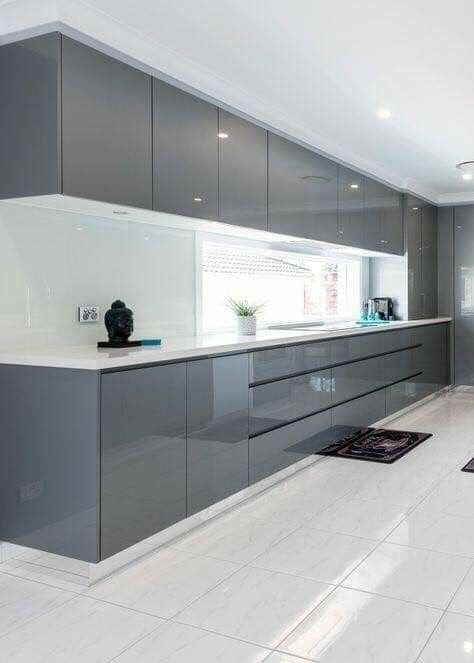
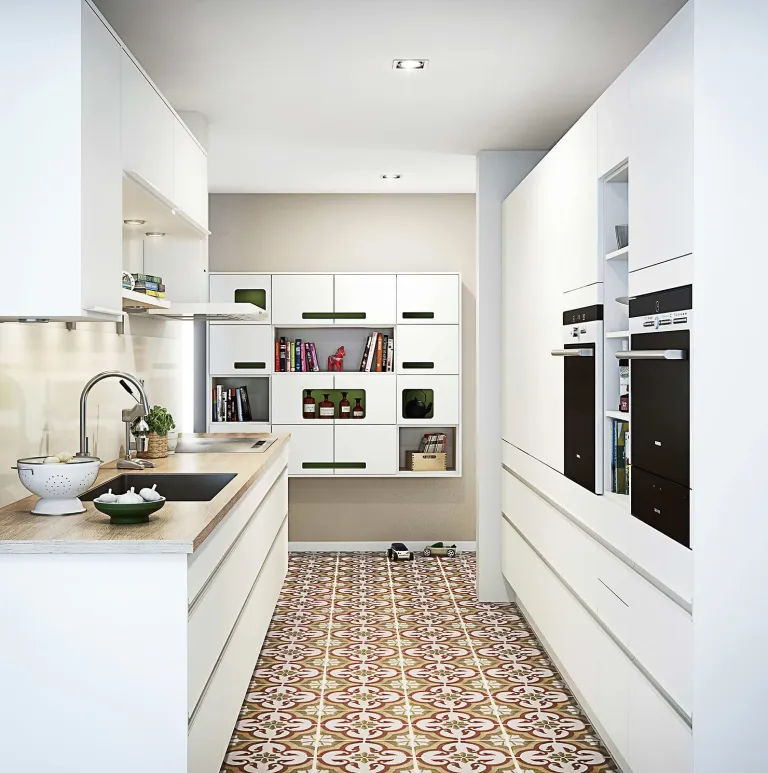
Trend 8 — Luxury Minimalism — Less But Better
Across Kenya’s premium home and office design market, a powerful shift toward luxury minimalism is redefining what sophisticated design looks like. Moreover, Kenya’s most discerning clients are moving away from maximalist decoration toward spaces defined by restraint, quality, and deliberate simplicity. Here is what luxury minimalism means for Kenya’s future interiors:
Defining Characteristics of Luxury Minimalism in Kenya
- Exceptional material quality — fewer elements, but every element is premium, beautiful, and perfectly crafted
- Deliberate simplicity — clean lines, uncluttered surfaces, and purposeful negative space
- Tonal colour palettes — sophisticated monochromatic and near-neutral colour schemes
- Concealed storage — bespoke joinery that keeps every surface clean and organized
- Statement singular pieces — one extraordinary piece of art, furniture, or material as the design anchor
- Texture over pattern — rich material textures replacing busy decorative patterns
Consequently, luxury minimalism delivers spaces that feel simultaneously calming, impressive, and deeply sophisticated. Additionally, minimalist design ages exceptionally well — making it one of the most financially sound design approaches for Kenya homeowners and business owners.
Trend 9 — The Growth of Kenya’s Hospitality Interior Design Sector
Kenya’s extraordinary tourism industry is driving a hospitality interior design boom that will continue to accelerate through the coming decade. Moreover, Kenya’s world-famous safari lodges, coastal beach resorts, Nairobi city hotels, and boutique retreat properties are all investing heavily in interior design as a direct revenue and competitive differentiation strategy. Here is what this means for Kenya’s design future:
- Safari lodge interior design is increasingly defined by authentic African luxury rather than imported styles
- Beach resort design is embracing coastal Kenyan culture — makuti, dhow timber, and coral stone
- City hotels are investing in bold, contemporary design to attract international business and leisure travellers
- Boutique and eco-properties are pioneering sustainable luxury hospitality design with global recognition
- Airbnb and short-term rental operators are investing in premium interior design to maximize nightly rates
Therefore, Kenya’s hospitality sector will continue to be one of the most powerful drivers of innovation and excellence in the country’s interior design industry. Moreover, the standards set by Kenya’s best hospitality interiors are continuously raising expectations for residential and commercial design across the country.
Trend 10 — Technology-Enhanced Project Management
The future of interior design project management in Kenya is being transformed by digital technology. Furthermore, Kenya’s most professional interior design companies are adopting project management platforms, digital communication tools, and real-time progress tracking systems that deliver unprecedented transparency and accountability for clients. Here is what this means in practice:
- Digital project dashboards — real-time project progress visible to clients at any time
- WhatsApp-based progress reporting — regular photo and video updates directly to client phones
- Digital procurement tracking — complete transparency on material orders, deliveries, and costs
- Cloud-based design collaboration — clients can review and comment on designs from anywhere in the world
- 3D and VR design approval — clients approve final designs in immersive virtual reality environments
Consequently, technology-enhanced project management is making Kenya’s interior design industry more transparent, more accountable, and more accessible for diaspora and international clients. Additionally, it is raising professional standards across the industry in ways that benefit every Kenya client.
What the Future of Interior Design Means for You in Kenya
Whether you are a homeowner, developer, hotel operator, or business owner, the future of interior design in Kenya presents extraordinary opportunities. Furthermore, understanding these trends enables you to make smarter design decisions that will keep your property relevant, valuable, and beautiful for years to come. Here is what the future means practically for different Kenya client types:
For Kenya Homeowners
- Invest in smart home infrastructure during your build or renovation — retrofitting is expensive
- Embrace biophilic and sustainable materials that are both beautiful and environmentally responsible
- Work with designers who understand Afrocentric design and can authentically integrate Kenya’s cultural heritage
- Prioritize wellness-centred design elements that improve your family’s daily health and happiness
- Choose luxury minimalism over decorative maximalism for designs that age beautifully
Kenya Business Owners and Developers
- Design office spaces that support flexible, activity-based working patterns
- Invest in wellness-centred commercial design that attracts and retains top talent
- Integrate smart building technology from the earliest design stage
- Choose sustainable materials and practices that align with Kenya’s growing ESG consciousness
- Work with designers who understand both global trends and Kenya’s unique market context
Kenya Hospitality Operators
- Invest in authentic Afrocentric and culturally specific design that differentiates your property globally
- Embrace sustainable luxury as the defining design philosophy for your property
- Use 3D visualization and professional design to maximize your property’s social media appeal
- Engage designers from the earliest planning stage to integrate design into your building structure
Why Suimas Is Your Partner for Kenya’s Design Future
Suimas is uniquely positioned to lead Kenya’s interior design evolution. Furthermore, our 18+ year track record of innovation, excellence, and client satisfaction makes us the ideal partner for every forward-thinking Kenya homeowner and business owner. Here is why:
- 18+ years at the forefront of Kenya’s interior design industry
- Continuous investment in the latest design technology — 3D visualization, AI tools, and digital project management
- Deep expertise in biophilic, sustainable, and Afrocentric design principles
- Full-service approach that integrates smart home planning from the earliest project stage
- Strong professional network across Kenya’s best suppliers, contractors, and specialist tradespeople
- Collaborative, client-centred process that puts your vision at the heart of every decision
- Proven results delivering projects that consistently exceed client expectations
Our Interior Design Services in Kenya
- Hotel & Hospitality Interior Design
- Commercial Interior Design
- Office Interior Design & Fit-Outs
- 3D Interior Design Renders
- Bedroom Interior Design
- Bathroom Interior Designs
- Kitchen Cabinets, Wardrobes & Joinery
- Gypsum Ceilings & Integrated Lighting
- Makuti Interior Design Services
- Renovation Services
Contact Kenya’s Most Forward-Thinking Interior Design Company Today
Therefore, if you are ready to embrace the future of interior design for your Kenya home, office, or hospitality property, contact us here for a free consultation today.
Nairobi Areas We Serve
We proudly serve all major Nairobi areas including Westlands, Karen, Kilimani, Lavington, Runda, Muthaiga, Gigiri, Parklands, Kileleshwa, Hurlingham, Upperhill, Riverside, Milimani, Eastleigh, South B, South C, Langata, Embakasi, Kasarani, Ruaka, Thika Road, and the entire Nairobi CBD.
Our Interior Design Services Across All 47 Counties
Moreover, we deliver interior design services throughout all 47 counties in Kenya: Mombasa, Kwale, Kilifi, Tana River, Lamu, Taita-Taveta, Garissa, Wajir, Mandera, Marsabit, Isiolo, Meru, Tharaka-Nithi, Embu, Kitui, Machakos, Makueni, Nyandarua, Nyeri, Kirinyaga, Murang’a, Kiambu, Turkana, West Pokot, Samburu, Trans Nzoia, Uasin Gishu, Elgeyo-Marakwet, Nandi, Baringo, Laikipia, Nakuru, Narok, Kajiado, Kericho, Bomet, Kakamega, Vihiga, Bungoma, Busia, Siaya, Kisumu, Homa Bay, Migori, Kisii, Nyamira, and Nairobi.
Frequently Asked Questions
What is the future of interior design in Kenya? The future is defined by smart home technology, biophilic design, sustainability, AI visualization, Afrocentric aesthetics, wellness-centred spaces, and luxury minimalism — all accelerating rapidly across Kenya’s home, office, and hospitality design markets.
What is biophilic design and why is it important in Kenya? Biophilic design integrates natural elements — plants, stone, timber, natural light, and water — into interior spaces. It is perfect for Kenya because it celebrates the country’s extraordinary natural heritage while creating healthier, calmer, and more inspiring living and working environments.
How is AI changing interior design in Kenya? AI is making design visualization faster and more photorealistic, enabling virtual reality walkthroughs before work begins, improving material sourcing, and making professional interior design more accessible and accurate for every Kenya client.
What is Afrocentric interior design in Kenya? Afrocentric design celebrates Kenya’s rich cultural heritage through local materials, artisan crafts, African textiles, earthy colour palettes, makuti, and authentic African art — creating spaces that are genuinely and proudly Kenyan rather than Western imitations.
Is sustainable interior design available in Kenya? Absolutely. Suimas integrates sustainable materials, low-VOC finishes, energy-efficient lighting, reclaimed timber, and locally sourced stone into projects across all 47 counties — delivering beautiful, environmentally responsible interiors at every budget level.
How do I future-proof my Kenya home or office interior design? Work with an experienced Kenya interior designer from the earliest planning stage. Integrate smart home infrastructure, choose sustainable materials, embrace biophilic and wellness design principles, and select timeless design approaches that will remain beautiful and relevant for decades to come.