- Call Us: 0717044443 / 0739255050 / 0725021709
- Email: info@suimas.co.ke / info@interiordesigners.co.ke

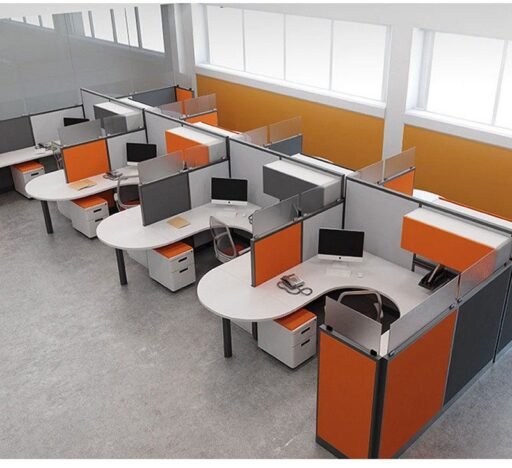
Sustainable interior design in Kenya
- Description
Description
Sustainable Interior Design in Kenya | Eco-Friendly, Energy-Efficient & Stylish Spaces
Sustainable interior design in Kenya is becoming an increasingly important part of how homes, offices, hospitality spaces and commercial properties are designed. Rather than focusing only on appearance, sustainable interiors consider energy efficiency, material selection, indoor environmental quality, durability, waste reduction and responsible use of resources.
The Kenya Green Building Society (KGBS) defines green buildings around goals such as improving air quality, increasing energy efficiency, conserving water, using sustainable materials, reducing waste and creating healthier spaces. Its 2025 Green Buildings Pocket Guide also highlights local and sustainable materials and passive-design opportunities suited to Kenya’s climate.
At SUIMAS, sustainability can be incorporated into residential and commercial interiors through thoughtful space planning, durable materials, natural elements, energy-conscious lighting, efficient layouts and practical finishes.
What We Offer
SUIMAS provides interior solutions that can support more sustainable spaces:
- Residential Interior Design – Sustainable planning for homes, apartments and villas.
- Kitchen Interior Design – Efficient layouts, cabinetry, storage and durable finishes.
- Custom Kitchen Cabinets – Bespoke cabinetry designed around the available space.
- Living Room Interior Design – Natural materials, efficient layouts and long-lasting interior solutions.
- Bedroom Interior Design – Comfortable spaces using considered lighting, finishes and storage.
- Floor Installation Services – Flooring selected and installed as part of the wider interior.
- Laminate Floor Installation – Practical flooring for contemporary residential interiors.
- Painting & Special Effects – Interior finishes that can be selected with indoor environmental quality in mind.
- Bamboo Window Blinds – A renewable material option for shading, privacy and light control.
- Interior Fit-Out Solutions – Coordinated procurement, installation and project execution.
- Commercial Interior Design – Sustainable approaches for offices, retail and other commercial spaces.
- Contact SUIMAS – Discuss your sustainable interior project.
What Is Sustainable Interior Design?
Sustainable interior design considers the environmental and human impact of a space throughout its useful life.
It can involve:
Material selection + energy efficiency + natural light + ventilation + durability + waste reduction + responsible sourcing + occupant comfort
The aim is not simply to make a room look “green.” The goal is to create an interior that performs well while reducing unnecessary environmental impact.
Why Sustainable Interior Design Matters in Kenya
Kenya’s built environment is increasingly focused on greener and more resource-efficient development.
KGBS states that Kenya’s green-building movement focuses on environmentally responsible, resource-efficient and socially responsible structures. Its 2025 materials guidance also encourages locally sourced and sustainable materials that can reduce environmental impact, lower costs and support local economies.
The State Department for Public Works is also developing Green Building Standards, 2026, intended to mainstream green-building practices and establish criteria for sustainable, resource-efficient and environmentally responsible construction.
For interior design, this makes sustainability increasingly relevant to both new projects and renovations.
1. Choose Sustainable & Locally Sourced Materials
One of the most practical approaches is choosing materials that are suitable for the Kenyan context.
Potential options include:
- Locally sourced timber
- Bamboo
- Sisal
- Natural stone
- Rattan
- Natural textiles
- Reclaimed timber
- Recycled or reused materials
- Low-impact finishes
KGBS specifically recommends locally sourced, sustainable materials and points to its Jenga Green Library as a resource for identifying sustainable materials and service providers in Kenya.
Local sourcing can also help reduce transport-related impacts while supporting Kenyan suppliers and artisans.
2. Design for Durability
One of the simplest ways to make an interior more sustainable is to ensure that the products do not need to be replaced frequently.
A durable interior can include:
- Strong cabinetry
- Hard-wearing flooring
- Quality hardware
- Repairable furniture
- Durable upholstery
- Long-lasting finishes
Sustainability is therefore not only about renewable materials. Longevity matters too.
3. Maximise Natural Light
Good interior planning can reduce dependence on artificial lighting during daylight hours.
Design strategies can include:
- Larger windows where possible
- Light-coloured walls
- Mirrors
- Glass partitions
- Sheer curtains
- Open layouts
- Reflective surfaces
Natural light can also improve the atmosphere and perceived spaciousness of a room.
4. Use Energy-Efficient Lighting
Lighting is a major part of interior energy use.
A sustainable lighting strategy can combine:
- LED lighting
- Task lighting
- Motion sensors
- Daylight-responsive controls
- Smart lighting
- Efficient fixtures
The goal is to provide the right amount of light where it is needed rather than lighting every part of a building equally at all times.
5. Improve Ventilation & Indoor Air Quality
Sustainable interiors should also support healthier indoor environments.
Consider:
- Natural ventilation
- Cross ventilation
- Low-emission finishes
- Good kitchen extraction
- Appropriate airflow
- Reduced indoor pollutants
- Natural materials where suitable
KGBS includes improved air quality and healthier spaces among core green-building objectives.
For homes and offices, material selection and ventilation should therefore be considered together.
6. Low-VOC Paints & Finishes
Paints, adhesives and some finishing products can contribute to indoor air pollutants.
Where appropriate, projects can consider:
- Low-VOC paints
- Water-based finishes
- Lower-emission adhesives
- Natural or low-impact decorative finishes
These choices should be evaluated based on the product’s actual specifications rather than simply relying on a “green” label.
7. Biophilic Interior Design
Biophilic design connects the interior with nature.
It can include:
- Indoor plants
- Natural timber
- Stone
- Bamboo
- Rattan
- Natural fabrics
- Green walls
- Courtyards
- Balconies
- Natural daylight
SUIMAS’ existing sustainable-interior content also highlights biophilic design and natural elements as part of modern Kenyan interiors.
8. Reuse Before Replacing
Renovation does not always require removing everything.
Where practical, sustainability can involve:
- Reusing existing furniture
- Refinishing cabinets
- Reusing doors
- Retaining sound flooring
- Repurposing timber
- Updating hardware
- Reusing decorative pieces
This can reduce waste and may also lower project costs.
9. Sustainable Kitchen Design
Kitchens present several opportunities for sustainable design.
Consider:
- Durable cabinetry
- Efficient appliances
- LED task lighting
- Natural ventilation
- Water-efficient fixtures
- Smart storage
- Long-lasting countertops
- Reduced material waste
SUIMAS’ kitchen services can be integrated into a broader sustainable interior strategy through space-efficient layouts and custom cabinetry.
10. Sustainable Furniture & Joinery
Furniture can have a significant environmental impact depending on how it is produced and how long it lasts.
Sustainable choices can include:
- Locally made furniture
- Solid, repairable construction
- Reclaimed timber
- Natural fabrics
- Modular furniture
- Multi-functional furniture
Custom joinery can also reduce awkward gaps and unnecessary replacement when designed around the actual room.
11. Sustainable Flooring
Flooring should be assessed based on:
- Durability
- Maintenance
- Material source
- Expected lifespan
- Installation requirements
- End-of-life possibilities
Potential options can include:
- Sustainable timber products
- Bamboo
- Natural stone
- Ceramic or porcelain tiles
- Selected laminate systems
- Reused or restored flooring where practical
The most sustainable option is not automatically the most expensive one.
12. Water-Conscious Interior Design
Although water systems are primarily an architectural and plumbing consideration, interior design can support better water efficiency.
For kitchens and bathrooms, consider:
- Water-efficient taps
- Appropriate fixtures
- Easy-to-clean surfaces
- Durable wet-area materials
- Leak-conscious layouts
KGBS identifies water conservation as one of the core objectives of green buildings.
13. Waste Reduction During Renovation
Renovation can generate substantial waste.
A more responsible approach can include:
Measure accurately → Design efficiently → Order correctly → Reuse where possible → Recycle suitable materials → Dispose responsibly
Good space planning can also reduce material offcuts.
14. Circular Interior Design
Circular design considers what happens to products beyond their first use.
Instead of choosing materials only for their initial appearance, designers can consider:
- Can the product be repaired?
- Can components be replaced?
- Can furniture be reused?
- Can materials be recycled?
- Can the space be adapted rather than demolished?
KGBS includes the Circular Built Environment Playbook among its sustainability resources, reflecting a broader shift toward more circular approaches in the built environment.
15. Sustainable Interiors for Small Apartments
Apartments benefit from sustainable design because efficient space planning can reduce unnecessary furniture and material use.
Useful strategies include:
- Built-in storage
- Multifunctional furniture
- Fold-away workspaces
- Full-height cabinets
- Modular storage
- Natural light
- Flexible rooms
Instead of buying more furniture to solve storage problems, thoughtful space planning can often solve the problem at the design stage.
16. Sustainable Office Interiors
Commercial interiors can apply sustainability through:
- Energy-efficient lighting
- Durable flooring
- Reusable furniture
- Natural daylight
- Indoor plants
- Acoustic solutions
- Flexible workspaces
- Smart energy controls
A flexible office can also reduce the need for frequent refurbishment as working patterns change.
17. Sustainable Retail & Hospitality Interiors
Retail stores, restaurants and hotels can combine sustainability with strong visual identity.
Potential strategies include:
- Durable finishes
- Locally made furniture
- Natural materials
- Energy-efficient lighting
- Reusable displays
- Efficient air conditioning
- Smart lighting controls
- Local artwork and craft
SUIMAS has already applied sustainability-focused approaches in hospitality work, including locally sourced natural materials, energy-saving lighting and water systems.
18. Smart Technology for Sustainable Interiors
Technology can support sustainability through:
- Automated lighting
- Occupancy sensors
- Smart thermostats
- Energy monitoring
- Automated blinds
- Smart appliances
- Timed systems
The best technology is technology that reduces unnecessary resource use while remaining simple for occupants to operate.
19. Sustainable Luxury
Sustainable design does not mean sacrificing style.
A luxury sustainable interior can combine:
- Bespoke joinery
- Natural materials
- High-quality craftsmanship
- Long-lasting furniture
- Energy-efficient lighting
- Local artwork
- Premium but responsible finishes
The focus changes from excess consumption to quality and longevity.
20. Climate-Responsive Interior Design
Kenya’s different regions require different approaches.
An interior designed for Mombasa may need different ventilation, shading and material considerations from one designed for Nairobi, Nakuru or Eldoret.
Climate-responsive design may consider:
- Solar exposure
- Natural ventilation
- Window treatments
- Thermal comfort
- Material selection
- Humidity
- Outdoor-indoor connections
KGBS’ green-building guidance specifically encourages designers to leverage regional climate advantages and materials suited to passive-design strategies.
Sustainable Interior Design for Nairobi Homes
For homes in Karen, Runda, Kilimani, Kileleshwa, Lavington, Westlands and other Nairobi areas, sustainable interiors can focus on:
Natural light + efficient storage + durable materials + low-emission finishes + energy-efficient lighting + greenery
For apartments, space efficiency becomes especially important. Built-in storage and multifunctional furniture can reduce clutter and avoid unnecessary furniture purchases.
Sustainable Interior Design for Kenyan Coastal Homes
In Mombasa, Nyali, Bamburi, Diani, Malindi and other coastal areas, designers can consider:
- Natural ventilation
- Solar control
- Lightweight natural materials
- Moisture-resistant finishes
- Durable furniture
- Outdoor-indoor connections
- Appropriate window treatments
The design should respond to the local climate rather than simply copying an inland interior.
How to Choose Sustainable Interior Materials
Before choosing a material, ask:
Where was it sourced?
Local sourcing may help reduce transport impacts and support local businesses.
How long will it last?
Durability can be more sustainable than frequent replacement.
How is it maintained?
Materials that require intensive maintenance may have a different lifecycle impact.
Can it be repaired?
Repairable products can remain useful longer.
Can it be reused or recycled?
Consider the material’s end-of-life pathway.
Does it support indoor health?
For interiors, consider emissions, ventilation and indoor air quality.
KGBS’ Jenga Green Library was specifically created to help developers, homeowners and other built-environment stakeholders identify sustainable materials, service providers and consultants in Kenya.
Sustainable Interior Design Certifications & Green Standards
Sustainability can also be connected to recognised building-performance systems.
KGBS identifies several green-building certification systems relevant to Kenya, including:
- IFC EDGE
- LEED
- Green Star
- Safari Green Building Index (SGBI)
KGBS notes that these systems address areas such as energy efficiency, water conservation, sustainable materials, indoor environmental quality and other sustainability goals.
Interior design contributes to some of these outcomes through materials, lighting, finishes, water fixtures, space planning and occupant comfort, although whole-building certification involves much more than interiors alone.
What Makes a Sustainable Interior Different?
A sustainable interior is not simply a room filled with plants and natural colours.
It considers:
Resource efficiency + material responsibility + durability + indoor health + adaptability + waste reduction
That is what separates genuine sustainability from a purely decorative “eco” aesthetic.
Why Choose SUIMAS for Sustainable Interior Design?
- Sustainability-Minded Planning – Environmental considerations can be incorporated into the design brief.
- Material Guidance – Materials can be evaluated according to use, durability and project requirements.
- Space Efficiency – Better planning can reduce unnecessary furniture and material use.
- Natural Elements – Sustainable and biophilic materials can be incorporated where appropriate.
- Energy-Conscious Design – Lighting and space planning can support efficient resource use.
- Custom Solutions – Furniture, cabinetry and storage can be designed around the actual space.
- Kenya-Wide Service – SUIMAS provides interior solutions across Kenya.
Related Services We Offer
- Residential Interior Design – Sustainable and practical solutions for homes and apartments.
- Kitchen Interior Design – Efficient kitchen layouts, cabinetry, storage and finishes.
- Custom Kitchen Cabinets – Bespoke cabinetry designed around your space.
- Living Room Interior Design – Natural materials, efficient layouts and durable furnishings.
- Bedroom Interior Design – Comfortable, efficient and personalised bedroom interiors.
- Floor Installation Services – Flooring coordinated with the sustainability and performance requirements of the project.
- Laminate Floor Installation – Practical flooring for contemporary interiors.
- Bamboo Window Blinds – Renewable bamboo shading and privacy solutions.
- Painting & Special Effects – Interior finishes and decorative treatments.
- Commercial Interior Design – Sustainable approaches for offices and commercial spaces.
- Interior Fit-Out Solutions – Coordinated project execution and installation.
- Contact SUIMAS – Discuss your sustainable interior design requirements.
External Resource
For independent Kenyan guidance on green-building materials and sustainable built-environment practices, explore the Kenya Green Building Society. Its 2025 Green Buildings Pocket Guide covers sustainable materials, energy efficiency, water conservation, healthier spaces and green-building standards relevant to Kenya.
For a broader practical perspective on eco-friendly interior design in Kenya, see Eco-Friendly Interior Designers from InteriorDesigners.co.ke. It covers sustainable materials, low-VOC paints, energy-efficient lighting and environmentally conscious renovation.
Frequently Asked Questions
What is sustainable interior design?
Sustainable interior design aims to create attractive and functional spaces while considering resource efficiency, material impacts, indoor environmental quality, durability and waste reduction.
Is sustainable interior design expensive?
Not necessarily. Some sustainable choices can cost more initially, while others—such as efficient lighting, durable materials, reuse and better space planning—can reduce long-term costs. KGBS also highlights climate-smart, cost-effective alternatives for Kenya’s built environment.
What materials are suitable for sustainable interiors in Kenya?
Depending on the application, options can include locally sourced timber, bamboo, sisal, natural stone, reclaimed materials, natural fabrics and other responsibly sourced or durable products.
Can a sustainable interior still look luxurious?
Yes. Sustainable interiors can use high-quality craftsmanship, natural materials, bespoke joinery, refined lighting and carefully selected finishes.
Can sustainable design work in small apartments?
Yes. Efficient space planning, multifunctional furniture, built-in storage and natural lighting can make compact homes both sustainable and comfortable.
Are green building certifications relevant to interiors?
They can be. KGBS identifies EDGE, LEED, Green Star and SGBI as certification systems that address wider building sustainability. Interior decisions can contribute to factors such as energy efficiency, water use, materials and indoor environmental quality.
Does SUIMAS provide sustainable interior design?
SUIMAS already incorporates sustainability-oriented materials and solutions in selected interior projects, including natural materials, energy-saving lighting and water systems, and bamboo window treatments.
Areas We Serve
SUIMAS provides sustainable interior design, residential interiors, commercial interiors, kitchen design, flooring, painting and related services across Nairobi, Mombasa and all 47 counties in Kenya.
Sustainable Interior Designers in Nairobi
We serve Westlands, Kilimani, Kileleshwa, Lavington, Karen, Runda, Parklands, Riverside, Muthaiga, Loresho, Kitisuru, Spring Valley, Lang’ata, South C, South B, Upper Hill, Ngong Road, Kasarani, Roysambu, Ruaraka, Garden Estate, Donholm, Buruburu, Umoja, Komarock, Kayole, Embakasi, Utawala, Ruai, Eastleigh, Ngara, Pangani, Nairobi CBD and surrounding areas.
Sustainable Interior Designers in Mombasa
We serve Nyali, Bamburi, Kisauni, Likoni, Tudor, Changamwe, Miritini, Port Reitz, Mikindani, Shanzu, Mwembe Tayari, Majengo and surrounding areas.
We also serve wider coastal locations, including Kilifi, Malindi, Diani and Ukunda, depending on project requirements.
Sustainable Interior Design Across All 47 Counties in Kenya
- Central Kenya: Kiambu, Murang’a, Kirinyaga, Nyeri and Nyandarua.
- Nairobi: Nairobi County.
- Coast: Mombasa, Kilifi, Kwale, Taita-Taveta, Tana River and Lamu.
- Eastern: Machakos, Makueni, Kitui, Embu, Tharaka-Nithi, Meru, Isiolo and Marsabit.
- North Eastern: Garissa, Wajir and Mandera.
- Nyanza: Kisumu, Siaya, Kisii, Nyamira, Homa Bay and Migori.
- Western: Kakamega, Vihiga, Bungoma and Busia.
- Rift Valley: Nakuru, Narok, Kajiado, Kericho, Bomet, Laikipia, Nandi, Baringo, Elgeyo-Marakwet, Uasin Gishu, Trans Nzoia, West Pokot, Samburu and Turkana.
Design a More Sustainable Interior With SUIMAS
Sustainable interior design in Kenya is moving beyond the idea of simply using “green” products. The stronger approach combines responsible materials, efficient lighting, natural elements, durability, smart space planning, healthier interiors and long-term adaptability.
SUIMAS can incorporate these principles into residential and commercial projects while adapting them to the property’s location, climate, purpose and budget.
Start Your Sustainable Interior Design Project
Call: 0717 044 443 / 0739 255 050 / 0725 021 709
Email: info@suimas.co.ke
Contact SUIMAS for Sustainable Interior Design