- Call Us: 0717044443 / 0739255050 / 0725021709
- Email: info@suimas.co.ke / info@interiordesigners.co.ke

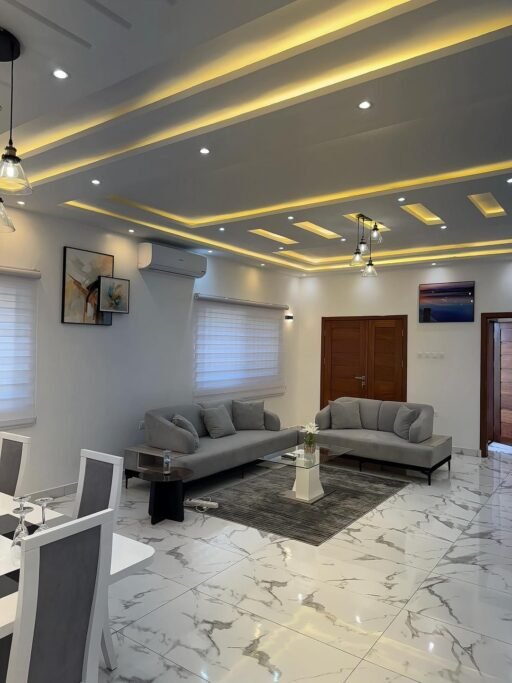
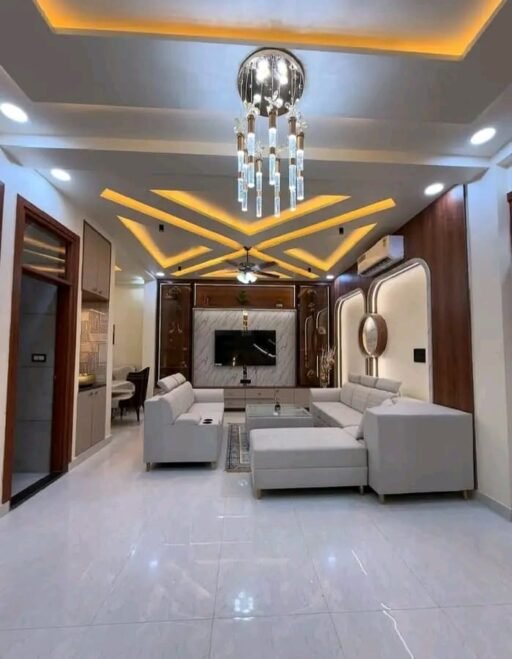
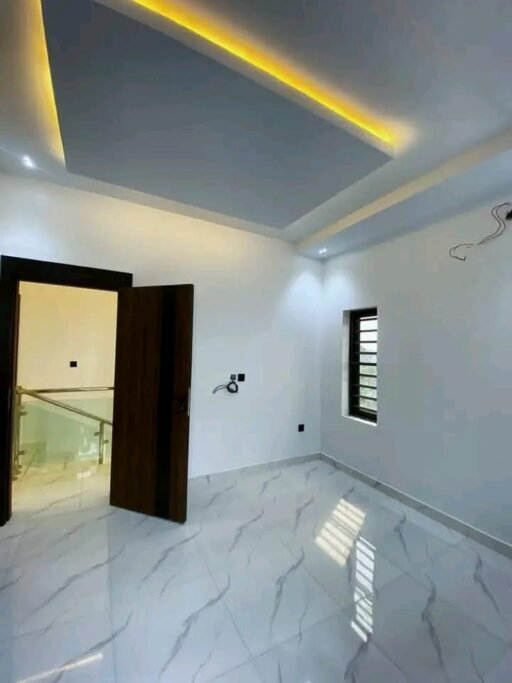
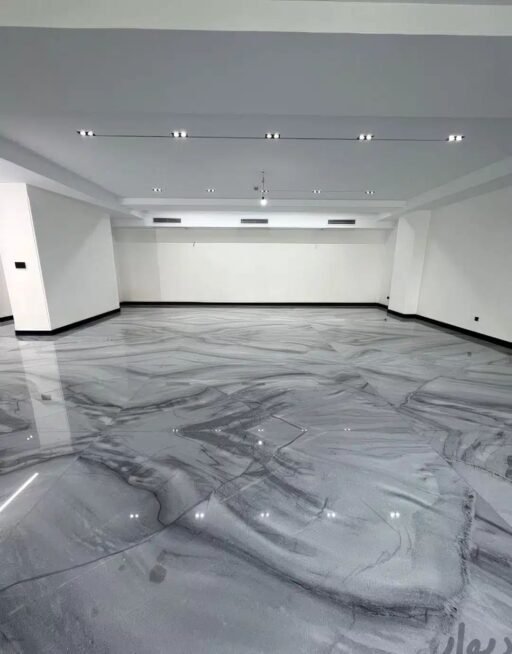
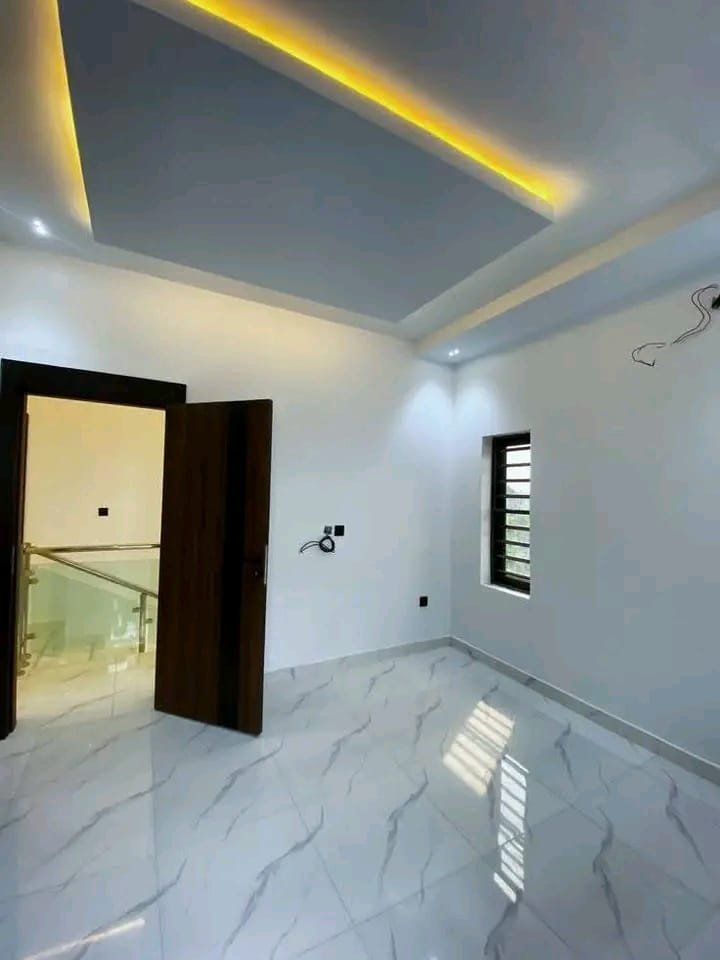
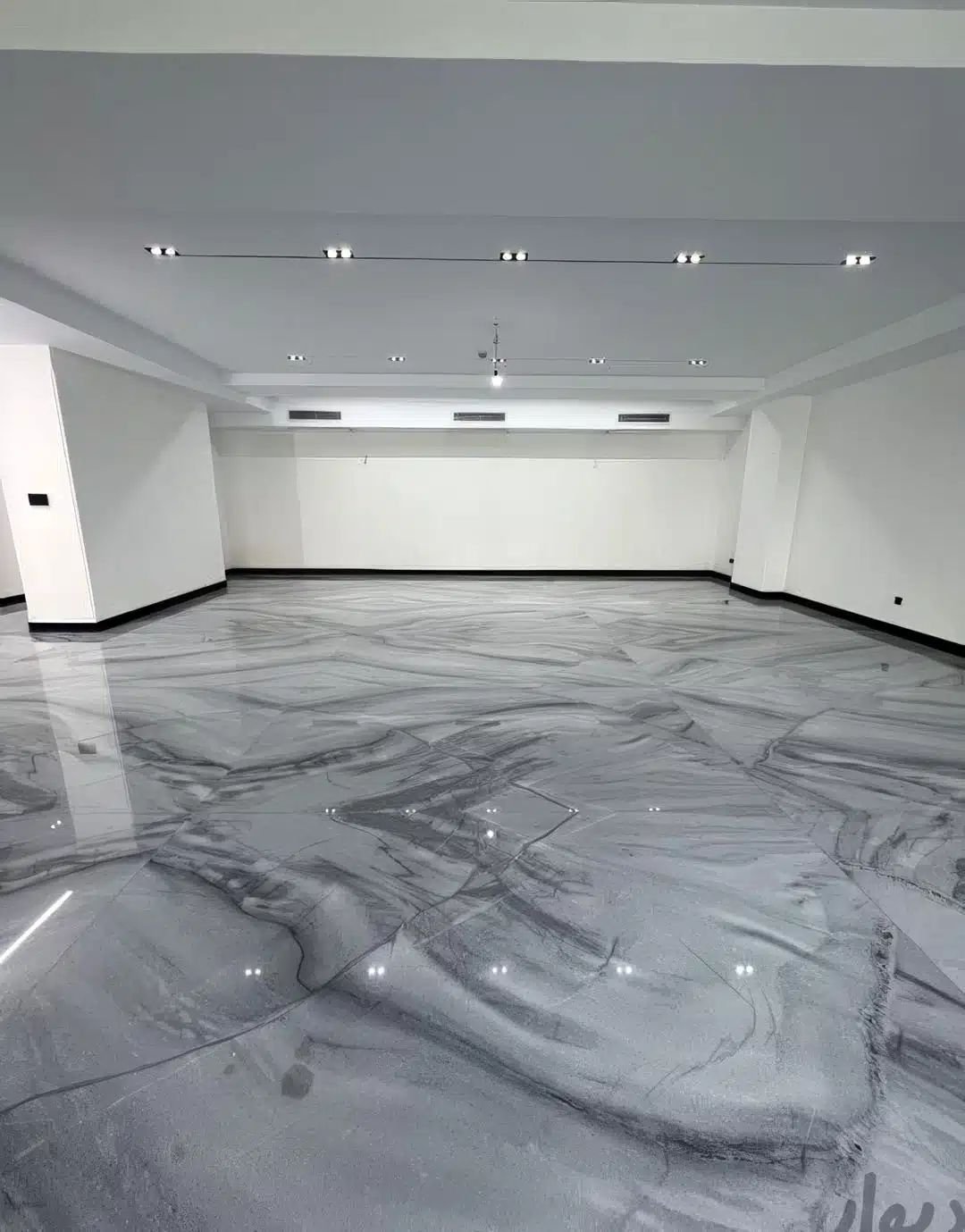
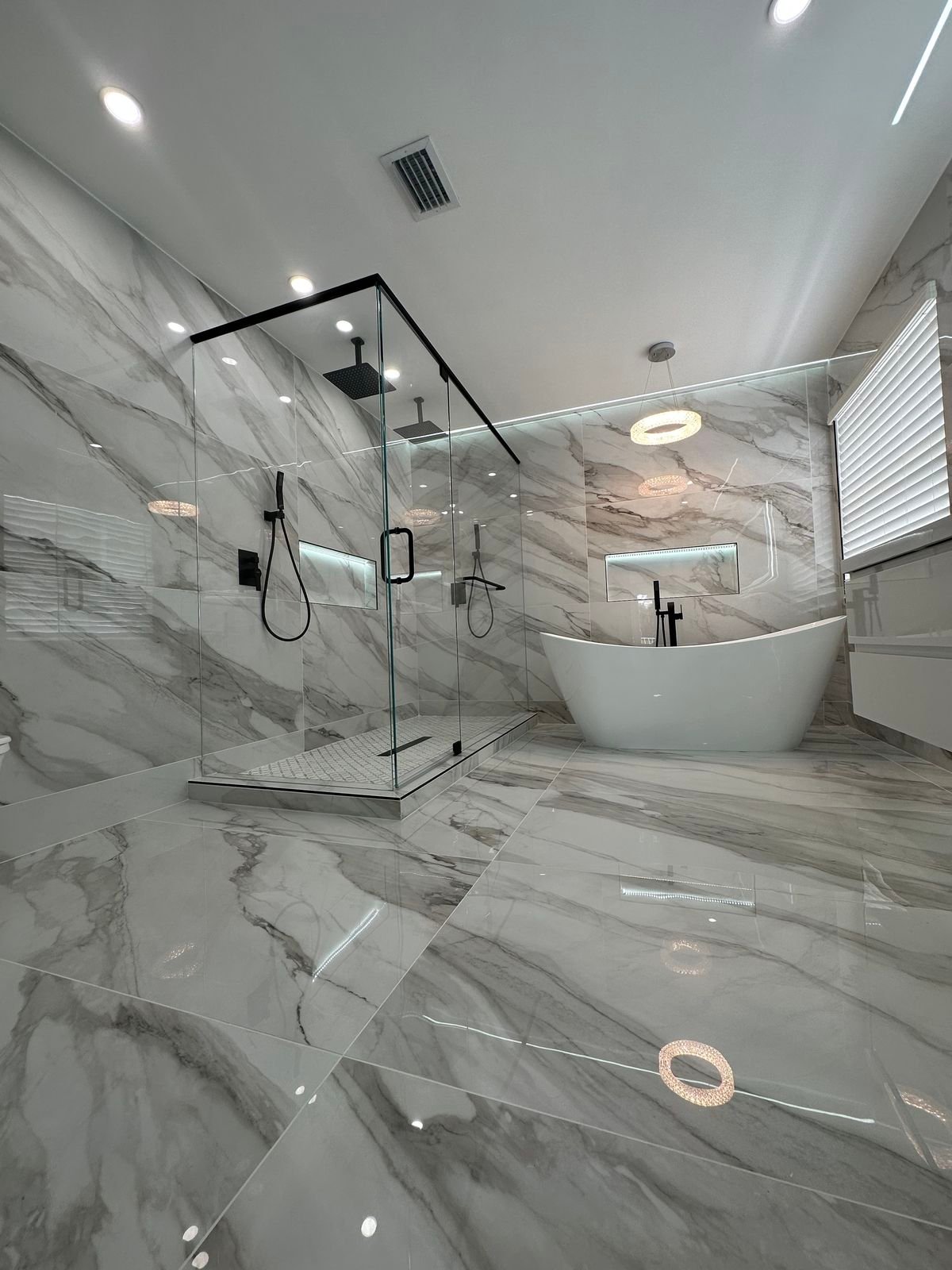
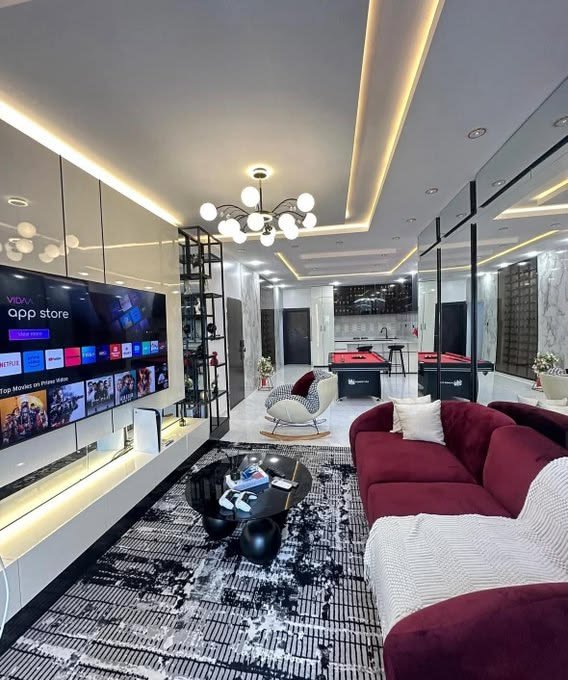
Reasons to Hire an Interior Designer
- Description
Description
Reasons to Hire an Interior Designer in Kenya
Why Hire an Interior Designer?
Building, renovating, or decorating a property is a major investment. Whether you are creating a new home, renovating an existing house, setting up an office, or opening a restaurant, the decisions you make about the interior can significantly influence how the space looks, feels, and functions.
This is where understanding the reasons to hire an interior designer becomes important.
An interior designer does more than select colours and furniture. Professional interior design involves understanding the client’s needs, planning spaces, selecting suitable materials and finishes, considering lighting and functionality, and helping coordinate the different elements that make up the finished interior.
At SUIMAS, we help homeowners, property developers, businesses, and commercial property owners create interiors that balance functionality, comfort, aesthetics, and practical requirements.
Whether you are building a home in Nairobi, renovating a property in Kiambu, designing an office in Westlands, or creating a commercial space in Mombasa, hiring the right interior designer can help you approach your project with greater clarity and confidence.
15 Reasons to Hire an Interior Designer
1. Get Professional Expertise
One of the biggest reasons to hire an interior designer is access to professional knowledge and experience.
Interior design involves much more than choosing attractive furniture. A professional considers how different elements work together, including:
- Space planning
- Furniture placement
- Lighting
- Colours
- Materials
- Textures
- Storage
- Finishes
- Functionality
An experienced designer can identify opportunities and potential problems that may not be obvious to a property owner.
This professional perspective can help you make more informed decisions throughout your project.
2. Make Better Use of Your Space
A beautiful room is not necessarily a functional room.
Poor furniture placement, inadequate storage, or inefficient layouts can make a property feel smaller and less comfortable than it actually is.
Professional space planning helps determine how each area should be used.
For example, a designer working on an apartment in Kilimani or Westlands may need to maximize a limited floor area by combining:
| Challenge | Possible Design Solution |
|---|---|
| Limited storage | Built-in wardrobes and cabinets |
| Small living area | Space-efficient furniture |
| Unused corners | Purposeful storage or décor |
| Poor lighting | Layered lighting solutions |
| Cluttered walls | Functional TV and display units |
The result is a space that works better for everyday living.
3. Save Valuable Time
Interior projects can involve hundreds of decisions.
You may need to research and compare:
- Flooring
- Tiles
- Paint
- Lighting
- Furniture
- Curtains
- Wardrobes
- Kitchen cabinets
- Wall finishes
- Decorative accessories
A professional designer can help streamline this process by establishing a clear design direction and helping you prioritize decisions.
Instead of spending weeks trying to determine which materials, colours, and finishes work together, you can follow a coordinated plan.
This can be especially valuable for busy homeowners, property developers, and business owners.
4. Reduce Costly Design Mistakes
One of the most practical reasons to hire an interior designer is to reduce unnecessary trial and error.
Imagine choosing expensive flooring that is unsuitable for the property’s level of use.
Or installing lighting without considering furniture placement.
Or completing a wall before deciding where a TV, storage unit, or feature lighting should go.
Changing these decisions later can result in additional work and costs.
Professional planning helps you consider important details before implementation.
This can include:
- Electrical points
- Lighting
- Furniture dimensions
- TV positions
- Storage
- Kitchen appliances
- Wardrobes
- Flooring
- Ceiling designs
Good planning does not eliminate every unexpected project issue, but it can help reduce avoidable mistakes.
5. Make Your Budget Work More Effectively
Hiring an interior designer does not automatically mean spending more.
In many cases, professional guidance can help you allocate your budget more strategically.
A designer can help you decide where to prioritize your investment and where simpler alternatives may be appropriate.
For example:
Invest more in:
Quality flooring, durable kitchen fittings, custom storage, or important lighting.
Save on:
Decorative accessories, replaceable furniture, or finishes where a cost-effective alternative can achieve a similar visual effect.
The right approach depends on your property, lifestyle, priorities, and budget.
The objective is not necessarily to create the most expensive interior.
It is to create the best possible result within the available resources.
6. Benefit From a Professional and Objective Perspective
When you live or work in a property every day, it can be difficult to see its potential objectively.
You may become accustomed to:
- Poor layouts
- Unused spaces
- Clutter
- Inadequate storage
- Outdated finishes
An interior designer approaches the space from a different perspective.
They can assess the property based on how it looks, how it functions, and how people move through it.
This fresh perspective can reveal opportunities you may not have considered.
7. Get a Trained Eye for Design
Interior designers bring an understanding of proportion, balance, scale, colour, texture, and composition.
They can help determine why certain combinations work while others do not.
For example, a designer may recognize that:
- A particular sofa is too large for a room.
- A colour makes a space appear darker.
- A lighting arrangement creates unwanted shadows.
- A wall needs visual balance.
- A particular finish is unsuitable for heavy use.
This trained eye can make a significant difference to the final result.
8. Create a Cohesive Interior
Without a clear plan, it is easy to purchase beautiful items that do not work together.
You may have an attractive sofa, expensive flooring, stylish curtains, and modern lighting—but the overall room may still feel disconnected.
An interior designer creates a coordinated design language across:
Colours + Materials + Furniture + Lighting + Textures + Finishes
This helps create a more cohesive and intentional interior.
9. Choose Materials and Finishes More Wisely
Material selection is an important part of any interior project.
A professional can help you consider:
- Durability
- Maintenance
- Cost
- Function
- Appearance
- Availability
- Suitability
For example, materials suitable for a busy restaurant may be different from those used in a bedroom.
Similarly, a home in Mombasa may have different environmental considerations from a property in Nairobi or Nakuru.
The best material is not always the most expensive.
It is the material that is appropriate for the intended application.
10. Improve the Functionality of Your Property
Good interior design should make a space easier and more enjoyable to use.
For a home, this may involve:
- Better storage
- Improved circulation
- Comfortable furniture
- Practical kitchen layouts
- Organized bedrooms
an office, it may involve:
- Efficient workstations
- Meeting spaces
- Reception areas
- Storage
- Branding
a restaurant, it may involve:
- Customer flow
- Seating arrangements
- Lighting
- Brand identity
- Durable finishes
The design should always respond to the purpose of the space.
11. Plan Lighting More Effectively
Lighting can dramatically influence the appearance and functionality of an interior.
A professional designer can help consider:
- Natural daylight
- Ambient lighting
- Task lighting
- Accent lighting
- Decorative lighting
For example, a kitchen requires practical task lighting, while a restaurant may require a combination of functional and atmospheric lighting.
Lighting should also be considered alongside furniture, ceiling design, electrical requirements, and the overall layout.
12. Get Help With Project Coordination
Interior projects can involve multiple specialists.
Depending on the project, these may include:
- Carpenters
- Joiners
- Electricians
- Painters
- Flooring installers
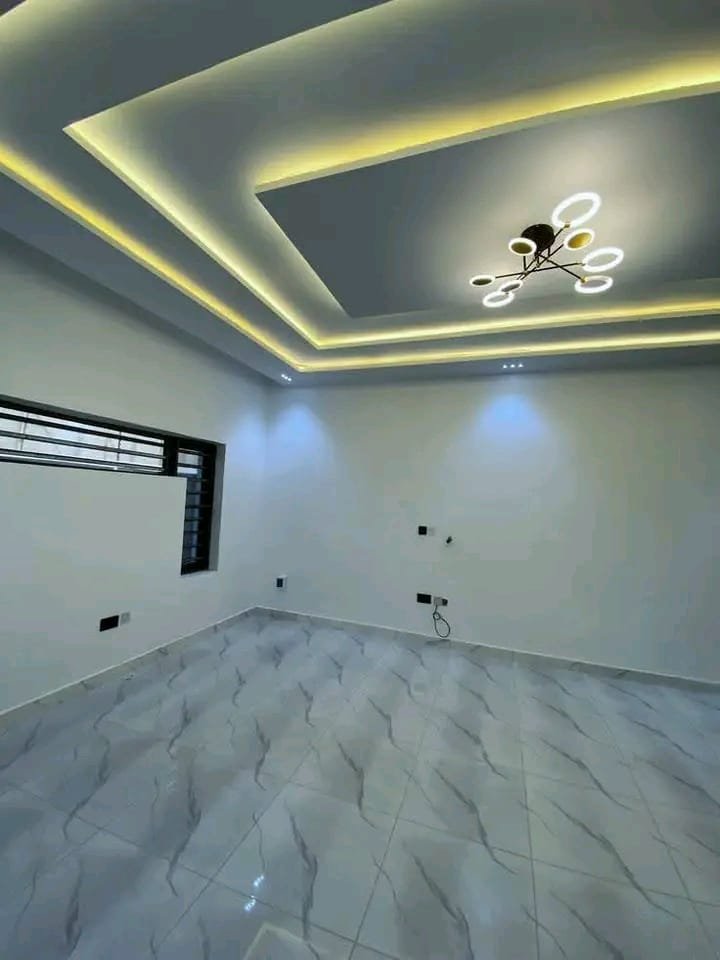
- Gypsum ceiling installers
- Plumbers
- Furniture suppliers
- Curtain installers
Without a clear design direction, coordinating these elements can become challenging.
An interior designer can help establish a unified design concept and, depending on the agreed scope of work, coordinate relevant aspects of the interior implementation.
This can help connect the original design idea with the finished space.
13. Bring Your Personal Vision to Life
Hiring an interior designer does not mean giving up control of your project.
A good designer listens to your needs and preferences.
Your interior can reflect:
- Your lifestyle
- Personality
- Taste
- Family needs
- Business identity
- Brand values
The designer’s role is to help translate your ideas into a practical and cohesive interior.
For example, a homeowner in Karen may want a calm, sophisticated environment, while a modern office in Westlands may prioritize corporate branding and productivity.
Each project should be different.
14. Get Professional Help When a Project Feels Overwhelming
Some renovation projects begin with enthusiasm but become difficult to manage.
You may find yourself stuck between different design choices or unsure about what to do next.
A professional interior designer can help bring structure to the process.
The project can be approached through stages such as:
Consultation → Site Assessment → Space Planning → Concept Design → Material Selection → Budget Planning → Implementation → Final Styling
The exact process depends on the project scope.
This structured approach can make a complex project easier to understand and manage.
15. Improve the Overall Appeal of Your Property
A well-designed interior can improve how a property is experienced and perceived.
This can be valuable for:
- Homeowners
- Property developers
- Landlords
- Office owners
- Restaurants
- Hotels
- Retail businesses
A cohesive and functional interior can create a stronger first impression and a more enjoyable experience for users.
For investment properties, attractive interiors may also help improve market appeal, although actual property value depends on many factors, including location, market conditions, construction quality, and demand.
Why Hire an Interior Designer Before Construction Begins?
One of the most important decisions you can make is involving an interior designer early.
Interior requirements can influence:
- Electrical points
- Lighting
- Plumbing
- Ceiling designs
- Flooring
- Kitchen layouts
- Wardrobes
- Built-in furniture
- Storage
Early planning can help reduce situations where construction is completed before realizing that important interior requirements were overlooked.
For new construction, renovation, and major fit-out projects, early interior planning can create better coordination between the intended design and the construction process.
Reasons to Hire an Interior Designer for a Renovation
Renovating a property involves more than replacing old furniture.
A professional designer can help determine what should be:
| Existing Element | Possible Action |
|---|---|
| Good flooring | Retain |
| Damaged flooring | Replace |
| Outdated kitchen | Remodel |
| Poor storage | Redesign |
| Old lighting | Upgrade |
| Empty walls | Add feature finishes |
| Poor layout | Re-plan |
| Outdated décor | Modernize |
This approach helps ensure that renovation decisions are made as part of an overall design strategy.
Explore house renovation contractors in Kenya for property transformation solutions from SUIMAS.
How Much Does It Cost to Hire an Interior Designer in Kenya?
Interior design costs vary significantly depending on the scope of the project.
Factors that may affect the cost include:
- Property size
- Number of rooms
- Design complexity
- Materials
- Custom furniture
- Renovation requirements
- Project location
- Installation scope
| Project Type | Indicative Budget |
|---|---|
| Single Room Design | KSh 120,000 – 400,000+ |
| Living Room Design | KSh 150,000 – 600,000+ |
| Bedroom Design | KSh 120,000 – 400,000+ |
| Kitchen Interior | KSh 250,000 – 1,500,000+ |
| Office Interior | KSh 500,000 – 3,000,000+ |
| Restaurant Interior | KSh 500,000 – 5,000,000+ |
| Complete Home Interior | Project-Specific |
| Commercial Fit-Out | Project-Specific |
These are indicative project planning ranges and not fixed SUIMAS quotations. The actual cost depends on the client’s requirements and agreed scope of work.
Before starting, clients should clearly understand:
- What services are included.
- What materials are included.
- Who handles procurement.
- What installation is covered.
- The expected timeline.
- Payment arrangements.
- The project deliverables.
A clear written agreement can help both the client and service provider understand their responsibilities.
What Services Can SUIMAS Provide?
SUIMAS offers interior design and property transformation solutions for residential and commercial projects.
| Service | Project Application |
|---|---|
| Home Interior Design | Houses, apartments and villas |
| Office Interior Design | Corporate and professional offices |
| Commercial Interior Design | Shops, showrooms and businesses |
| Restaurant Interior Design | Restaurants and cafés |
| Hotel Interior Design | Hospitality properties |
| Kitchen Interior Design | Modern and functional kitchens |
| Bedroom Interior Design | Bedrooms and master suites |
| Custom Wardrobes | Storage and organization |
| Gypsum Ceiling Design | Modern ceiling solutions |
| Flooring Solutions | Homes and commercial spaces |
| Wall Cladding | Feature walls |
| Wainscoting | Decorative wall finishes |
| Interior Renovation | Existing properties |
| Interior Fit-Out | Complete interior finishing |
The exact services included in each project depend on the agreed scope and requirements.
Why Choose SUIMAS for Interior Design in Kenya?
At SUIMAS, our approach is focused on creating spaces that balance:
Functionality + Comfort + Aesthetics + Practicality
We understand that every property is different.
A family home has different needs from a corporate office.
A restaurant has different requirements from a luxury apartment.
Our goal is to understand your project before recommending solutions.
We can help you think through your space, design direction, materials, finishes, and renovation or fit-out requirements.
Whether you need a modern home interior in Nairobi, an office makeover in Westlands, a luxury interior in Karen, or a commercial interior project in Mombasa, SUIMAS can help turn your ideas into a more purposeful space.
Ready to Hire an Interior Designer?
If you are investing in a new construction, renovation, or interior makeover, professional design can help you approach the project with greater clarity.
The right designer can help you:
Save Time
Plan Your Space
Avoid Costly Mistakes
Use Your Budget Wisely
Choose Suitable Materials
Improve Functionality
Create a Cohesive Interior
Coordinate Your Design Vision
At SUIMAS, we help clients create interiors designed around their needs, lifestyle, business, property, and project objectives.
Don’t wait until your construction is complete to start thinking about the interior.
Hire an interior designer early. Plan better. Build smarter. Create a space that works for you.
Contact SUIMAS Today
Call: 0717 044 443 | 0735 255 050 | 0725 021 709
Email: info@suimas.co.ke | info@interiordesigners.co.ke | shop@interiordesigners.co.ke
Start your interior design, renovation, or fit-out project with SUIMAS today.
other services
- Interior Design Services in Kenya
- House Renovation Contractors in Kenya
- Full House Makeover in Kenya
- Cost of Renovating a House in Kenya
Interior Design Services in Nairobi and Across Kenya
SUIMAS provides interior design and renovation solutions for residential and commercial projects across Kenya.
Nairobi Projects
We serve projects in:
Nairobi CBD, Westlands, Kilimani, Kileleshwa, Lavington, Karen, Runda, Gigiri, Muthaiga, Parklands, Riverside, Upper Hill, Hurlingham, South C, South B, Lang’ata, Kasarani, Roysambu, Donholm, Umoja, Embakasi, Syokimau, Ruaka, Ruiru, Kiambu, Kikuyu, and surrounding areas.
Mombasa and Coast Region
Our services can extend to:
Mombasa Island, Nyali, Bamburi, Shanzu, Mtwapa, Tudor, Likoni, Changamwe, Miritini, Diani, Kilifi, Watamu, Malindi, and surrounding areas.
Other Areas Across Kenya
We also serve projects in:
Nakuru, Naivasha, Kisumu, Eldoret, Kakamega, Kericho, Kisii, Nyeri, Nanyuki, Meru, Embu, Kirinyaga, Murang’a, Machakos, Kajiado, Athi River, Kitengela, and other areas across Kenya, depending on the project scope and logistics.