- Call Us: 0717044443 / 0739255050 / 0725021709
- Email: info@suimas.co.ke / info@interiordesigners.co.ke

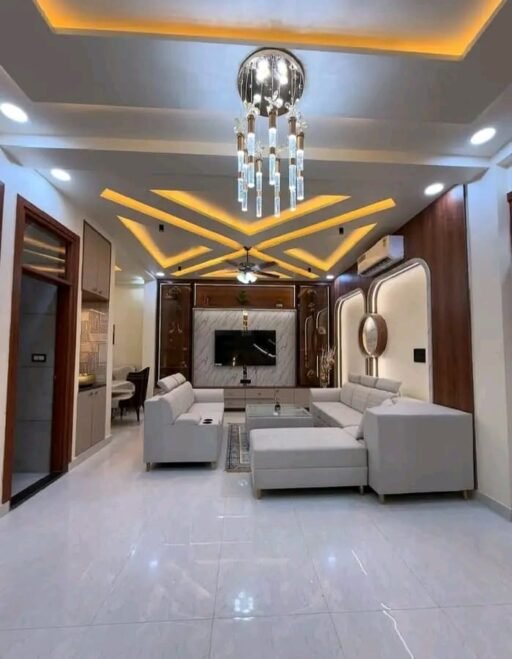
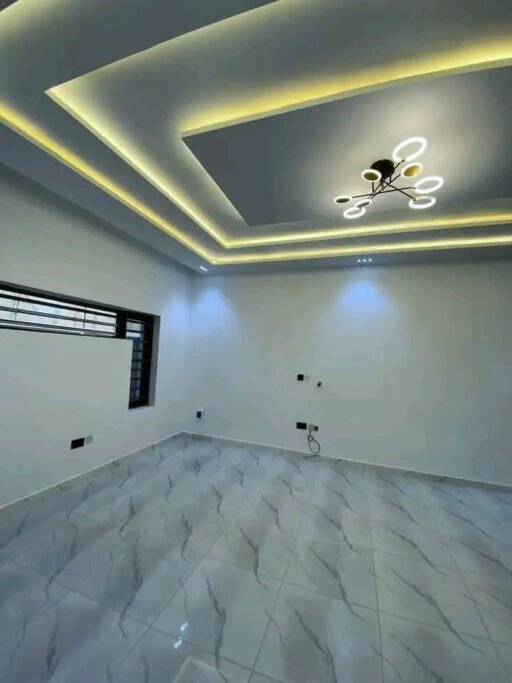
Importance of Interior Design in Construction
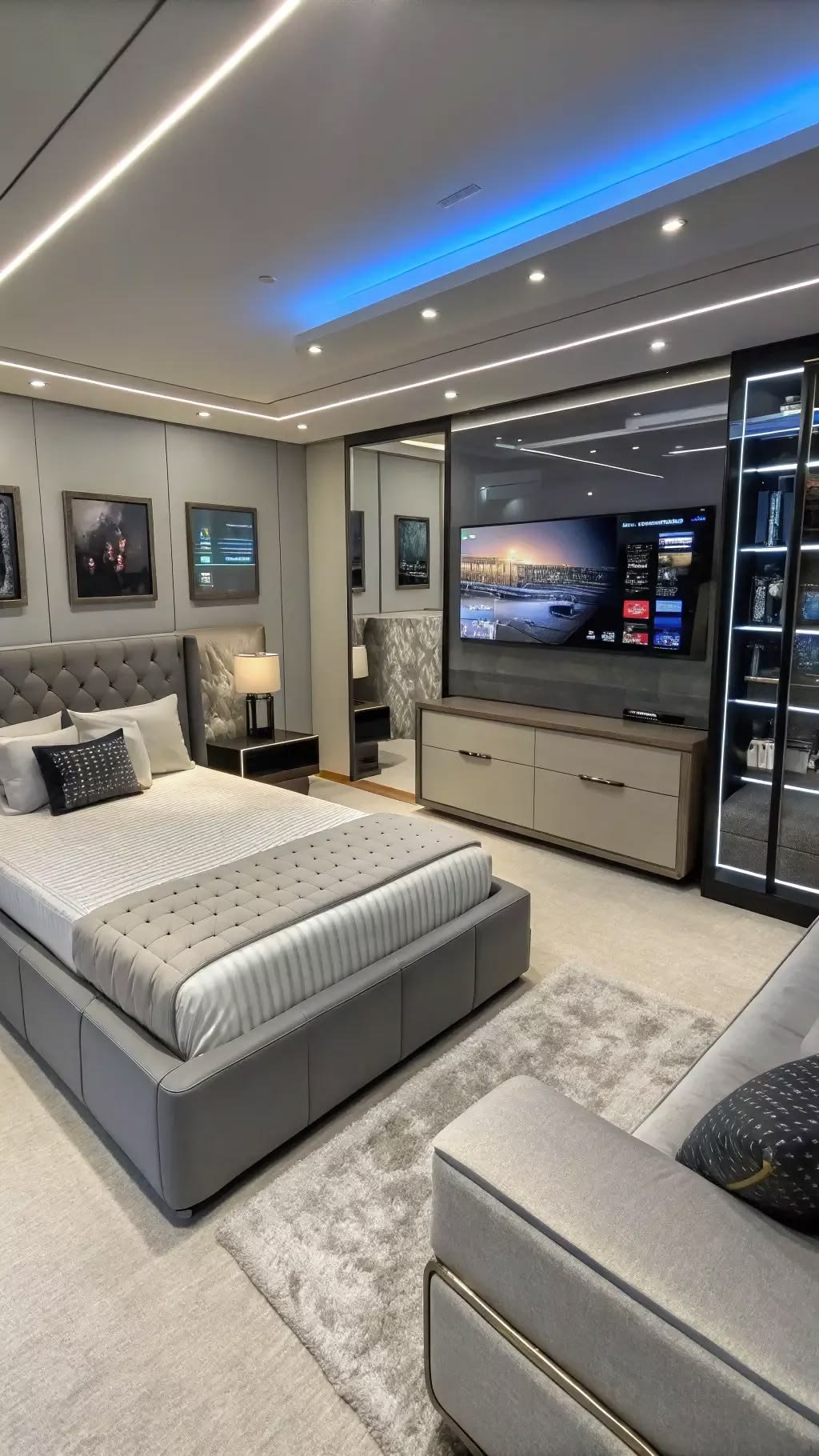
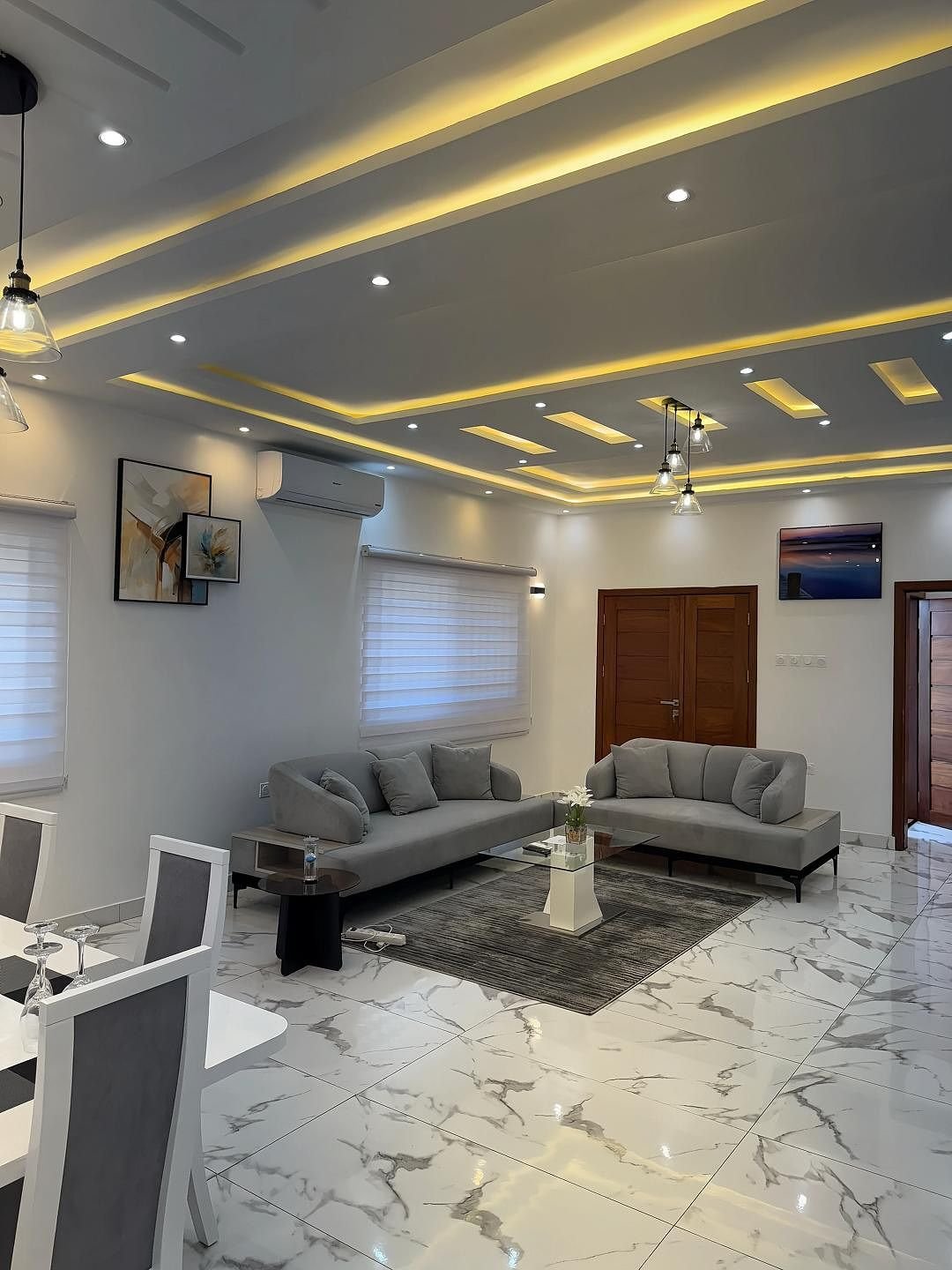
- Description
Description
Importance of Interior Design in Construction
Why Is Interior Design Important in Construction?
The importance of interior design in construction goes far beyond choosing beautiful colours, furniture, or decorations.
A well-constructed building still needs a thoughtful interior.
Interior design determines how people live, work, move, relax, interact, and experience a space.
Professional interior design brings together space planning, functionality, comfort, lighting, materials, furniture, storage, aesthetics, and user needs.
At SUIMAS, we believe the best results happen when interior design is considered early in the construction process.
This approach helps connect your building’s structure with the way you intend to use it.
Whether you are building a home in Nairobi, an office in Westlands, a restaurant in Mombasa, or a commercial property in Kenya, professional interior design can help turn an empty structure into a purposeful environment.
Planning a new construction or renovation project? Contact SUIMAS before the interior work begins.
What Is the Role of Interior Design in Construction?
Interior design helps transform architectural space into a functional environment.
An interior designer considers the relationship between the building and its users.
This can involve:
- Understanding the client’s needs.
- Assessing the available space.
- Planning room layouts.
- Selecting suitable materials.
- Planning furniture placement.
- Coordinating colours and finishes.
- Considering lighting requirements.
- Creating storage solutions.
- Supporting functionality and comfort.
- Coordinating design elements during implementation.
The goal is to create an interior that looks attractive while working effectively for the people who use it.
This is why interior design should be viewed as an important part of construction rather than an afterthought.
10 Major Importance of Interior Design in Construction
1. Interior Design Maximizes Available Space
One of the most important benefits of interior design is effective space planning.
Every property has different dimensions and requirements.
A professional designer considers:
- Room sizes
- Furniture dimensions
- Movement
- Storage
- Doors
- Windows
- Lighting
- Daily activities
This helps ensure that available space is used effectively.
Example: Apartment Interior Design in Kilimani
A compact apartment in Kilimani, Nairobi may require careful planning.
Instead of filling the room with oversized furniture, an interior designer can introduce:
| Space Challenge | Possible Solution |
|---|---|
| Limited floor area | Space-saving furniture |
| Insufficient storage | Built-in wardrobes |
| Empty walls | Functional TV wall |
| Poor lighting | Layered lighting |
| Clutter | Concealed storage |
The result can be a more organized and functional home.
Explore SUIMAS interior design services for personalized space planning and interior solutions.
2. Interior Design Improves Functionality
A good interior should work for the people using it.
A family home needs to support everyday living.
An office needs to support productivity.
A restaurant needs to support customers and staff.
A hotel needs to provide a comfortable guest experience.
Interior design helps connect the layout with these practical requirements.
For example, a kitchen should provide efficient movement between preparation, cooking, and storage areas.
An office should provide suitable workstations and meeting spaces.
A retail shop should support customer movement and product visibility.
The best interior is therefore not simply attractive.
It is functional, practical, and purposeful.
3. Interior Design Improves Comfort and Wellbeing
People spend significant amounts of time inside buildings.
The interior environment can influence how comfortable and productive they feel.
Interior design can consider:
- Natural lighting
- Artificial lighting
- Furniture
- Colour
- Acoustics
- Ventilation
- Room arrangement
- Materials
- Privacy
Example: Office Interior Design in Westlands
An office in Westlands may need comfortable workstations, suitable lighting, meeting areas, storage, and clear movement.
A well-planned environment can help create a more professional and comfortable workplace.
Similarly, a home in Karen or Runda may benefit from calm colours, comfortable furniture, natural light, and practical storage.
Interior design should always consider the people who will use the space.
4. Interior Design Helps Create Better Lighting
Lighting is one of the most important elements of interior design.
The right lighting can improve both appearance and functionality.
A project may use:
- Ambient lighting
- Task lighting
- Accent lighting
- Decorative lighting
- Natural daylight
Interior design can help determine where lighting is needed and how it should interact with the room.
For example, kitchen worktops need practical task lighting.
A living room may benefit from ambient and accent lighting.
A restaurant may require lighting that creates a welcoming atmosphere.
Lighting should therefore be considered alongside the interior layout.
5. Interior Design Helps Select the Right Materials
Construction and interior projects involve many material choices.
These include:
- Flooring
- Tiles
- Wall finishes
- Paint
- Cabinetry
- Countertops
- Upholstery
- Curtains
- Ceiling finishes
- Hardware
Choosing materials based only on appearance can create problems later.
An interior designer can consider:
Durability + Maintenance + Function + Budget + Style
For example, a busy restaurant requires finishes that can withstand regular use.
A family home may need easy-to-clean surfaces.
A luxury residence may require premium finishes and custom detailing.
Local conditions can also influence material selection.
For properties in coastal areas such as Mombasa, Nyali, Diani, and Kilifi, the environment may need to be considered when selecting suitable materials and finishes.
6. Interior Design Helps Prevent Costly Changes
One of the biggest reasons to involve an interior designer early is better planning.
Consider the following:
- Electrical points
- Lighting locations
- TV positions
- Kitchen appliances
- Wardrobes
- Plumbing fixtures
- Ceiling designs
- Flooring
- Built-in furniture
If these decisions are made after construction is complete, changes may require additional work.
Example
Suppose you want a custom TV wall.
The design may need to consider:
- TV size
- Power outlets
- Internet connections
- Lighting
- Storage
- Wall finishes
Planning these elements early can help avoid unnecessary alterations.
This is one of the strongest reasons to involve an interior designer before construction reaches the finishing stage.
7. Interior Design Connects Different Construction Elements
A construction project involves many different components.
Interior design helps bring these elements together.
| Construction Element | Interior Design Consideration |
|---|---|
| Architecture | Space and room layouts |
| Electrical | Lighting and power requirements |
| Plumbing | Kitchen and bathroom planning |
| Ceilings | Lighting and visual design |
| Flooring | Durability and style |
| Walls | Colours and finishes |
| Furniture | Comfort and proportions |
| Storage | Organization |
| Materials | Quality and maintenance |
This coordination can help create a more consistent finished space.
Interior designers may also work alongside architects, engineers, contractors, suppliers, and other professionals where required by the project.
8. Interior Design Supports Better Budget Planning
A construction budget can quickly become difficult to manage when decisions are made without a clear plan.
Interior design helps establish priorities.
For example, a homeowner may need to decide between:
- Custom furniture or ready-made furniture.
- Premium or standard flooring.
- Feature walls or simple finishes.
- Basic or decorative lighting.
- Full renovation or phased improvements.
A professional designer can help identify where your investment will have the greatest impact.
The goal is not always to spend more.
The goal is to spend intelligently.
At SUIMAS, design solutions can be developed around the client’s requirements, project scope, and available budget.
9. Interior Design Adds Personality and Identity
Two buildings can have identical architectural layouts.
Their interiors can still feel completely different.
Interior design allows a space to reflect:
- Lifestyle
- Personality
- Brand identity
- Culture
- Preferences
- Business objectives
Example: Luxury Home in Runda
A luxury home in Runda may use bespoke wardrobes, custom furniture, premium finishes, feature lighting, and carefully selected décor.
Example: Corporate Office in Nairobi CBD
A corporate office may instead prioritize branding, professional reception areas, efficient workspaces, and meeting facilities.
The design should respond to the people and purpose of the property.
10. Interior Design Can Improve the Overall Property Experience
A well-designed interior can influence how people perceive and interact with a property.
This matters for:
- Homeowners
- Tenants
- Office employees
- Customers
- Hotel guests
- Restaurant visitors
- Retail shoppers
A property with a cohesive interior can feel more comfortable, organized, professional, and memorable.
For commercial properties, this can also support the brand experience.
For homes, it can improve everyday living.
The value of interior design therefore extends beyond decoration.
Why Interior Design Should Start Early in Construction
The earlier interior planning begins, the easier it can be to coordinate important decisions.
A well-planned project may follow a process such as:
Client Brief → Site Assessment → Space Planning → Design Concept → Materials → Lighting → Technical Coordination → Construction → Interior Fit-Out → Styling
Starting early allows the interior vision to influence relevant decisions before construction is complete.
For example, interior planning can help identify requirements for:
- Electrical outlets
- Lighting points
- Ceiling designs
- Plumbing
- Kitchen layouts
- Wardrobes
- Flooring
- Doors
- Built-in furniture
This can help create a smoother connection between the building and its finished interior.
Interior Design and Construction Documentation
Larger interior projects may require detailed documentation to communicate the design clearly.
Depending on the project, this may include:
- Space plans
- Furniture layouts
- Ceiling plans
- Lighting plans
- Finish schedules
- Elevations
- Joinery details
- Material specifications
The exact documentation required depends on the project’s scope and the professionals involved.
Clear documentation can help different project teams understand the intended outcome.
This is particularly important for larger residential, commercial, hospitality, and office projects.
Interior Design for New Construction and Renovation
Interior design is valuable for both new buildings and existing properties.
New Construction
Interior planning can help establish the design direction before finishes and fixtures are installed.
Renovation
Interior design can help determine which elements should be retained, improved, replaced, or completely redesigned.
SUIMAS can support interior transformation projects involving:
- House renovations
- Apartment makeovers
- Office renovations
- Commercial fit-outs
- Kitchen upgrades
- Bathroom renovations
- Flooring
- Gypsum ceilings
- Wall cladding
- Wainscoting
- Custom wardrobes
- Custom furniture
Explore our house renovation contractors in Kenya for renovation solutions.
Why Choose SUIMAS for Interior Design and Construction Projects?
Choosing an interior designer is an important project decision.
At SUIMAS, we focus on creating interiors that balance functionality, aesthetics, comfort, and personalization.
Our solutions can include:
| Service | Project Benefit |
|---|---|
| Space Planning | Better use of available space |
| Interior Design | Cohesive and personalized interiors |
| Material Selection | Suitable finishes for your needs |
| Custom Furniture | Tailored storage and furniture |
| Kitchen Design | Functional cooking and storage areas |
| Office Design | Productive and professional workspaces |
| Commercial Design | Spaces aligned with business needs |
| Renovation | Improved existing properties |
| Interior Fit-Out | Coordinated finishing works |
| Styling | A polished final appearance |
Our goal is to help you make informed design decisions before they become difficult or expensive to change.
Interior Design Services in Nairobi and Across Kenya
SUIMAS provides interior design and renovation solutions for clients across Kenya.
Nairobi Areas
We serve projects in areas including:
Karen, Runda, Gigiri, Muthaiga, Lavington, Kileleshwa, Kilimani, Westlands, Riverside, Parklands, Upper Hill, Nairobi CBD, South C, South B, Lang’ata, Kasarani, Roysambu, Donholm, Umoja, Embakasi, Syokimau, Ruaka, Ruiru, and surrounding areas.
Across Kenya
Our project coverage can also extend to:
Mombasa, Nyali, Bamburi, Mtwapa, Diani, Kilifi, Kisumu, Nakuru, Eldoret, Kiambu, Machakos, Kajiado, Meru, Nyeri, Kisii, and other areas across Kenya, depending on project scope and logistics.
How Much Does Interior Design Cost in Kenya?
Interior design costs vary depending on the size and complexity of the project.
Factors may include:
- Property size
- Design scope
- Number of rooms
- Material quality
- Custom furniture
- Renovation requirements
- Project location
- Installation requirements
| Project Type | Indicative Budget |
|---|---|
| Single Room Design | KSh 120,000 – 400,000+ |
| Living Room Design | KSh 150,000 – 600,000+ |
| Bedroom Design | KSh 120,000 – 400,000+ |
| Kitchen Interior | KSh 250,000 – 1,500,000+ |
| Office Interior | KSh 500,000 – 3,000,000+ |
| Restaurant Interior | KSh 500,000 – 5,000,000+ |
| Complete Home Interior | Project-Specific |
| Large Commercial Projects | Project-Specific |
These figures are indicative planning ranges, not fixed quotations.
A detailed quotation should be prepared according to your property’s requirements and project scope.
The Importance of Hiring an Interior Designer Before Construction Ends
Waiting until construction is complete can limit your options.
Some decisions are easier to make before walls are finished and systems are installed.
Early interior planning can help coordinate:
Space → Lighting → Electrical → Plumbing → Ceilings → Flooring → Joinery → Furniture → Styling
This can help reduce conflicts between the construction work and the intended interior.
It can also give you a clearer vision of the final result.
Transform Your Construction Project With SUIMAS
A building provides the structure.
Interior design gives that structure purpose.
It determines how the space functions, how people experience it, and how well it supports their everyday needs.
From a modern apartment in Kilimani to a luxury home in Karen, a corporate office in Westlands, or a restaurant in Mombasa, professional interior design can help turn your construction project into a more functional and personalized environment.
At SUIMAS, we combine creative design, space planning, material selection, custom solutions, renovation, and interior fit-out services to help clients achieve better spaces.
Do not wait until construction is complete to start thinking about your interior.
Plan your interior early. Build with purpose. Finish with confidence.
Start Your Interior Design Project With SUIMAS
Call: 0717 044 443 | 0735 255 050 | 0725 021 709
Email: info@suimas.co.ke | info@interiordesigners.co.ke | shop@interiordesigners.co.ke
Request a consultation today and let SUIMAS help you transform your construction project into a functional, beautiful, and personalized space.
Other services
- Interior Design Services in Kenya
- House Renovation Contractors in Kenya
- Full House Makeover in Kenya
- Restaurant Interior Designers in Kenya
- Cost of Renovating a House in Kenya
Yes. Add these sections at the very end of the article, after the main CTA and contact details.
Areas We Serve
SUIMAS provides interior design and construction-related interior solutions across Kenya, serving homeowners, property developers, businesses, offices, hospitality facilities, retail spaces, and commercial properties.
Nairobi and Surrounding Areas
We serve clients in Nairobi CBD, Westlands, Kilimani, Kileleshwa, Lavington, Karen, Runda, Gigiri, Muthaiga, Parklands, Riverside, Upper Hill, Hurlingham, South C, South B, Lang’ata, Karen, Kasarani, Roysambu, Thika Road, Ruiru, Ruaka, Kiambu, Kikuyu, Syokimau, Athi River, Kitengela, and surrounding areas.
Mombasa and Coast Region
Our interior design and renovation services are available in Mombasa Island, Nyali, Bamburi, Shanzu, Mtwapa, Tudor, Likoni, Changamwe, Miritini, Diani, Kilifi, Watamu, Malindi, and surrounding coastal areas.
Other Areas Across Kenya
SUIMAS can also serve projects in Kiambu, Nakuru, Naivasha, Machakos, Kajiado, Athi River, Kitengela, Kisumu, Eldoret, Kakamega, Kericho, Nyeri, Nanyuki, Meru, Embu, Kirinyaga, Murang’a, Thika, Kisii, Bungoma, and other towns and counties across Kenya, depending on the project scope and requirements.
Whether you need interior design for a new construction project, home renovation, office fit-out, commercial interior design, restaurant design, hotel interiors, or a complete property makeover, SUIMAS can help you plan and transform your space.