- Call Us: 0717044443 / 0739255050 / 0725021709
- Email: info@suimas.co.ke / info@interiordesigners.co.ke

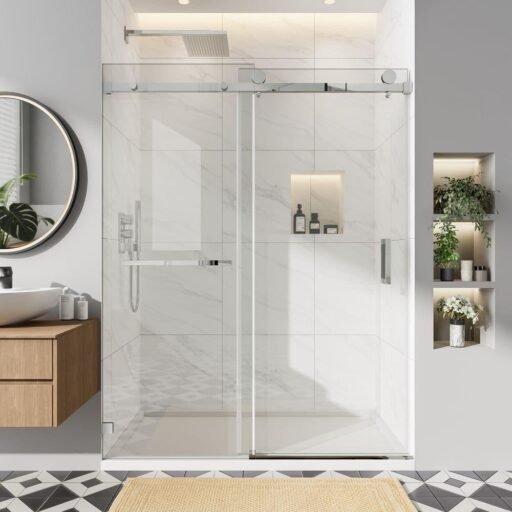
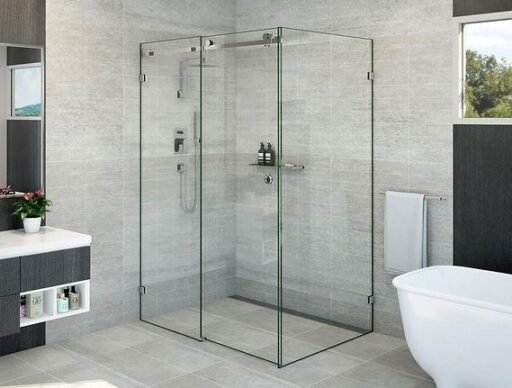
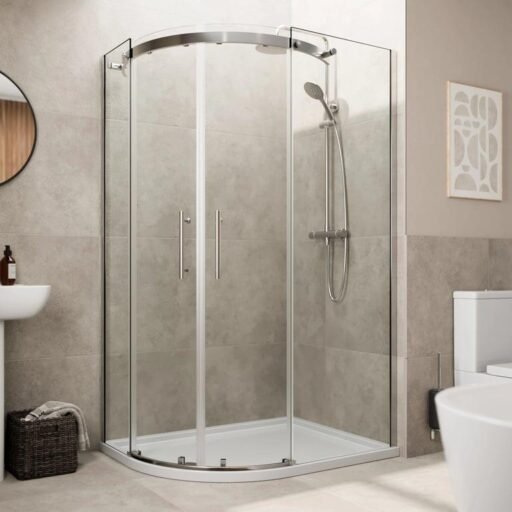
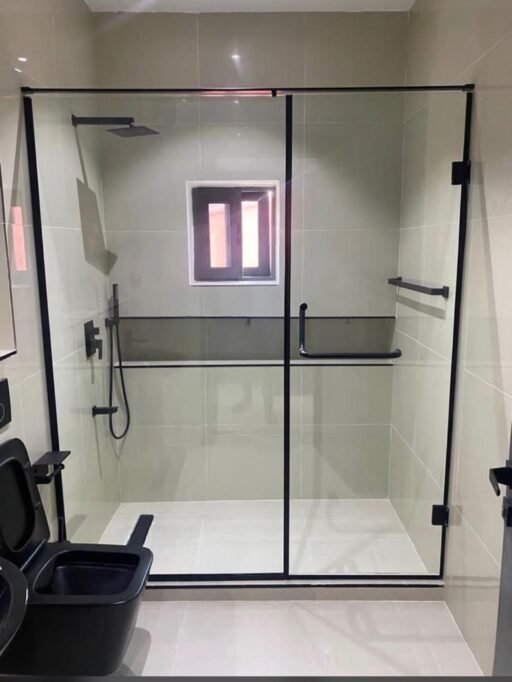
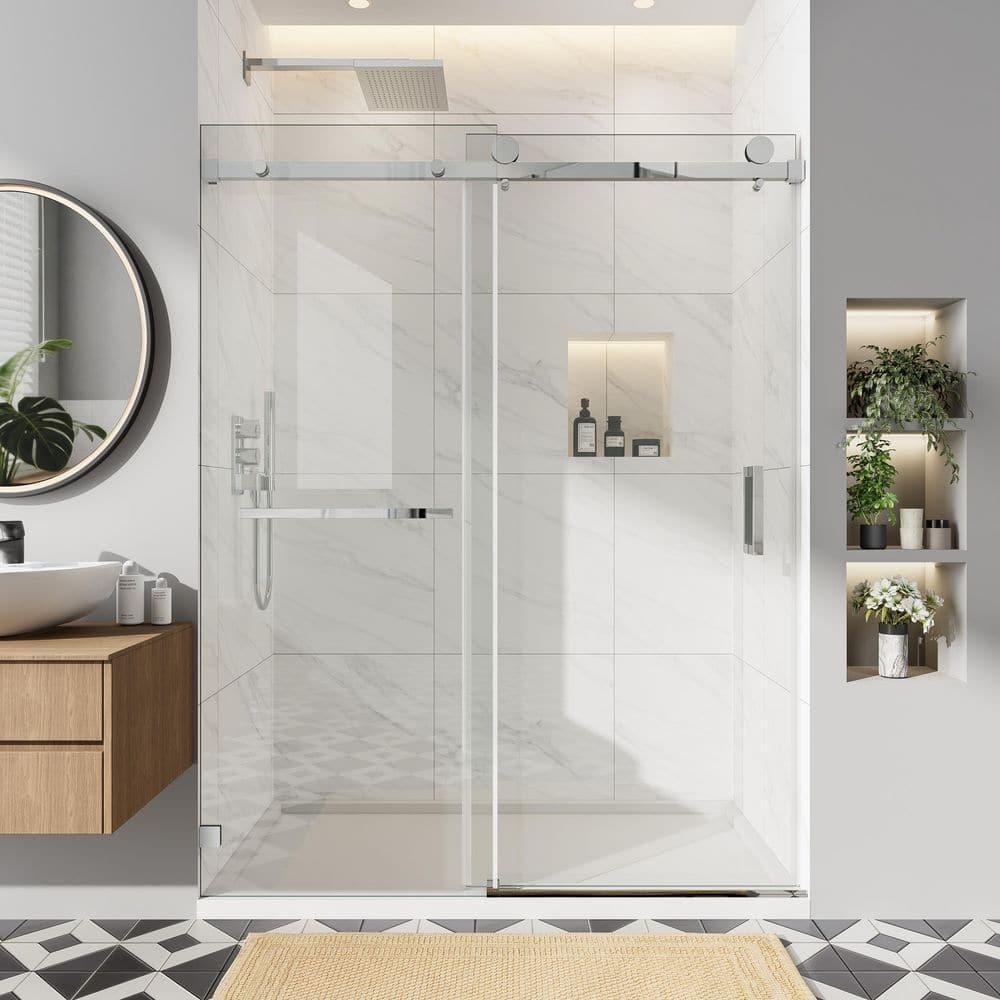
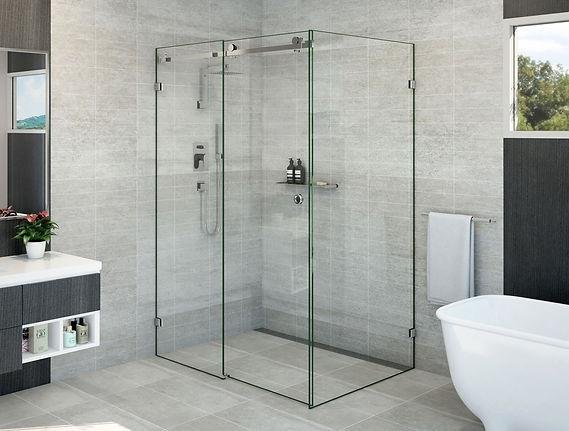
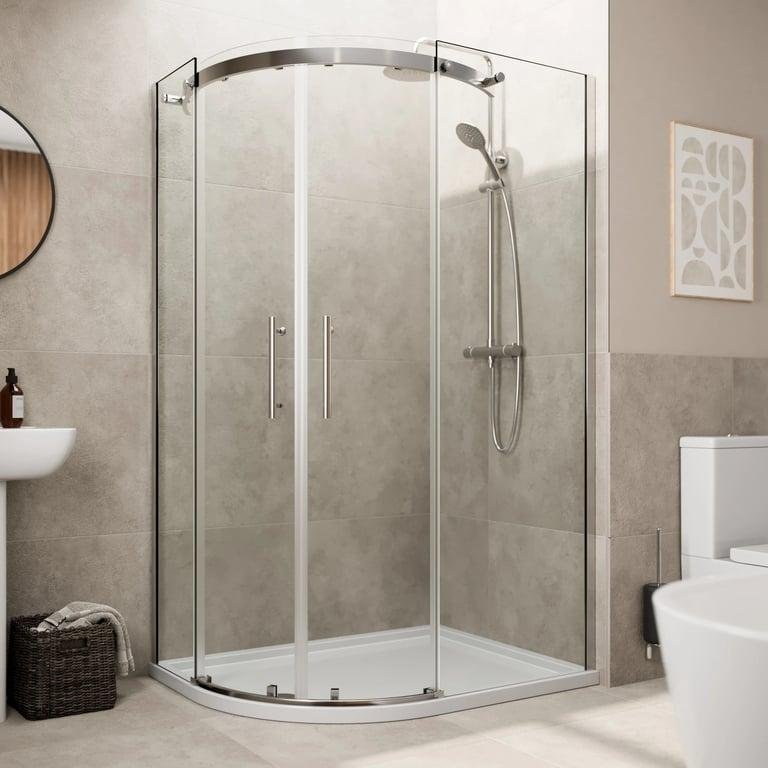
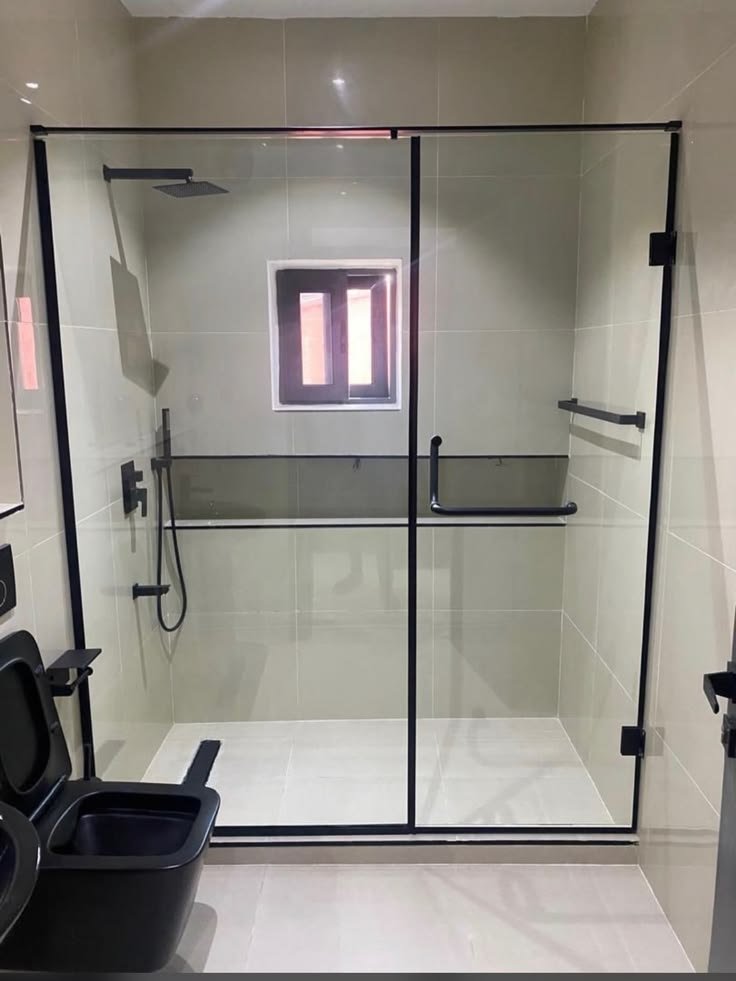

- Description
Description
Glass Shower Enclosures in Kenya – Modern Designs, Types, Prices and Installation
Glass shower enclosures are a popular feature in modern bathrooms because they create a clean, organised and elegant showering area while helping prevent water from splashing across the rest of the bathroom. They are available in framed, semi-frameless and frameless designs, with options such as sliding doors, hinged doors, fixed glass panels and walk-in shower screens.
In Kenya, glass shower enclosures are suitable for apartments, family homes, hotels, guest houses and other properties. The right design depends on bathroom dimensions, glass specifications, door configuration, hardware, drainage and the overall interior style.
Whether you are building a new bathroom or renovating an existing one, choosing a suitable shower enclosure can improve the appearance, functionality and ease of maintaining the space. Suimas Interior Designers helps clients plan modern bathroom interiors with coordinated shower enclosures, vanity units, tiles, fittings and other finishes.
What We Offer
Explore our related interior design and bathroom improvement services:
- Modern Bathroom Design Services – Explore bathroom layouts, shower arrangements and contemporary finishing ideas.
- Shower Cubicle Installation Cost in Kenya – Understand shower cubicle pricing and the factors that influence installation costs.
- Best Shower Designs in Kenya – Explore different shower styles for residential bathrooms.
- Interior Design Services in Kenya – Professional interior design solutions for residential and commercial properties.
- Interior Finishes – Explore finishing options for bathrooms and other interior spaces.
- Renovation Services in Kenya – Plan improvements to existing bathrooms and other spaces.
Glass Shower Enclosure Prices in Kenya
The cost of glass shower enclosures in Kenya depends on the size, glass thickness, design, hardware, door mechanism and installation requirements. Framed shower enclosures are generally more affordable, while custom frameless and walk-in designs may require a larger investment.
The following are indicative budgeting prices for common shower enclosure options.
| Glass shower enclosure type | Estimated price in Kenya |
|---|---|
| Basic framed shower enclosure | KES 26,000–38,000 |
| Standard corner shower cubicle | From KES 35,000 |
| Custom 10mm glass cubicle | KES 44,500–48,500 |
| Frameless sliding-door shower | KES 45,000–70,000 |
| Curved or walk-in frameless shower | KES 55,000–85,000 |
| Premium frameless glass walk-in shower | KES 150,000+ |
These are indicative market budgeting estimates, not fixed quotations. Actual costs depend on the enclosure dimensions, glass specification, fittings, transport, site conditions and installation scope.
Before accepting a quotation, confirm whether it includes:
- Glass panels and doors.
- Hinges, handles and support brackets.
- Aluminium or stainless-steel fittings.
- Sliding door tracks and rollers, where applicable.
- Rubber seals and silicone sealing.
- Shower tray, if required.
- Delivery and installation.
- Plumbing, drainage or waterproofing adjustments, if needed.
For more detailed pricing information, read our guide to Shower Cubicle Installation Cost in Kenya.
Types of Glass Shower Enclosures in Kenya
Glass shower enclosures come in different configurations to suit bathroom layouts, personal preferences and budgets. Understanding the available options helps you select a design that provides sufficient space, privacy and convenience.
1. Frameless Glass Shower Enclosures
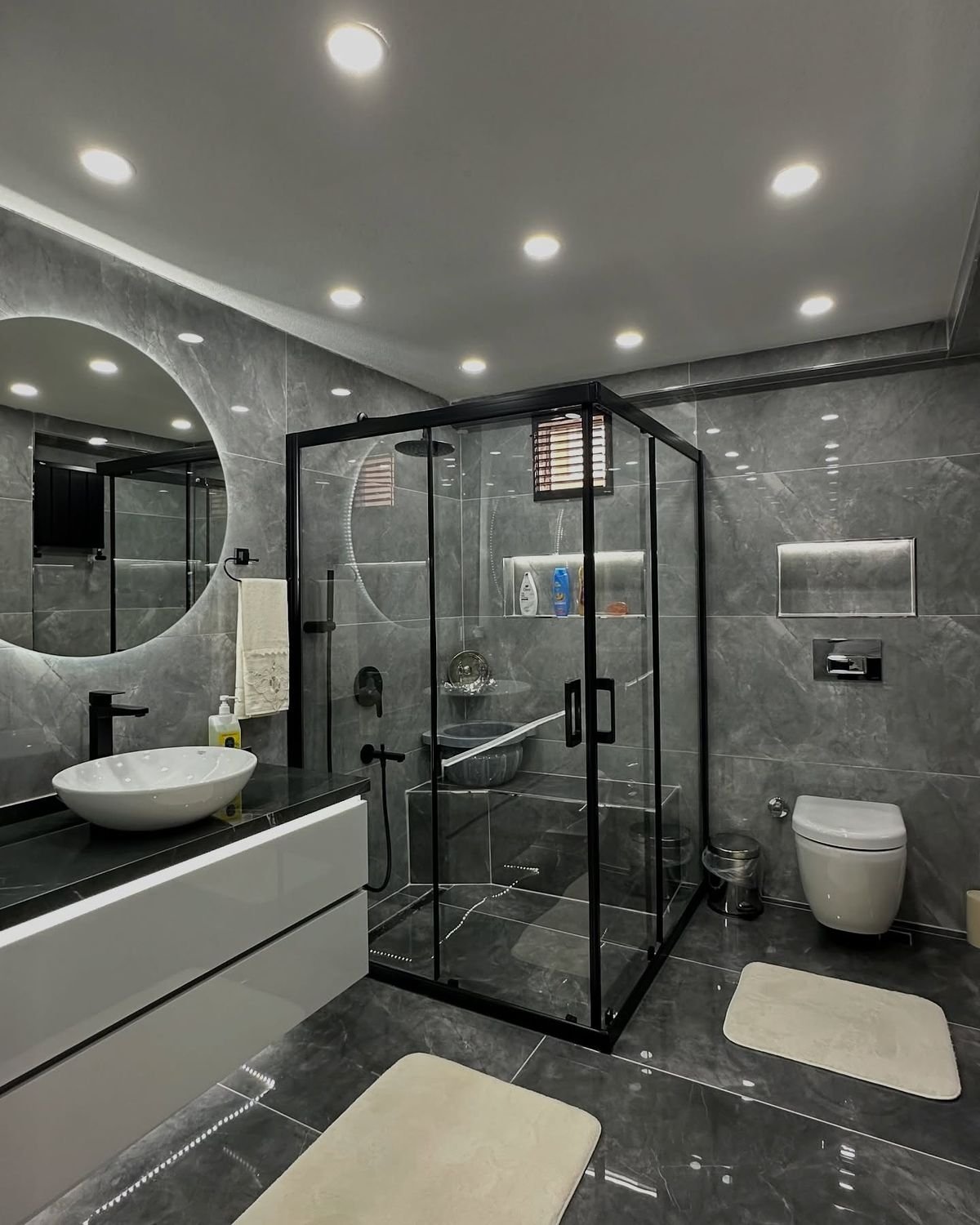
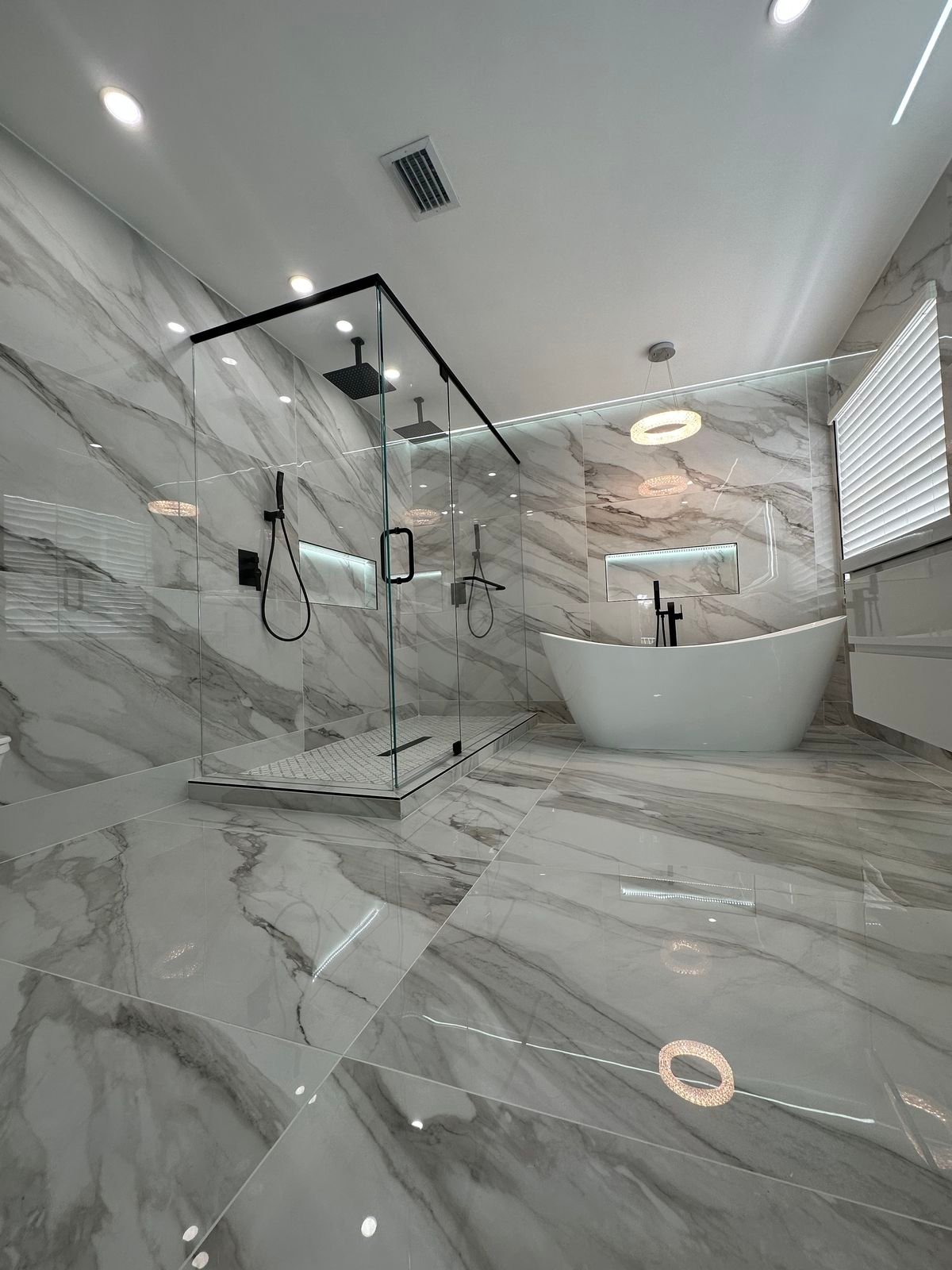
Frameless glass shower enclosures use large glass panels supported by specialised hinges, clamps and brackets rather than a full surrounding frame. They create a clean, open appearance that works particularly well in contemporary bathrooms.
The absence of bulky framing allows the bathroom tiles and other finishes to remain visible. This can make a compact bathroom appear more spacious.
Common design features include:
- Clear tempered safety glass.
- Minimal stainless-steel or suitable metal fittings.
- Hinged or fixed glass panels.
- Minimal visible framing.
- Custom dimensions and configurations.
Frameless enclosures are popular in master bathrooms, luxury apartments, villas and modern hotels.
Best suited for: Contemporary bathrooms, spacious ensuites and homeowners seeking a minimalist finish.
2. Semi-Frameless Glass Shower Enclosures
Semi-frameless shower enclosures combine glass panels with partial framing. Aluminium profiles may be used around selected edges, while the door and other sections have minimal visible framing.
This design offers a balance between the clean appearance of frameless glass and the support provided by framed systems.
Semi-frameless enclosures are available in different configurations, including corner installations, sliding doors and hinged doors.
Best suited for: Modern family bathrooms, apartments and homeowners looking for a balance between appearance and cost.
3. Fully Framed Glass Shower Enclosures
Fully framed shower enclosures use aluminium profiles around the glass panels and door sections. The frame provides structural support and creates a clearly defined shower area.
These enclosures are available in different colours and finishes, including chrome, silver, black and other coated aluminium options.
They are often a practical choice for standard bathroom layouts and projects with controlled budgets.
Best suited for: Rental apartments, family bathrooms, guest bathrooms and budget-conscious renovations.
4. Sliding Glass Shower Enclosures
Sliding glass shower enclosures use doors that move along tracks or rollers instead of swinging into the bathroom.
They are particularly useful where there is limited clearance between the shower area, vanity cabinet, toilet or bathroom entrance.
Common configurations include:
- Two-panel sliding doors.
- Three-panel sliding systems.
- Wall-to-wall sliding enclosures.
- Corner sliding shower cubicles.
The rollers and tracks should be selected for the weight and dimensions of the glass. Regular cleaning also helps prevent soap residue and dirt from affecting the sliding mechanism.
Best suited for: Compact bathrooms, apartments and spaces where hinged doors may obstruct movement.
5. Hinged Glass Shower Enclosures
Hinged shower enclosures use doors attached to fixed glass panels or walls through suitable hinges. The door opens inward, outward or in a specified direction depending on the hardware and bathroom layout.
They provide convenient access to the shower area and are available in framed, semi-frameless and frameless designs.
Before selecting a hinged door, confirm that there is enough clearance for it to open without hitting the vanity, toilet or other bathroom fittings.
Best suited for: Bathrooms with sufficient door-opening clearance and homeowners who prefer a simple shower entrance.
6. Walk-In Glass Shower Enclosures
Walk-in shower enclosures use one or more fixed glass panels to separate the showering area from the rest of the bathroom. Some designs do not require a conventional door.
They create an open, modern appearance and can work particularly well in larger bathrooms.
A successful walk-in shower requires proper floor gradients, drainage and waterproofing. The glass panel must also be positioned carefully to minimise water splashing into other parts of the bathroom.
Best suited for: Spacious master bathrooms, luxury homes, hotels and contemporary residential interiors.
7. Corner Glass Shower Enclosures
Corner shower enclosures are designed to fit into the corner of a bathroom. They help utilise available space while creating a separate showering area.
Popular options include square, rectangular, quadrant and neo-angle designs.
Corner enclosures may use sliding or hinged doors depending on the available space and preferred access arrangement.
Best suited for: Small and medium-sized bathrooms, apartments and ensuite bathrooms.
8. Wall-to-Wall Glass Shower Enclosures
Wall-to-wall shower enclosures extend across a shower opening between two bathroom walls. They can be designed with sliding doors, hinged doors or fixed glass panels.
These systems provide a neat appearance and can make good use of available wall space.
The final design should account for wall alignment, glass dimensions, door movement and the position of shower fittings.
Best suited for: Bathrooms with defined shower openings and larger shower areas.
9. Curved Glass Shower Enclosures
Curved shower enclosures feature curved glass panels or doors that create a rounded shower cubicle. They are commonly used in corner installations.
The curved shape can reduce sharp external corners and create a distinctive bathroom feature.
These enclosures require suitable curved glass, matching profiles and compatible door mechanisms. Their dimensions should be confirmed before fabrication.
Best suited for: Bathrooms designed around quadrant shower cubicles and rounded layouts.
10. Fixed Glass Shower Screens
Fixed shower screens use one or more stationary glass panels to separate the shower area from the rest of the bathroom. Unlike enclosed cubicles, they may not include a door.
They are often used in walk-in showers and wet-room layouts.
The position and width of the glass panel should be planned to provide comfortable access while controlling water splashes.
Best suited for: Minimalist bathrooms, walk-in showers and contemporary wet-room designs.
Glass Types and Thickness for Shower Enclosures
Glass specification is an important consideration when choosing a shower enclosure. The selected glass should be suitable for the enclosure design, dimensions, support system and intended use.
Tempered Safety Glass
Tempered glass, also known as toughened glass, is commonly used in shower enclosures because it is designed to be stronger than ordinary annealed glass of comparable thickness.
It undergoes a controlled heat-treatment process that improves its resistance to mechanical and thermal stress. When it breaks, it generally fragments into smaller pieces rather than large sharp shards, although injuries can still occur.
For shower installations, confirm that the glass is safety-rated and suitable for the intended application.
Common Glass Thickness Options
Glass shower enclosures may use different thicknesses depending on their design and structural requirements.
| Glass thickness | Typical application |
|---|---|
| 6mm | Selected framed shower systems |
| 8mm | Framed and some semi-frameless enclosures |
| 10mm | Many custom frameless systems |
| 12mm | Selected premium frameless applications |
These are general design references, not universal specifications. The appropriate thickness should be determined by the glass manufacturer or qualified installer based on panel dimensions, support positions and hardware compatibility.
Clear Glass
Clear glass is a popular choice because it allows light to pass through and keeps the bathroom visually open.
It works well with different tile colours, vanity designs and bathroom finishes.
Frosted Glass
Frosted glass offers additional visual privacy while still allowing some light through. It is available in different levels of opacity and can be used for shower doors or panels.
It is particularly useful in shared bathrooms where privacy is important.
Tinted Glass
Tinted glass is available in shades such as grey, bronze and other colours. It can add a distinctive appearance to a contemporary bathroom.
The selected tint should complement the bathroom lighting, wall finishes and other fittings.
Textured or Patterned Glass
Textured glass has a decorative surface that can create privacy and visual interest. It is available in different patterns and finishes.
When selecting textured glass, consider how easily the surface can be cleaned and maintained.
Benefits of Installing Glass Shower Enclosures
Glass shower enclosures offer several practical and design benefits.
1. Help Control Water Splashing
A properly designed enclosure helps contain water within the showering area. This reduces the amount of water reaching the vanity, toilet and other bathroom surfaces.
The effectiveness depends on the enclosure design, door seals, panel position and drainage arrangement.
2. Create a Modern Bathroom Appearance
Glass enclosures complement contemporary bathroom interiors. They work well with porcelain tiles, natural stone finishes, modern vanity cabinets and minimalist fittings.
3. Allow More Light Through the Bathroom
Clear glass allows light to pass between the showering area and the rest of the bathroom. This can make smaller spaces feel more open compared with solid shower partitions.
4. Easier to Coordinate with Bathroom Finishes
Glass can complement different colours and materials without dominating the overall design.
It can be paired with:
- White and grey bathroom tiles.
- Marble-effect porcelain finishes.
- Wooden vanity cabinets.
- Chrome or brushed-metal fittings.
- Matte black bathroom accessories.
- Modern bathroom mirrors.
5. Separate Wet and Dry Areas
A shower enclosure helps establish a clear division between the showering space and the rest of the bathroom.
This supports better bathroom organisation and makes it easier to plan the placement of vanity cabinets, toilets and storage.
6. Available in Custom Designs
Glass shower enclosures can be designed around different bathroom dimensions and layouts. This makes them suitable for compact apartments, large residential bathrooms and selected commercial projects.
7. Easy to Maintain with Regular Cleaning
Glass surfaces can be cleaned using suitable glass-cleaning products and a soft cloth or squeegee.
Regular cleaning helps reduce soap residue, water spots and mineral deposits.
How to Choose the Right Glass Shower Enclosure
Before purchasing a shower enclosure, consider the following factors.
1. Bathroom Size and Layout
Start by measuring the available shower area. Consider the positions of the toilet, vanity, bathroom door, showerhead and other fittings.
A sliding enclosure may be more suitable where there is limited door clearance, while a hinged enclosure may work well in a larger bathroom.
2. Glass Safety and Quality
Choose suitable safety glass from a reputable supplier. Confirm the glass specification, safety markings and suitability for the intended enclosure.
Do not select glass based on thickness or appearance alone. The supporting hardware and installation method also matter.
3. Door Opening Mechanism
Choose between sliding, hinged and fixed-panel configurations based on the available space.
For example, sliding doors are useful in compact bathrooms because they do not require additional swing clearance.
4. Hardware and Fittings
The quality of hinges, handles, clamps, brackets, rollers and seals affects the performance of the enclosure.
Consider corrosion-resistant hardware suitable for regular exposure to bathroom moisture.
5. Privacy Requirements
Clear glass provides an open appearance, while frosted, tinted or textured glass can offer additional privacy.
Choose a finish that balances privacy, natural light and the overall bathroom design.
6. Drainage and Waterproofing
The shower floor should have an appropriate gradient towards the drain. Waterproofing should also be properly completed before installing the glass enclosure.
Poor drainage can allow water to collect or spread into the rest of the bathroom, even when the enclosure is correctly installed.
7. Budget
Compare quotations based on the complete installation scope rather than the glass price alone.
A lower quotation may exclude important items such as fittings, delivery, installation, sealing or shower trays.
Glass Shower Enclosure Installation Process
Proper installation is important for the stability, operation and water control of a glass shower enclosure.
A typical project involves the following stages:
- Site assessment: Inspect the bathroom layout, wall condition, shower area and existing plumbing.
- Measurements: Record the exact dimensions of the opening and determine the required glass panel sizes.
- Design selection: Choose the enclosure configuration, glass finish, door mechanism and hardware.
- Glass specification: Confirm the appropriate safety glass and thickness for the design.
- Fabrication: Prepare the glass panels and any required holes, edges or other specifications before installation.
- Hardware preparation: Check hinges, handles, clamps, tracks and supporting brackets.
- Glass fitting: Install the fixed panels and doors using suitable supports and installation methods.
- Sealing: Apply appropriate bathroom-grade sealing products at the required joints.
- Final inspection: Check door movement, alignment, stability, clearances and water control.
Glass panels should be handled and installed by qualified professionals. Any drilling or cutting required for tempered glass must be completed before the tempering process.
Common Mistakes to Avoid When Installing Shower Enclosures
Avoiding common planning and installation mistakes can help prevent unnecessary repairs and improve the performance of the enclosure.
- Choosing the wrong dimensions: Inaccurate measurements can result in poor alignment, unsuitable door clearance or gaps.
- Ignoring drainage: A shower floor without appropriate drainage can allow water to spread outside the enclosure.
- Using unsuitable glass: Glass should meet the appropriate safety requirements and match the intended installation.
- Selecting poor-quality hardware: Low-quality hinges, brackets and rollers may affect door operation and durability.
- Ignoring waterproofing: Shower walls and floors should be properly waterproofed before enclosure installation.
- Overlooking bathroom ventilation: Poor ventilation can contribute to persistent moisture and condensation.
- Failing to confirm quotation inclusions: Always check whether the price covers glass, fittings, delivery, installation and sealing.
Glass Shower Enclosures vs Shower Curtains
Both glass shower enclosures and shower curtains can separate the showering area from the rest of the bathroom. However, they offer different levels of appearance, convenience and maintenance.
| Feature | Glass shower enclosure | Shower curtain |
|---|---|---|
| Appearance | Modern and structured | Simple and flexible |
| Water control | Helps contain splashes when properly designed | Depends on positioning and curtain fit |
| Maintenance | Requires glass and hardware cleaning | Requires regular washing or replacement |
| Durability | Depends on glass and hardware quality | Depends on curtain material |
| Customisation | Available in different glass configurations | Available in different colours and patterns |
| Initial cost | Generally higher | Generally lower |
| Bathroom style | Contemporary and premium | Casual and practical |
A glass shower enclosure may be a better choice when you want a permanent, coordinated bathroom finish. A shower curtain can be suitable where flexibility and a lower initial budget are the main priorities.
Why Choose Suimas for Bathroom Interior Design Solutions?
Suimas Interior Designers provides interior design and fit-out solutions for residential and commercial spaces across Kenya. Our approach considers how different bathroom elements work together, including shower enclosures, vanity cabinets, countertops, wall and floor tiles, mirrors, lighting and other finishes.
When planning a bathroom upgrade, we can help you consider:
- Bathroom layout and shower area planning.
- Shower enclosure design and configuration.
- Coordination of glass, hardware and bathroom finishes.
- Vanity cabinet and basin placement.
- Wall and floor finish selection.
- Lighting and mirror arrangements.
- Bathroom renovation and project planning.
Suimas has over 18 years of experience and has worked on more than 3,000 projects. Our team focuses on creating functional interior spaces that reflect each client’s design requirements and project needs.
Related Interior Design Services We Offer
Explore other services that can complement your glass shower enclosure project:
- Modern Bathroom Designs in Kenya – Explore modern bathroom layouts and finishing ideas.
- Shower Cubicle Installation Cost in Kenya – Learn about shower cubicle prices and installation considerations.
- Best Shower Designs in Kenya – Compare shower design options for different bathroom layouts.
- Interior Design Services in Kenya – Plan coordinated residential and commercial interiors.
- Interior Finishes – Explore bathroom and general interior finishing solutions.
- Renovation Services in Kenya – Plan bathroom upgrades and wider property renovations.
Contact Suimas for Glass Shower Enclosure Solutions in Kenya
Are you planning to install a glass shower enclosure or upgrade your existing bathroom? Suimas Interior Designers can help you plan a functional bathroom layout with suitable shower partitions, vanity units, tiles, fittings and coordinated interior finishes.
Contact our team to discuss your bathroom requirements, preferred enclosure design and project specifications. You can also request a quotation for your planned interior design or renovation project.
Suimas Interior Designers
- Phone: 0717 044 443 / 0739 255 050 / 0725 021 709
- Email: info@suimas.co.ke
- Location: Nairobi CBD
- Website: https://suimas.co.ke/
- Contact Page: https://suimas.co.ke/contact/
Areas We Serve Across Kenya
Suimas Interior Designers provides interior design, bathroom renovation and fit-out solutions across all 47 counties in Kenya. Our service coverage includes Mombasa, Kwale, Kilifi, Tana River, Lamu, Taita-Taveta, Garissa, Wajir, Mandera, Marsabit, Isiolo, Meru, Tharaka-Nithi, Embu, Kitui, Machakos, Makueni, Nyandarua, Nyeri, Kirinyaga, Murang’a, Kiambu, Turkana, West Pokot, Samburu, Trans Nzoia, Uasin Gishu, Elgeyo-Marakwet, Nandi, Baringo, Laikipia, Nakuru, Narok, Kajiado, Kericho, Bomet, Kakamega, Vihiga, Bungoma, Busia, Siaya, Kisumu, Homa Bay, Migori, Kisii, Nyamira and Nairobi City County.
In Nairobi, we serve Nairobi CBD, Westlands, Kilimani, Kileleshwa, Lavington, Karen, Runda, Parklands, Riverside, Upper Hill, Ngara, South C, South B, Lang’ata, Embakasi, Donholm, Buruburu, Kasarani, Roysambu, Umoja and Eastleigh, among other neighbourhoods.
In Mombasa, our service areas include Mombasa Island, Nyali, Bamburi, Shanzu, Kizingo, Tudor, Likoni, Changamwe, Miritini, Mishomoroni and Kisauni. For projects outside Nairobi, site visits, transportation and service arrangements can be discussed according to the project location and scope.
Frequently Asked Questions About Glass Shower Enclosures in Kenya
1. How much does a glass shower enclosure cost in Kenya?
Glass shower enclosure prices vary according to the design, dimensions, glass thickness, hardware and installation requirements. Basic framed enclosures may cost approximately KES 26,000–38,000, while custom frameless and walk-in designs can cost considerably more.
2. Which glass is best for shower enclosures?
Tempered safety glass is commonly used for shower enclosures. The appropriate thickness and specification depend on the enclosure design, panel dimensions, support system and manufacturer’s recommendations.
3. Are frameless shower enclosures better than framed designs?
Frameless enclosures offer a minimalist appearance with fewer visible frames. Framed enclosures provide a more structured design and are often more budget-friendly. The best option depends on your bathroom layout, preferred appearance and budget.
4. Are glass shower enclosures suitable for small bathrooms?
Yes. Sliding-door and corner shower enclosures are useful options for compact bathrooms. They help separate the shower area without requiring a large door-opening space.
5. What is the difference between a shower screen and a shower enclosure?
A shower screen is usually a fixed glass panel that separates the showering area from the rest of the bathroom. A shower enclosure generally uses multiple glass panels and may include a door to create a more enclosed shower space.
6. Are glass shower enclosures easy to clean?
Yes. Glass enclosures can be cleaned using suitable glass-cleaning products, a soft cloth and a squeegee. Regular cleaning helps reduce soap residue and water spots.
7. Can I install a glass shower enclosure in an existing bathroom?
Yes. A glass shower enclosure can be installed during a bathroom renovation or as an upgrade to an existing shower area. However, the installer should assess the dimensions, wall condition, waterproofing and drainage before fabrication.
8. Do glass shower enclosures prevent water from escaping?
A properly designed and installed enclosure helps control water splashing. However, no design should be assumed to be completely waterproof under every condition. Door seals, panel positioning, showerhead direction and floor drainage all influence water control.
9. Can glass shower enclosures be customised?
Yes. They can be customised according to the shower area’s dimensions, door configuration, glass finish, hardware and preferred appearance. Customisation should be based on accurate site measurements.
10. How long does shower enclosure installation take?
Installation time depends on the design, glass fabrication requirements, site preparation and complexity of the project. Custom glass panels may require fabrication before the installation appointment. Confirm the expected schedule with the installer.