- Call Us: 0717044443 / 0739255050 / 0725021709
- Email: info@suimas.co.ke / info@interiordesigners.co.ke

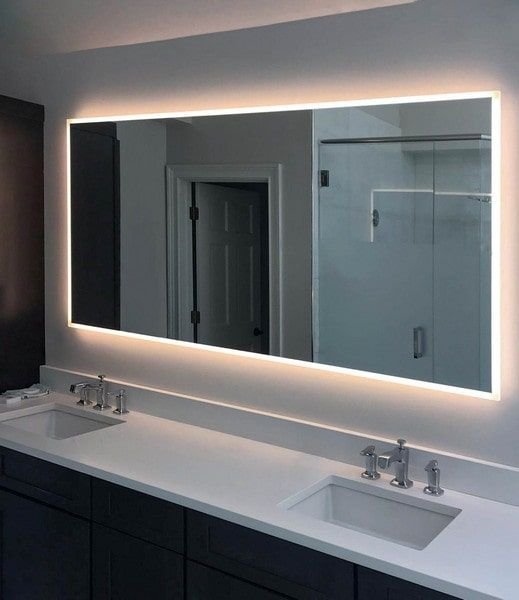
- Description
Description
Bathroom Vanity Units in Kenya – Modern Designs, Types and Prices
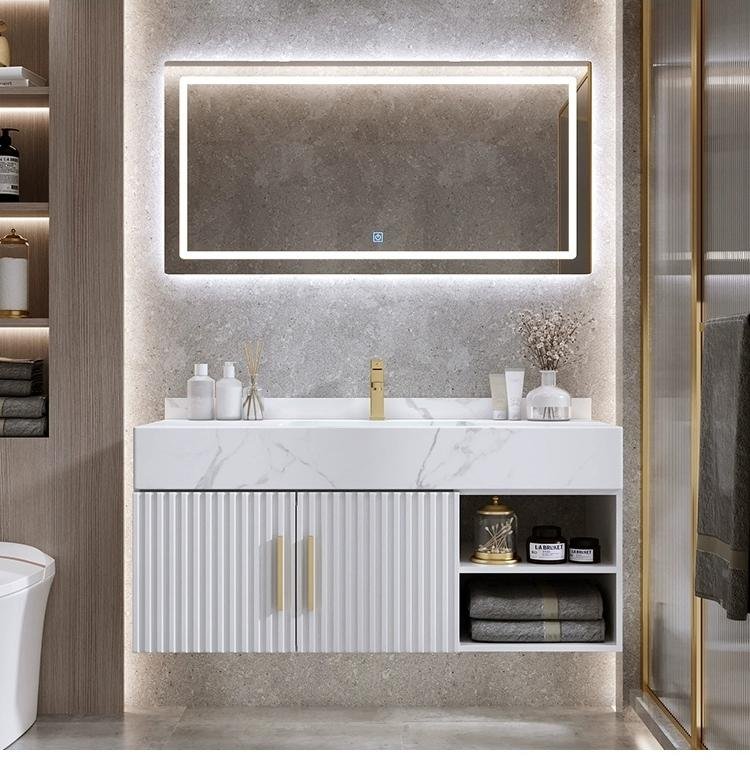
Bathroom vanity units are an essential part of modern bathroom design because they combine a washbasin, countertop and storage cabinet in one functional installation. They help organise toiletries, cleaning supplies and everyday bathroom essentials while creating an attractive focal point.
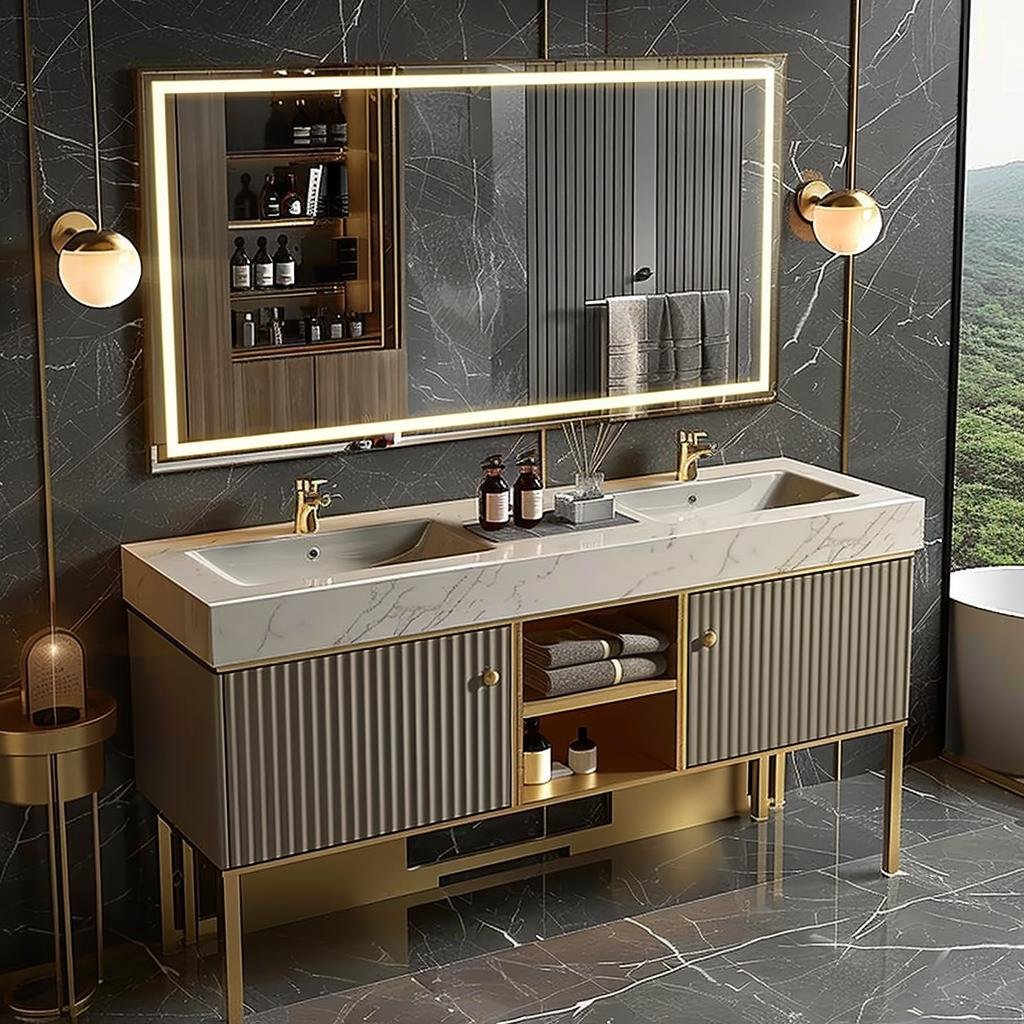
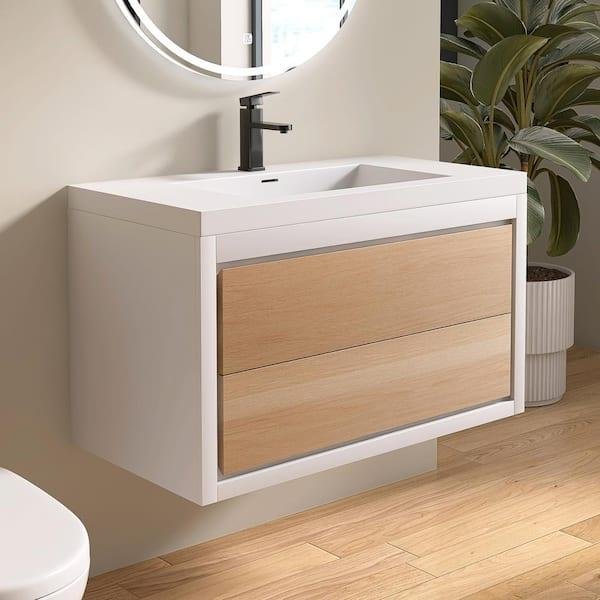
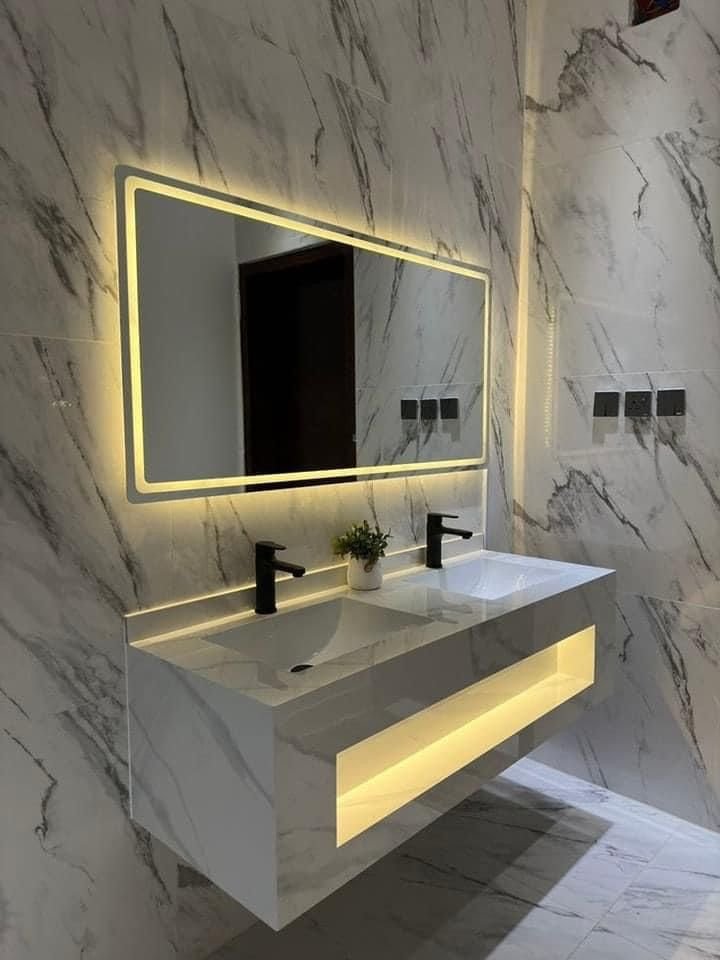
In Kenya, bathroom vanity units are available in different designs, sizes, materials and finishes. Popular options include floating bathroom vanities, freestanding cabinets, wooden vanity units, wall-mounted designs, marble-effect countertops and double-sink vanities. Whether you are furnishing a small apartment bathroom or renovating a spacious master bathroom, the right vanity can improve both functionality and appearance.
At Suimas Interior Designers, we help clients plan practical and attractive interior spaces, including bathrooms with well-coordinated cabinets, basins, countertops, mirrors, lighting and finishes.
What We Offer
Explore our related interior design and finishing services:
- Bathroom Interior Design and Renovation – Plan a complete bathroom upgrade with coordinated fittings, finishes and layouts.
- Interior Design Services in Kenya – Professional interior design solutions for residential and commercial spaces.
- Interior Finishes – Explore finishing solutions for modern bathrooms and other interior spaces.
- Renovation Services in Kenya – Improve existing spaces through renovation and remodelling.
- Office Interior Design – Interior planning and fit-out solutions for commercial environments.
Bathroom Vanity Unit Prices in Kenya
Bathroom vanity prices in Kenya depend on the cabinet dimensions, construction material, basin, countertop, storage features and installation requirements. Ready-made vanity cabinets are generally more affordable, while custom-made units offer greater flexibility in size, layout and finishing.
The following table provides indicative market budgeting estimates.
| Bathroom vanity type | Estimated price range |
|---|---|
| Basic vanity cabinet | KES 5,500–15,000 |
| Compact vanity with basin | KES 13,000–25,000 |
| Mid-range vanity with basin and storage | KES 25,000–55,000 |
| Premium wall-mounted vanity | KES 45,000–80,000 |
| Custom-made bathroom vanity | KES 55,000–120,000+ |
| Large double-sink vanity | KES 80,000–200,000+ |
These are indicative market estimates, not fixed Suimas quotations. Actual costs depend on the selected specifications, supplier, fabrication, delivery and installation. Some advertised prices cover only the cabinet, while others include a basin or mirror.
Before purchasing, confirm whether the quotation includes the countertop, basin, tap, waste fittings, mirror, delivery, plumbing connections and installation.
Types of Bathroom Vanity Units in Kenya
Choosing the right vanity starts with understanding the available designs. Each type offers different storage options, installation requirements and visual appeal.
1. Floating Bathroom Vanity Units
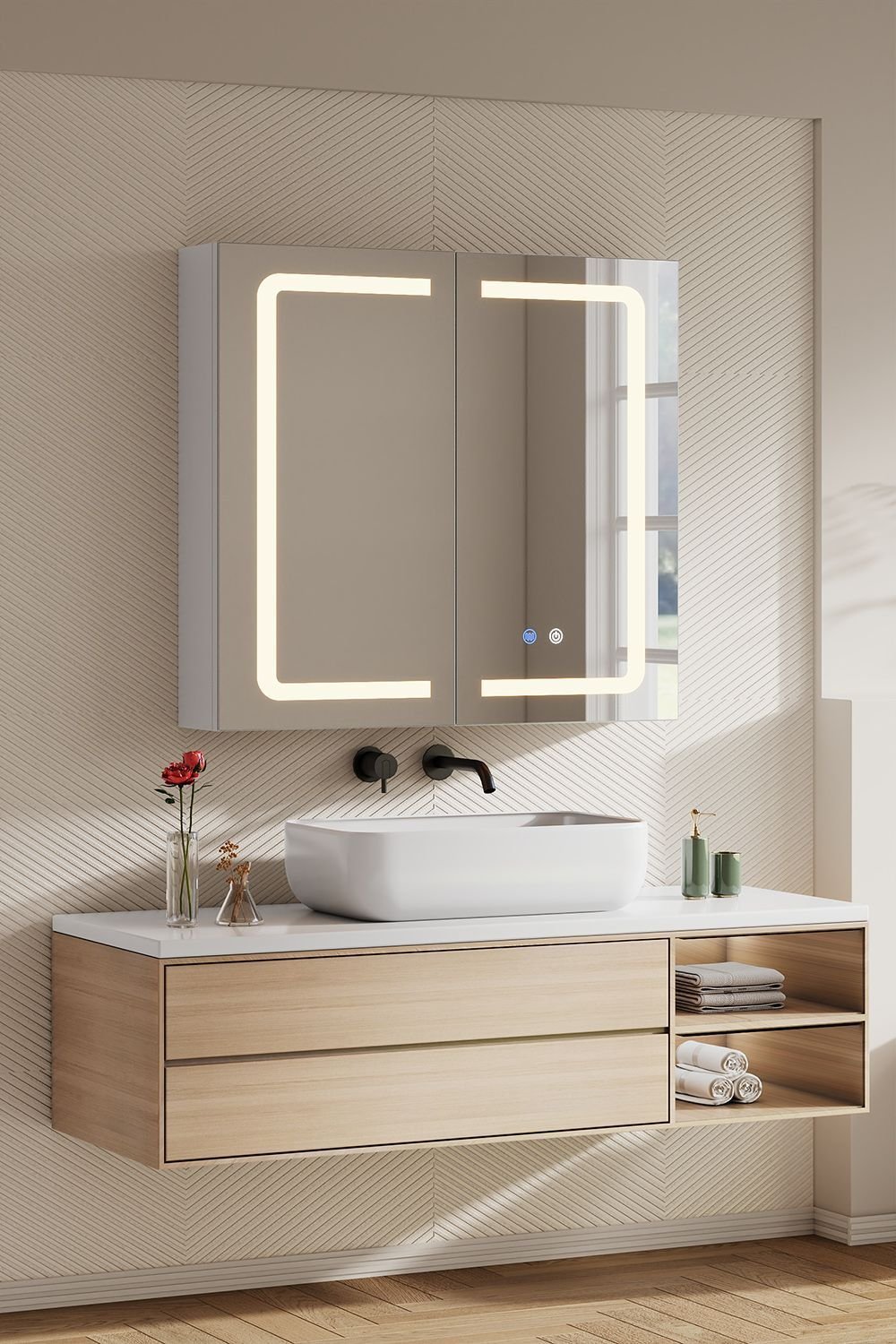
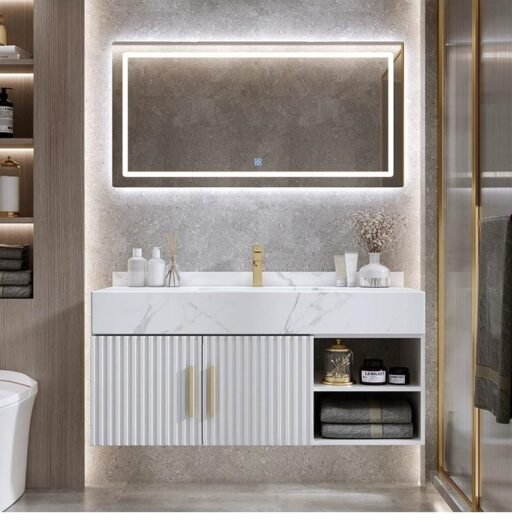
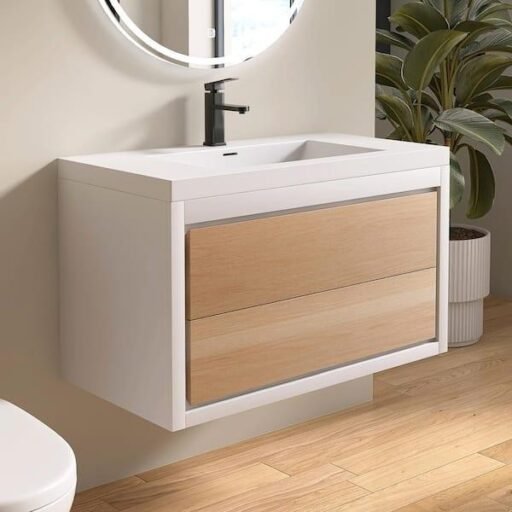
Floating bathroom vanity units, also known as wall-mounted vanities, are fixed directly to the bathroom wall rather than resting on the floor. They create a modern, uncluttered appearance while leaving the floor beneath the cabinet visible.
These units are particularly suitable for small bathrooms because they create a greater sense of openness. They also make it easier to clean underneath the cabinet.
Common features include concealed wall brackets, soft-close drawers, integrated basins, handleless doors and optional LED lighting.
Best suited for: Modern apartments, ensuite bathrooms, guest bathrooms and minimalist interiors.
2. Freestanding Bathroom Vanity Units
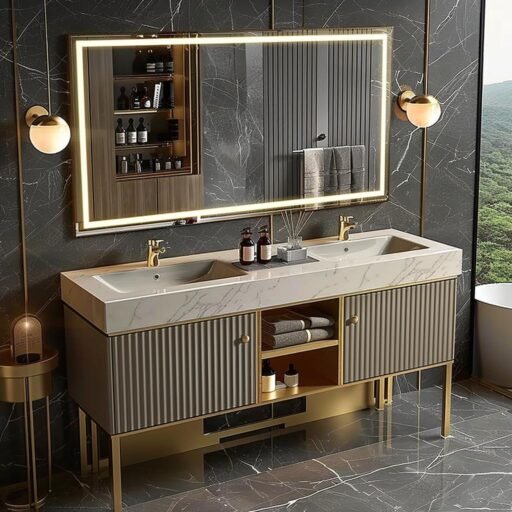
Freestanding vanity units stand directly on the bathroom floor. Unlike floating designs, they have a furniture-like appearance and can provide generous storage space.
They are available in different sizes, colours and cabinet arrangements. Some feature drawers, while others have cupboards with adjustable shelves.
Freestanding vanities are suitable for bathrooms where additional storage is important or where wall-mounted installation is not practical.
Best suited for: Family bathrooms, larger bathrooms and traditional or transitional interiors.
3. Modern Minimalist Bathroom Vanities
Minimalist bathroom vanity units focus on clean lines, simple shapes and uncluttered surfaces. They often feature handleless cabinets, concealed storage and neutral colours.
Popular finishes include white, beige, light grey, matte black and natural wood. These designs work well with large bathroom mirrors, simple wall tiles and modern lighting.
Best suited for: Contemporary homes, apartments and bathrooms with simple interior finishes.
4. Wooden Bathroom Vanity Units
Wooden bathroom vanity units introduce warmth and natural texture into a bathroom. They can complement stone-effect tiles, neutral walls, white basins and black or brushed-metal fittings.
Common finishes include natural oak, walnut, teak-inspired tones and dark wood effects.
However, bathroom cabinets are exposed to moisture and humidity. The selected wood or wood-based material must have suitable moisture protection, sealed edges and an appropriate finish.
Best suited for: Warm contemporary bathrooms, natural interiors and spa-inspired spaces.
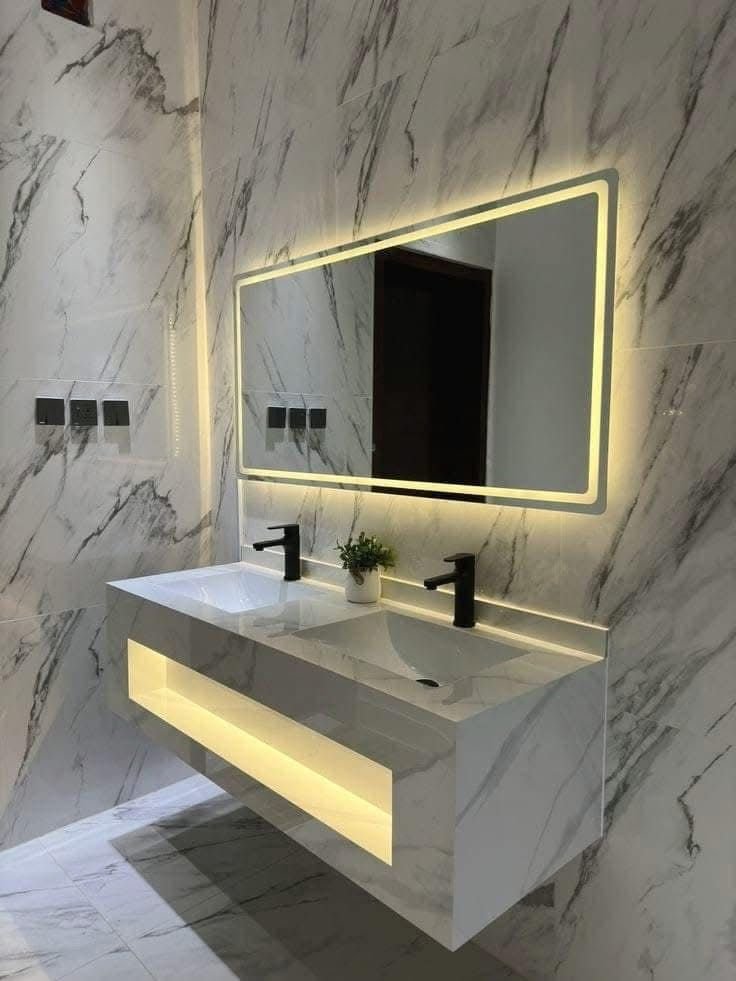
5. Marble-Effect Bathroom Vanity Units
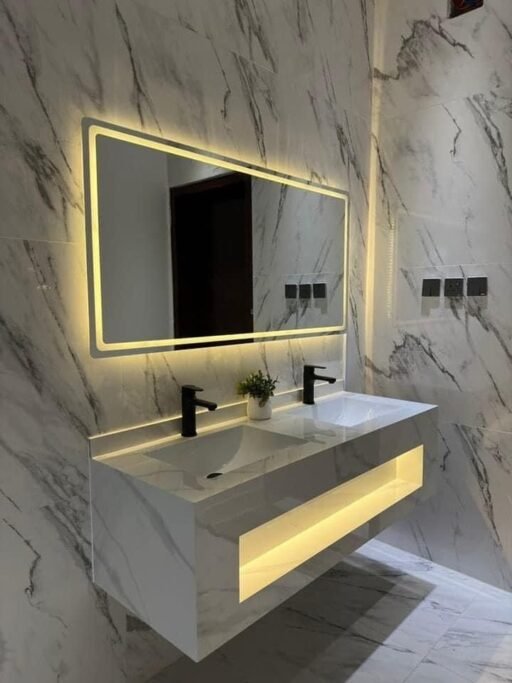
Marble-effect vanity units create an elegant appearance through countertops and surfaces featuring marble-inspired patterns. They can be paired with white, grey, beige or dark cabinets.
Depending on the selected material, the countertop may be made from engineered stone, porcelain, ceramic or natural marble.
Marble-effect finishes are particularly effective when combined with large mirrors, modern taps and coordinated wall tiles.
Best suited for: Luxury bathrooms, master ensuites and contemporary residential interiors.
6. Double-Sink Bathroom Vanity Units
Double-sink vanity units feature two washbasins installed on one extended cabinet or countertop. They allow two people to use the bathroom at the same time.
These designs require sufficient wall width, plumbing connections and storage planning. The cabinet can include separate drawers and compartments for each user.
Best suited for: Large master bathrooms, family homes and shared bathrooms.
7. Small Bathroom Vanity Units
Small bathroom vanity units are designed to provide essential storage without occupying too much floor space. They are useful in guest bathrooms, powder rooms and compact ensuite bathrooms.
Popular options include narrow wall-mounted cabinets, corner vanity units and compact cabinets with integrated basins.
When selecting a small vanity, consider the door opening, basin depth, tap position and available walking space.
Best suited for: Small apartments, guest bathrooms and compact ensuite spaces.
8. Bathroom Vanity Units with Mirrors
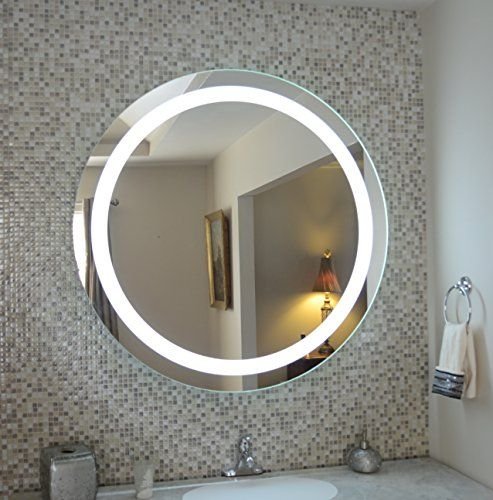
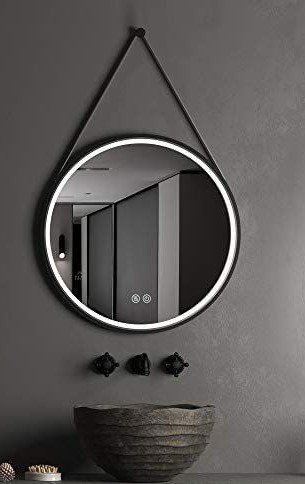
Bathroom vanity units with mirrors combine the washbasin cabinet with a matching mirror or mirrored storage cabinet. This creates a coordinated appearance and provides additional storage for everyday bathroom products.
Some designs feature LED lighting, demisting functions and concealed shelves. Electrical connections should be planned carefully, particularly in bathrooms where water exposure is possible.
Best suited for: Modern bathrooms, master ensuites and spaces requiring additional storage.
Bathroom Vanity Cabinet Materials
The material used to construct a vanity cabinet affects its appearance, durability, maintenance requirements and suitability for humid environments.
Moisture-Resistant MDF
Moisture-resistant MDF is commonly used for painted and laminated bathroom cabinets. It provides a smooth surface that supports different colours and finishes.
It should be properly sealed, especially around edges, joints and openings. It is not waterproof, so prolonged exposure to standing water should be avoided.
Marine Plywood
Marine plywood is another option for bathroom vanity construction. It offers a stable base for cabinet fabrication and can be finished with suitable laminates, veneers or protective coatings.
The quality of the plywood, adhesive, edge sealing and installation all influence its performance.
PVC and WPC
PVC and wood-plastic composite materials are options for moisture-conscious bathroom cabinetry. They are available in different finishes and can be suitable for areas where regular humidity is expected.
However, product quality and construction vary, so check the material specifications before purchasing.
Solid Wood
Solid wood offers a natural appearance and can create premium bathroom furniture. However, it needs suitable treatment and finishing to protect it from moisture and temperature changes.
Aluminium
Aluminium bathroom cabinets are suitable for homeowners who prefer a modern, moisture-resistant cabinet structure. They can be combined with glass, mirrors and different surface finishes.
How to Choose the Right Bathroom Vanity Unit
Selecting a vanity unit involves more than choosing a colour or attractive cabinet. Consider the following factors before making a purchase.
1. Measure Your Bathroom Space
Measure the available wall width, cabinet depth and installation height. Also consider the position of the bathroom door, shower enclosure, toilet and other fittings.
A vanity that is too large can restrict movement, while an undersized unit may not provide enough storage.
2. Consider Your Storage Requirements
Think about the items you need to keep inside the vanity. If you have several toiletries, towels and cleaning products, choose a cabinet with sufficient drawers and shelves.
For smaller bathrooms, concealed storage can help maintain a neat appearance.
3. Select a Suitable Basin
Bathroom vanity units can accommodate different basin styles, including:
- Integrated basins.
- Countertop vessel basins.
- Undermount basins.
- Semi-recessed basins.
- Ceramic basins.
The basin should match the cabinet dimensions and countertop arrangement. Also confirm the tap-hole position and plumbing connections.
4. Choose a Moisture-Suitable Material
Bathrooms experience regular humidity, splashing and cleaning. Choose a cabinet material and finish that can withstand the conditions in your bathroom.
Pay attention to edge sealing, joints, cabinet legs, wall clearances and ventilation.
5. Match the Vanity with Other Bathroom Finishes
Coordinate the cabinet with your wall tiles, floor tiles, shower fittings, taps, mirrors and lighting.
For example, a natural wood vanity can complement beige or stone-effect tiles, while a white floating vanity can work well with grey porcelain tiles and chrome fittings.
6. Check the Quality of Hardware
Cabinet hinges, drawer runners, handles and mounting brackets affect everyday usability.
Soft-close hinges and drawer runners can improve convenience, while suitable mounting hardware is particularly important for floating vanity units.
7. Consider Plumbing and Installation
The vanity should accommodate existing water supply and drainage positions or allow for practical plumbing adjustments.
Before installation, confirm the basin height, waste outlet, tap position and access for future maintenance.
Bathroom Vanity Unit Sizes and Layout Considerations
Bathroom vanity sizes should match the available wall space and the needs of the people using the bathroom.
The following are general planning guidelines rather than fixed measurements for every bathroom.
| Vanity width | Typical application |
|---|---|
| 40–60 cm | Compact powder rooms and guest bathrooms |
| 60–80 cm | Small ensuite bathrooms |
| 80–100 cm | Standard family bathrooms |
| 100–120 cm | Larger single-basin bathrooms |
| 140 cm and above | Spacious bathrooms and some double-basin layouts |
The actual size should account for the basin, countertop, tap, cabinet depth and available circulation space. Always measure the bathroom before ordering a vanity unit.
Custom-Made Bathroom Vanity Units in Kenya
Custom-made bathroom vanity units are designed according to the dimensions, storage requirements and preferred appearance of a particular bathroom.
Unlike standard ready-made cabinets, custom vanities allow greater flexibility in cabinet width, basin position, drawer arrangement, countertop material, colour and finishing.
Custom designs are particularly useful when:
- The bathroom has an unusual layout.
- Standard vanity sizes do not fit the available space.
- You need additional storage compartments.
- You prefer a specific cabinet colour or finish.
- You want a matching countertop, basin and mirror arrangement.
- You are renovating the entire bathroom.
A well-planned custom vanity should balance appearance, accessibility, storage and moisture protection.
Bathroom Vanity Installation Process
Proper installation helps ensure that a vanity unit is stable, functional and properly connected to the plumbing system.
A typical installation process involves the following stages:
- Site measurement: Measure the available space and inspect the existing plumbing and drainage points.
- Design and selection: Choose the cabinet style, basin, countertop, material and finish.
- Preparation: Prepare the installation area and make any necessary plumbing or electrical adjustments.
- Cabinet installation: Secure the vanity cabinet using suitable supports and mounting hardware.
- Basin and countertop fitting: Install and align the basin and countertop according to the selected design.
- Plumbing connections: Connect the tap, water supply and waste outlet, then check for leaks.
- Finishing: Seal appropriate joints, fit handles and accessories, and clean the completed installation.
- Final inspection: Check stability, drainage, water flow, cabinet operation and overall appearance.
For floating vanities, the wall must have adequate structural support for the cabinet and its expected load. Wall reinforcement may be necessary before installation.
Bathroom Vanity Maintenance Tips
Regular maintenance helps preserve the appearance and functionality of bathroom vanity units.
- Wipe water splashes from cabinet surfaces and edges.
- Clean the basin and countertop using suitable non-abrasive products.
- Avoid leaving standing water around cabinet joints.
- Check plumbing connections periodically for leaks.
- Keep drawers and cupboards dry and well ventilated.
- Avoid harsh cleaning chemicals that may damage cabinet finishes.
- Repair damaged seals and exposed edges promptly.
- Use suitable cleaning products for the specific countertop material.
These simple practices can help reduce moisture-related damage and maintain a clean bathroom.
Why Choose Suimas for Bathroom Interior Design Solutions?
Suimas Interior Designers provides interior design and fit-out solutions for residential and commercial spaces across Kenya. Our approach considers how different bathroom elements work together, from vanity cabinets and basins to countertops, tiles, mirrors, lighting and other finishes.
When planning a bathroom upgrade, we can help you consider:
- Bathroom layout and space utilisation.
- Vanity cabinet styles and storage arrangements.
- Suitable materials and finishes.
- Basin and countertop coordination.
- Bathroom lighting and mirror placement.
- Tile selection and interior finishing.
- Renovation requirements and project planning.
Our team has over 18 years of experience and has worked on more than 3,000 projects. We focus on creating functional spaces that reflect each client’s design requirements and project needs.
Related Interior Design Services We Offer
Explore other services that can complement your bathroom vanity installation:
- Bathroom Interior Design and Renovation – Improve your bathroom layout, fittings and finishes.
- Interior Design Services in Kenya – Interior planning and design for different types of spaces.
- Interior Finishing Services – Coordinate flooring, wall finishes and other interior details.
- Renovation Services – Plan improvements to existing residential and commercial spaces.
- Office Interior Design Services – Explore professional commercial interior design and fit-out solutions.
Contact Suimas for Bathroom Vanity Solutions in Kenya
Are you planning to install a modern bathroom vanity unit, upgrade an existing cabinet or renovate your entire bathroom? Suimas Interior Designers can help you plan a practical design that makes the best use of your available space.
Contact our team to discuss your bathroom requirements, preferred vanity style, materials and finishing options. You can also request a quotation based on your project specifications.
Suimas Interior Designers
- Phone: 0717 044 443 / 0739 255 050 / 0725 021 709
- Email: info@suimas.co.ke
- Location: Nairobi CBD
- Website: https://suimas.co.ke/
- Contact Page: https://suimas.co.ke/contact/
Areas We Serve Across Kenya
Suimas Interior Designers provides interior design, bathroom renovation and fit-out solutions across all 47 counties in Kenya. Our service coverage includes Mombasa, Kwale, Kilifi, Tana River, Lamu, Taita-Taveta, Garissa, Wajir, Mandera, Marsabit, Isiolo, Meru, Tharaka-Nithi, Embu, Kitui, Machakos, Makueni, Nyandarua, Nyeri, Kirinyaga, Murang’a, Kiambu, Turkana, West Pokot, Samburu, Trans Nzoia, Uasin Gishu, Elgeyo-Marakwet, Nandi, Baringo, Laikipia, Nakuru, Narok, Kajiado, Kericho, Bomet, Kakamega, Vihiga, Bungoma, Busia, Siaya, Kisumu, Homa Bay, Migori, Kisii, Nyamira and Nairobi City County.
In Nairobi, we serve Nairobi CBD, Westlands, Kilimani, Kileleshwa, Lavington, Karen, Runda, Parklands, Riverside, Upper Hill, Ngara, South C, South B, Lang’ata, Embakasi, Donholm, Buruburu, Kasarani, Roysambu, Umoja and Eastleigh, among other neighbourhoods.
In Mombasa, our service areas include Mombasa Island, Nyali, Bamburi, Shanzu, Kizingo, Tudor, Likoni, Changamwe, Miritini, Mishomoroni and Kisauni. For projects outside Nairobi, site visits, transportation and service arrangements can be discussed according to the project location and scope.
Frequently Asked Questions About Bathroom Vanity Units in Kenya
1. How much do bathroom vanity units cost in Kenya?
Bathroom vanity prices vary depending on the size, cabinet material, basin, countertop and finishing. Basic cabinets may cost approximately KES 5,500–15,000, while complete units with basins can range from approximately KES 13,000 to KES 80,000 or more. Custom-made and double-sink units may cost more.
2. Which bathroom vanity is best for a small bathroom?
A compact floating vanity is often a practical choice for a small bathroom. It leaves the floor beneath the cabinet visible and provides useful storage without occupying too much space.
3. Which material is best for bathroom vanity cabinets?
Moisture-resistant MDF, marine plywood with suitable protective finishing, PVC, WPC and aluminium are among the available options. The right choice depends on your budget, preferred finish and bathroom conditions.
4. Are floating bathroom vanity units durable?
Yes, floating vanity units can be durable when properly constructed and securely installed. The wall must have sufficient structural support, and suitable mounting brackets and fixings must be used.
5. What is the difference between a bathroom vanity and a bathroom cabinet?
A bathroom cabinet mainly provides storage, while a vanity unit typically combines a storage cabinet with a washbasin and sometimes a countertop. Some vanity units also include a matching mirror or additional storage.
6. Can I customise a bathroom vanity unit?
Yes. Custom bathroom vanities can be designed around your preferred dimensions, cabinet material, basin style, storage arrangement, colour and countertop finish.
7. Do bathroom vanity units come with basins?
Some vanity units are sold as complete sets with basins, while others include only the cabinet. Always confirm the product specifications before purchasing.
8. How do I maintain a bathroom vanity cabinet?
Clean the cabinet regularly, wipe away standing water, avoid harsh chemicals and inspect plumbing connections for leaks. Proper ventilation and moisture protection also help maintain the cabinet.
9. Can a bathroom vanity be installed during a renovation?
Yes. A vanity can be installed as part of a bathroom renovation. The project may involve adjusting plumbing connections, preparing wall supports, installing countertops and coordinating the unit with new tiles and other fittings.
10. How do I choose the right vanity size?
Measure the available wall width, cabinet depth and installation height. Consider the basin size, plumbing position, door clearance and space needed to move comfortably around the bathroom before selecting a unit.